
Runpreneur Journey Blog
Embark on an extraordinary journey with the Runpreneur community. Discover inspiring stories, insider tips, and the transformative power of our global challenge. From first-time runners to seasoned athletes, our blog captures the essence of the Runpreneur movement, inspiring others to join the cause.
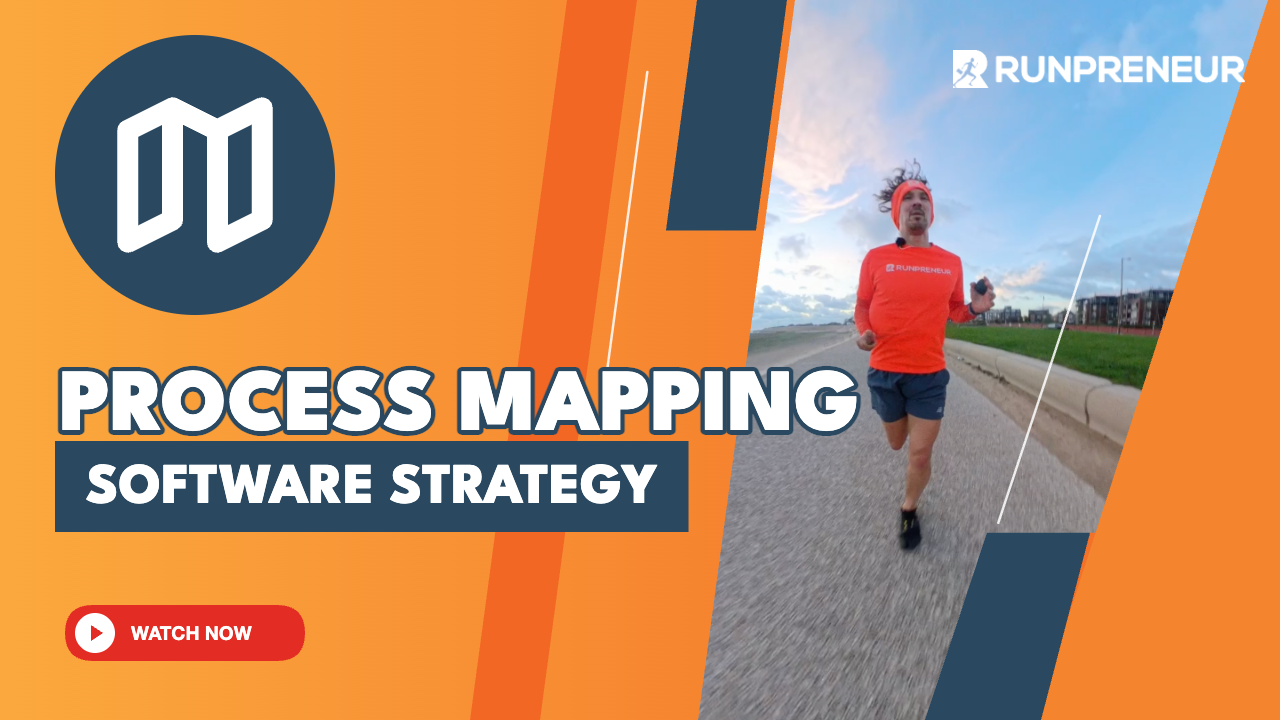
Why Process Mapping Software Revolutionised My Long-Term Planning
Why Process Mapping Software Revolutionised My Long-Term Planning
I never expected to find my most effective planning tool while building business systems, but here I am on day 1971 of my daily running streak, and process mapping software has become the backbone of how I approach everything from my 40,075km mission to my £1M fundraising goal for children's causes.
Today's 10km took me through familiar streets while my mind worked through quarterly planning sessions. As I've covered 19,710km so far, with 20,365km still ahead, I've learned that the same systematic approach I use for business planning is what keeps this massive undertaking on track.
The revelation came during one of my intensive quarterly planning sessions. I was struggling with traditional project management tools they felt rigid, linear, constraining. Then I discovered process mapping software, specifically tools like Google Drawings or Lucidchart, and everything changed.
What makes process mapping software so powerful is its flexibility. I can use shapes, arrows, and text on an endless digital canvas, moving elements around as my thinking evolves. For someone managing a 16.5-year running streak alongside multiple business ventures, this visual, dynamic approach is essential.
My planning framework starts with annual vision at the top, then breaks down into quarters, months, and weeks. Each quarter focuses on just three main projects, I call them goals, but they're substantial undertakings that drive me toward that bigger annual vision. This constraint forces clarity. When you're running every single day while building businesses and raising funds for Great Ormond Street Hospital and BBC Children in Need, you cannot afford scattered focus.
The process mapping approach lets me see connections between different goals. I can trace how a weekly action connects to a monthly objective, which feeds into a quarterly project, which advances the annual vision. It's like having a bird's eye view of your entire strategy while still seeing the granular details.
What I find fascinating is how this mirrors the running streak itself. Each day's 10km is a small component, but when you map out how it connects to weekly distances, monthly totals, and ultimately that 40,075km goal, you see the power of systematic consistency. Day 1971 means I'm nearly halfway around the world that only happened because I could visualise the bigger picture while executing daily actions.
During my weekly team meetings, we use this same visual approach. Thirty-minute sessions where we review completed work, plan upcoming tasks, and identify blockers. The process map keeps us focused we can literally see how each person's work connects to project completion. No abstract discussions or unclear priorities.
I've adapted the BPMN 2.0 standards business process model notation to my personal planning. It provides structure without rigidity, logic without constraints. The standardised symbols mean anyone on my team can understand the maps, but the flexibility means we can adjust rapidly when circumstances change.
The real power emerges when you combine process mapping with proper task management. I use Airtable to track all the detailed actions, but the process map shows how everything interconnects. It's the difference between having a list of tasks and understanding your complete strategy.
This visual approach has been crucial for maintaining perspective during this long-term mission. When you're on day 1971 of what will ultimately be around 6,000 consecutive days, you need systems that help you see progress while staying grounded in daily execution. The process map reminds me that today's 10km isn't just exercise it's a deliberate step toward raising over £1M for children who desperately need medical care.
What strikes me most is how this planning approach reinforces the values driving my mission. Consistency over intensity. Systems over motivation. Long-term thinking over short-term gains. Whether I'm mapping out business quarterly objectives or tracking progress toward circumnavigating the globe on foot, the principles remain constant.
The quarterly planning sessions have become almost meditative. Four times per year, I step back from daily execution and examine the bigger picture. What's working? What needs adjustment? How do the next three months connect to the ultimate vision of completing 40,075km while raising substantial funds for children's causes?
The beauty of process mapping is its honesty. You cannot hide from unclear thinking or disconnected actions when everything is visualised. If a weekly objective doesn't clearly link to your quarterly project, you see it immediately. If your quarterly projects don't advance your annual vision, it's obvious.
This systematic approach has kept me consistent through nearly 2,000 consecutive days of running. It's helped maintain focus across multiple business ventures. Most importantly, it ensures every action serves the bigger mission of supporting children who need life-saving medical care.
Process mapping software might seem like an unusual tool for personal planning, but when you're attempting something that requires absolute consistency over 16.5 years, you need systems that can handle complexity while maintaining clarity. Some days the runs are easy, others are challenging, but the process map keeps the bigger picture in focus.
With over 20,000km still ahead, this visual planning approach will be essential for maintaining momentum while continuing to build toward that £1M fundraising goal.
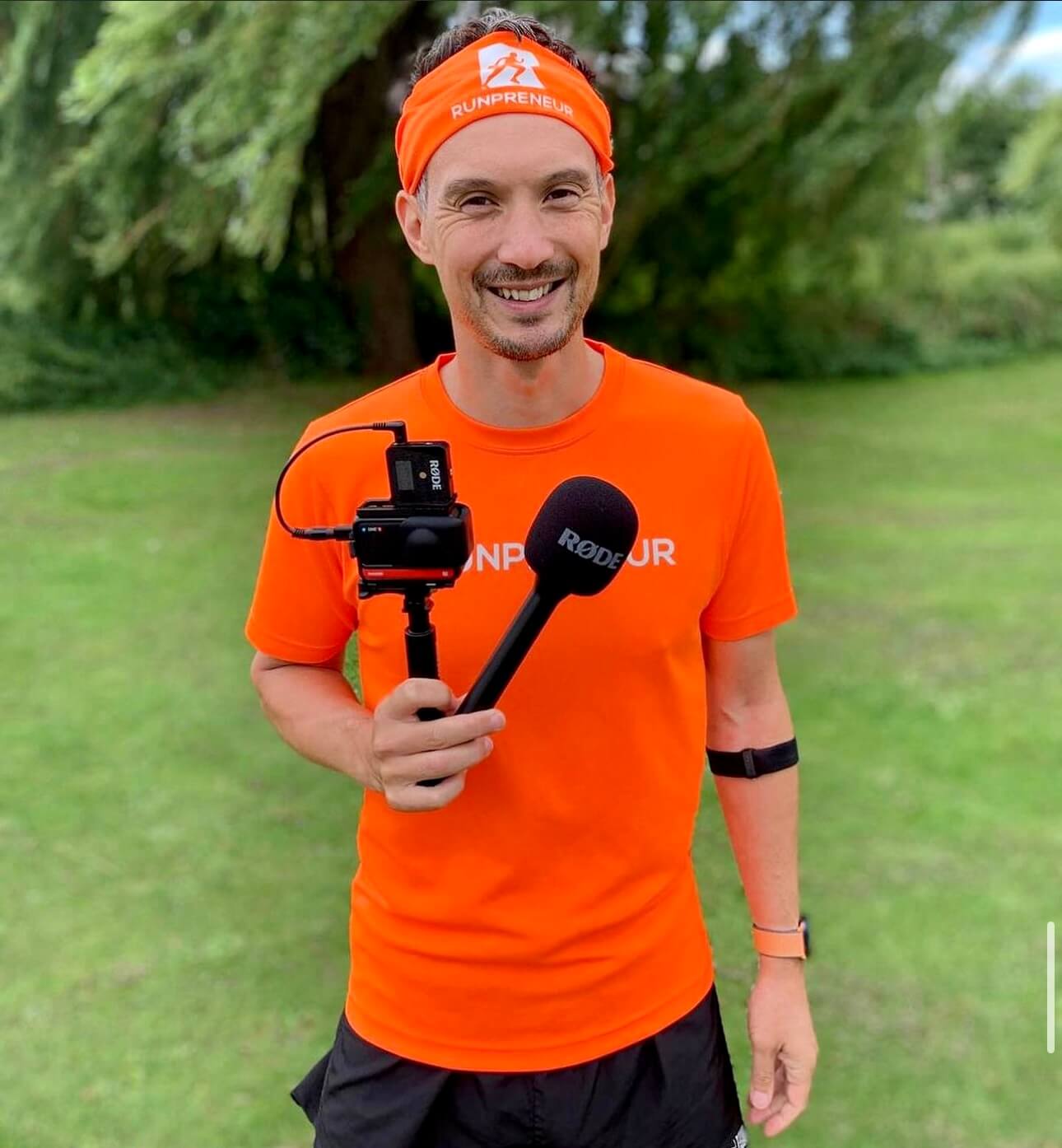
Kevin's 40,075km Challenge: Raising £1 Million for Children
Meet Kevin, a dedicated Runpreneur who embarked on an extraordinary journey to raise £1 million for children in need. Over the course of his 40,075km challenge, Kevin's unwavering determination and passion inspired thousands to join the Runpreneur movement.
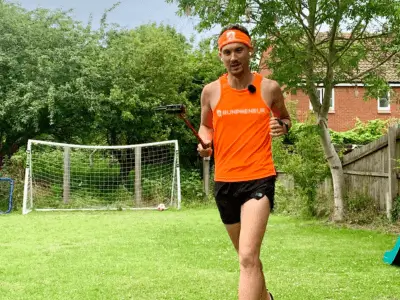
Runpreneur Vlogging: Capturing Kevin's Journey
Experience the Runpreneur challenge through the lens of Kevin's video diary. Witness his ups and downs, the camaraderie of the community, and the transformative power of running for a cause. Dive into the visual stories that capture the essence of the Runpreneur movement.

Empowering Children, One Step at a Time
As Kevin logged every kilometre of his 40,075km challenge, the true purpose behind his journey came into focus. Each step, each bead of sweat, fuelled essential healthcare, education, and nutrition programs for children in need around the world.
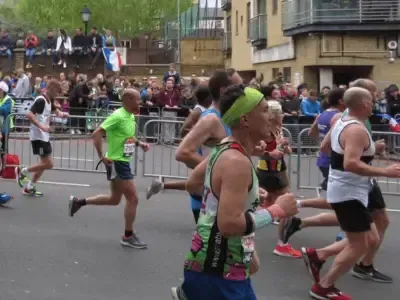
The Transformative 4x4x48 Challenge
Experience the thrill and personal growth of our iconic 48-hour running event. Witness the determination and resilience of Runpreneurs as they push their limits, one mile at a time.
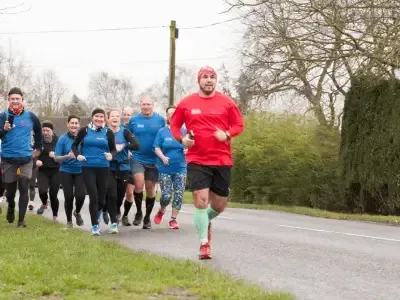
Runpreneur Vlogging: Capturing the Journey
Dive into the visual stories of our Runpreneurs as they document their experiences through engaging video logs. Witness the challenges, triumphs, and moments of camaraderie that define the Runpreneur spirit.
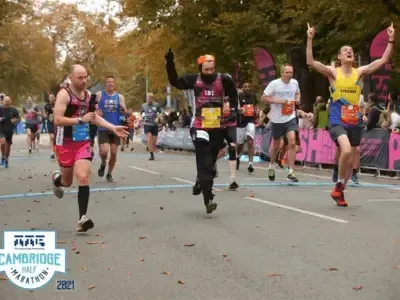
Becoming a Runpreneur: Join the Movement
Learn how you can become a Runpreneur and be part of this global community. Discover the steps to sign up, complete the challenge, and share your journey, all while making a lasting difference.
Connect With Us:



















I am on a mission to raise £1,000,000 for children's causes by daily run-vlogging barefoot-style, covering the total distance of a lap around the world—40,075 km.