
Runpreneur Journey Blog
Embark on an extraordinary journey with the Runpreneur community. Discover inspiring stories, insider tips, and the transformative power of our global challenge. From first-time runners to seasoned athletes, our blog captures the essence of the Runpreneur movement, inspiring others to join the cause.
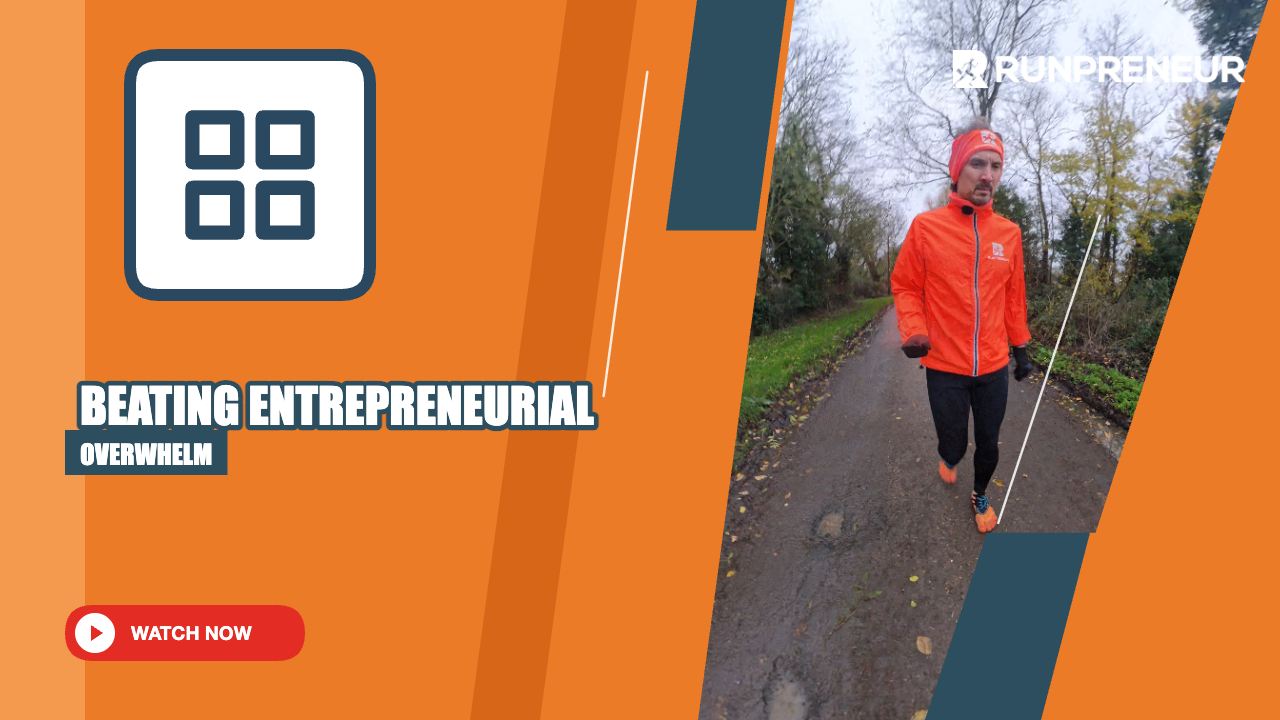
Why Entrepreneurs Get Overwhelmed and How to Actually Deal With It — Day 2010
Why Entrepreneurs Get Overwhelmed and How to Actually Deal With It — Day 2010
Day 2010. 20,100km covered in barefoot-style footwear. 19,975km still to go before I complete a full lap of the world on foot. And today, running through my thoughts as I always do, I found myself reflecting on something that affects almost every entrepreneur I know, and something I've dealt with personally for years. Entrepreneurial overwhelm.
I want to talk about this honestly, because it is real, it is common, and it does not get spoken about enough in the right way.
Three out of every four businesses in the UK is a one-person operation. A sole trader or one-man band carrying everything on their own shoulders. The sales, the delivery, the admin, the finances, the customer relationships, the strategy. When you are the only person responsible for all of it simultaneously, your mind does not cope quietly. It starts to fray. Things get missed. Confidence drops. That low-level panic becomes a constant background noise, and eventually it starts to affect your performance, your decisions, and your health.
I have been there. I am not going to pretend otherwise. Even now, with systems in place and years of experience behind me, I still feel the pressure of it. What has changed is that I have built structures around myself that reduce the impact. Not eliminate it. Reduce it.
The first and most important thing I would say to any entrepreneur is this: look after yourself. I know that sounds obvious. But the number of business owners I have seen who run themselves into the ground, who sacrifice sleep, exercise, nutrition, and mental health in the name of productivity, is genuinely concerning. A depleted body and a tired mind make poor decisions. The overwhelm you are trying to fight becomes ten times harder to manage when you are running on empty. For me, the daily run is part of that. It is not just about the 40,075km mission or the fundraising for children's causes like Great Ormond Street Hospital and BBC Children in Need. It is also about showing up for myself every single day, keeping my mind clear, and maintaining the discipline that carries across into everything else I do.
The second thing, and this is where the real structural work happens, is prioritisation. Not just a vague awareness of what matters most, but an actual process you follow consistently.
I use a framework from John Lamerton's book, Routine Machine, which he calls the 3-3-1. The idea is straightforward but genuinely effective. You set three big rocks for the quarter. These are the most significant outcomes you want to achieve in the next 90 days. They should feel slightly stretching but realistic. Then, for each month within that quarter, you set three targets that serve those quarterly rocks. And each week, you identify the single most important thing you need to focus on that week to keep moving in the right direction.
When I first describe this to people, it can sound almost too simple. But the power of it is not in the framework itself. It is in the discipline of sticking to it.
There is a useful analogy I come back to often. Imagine a jar. If you pour water in first, then sand, then pebbles, you will never fit the big rocks. But if you put the rocks in first, the pebbles settle around them, the sand fills the gaps, and the water finds its way in. The order matters. The rocks are the things that genuinely move your business forward. Everything else, however urgent it feels in the moment, is water or sand. If you spend your days clearing small tasks and reactive work, you will feel busy, but you will not be making real progress. And that sense of spinning without moving is one of the most demoralising experiences in business.
During one recent 90-day period, one of my rocks was completing version two of Digital Operations Director, my business operating system product. We had two modules done at the start of the quarter and six to build. Breaking that into two modules per month, and then into weekly milestones, meant I always knew where I needed to be and what the priority was. That clarity is what keeps overwhelm at bay.
The third element is capturing everything that is not part of your current quarterly plan. New ideas come. Unexpected tasks land. Things you want to do in the future but cannot focus on right now. If you try to hold those in your head, they pile up and create noise. If you dismiss them, you lose them. The answer is to capture them in a task management system immediately, without attaching them to your current quarter's targets. Then, at the end of the quarter, you review what is sitting there and decide what, if anything, to bring forward. Some tasks I have reviewed three or four quarters in a row before they became relevant. Some I have never brought forward at all. That is fine. The point is they are captured, they are not lost, and they are not cluttering my thinking right now.
The map this creates, from 25-year vision down to yearly goals, then to quarters, months, and weekly focus, means that at any point I know what I am doing and why. Not perfectly. There are still moments of stress and uncertainty. But there is a framework underneath it that holds.
I think about this journey I am on, 40,075km on foot, raising £1 million for children's causes, vlogging every single day since day one. That could feel overwhelming if I focused on the full distance remaining. But I do not run the whole lap every day. I run today's kilometres. I plan the week. I work the quarter. And across 2,010 consecutive days, that consistency has brought me to 20,100km covered. Nearly halfway around the world.
The lesson for me is that overwhelm is not conquered by working harder or by trying to hold more in your head. It is managed by systems, by clarity of priority, and by the discipline to protect the plan you set for yourself.
If you are building something, whether a business, a creative project, or a long-term goal, and you feel the weight of it pressing down on you, do not try to carry it all at once. Build the rocks first. Capture the rest. And show up every single day.
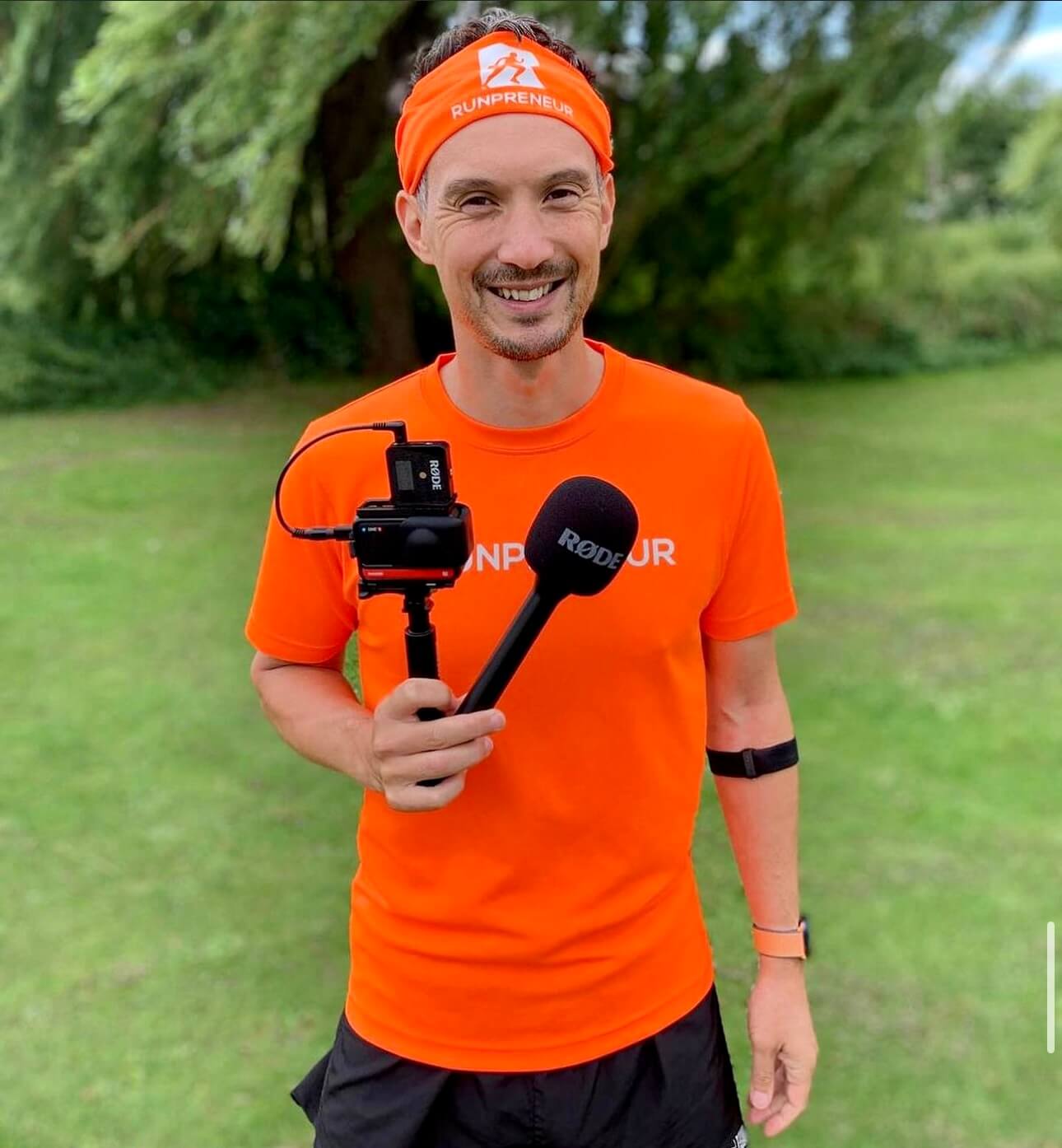
Kevin's 40,075km Challenge: Raising £1 Million for Children
Meet Kevin, a dedicated Runpreneur who embarked on an extraordinary journey to raise £1 million for children in need. Over the course of his 40,075km challenge, Kevin's unwavering determination and passion inspired thousands to join the Runpreneur movement.
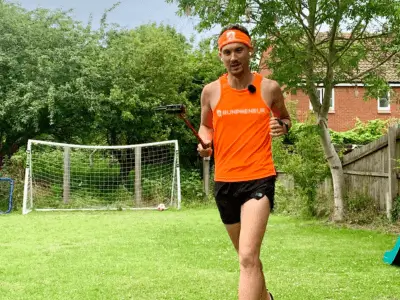
Runpreneur Vlogging: Capturing Kevin's Journey
Experience the Runpreneur challenge through the lens of Kevin's video diary. Witness his ups and downs, the camaraderie of the community, and the transformative power of running for a cause. Dive into the visual stories that capture the essence of the Runpreneur movement.

Empowering Children, One Step at a Time
As Kevin logged every kilometre of his 40,075km challenge, the true purpose behind his journey came into focus. Each step, each bead of sweat, fuelled essential healthcare, education, and nutrition programs for children in need around the world.
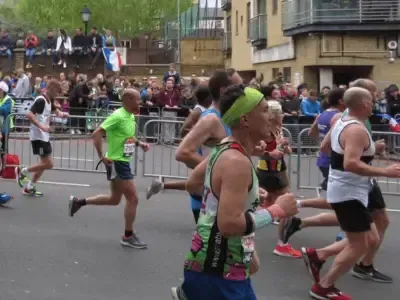
The Transformative 4x4x48 Challenge
Experience the thrill and personal growth of our iconic 48-hour running event. Witness the determination and resilience of Runpreneurs as they push their limits, one mile at a time.
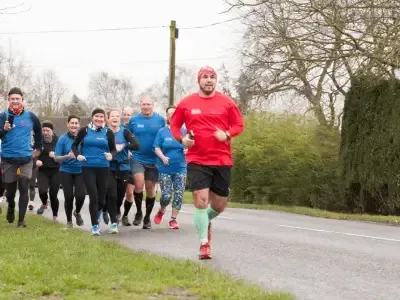
Runpreneur Vlogging: Capturing the Journey
Dive into the visual stories of our Runpreneurs as they document their experiences through engaging video logs. Witness the challenges, triumphs, and moments of camaraderie that define the Runpreneur spirit.
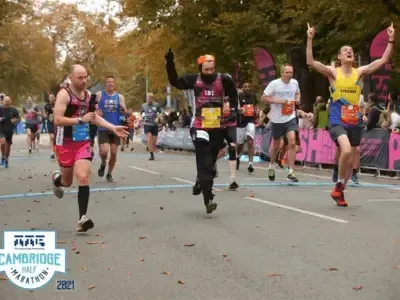
Becoming a Runpreneur: Join the Movement
Learn how you can become a Runpreneur and be part of this global community. Discover the steps to sign up, complete the challenge, and share your journey, all while making a lasting difference.
Connect With Us:



















I am on a mission to raise £1,000,000 for children's causes by daily run-vlogging barefoot-style, covering the total distance of a lap around the world—40,075 km.