
Runpreneur Journey Blog
Embark on an extraordinary journey with the Runpreneur community. Discover inspiring stories, insider tips, and the transformative power of our global challenge. From first-time runners to seasoned athletes, our blog captures the essence of the Runpreneur movement, inspiring others to join the cause.
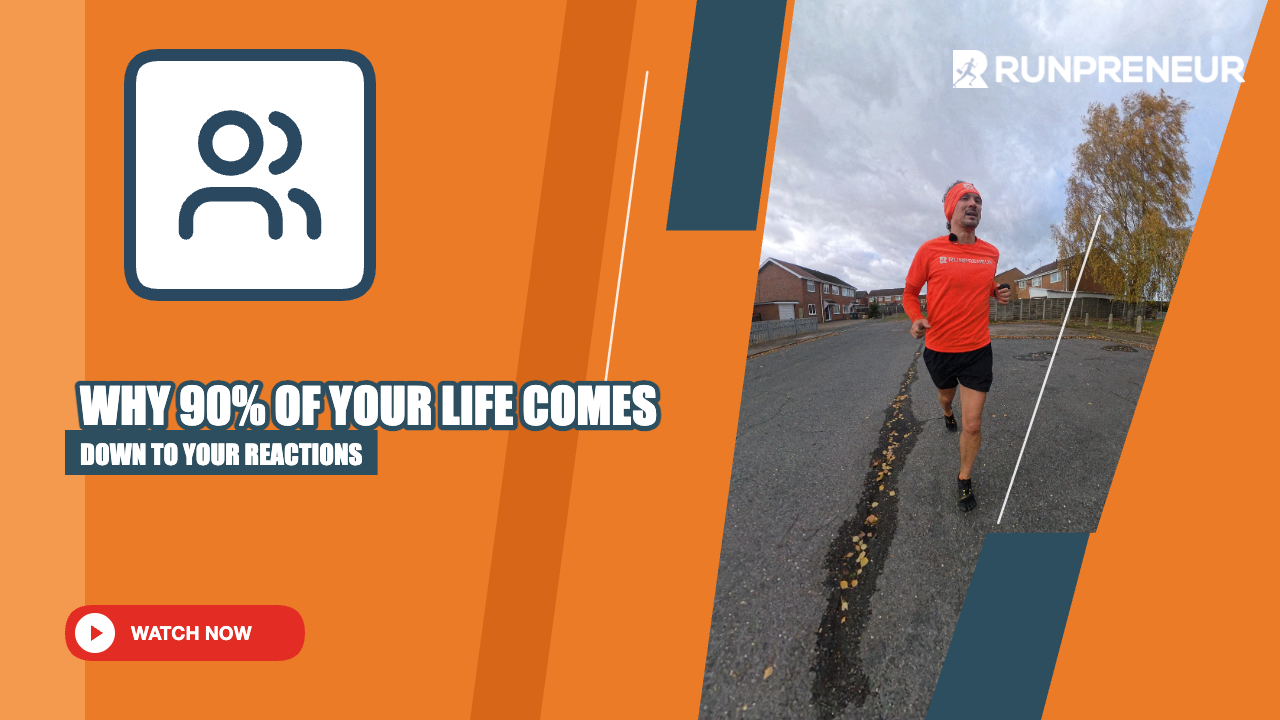
Why 90% of Life Comes Down to Your Reactions - Day 1976 Barefoot Running
Why 90% of Life Comes Down to Your Reactions - Day 1976 Barefoot Running
Today on Day 1976 of my daily running streak, I covered another 10km in my barefoot-style shoes, bringing me to 19,760km of my 40,075km journey around the world. But the real distance I travelled was mental - revisiting a principle that has shaped how I approach every challenge, both on the road and in life.
I was thinking about Stephen Covey's 90-10 principle from "The Seven Habits of Highly Effective People." The concept is deceptively simple: 10% of life is what happens to you, and 90% is how you react to it. When you're running every single day regardless of weather, health, or circumstances, this principle becomes your survival guide.
This morning, I could feel my emotions starting to spike before I'd even laced up my Vibram FiveFingers. Work pressures, family commitments, the relentless nature of this daily commitment - they were all pressing in. That's the 10% I can't control. But how I choose to process and respond to those pressures? That's entirely on me.
The 90-10 principle hit me years ago when I first read Covey's book, though I'll admit I can barely remember most of it now. But this one concept stuck because it's so immediately applicable. When you're committed to running every day for what will ultimately be a 16.5-year journey, you encounter that uncontrollable 10% regularly. Equipment fails. Weather turns savage. Your body protests. Life throws curveballs.
I remember one morning last winter when everything went wrong. My usual route was blocked by roadworks, my fitness tracker died, and I was already running late for work commitments. The old me might have used any of these as reasons to skip the run or at least to start the day in a foul mood. Instead, I recognised these as part of the 10% - things happening to me, not defining me.
My reaction became the key. I found an alternative route, ran without tracking the distance (trusting my internal clock), and accepted I'd need to adjust my morning schedule. That response transformed a potentially frustrating start into a reminder of my adaptability and commitment. The same external events, completely different day.
What fascinates me about this principle is how it applies to endurance challenges. When you're covering 10km daily in minimalist footwear, your feet are constantly adapting to different surfaces, weather conditions, and terrain. I can't control whether the pavement is wet, whether there's construction disrupting my route, or whether my legs feel heavy. But I can absolutely control how I respond to these conditions.
The difference between reacting and responding is crucial here. Reacting is immediate, emotional, often counterproductive. Responding is considered, purposeful, aligned with your larger goals. When I react to a difficult running day, I might cut it short or run with resentment. When I respond, I adjust my pace, modify my route, or use the challenge as mental training for tougher days ahead.
This principle extends far beyond running. In building my businesses - Operations Director and Runpreneur - I've learned that market conditions, client demands, and competitive pressures are largely outside my control. How I choose to adapt, pivot, and persist? That's where real progress happens.
The same applies to this fundraising mission. I can't control how many people see my daily videos or choose to support Great Ormond Street Hospital and BBC Children in Need. But I can control my consistency in showing up, my authenticity in sharing these daily reflections, and my commitment to completing all 40,075 kilometres regardless of external response.
Running barefoot-style has taught me that most discomfort is temporary and manageable if you respond rather than react. That initial shock of minimalist footwear on rough terrain could have ended this journey on day one if I'd reacted with panic or abandonment. Instead, I responded by gradually building strength, adjusting my gait, and trusting the adaptation process.
What strikes me most about the 90-10 principle is how it shifts your focus from victim to architect of your experience. Instead of asking "Why is this happening to me?" you start asking "How can I use this to move forward?" That mental shift is the difference between a streak that lasts weeks and one that spans years.
Every day of this journey reinforces this truth. With 20,315 kilometres still to go and a £1 million fundraising target to reach, I'll face countless uncontrollable variables. Weather systems, physical setbacks, life changes - they're all part of the 10%. My response to each of them will determine whether I complete this mission and, more importantly, whether I grow through the process or simply endure it.
The children benefiting from our fundraising efforts understand this principle instinctively. They can't control their medical conditions, but their responses - their resilience, courage, and hope - inspire everyone around them. They're living proof that how we react to circumstances shapes our reality far more than the circumstances themselves.
Tomorrow I'll lace up again for Day 1977, knowing that something unexpected will probably happen. But armed with the 90-10 principle, I'll be ready to respond with purpose rather than simply react with emotion.
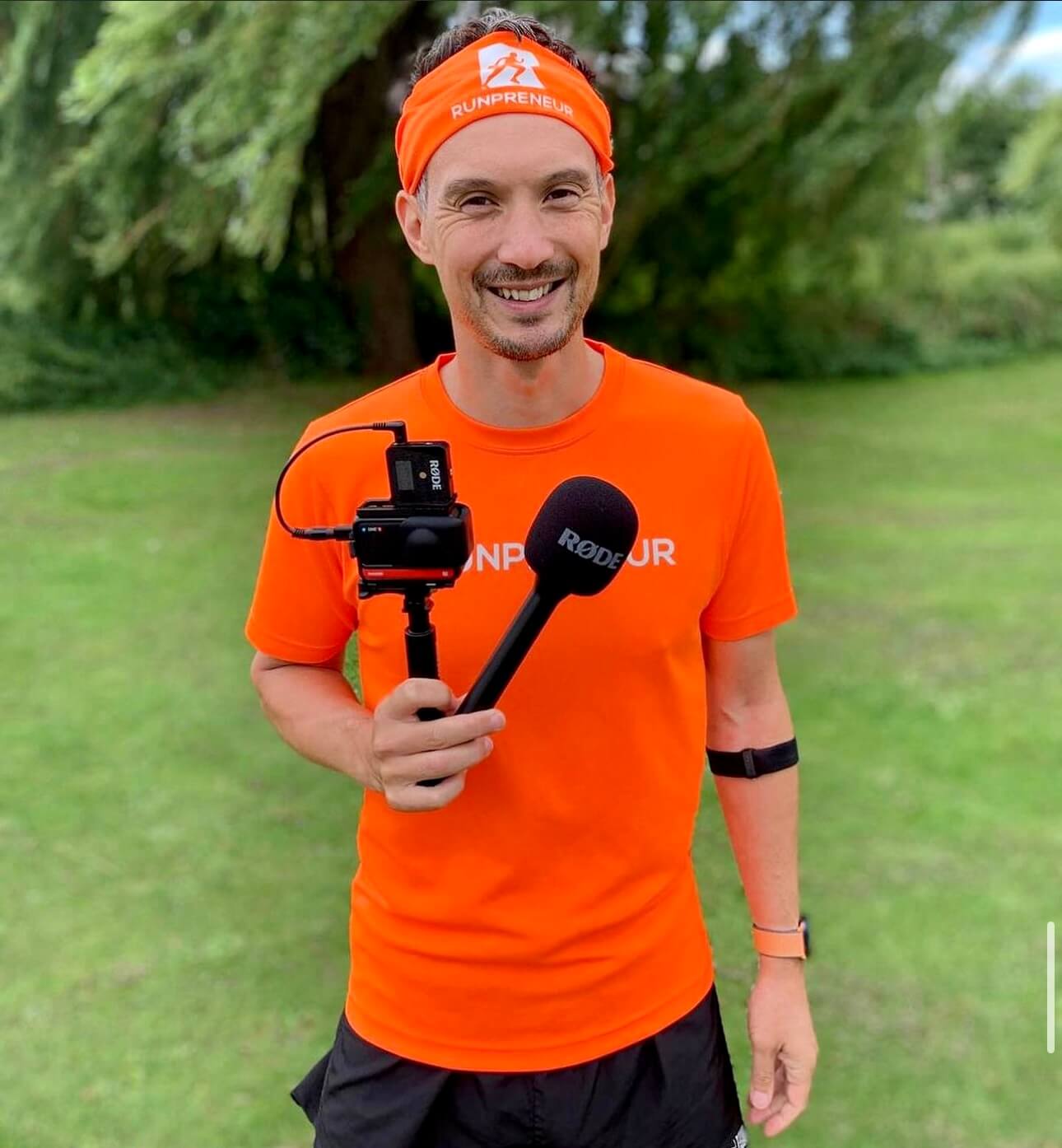
Kevin's 40,075km Challenge: Raising £1 Million for Children
Meet Kevin, a dedicated Runpreneur who embarked on an extraordinary journey to raise £1 million for children in need. Over the course of his 40,075km challenge, Kevin's unwavering determination and passion inspired thousands to join the Runpreneur movement.
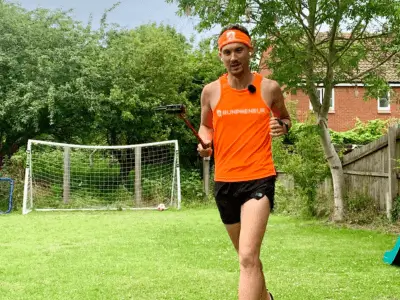
Runpreneur Vlogging: Capturing Kevin's Journey
Experience the Runpreneur challenge through the lens of Kevin's video diary. Witness his ups and downs, the camaraderie of the community, and the transformative power of running for a cause. Dive into the visual stories that capture the essence of the Runpreneur movement.

Empowering Children, One Step at a Time
As Kevin logged every kilometre of his 40,075km challenge, the true purpose behind his journey came into focus. Each step, each bead of sweat, fuelled essential healthcare, education, and nutrition programs for children in need around the world.
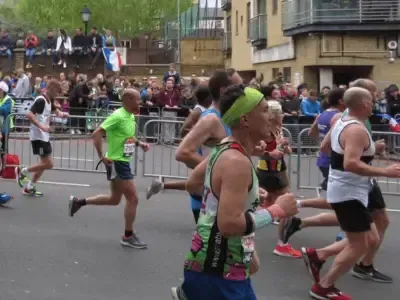
The Transformative 4x4x48 Challenge
Experience the thrill and personal growth of our iconic 48-hour running event. Witness the determination and resilience of Runpreneurs as they push their limits, one mile at a time.
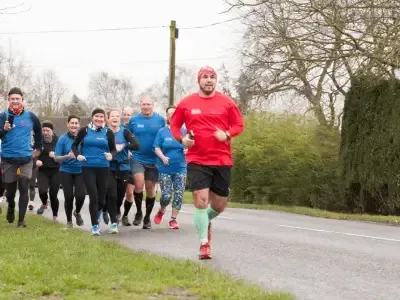
Runpreneur Vlogging: Capturing the Journey
Dive into the visual stories of our Runpreneurs as they document their experiences through engaging video logs. Witness the challenges, triumphs, and moments of camaraderie that define the Runpreneur spirit.
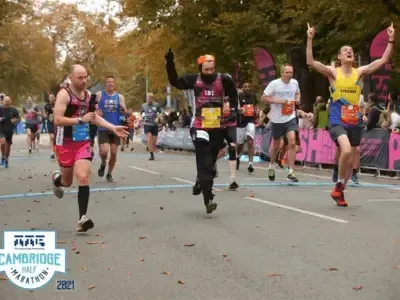
Becoming a Runpreneur: Join the Movement
Learn how you can become a Runpreneur and be part of this global community. Discover the steps to sign up, complete the challenge, and share your journey, all while making a lasting difference.
Connect With Us:



















I am on a mission to raise £1,000,000 for children's causes by daily run-vlogging barefoot-style, covering the total distance of a lap around the world—40,075 km.