
Runpreneur Journey Blog
Embark on an extraordinary journey with the Runpreneur community. Discover inspiring stories, insider tips, and the transformative power of our global challenge. From first-time runners to seasoned athletes, our blog captures the essence of the Runpreneur movement, inspiring others to join the cause.

What a Family Day Out Taught Me About Scalable Business Models - Day 2042
What a Family Day Out Taught Me About Scalable Business Models - Day 2042
Day 2042. I am 20,420km into a 40,075km running streak, and I still have 19,655km left to cover. Every single day I run, I vlog, and I think. Yesterday was a family day out for my oldest son's 15th birthday, and what I stumbled across was not a fitness insight or a running lesson. It was one of the most quietly ingenious business models I have seen in a long time. And because I talk about business as much as I talk about running, I want to share it properly.
We had been watching a BBC programme as a family called Race Across the World. If you have not seen it, the concept is this: pairs of people are given the equivalent cost of a flight as their travel budget, and they have to make their way from one destination to another without using any air travel. No phones in the traditional sense, limited money, and a set number of days. What I find compelling about it is the same thing I find compelling about long-distance running it strips everything back to human resourcefulness and movement.
Anyway, somebody has built a spin-off experience from this concept. A city-based version where families sign up, pay around £35 per person, meet at a set location, and then spend roughly three hours navigating a city on foot, solving clues, visiting checkpoints, and working as a team. We did the London version with our five. It cost us approaching £175 for the day.
Here is where it gets interesting from a business perspective.
Throughout the entire experience, we had no direct human interaction with anyone running the business. Not one person from the company was physically present. Every instruction, every clue, every hint was delivered through an automated WhatsApp sequence. You send a trigger word, it sends back the next instruction. You need a hint, you get two per stage. You arrive at a checkpoint a café, a pub, a museum and there is an envelope or a small task waiting for you, set up in advance. The businesses involved get additional footfall and likely offer a small discount in exchange for being a checkpoint. Everyone wins.
What struck me was the elegance of the margins. The operating cost of that business, once it is set up, is probably a few hundred pounds a month in software subscriptions. A landing page, a payment processor, an email autoresponder, a WhatsApp Business account with a basic automation sequence. That is it. And yet families are paying £130 to £175 for the experience, feeling genuinely good about what they have spent, and critically walking away wanting to tell people about it.
The upfront investment is real. You have to walk every route, design every puzzle, test every WhatsApp trigger, and sign up your checkpoint partners. But once that is done, it runs. And expanding to a new city is a matter of days, not months. Once you have done it once, you know the process. The whole thing is a replicable system.
I have been involved in several businesses over the years, and the contrast between businesses with high capital expenditure and low margins versus businesses like this one is stark. Some models are a genuine slog significant upfront cost, ongoing operational complexity, and thin margins that leave you wondering why you started. This is the opposite. It is lean, automated, experience-led, and scalable.
There is also something clever about the positioning. It sits close enough to the Race Across the World brand that people immediately understand the concept. The TV show has done the cultural marketing for them. Families who watch the programme see this and think, yes, I know what that is, I want to try it. The business has essentially borrowed an existing audience's emotional connection to something they already love.
What does this have to do with running 40,075km in barefoot-style footwear? More than you might think.
The principle behind what made that business work automation, systems, low friction, scalable delivery is exactly what I think about when it comes to sustaining a streak like this one. I am on day 2,042. I have 19,655km remaining before I complete the equivalent of a circumnavigation of the earth on foot. The only way something like that is possible is if it is systematised. The run is non-negotiable. The vlog is non-negotiable. The consistency is not something I think about every morning it is built into the structure of how I operate.
Good business works the same way. The best businesses I have come across are not reliant on heroic effort every single day. They are built on clear systems, tested thoroughly, and then allowed to compound over time. The experience we had yesterday was the output of somebody who sat down, thought it through carefully, tested every element, and then let the system do its job. They did not need to be present. The experience delivered itself.
That is what I am trying to build with my mission. The run generates the content. The content reaches new audiences. New audiences find the fundraising page. Over time, the cumulative impact grows. I am raising £1 million for children's causes primarily Great Ormond Street Hospital and BBC Children in Need not through one big push, but through 2,042 consecutive days and counting of showing up, creating, and staying consistent.
Yesterday was a good reminder that the best ideas are often hiding in plain sight. You can be on a family day out, enjoying something your kids love, and come away with a lesson about scalability, automation, and margin that is genuinely useful. I was not looking for a business insight. It found me.
If you are thinking about starting a business or evolving one you already have, the question worth asking is not how big can this get. The better question is: once I have set this up properly, what does it cost to run it? And what does it cost to add the next version of it?
Sometimes the most profitable thing you can do is simplify.
Day 2042. 20,420km covered. 19,655km to go. Still running. Still building. Still here.
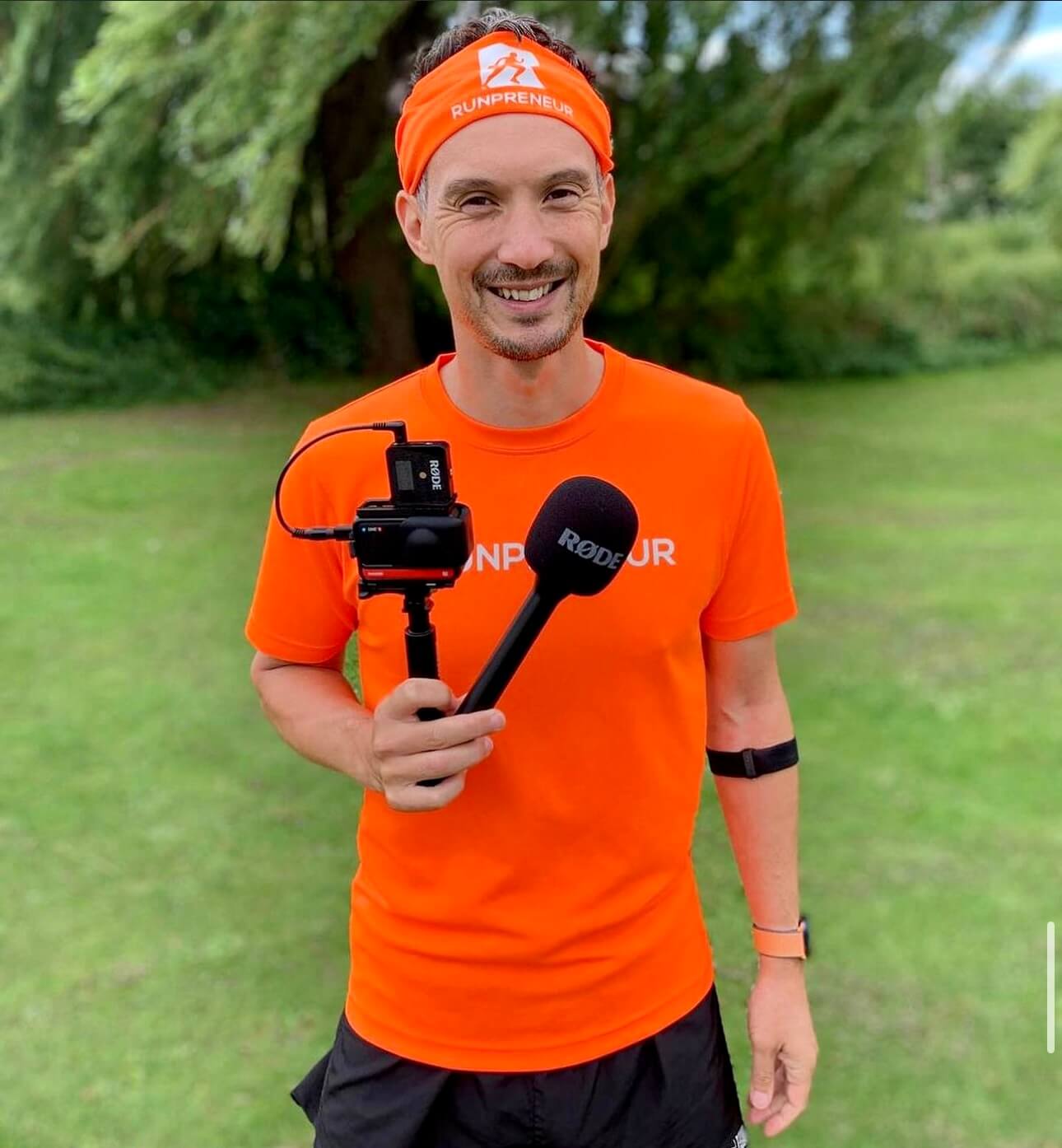
Kevin's 40,075km Challenge: Raising £1 Million for Children
Meet Kevin, a dedicated Runpreneur who embarked on an extraordinary journey to raise £1 million for children in need. Over the course of his 40,075km challenge, Kevin's unwavering determination and passion inspired thousands to join the Runpreneur movement.
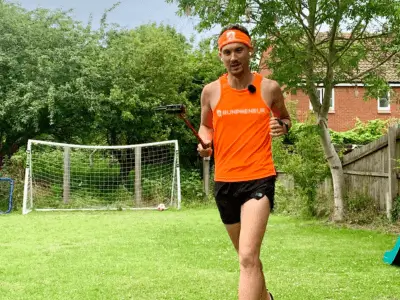
Runpreneur Vlogging: Capturing Kevin's Journey
Experience the Runpreneur challenge through the lens of Kevin's video diary. Witness his ups and downs, the camaraderie of the community, and the transformative power of running for a cause. Dive into the visual stories that capture the essence of the Runpreneur movement.

Empowering Children, One Step at a Time
As Kevin logged every kilometre of his 40,075km challenge, the true purpose behind his journey came into focus. Each step, each bead of sweat, fuelled essential healthcare, education, and nutrition programs for children in need around the world.
The Transformative 4x4x48 Challenge
Experience the thrill and personal growth of our iconic 48-hour running event. Witness the determination and resilience of Runpreneurs as they push their limits, one mile at a time.
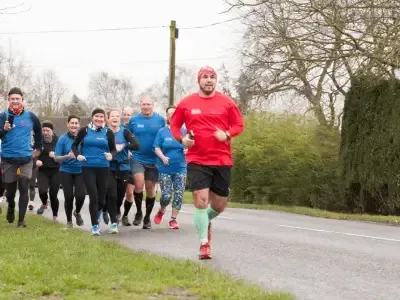
Runpreneur Vlogging: Capturing the Journey
Dive into the visual stories of our Runpreneurs as they document their experiences through engaging video logs. Witness the challenges, triumphs, and moments of camaraderie that define the Runpreneur spirit.
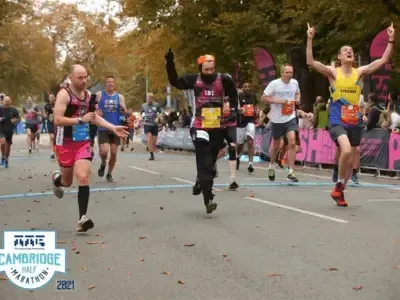
Becoming a Runpreneur: Join the Movement
Learn how you can become a Runpreneur and be part of this global community. Discover the steps to sign up, complete the challenge, and share your journey, all while making a lasting difference.
Connect With Us:



















I am on a mission to raise £1,000,000 for children's causes by daily run-vlogging barefoot-style, covering the total distance of a lap around the world—40,075 km.