
Runpreneur Journey Blog
Embark on an extraordinary journey with the Runpreneur community. Discover inspiring stories, insider tips, and the transformative power of our global challenge. From first-time runners to seasoned athletes, our blog captures the essence of the Runpreneur movement, inspiring others to join the cause.
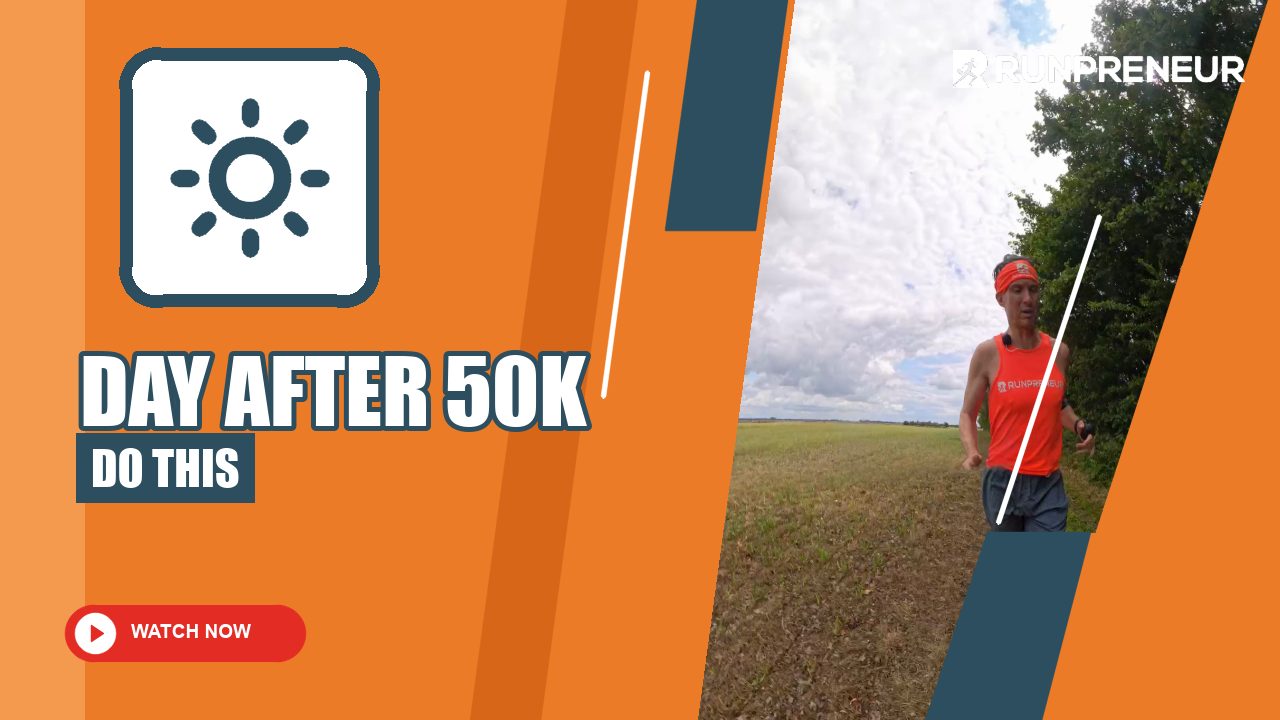
Ultra Marathon Recovery Run: What Day 1,841 of My Running Streak Taught Me About Running the Day After a 50km Race
Most ultra runners do not have to think about running the day after their race. I do not have that option.
Day 1,841. That is where I sit in a running streak aimed at covering 40,075km, the equivalent of one complete lap of the earth, done in barefoot-style footwear, one consecutive day at a time. As of today, 14,493.96km are behind me. 25,581.04km are still ahead. The streak does not pause for race day recovery. So here is what happened, what I did, and what I would tell any streak runner facing the same decision.
The first thing to know is this: if you are not on a running streak, do not do this.
That sentence is the most important one in this piece. An ultra marathon depletes your body across every system simultaneously. Glycogen reserves are gone. Muscles are fatigued and primed for damage. The immune system is suppressed. Mentally, you are operating on very little. Most experienced endurance athletes take several days, sometimes a full week, after a marathon or ultra before they go out again. That is not weakness. That is wisdom.
But if you are on a streak, you are going out regardless. The question becomes how.
How I structured the ultra to protect the day after
The race was a 24-hour format built around 5km loops. I completed 10 loops, spacing each one with roughly two to three hours of rest between efforts. My schedule ran noon, 3pm, 6pm, 9pm, midnight. I deliberately ran the final loop at midnight.
On a running streak, the maximum rest window between two calendar days comes from finishing one run shortly after midnight, then not going out again until late the following evening. In theory, that gives close to 47 hours. By finishing at midnight, I gave myself around 36 hours before heading out for day 1,841. That is more rest than I typically get, and it mattered.
I also did not push hard during the race. Completion was the objective, not performance. My legs were sore coming out of it, but functional.
What the run after an ultra marathon actually feels like
Even without significant muscle damage, the fatigue from 50km goes deeper than the legs. There is a cumulative toll on joints, on energy systems, on focus, that is difficult to describe until you have been there. Things feel heavier than they should. Your body is communicating something, and the instinct to override it is precisely what gets streak runners into trouble.
I headed out for what I describe as a leg loosening run. No pace target, no distance target beyond the streak minimum. I was moving at around 6 minutes 30 seconds per kilometre, which for me is genuinely slow. And even at that pace, I kept reminding myself: if this feels slow, it is probably not slow enough.
The purpose of this run is not training. It is not fitness maintenance. It is basic recovery physiology. Low-intensity movement gets oxygenated blood circulating through fatigued muscles and joints, supporting the repair process rather than interrupting it.
I chose an off-road route for the additional reason that softer ground reduces impact on joints that have already been loaded heavily. On a day like this, small choices compound.
What streak runners consistently get wrong
I have watched this pattern too many times. Someone finishes a race, they feel the achievement, and they go out the next morning at something close to normal pace. They are not listening to their body. And because deeply fatigued muscles are prone to tearing, the injury risk on that day is real. The kind of injury that ends a streak.
A running streak is not about daily intensity. It is about daily consistency stretched across years and decades. The run that matters most is not the race. It is not the long run or the personal best. The run that matters most is the one you are still doing in ten years, and then twenty. Protecting yourself on the low-stakes days is what makes the high-stakes days possible.
The day after an ultra is a low-stakes day. Your job is to protect the streak, not build on it. Those are separate objectives, and understanding the difference shapes every decision from the moment you lace up.
Nutrition and hydration are part of this
The run is one component. What surrounds it is the other. After an ultra, glycogen stores are severely depleted. Hydration is compromised. The immune system needs time and fuel to return to normal function. Going out for a recovery run without addressing nutrition and hydration around it puts you in a worse position than staying still.
Eat properly after the event. Hydrate thoroughly. Sleep as much as the schedule allows. The recovery run is the final stage of a process that started at the finish line of the race, not a separate obligation layered on top.
The mission keeps me accountable to all of this
14,493.96km completed. 25,581.04km remaining. Those numbers represent a long-term commitment to raising £1M for children's causes, including Great Ormond Street Hospital and BBC Children in Need. Every day I run keeps the mission visible. Every person who watches this content brings the fundraising target closer.
A serious injury from reckless running on a recovery day would not hurt me alone. It would pause the mission. The children this journey supports deserve better than impatience on a Tuesday morning.
So on every day after an ultra, or a marathon, or any endurance event: slow down before you think you need to. The streak is built on longevity, not bravado. Protect the run, protect the mission, and get back out tomorrow.
Watch the full episode: https://youtu.be/swbVHC_yCY8
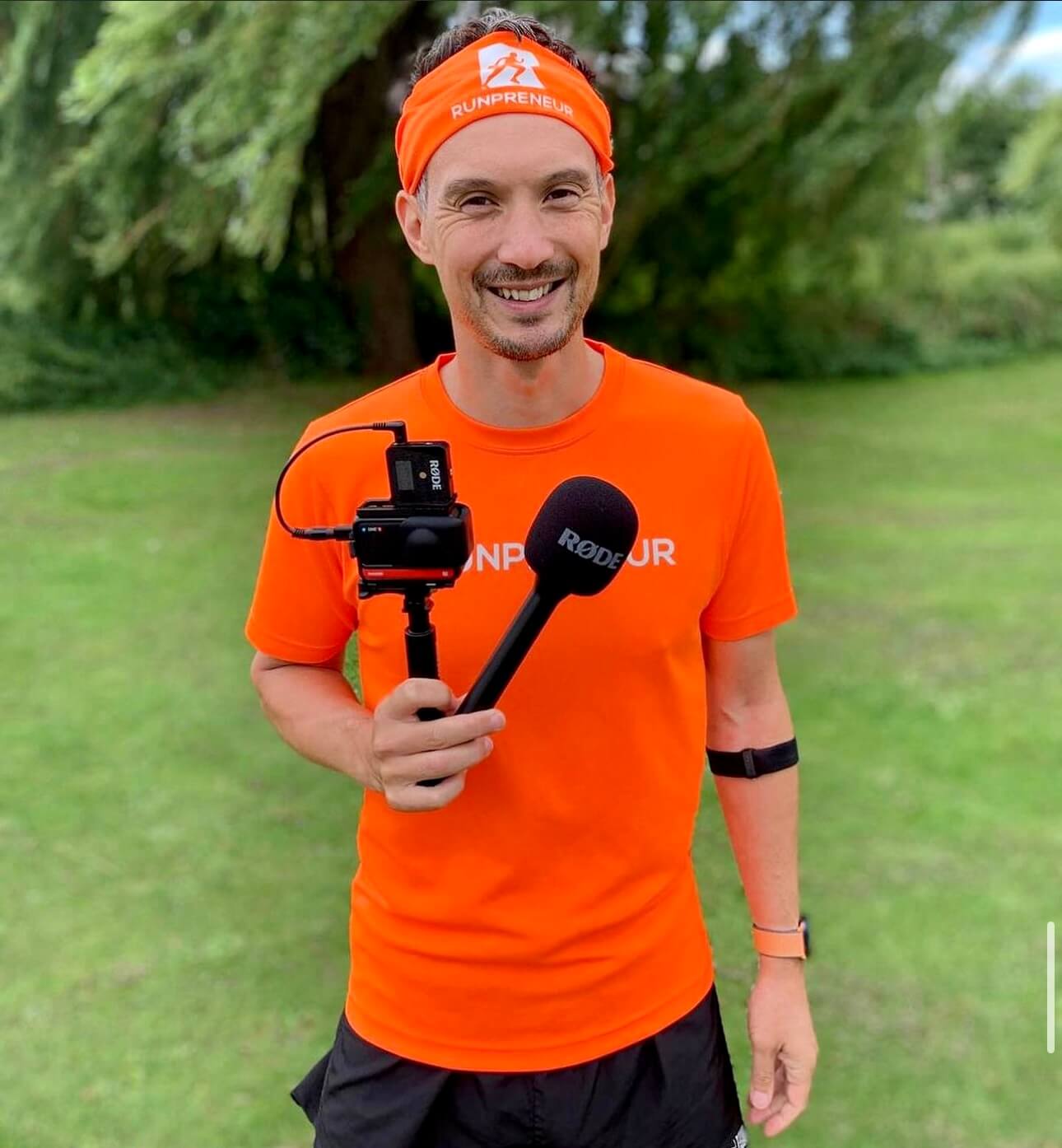
Kevin's 40,075km Challenge: Raising £1 Million for Children
Meet Kevin, a dedicated Runpreneur who embarked on an extraordinary journey to raise £1 million for children in need. Over the course of his 40,075km challenge, Kevin's unwavering determination and passion inspired thousands to join the Runpreneur movement.
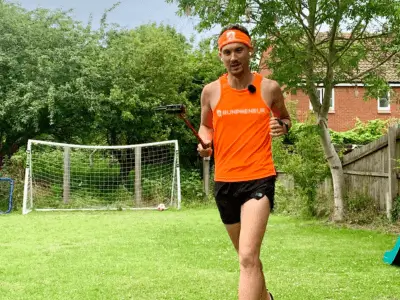
Runpreneur Vlogging: Capturing Kevin's Journey
Experience the Runpreneur challenge through the lens of Kevin's video diary. Witness his ups and downs, the camaraderie of the community, and the transformative power of running for a cause. Dive into the visual stories that capture the essence of the Runpreneur movement.

Empowering Children, One Step at a Time
As Kevin logged every kilometre of his 40,075km challenge, the true purpose behind his journey came into focus. Each step, each bead of sweat, fuelled essential healthcare, education, and nutrition programs for children in need around the world.
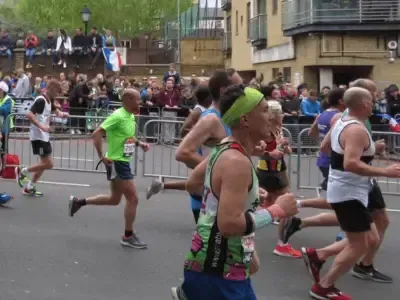
The Transformative 4x4x48 Challenge
Experience the thrill and personal growth of our iconic 48-hour running event. Witness the determination and resilience of Runpreneurs as they push their limits, one mile at a time.
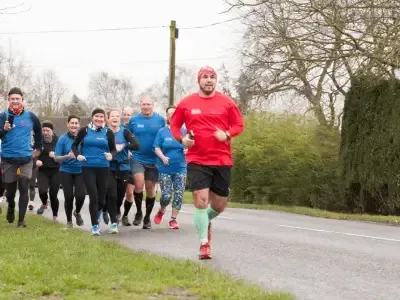
Runpreneur Vlogging: Capturing the Journey
Dive into the visual stories of our Runpreneurs as they document their experiences through engaging video logs. Witness the challenges, triumphs, and moments of camaraderie that define the Runpreneur spirit.
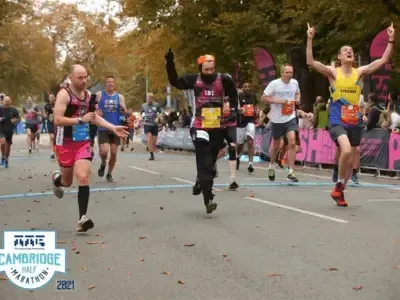
Becoming a Runpreneur: Join the Movement
Learn how you can become a Runpreneur and be part of this global community. Discover the steps to sign up, complete the challenge, and share your journey, all while making a lasting difference.
Connect With Us:



















I am on a mission to raise £1,000,000 for children's causes by daily run-vlogging barefoot-style, covering the total distance of a lap around the world—40,075 km.