
Runpreneur Journey Blog
Embark on an extraordinary journey with the Runpreneur community. Discover inspiring stories, insider tips, and the transformative power of our global challenge. From first-time runners to seasoned athletes, our blog captures the essence of the Runpreneur movement, inspiring others to join the cause.
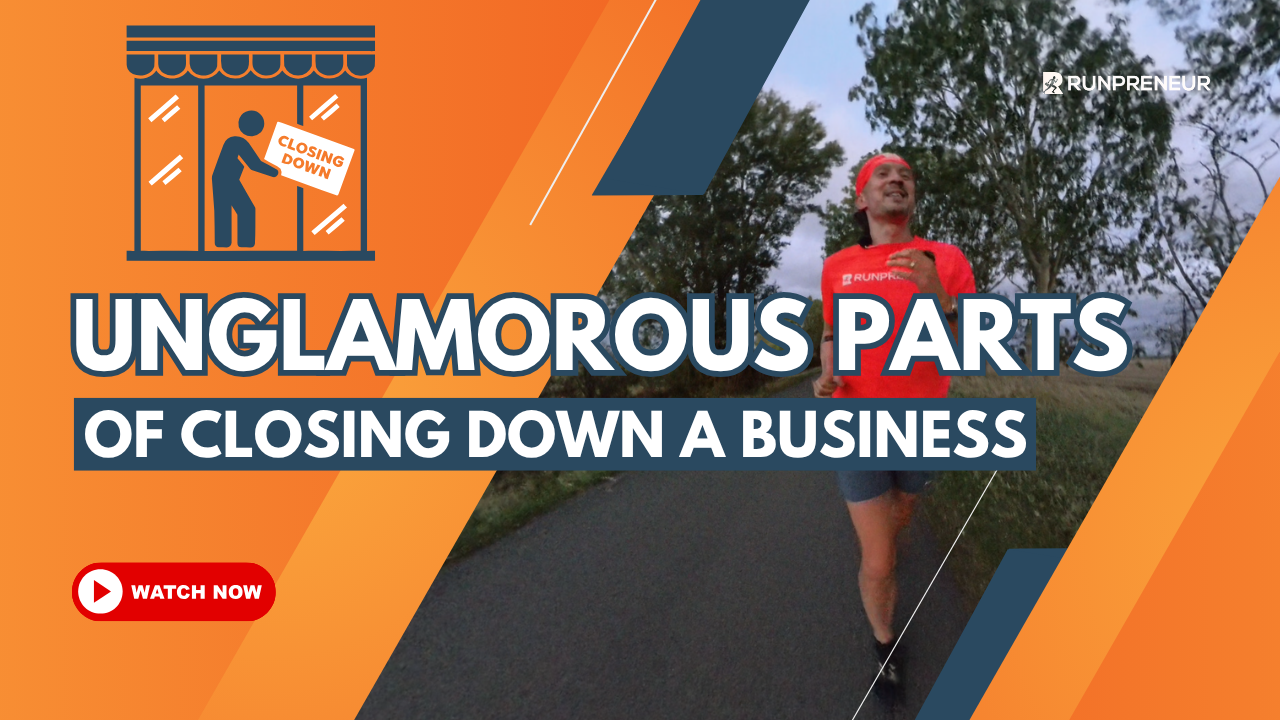
The Unglamorous Reality of Closing a Business - Lessons from Day 1953
The Unglamorous Reality of Closing a Business - Lessons from Day 1953
Day 1953 of my barefoot running streak brought more than just kilometres. While my feet covered another 10km toward my 40,075km goal, my mind wrestled with the harsh realities of shutting down a failed business venture.
Today I spent hours clearing out our cafe premises, selling equipment for fractions of its value, and handling the administrative nightmare that comes with closing a physical business. It's unglamorous, exhausting, and frankly demoralising. Every item I carried out was a visual reminder of a decision that went wrong.
This isn't my first business failure, but it's my first physical one. Previous ventures were online or service-based - when they ended, there were no coffee machines to dispose of, no neighbours asking "what happened to the cafe?" The physical nature of this closure makes every step of the process feel more personal, more public, more painful.
What I've learned cuts to the core of decision-making under pressure. The cafe venture was emotional from the start. We saw a beloved local spot close and thought we could save it. I partnered with someone experienced in hospitality, convinced ourselves we were the solution the community needed.
The warning signs were obvious in hindsight. Five previous cafes had failed in that exact location. When we opened, there was one competitor within six miles. By the time we closed, five competitors operated in the same radius, but the customer base hadn't grown proportionally. Basic maths should have told us the story.
Yet I pushed forward, driven by what Keith Cunningham calls "chimp mind" thinking - emotional, reactive decisions rather than analytical human reasoning. Cunningham, the inspiration behind Rich Dad Poor Dad's "Rich Dad" character, writes about avoiding "stupid tax" in his book The Road Less Stupid. I paid mine in multiple four figures.
The learning isn't just financial. Closing a business properly requires enormous time and energy. Managing creditors, suppliers, administrative obligations - all while running other ventures and maintaining my daily mission. It's a stark reminder that every business decision carries compound consequences.
What struck me most was how quickly we moved from initial idea to signed lease. In the entrepreneurial world, we often celebrate rapid decision-making. Richard Branson's famous advice to "say yes to opportunities and figure out the rest later" sounds inspiring, but it assumes infrastructure and resources most micro-entrepreneurs don't possess.
For someone running a small operation, that approach can be devastating. Without teams to handle implementation, without buffers to absorb failures, hasty decisions compound into serious problems. The romantic notion of the risk-taking entrepreneur needs balancing with cold analysis of facts and figures.
This experience reinforces why I value consistency over intensity in every aspect of life. My daily running streak, now approaching 20,000km, succeeds because it's built on sustainable, repeatable actions rather than dramatic gestures. The same principle applies to business - better to pass on exciting opportunities than rush into ventures that haven't been properly evaluated.
The unglamorous truth about business failure is that it's exactly that - unglamorous. No inspiring comeback story, no silver lining that makes it worthwhile. Just hard work, financial loss, and the determination not to repeat the same mistakes.
But there's value in experiencing this darkness. It reinforces the importance of thorough analysis, creates healthy skepticism about future opportunities, and builds resilience for inevitable challenges ahead. Every entrepreneur needs to understand what failure looks like, feels like, costs like.
As I continue toward my 40,075km target and £1 million fundraising goal for children's causes, this lesson in decision-making becomes part of the journey. The mission itself succeeds because it's built on daily discipline rather than grand gestures. Consistency compounds - in running, in business, in impact.
The cafe chapter closes painfully, but it's taught me to value thinking time over quick action, evidence over emotion, and sustainable progress over dramatic leaps. These lessons will serve the mission well as I continue putting one foot in front of the other, day after day, kilometer after kilometer.
Tomorrow brings day 1954, another 10km closer to the goal, another opportunity to demonstrate that real achievement comes through consistency, not excitement. The unglamorous daily work continues.
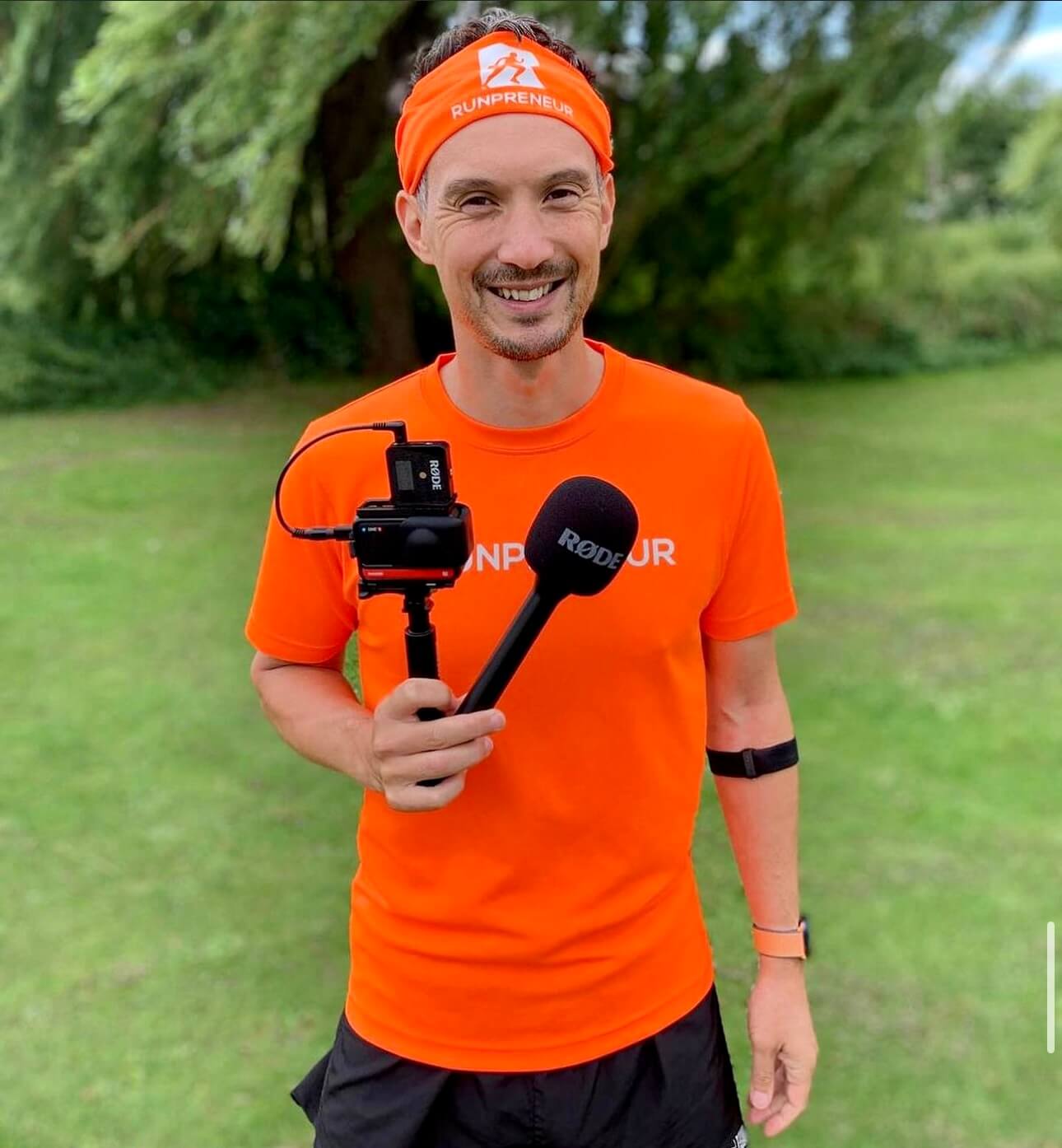
Kevin's 40,075km Challenge: Raising £1 Million for Children
Meet Kevin, a dedicated Runpreneur who embarked on an extraordinary journey to raise £1 million for children in need. Over the course of his 40,075km challenge, Kevin's unwavering determination and passion inspired thousands to join the Runpreneur movement.
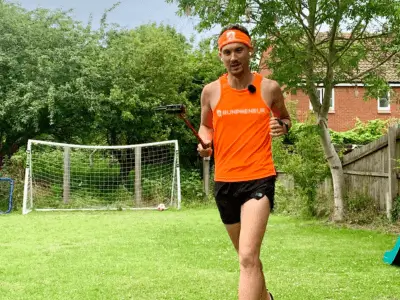
Runpreneur Vlogging: Capturing Kevin's Journey
Experience the Runpreneur challenge through the lens of Kevin's video diary. Witness his ups and downs, the camaraderie of the community, and the transformative power of running for a cause. Dive into the visual stories that capture the essence of the Runpreneur movement.

Empowering Children, One Step at a Time
As Kevin logged every kilometre of his 40,075km challenge, the true purpose behind his journey came into focus. Each step, each bead of sweat, fuelled essential healthcare, education, and nutrition programs for children in need around the world.
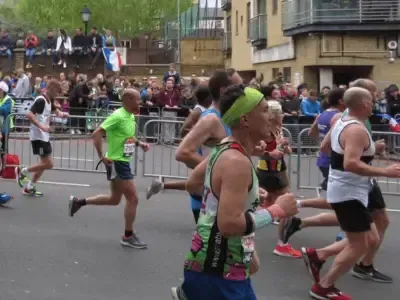
The Transformative 4x4x48 Challenge
Experience the thrill and personal growth of our iconic 48-hour running event. Witness the determination and resilience of Runpreneurs as they push their limits, one mile at a time.
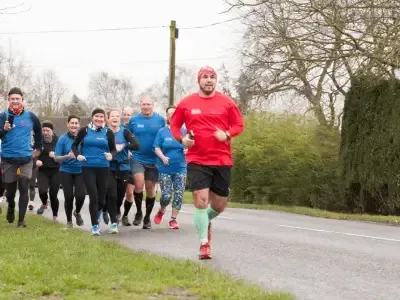
Runpreneur Vlogging: Capturing the Journey
Dive into the visual stories of our Runpreneurs as they document their experiences through engaging video logs. Witness the challenges, triumphs, and moments of camaraderie that define the Runpreneur spirit.
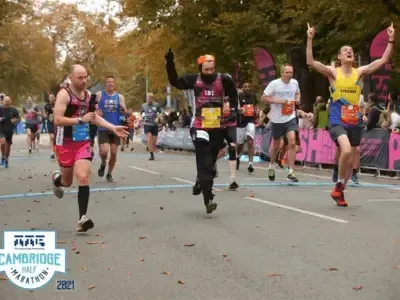
Becoming a Runpreneur: Join the Movement
Learn how you can become a Runpreneur and be part of this global community. Discover the steps to sign up, complete the challenge, and share your journey, all while making a lasting difference.
Connect With Us:



















I am on a mission to raise £1,000,000 for children's causes by daily run-vlogging barefoot-style, covering the total distance of a lap around the world—40,075 km.