
Runpreneur Journey Blog
Embark on an extraordinary journey with the Runpreneur community. Discover inspiring stories, insider tips, and the transformative power of our global challenge. From first-time runners to seasoned athletes, our blog captures the essence of the Runpreneur movement, inspiring others to join the cause.
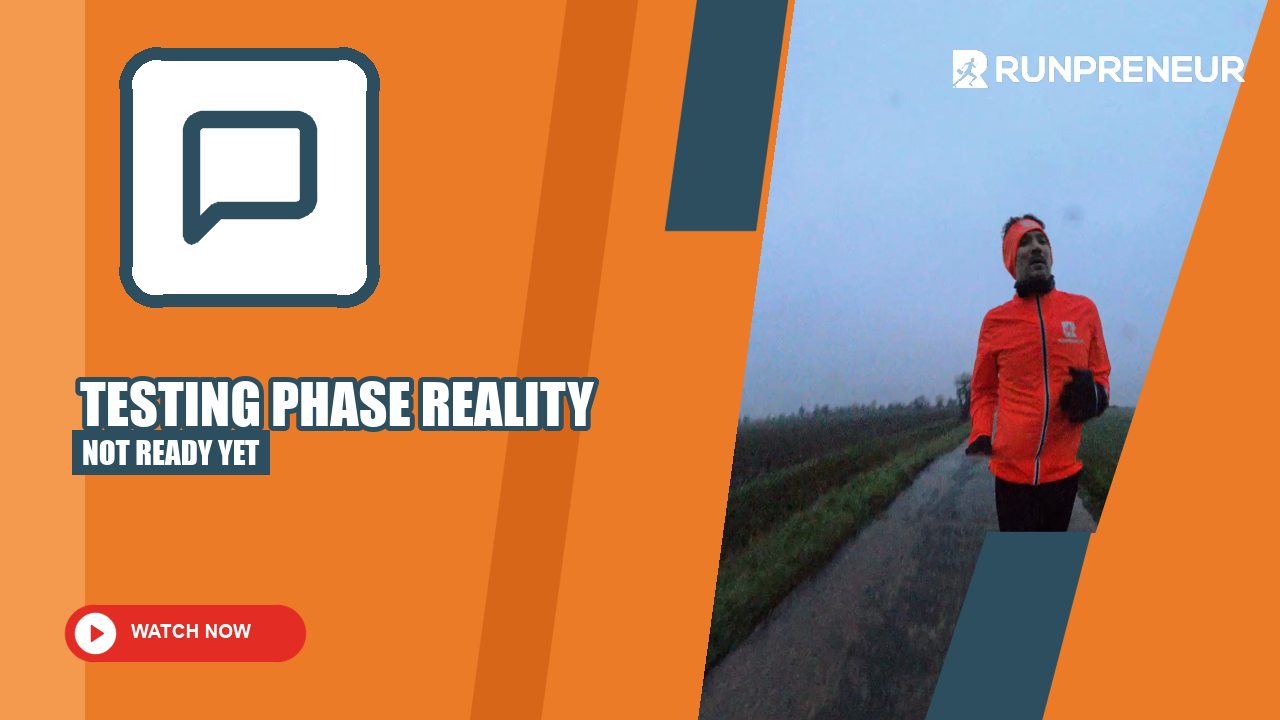
Testing Phase Reality: Why My Product Launch Ran Nine Months Late
Testing phase work has taught me more about patience than any other part of building a business. Today marks day 2074 of my daily barefoot-style running streak, and I have covered 16,003.55km toward a lap of the world, with 24,071.45km left to run. This vlog stays a diary. Today's entry is about the gap between what I planned for Operations Director and what actually happened during the testing phase.
We are six to nine months behind our original launch date for Operations Director, the business operating system I have built to help small businesses manage people, systems, and financial performance. We planned to launch months ago. We are still testing.
I want to explain why, because the lesson applies to anyone building a product or service, not just me.
Early on, I followed the advice most successful founders give: launch sooner rather than later, get a minimum viable product in front of real clients, and improve on the fly. I agree with that advice. We ran a soft beta launch, took on a small number of test clients, and gathered feedback. The feedback was useful. It was also far more extensive than I expected.
That feedback did not say "this is close to finished, a few tweaks needed." The feedback pointed to structural gaps across the product. Areas that needed rebuilding, not adjusting. Features that needed rethinking from the ground up. The scale of what came back meant we could not simply patch the product while live clients used it. We had to pull pieces apart, rebuild them properly, and put the product back together in a way that would hold up.
This is the part founders rarely plan for. We build a financial forecast, we set a launch date, we tell ourselves we are ready. Then real client feedback arrives and shows how far the gap runs between "working" and "ready." Rigorous testing does not just polish a product. Rigorous testing can knock a launch back by months, sometimes longer.
I faced a choice at that point, and I think every founder in this position faces the same one.
Option one: keep trading through the rebuild. Keep client-facing while the product changes underneath them, accept that client satisfaction dips while essential fixes get made, and iterate in public.
Option two: pause, focus the team fully on the essential fixes, and only bring the product back to market once the core is solid. Then keep improving the smaller, non-essential pieces after relaunch.
We chose the second path. We paused. We are targeting the beginning of March for relaunch, though I will not pretend that date is locked in. Testing phase timelines slip, and I would rather be honest about that than promise a date I cannot guarantee.
The lesson I keep coming back to is this: testing is not a formality you tick off before launch. Testing is the process that tells you the truth about your product, and the truth is rarely flattering. If you launch a concept, a minimum viable version, or a low-cost pilot to gather feedback, prepare yourself for feedback that identifies far more than you expected. Prepare for the possibility that fixing what surfaces takes weeks, months, or in our case, the best part of a year.
And prepare financially. If your forecast assumes a launch date that slips by six to nine months, and you have a team drawing salaries through that period, the cash reserves you set aside need to stretch further than you first budgeted. This has been one of the sharper lessons for me personally. The testing phase does not just cost time. The testing phase costs money, and underestimating that cost puts real pressure on a business.
None of this means the advice to launch early is wrong. Getting a concept in front of real people fast remains one of the best ways to learn what a product needs to become. What I would add, from where I am standing today, is a second piece of advice: budget generously for what comes after that first feedback. Assume the rebuild will run longer than you hope. Build your cash runway around that assumption, not around the optimistic version of events.
Running this streak every day has taught me something similar. Progress rarely runs in a straight line. Some days the distance comes easily. Other days conditions slow me down and I still show up, because consistency matters more than any single day's pace. Building Operations Director through this testing phase has felt the same. The launch date moved. The commitment to get the product right did not.
This vlog exists to fund something bigger than a business launch. Every day I run barefoot-style toward 40,075km, the distance of a lap of the world, to raise £1M or more for children's causes, including Great Ormond Street Hospital and BBC Children in Need. The more people who watch, share, and follow this streak, the more we raise, and the more children's lives we can support. That mission is why I keep showing up daily, on the run and in business, testing phase or not.
If you are building a product or service right now and feedback is showing you more work than you expected, know that the extra time is rarely wasted. Take the testing phase seriously. Budget for it properly. And if this reflection has been useful to you, follow along with the rest of this journey, on the road and in business.
Watch the full episode: https://youtu.be/prXjSYKZ0YE
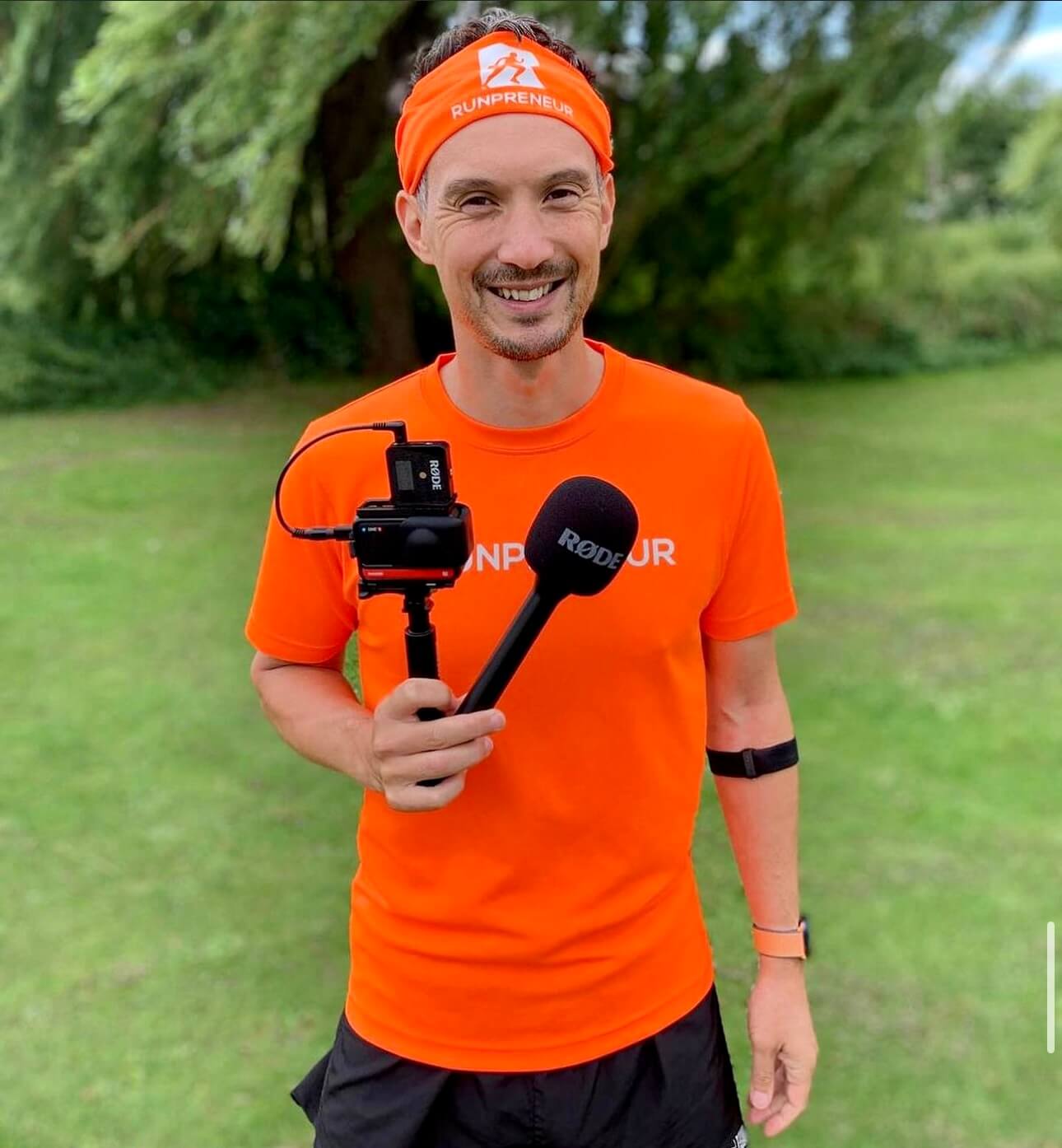
Kevin's 40,075km Challenge: Raising £1 Million for Children
Meet Kevin, a dedicated Runpreneur who embarked on an extraordinary journey to raise £1 million for children in need. Over the course of his 40,075km challenge, Kevin's unwavering determination and passion inspired thousands to join the Runpreneur movement.
Runpreneur Vlogging: Capturing Kevin's Journey
Experience the Runpreneur challenge through the lens of Kevin's video diary. Witness his ups and downs, the camaraderie of the community, and the transformative power of running for a cause. Dive into the visual stories that capture the essence of the Runpreneur movement.

Empowering Children, One Step at a Time
As Kevin logged every kilometre of his 40,075km challenge, the true purpose behind his journey came into focus. Each step, each bead of sweat, fuelled essential healthcare, education, and nutrition programs for children in need around the world.
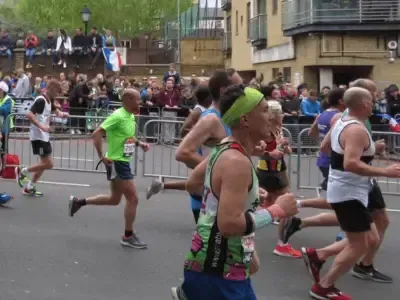
The Transformative 4x4x48 Challenge
Experience the thrill and personal growth of our iconic 48-hour running event. Witness the determination and resilience of Runpreneurs as they push their limits, one mile at a time.
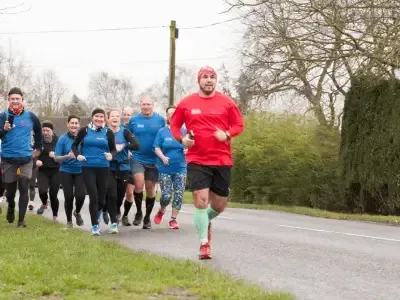
Runpreneur Vlogging: Capturing the Journey
Dive into the visual stories of our Runpreneurs as they document their experiences through engaging video logs. Witness the challenges, triumphs, and moments of camaraderie that define the Runpreneur spirit.
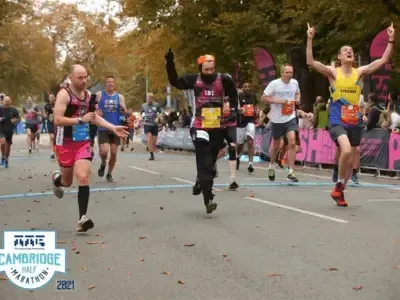
Becoming a Runpreneur: Join the Movement
Learn how you can become a Runpreneur and be part of this global community. Discover the steps to sign up, complete the challenge, and share your journey, all while making a lasting difference.
Connect With Us:

















I am on a mission to raise £1,000,000 for children's causes by daily run-vlogging barefoot-style, covering the total distance of a lap around the world—40,075 km.