
Runpreneur Journey Blog
Embark on an extraordinary journey with the Runpreneur community. Discover inspiring stories, insider tips, and the transformative power of our global challenge. From first-time runners to seasoned athletes, our blog captures the essence of the Runpreneur movement, inspiring others to join the cause.
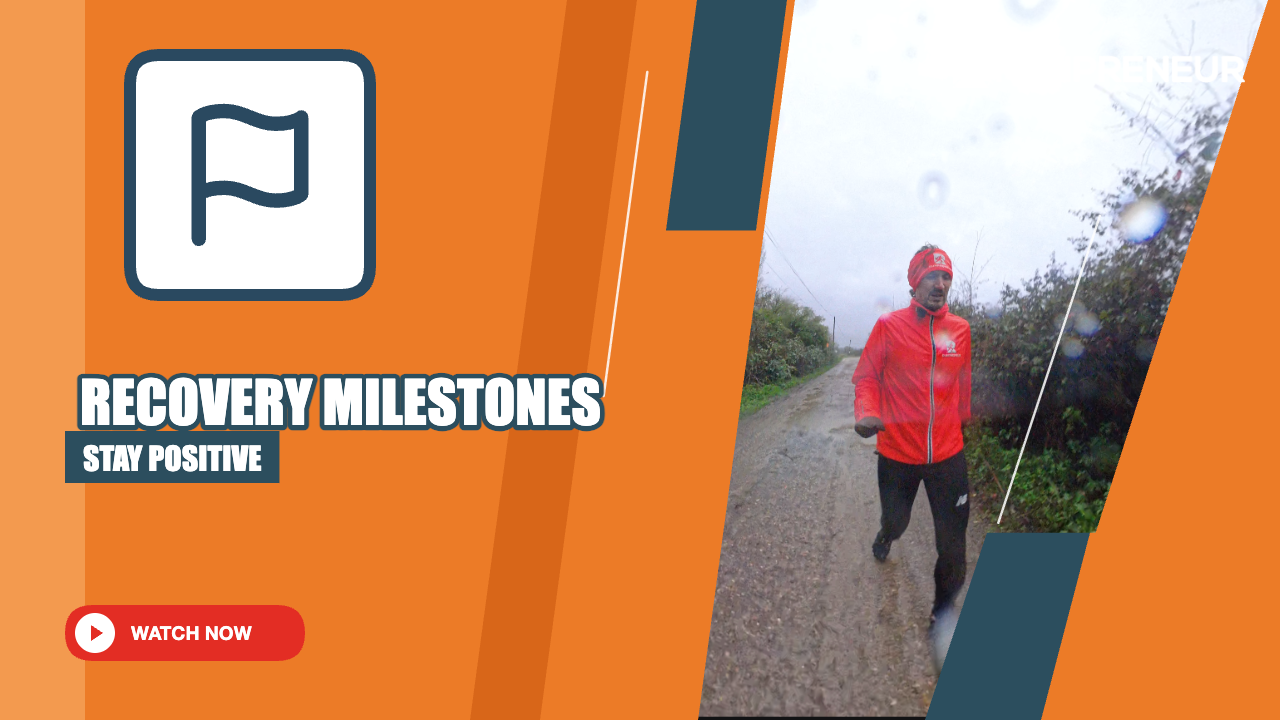
Setting Recovery Milestones: How Small Targets Keep You Moving Forward During Injury
Setting Recovery Milestones: How Small Targets Keep You Moving Forward During Injury
Day 1994. The number feels significant as I reflect on it today - nearly 2000 consecutive days of running. But right now, I'm not running the way I want to be. I'm recovering from what might be the most challenging injury I've faced in years, and it's teaching me something crucial about the power of setting recovery milestones.
This morning's run was a mixture of limited jogging and power walking. Six months ago, this would have frustrated me beyond measure. Today, it represents progress. The difference isn't just physical - it's mental. I've learned to set injury recovery milestones, and they're keeping me sane.
When I first got injured, I could have easily fallen into the trap I see so many people fall into. You know the pattern: injury strikes, motivation disappears, healthy habits crumble, and suddenly you're in a downward spiral of poor eating, inactivity, and self-pity. It's a vicious cycle that can derail not just your physical recovery, but your entire mindset.
Instead, I've set myself a specific milestone: by day 2000 of my streak - just six days away - I want to be able to jog the entire route without walking breaks. It's ambitious, maybe even unrealistic given where I am today. But that's not the point.
The real power isn't in whether I hit the target perfectly. It's in having the target at all.
Setting recovery milestones does three crucial things. First, it forces you to visualise your recovery actively. Instead of dwelling on what you can't do, you're constantly thinking about what you will be able to do. This mental shift is everything when you're dealing with injury setbacks.
Second, it gives you something concrete to work towards each day. When I wake up and my body reminds me I'm not at full strength, I don't see a broken runner. I see someone six days away from a significant milestone. That reframes the entire day's approach to training and recovery.
Third, it keeps you proactive instead of reactive. Without milestones, injury recovery becomes about managing pain and limitation. With them, it becomes about progression and possibility.
The milestone approach has been essential to maintaining my streak through this injury. At 19,940 kilometres into my 40,075km mission - a full lap of the world's circumference - every single day matters. I can't afford to lose momentum, physically or mentally. The children's causes I'm supporting through this journey depend on consistency, not perfection.
What strikes me most is how applicable this is beyond running injuries. Whether you're recovering from illness, dealing with a career setback, or working through any challenging period, having specific, time-bound recovery milestones changes everything. It's the difference between hoping things get better and actively working towards making them better.
My recovery milestones aren't just about returning to full running capacity. They're about proving to myself that setbacks don't define the journey - how you respond to them does. Each small increment of progress, each day I can jog a little further or walk with a little less pain, becomes evidence that the system works.
The beauty of this approach is that it works whether you hit your targets or not. If I reach day 2000 and I'm not quite jogging the full route, I haven't failed. I've learned exactly where I am, and I can set the next milestone accordingly. The process itself is the victory.
This injury has reminded me why I started this mission in the first place. It wasn't about being the fastest or the strongest runner. It was about showing up consistently, day after day, regardless of circumstances. Some days that means running 10 kilometres at pace. Other days it means power walking while implementing small increments of jogging, exactly as recommended by my medical team.
Both versions count. Both move me closer to 40,075 kilometres. Both contribute to raising £1 million for children's causes. Both demonstrate that consistency trumps intensity when you're thinking in terms of 16.5 years.
As I write this, I'm thinking about everyone else who might be struggling with their own recovery journey. Whether it's physical injury, mental health challenges, or any other setback, the principle remains the same: set milestones, stay proactive, keep moving forward.
The milestone mentality has become central to everything I do, not just injury recovery. In business, in relationships, in fundraising - having specific, achievable targets with clear timeframes creates momentum even when progress feels slow.
Six days to day 2000. Regardless of whether I hit my jogging milestone perfectly, I'll be there. Because showing up consistently, milestone by milestone, is how you cover 40,075 kilometres. It's how you raise £1 million for children who need it most. And it's how you prove that setbacks are just temporary detours on a much longer journey.
The lesson from today is simple: when you're down, don't just hope to get better. Set specific milestones for getting better, and work towards them daily. Your future self will thank you for the clarity and purpose it provides.
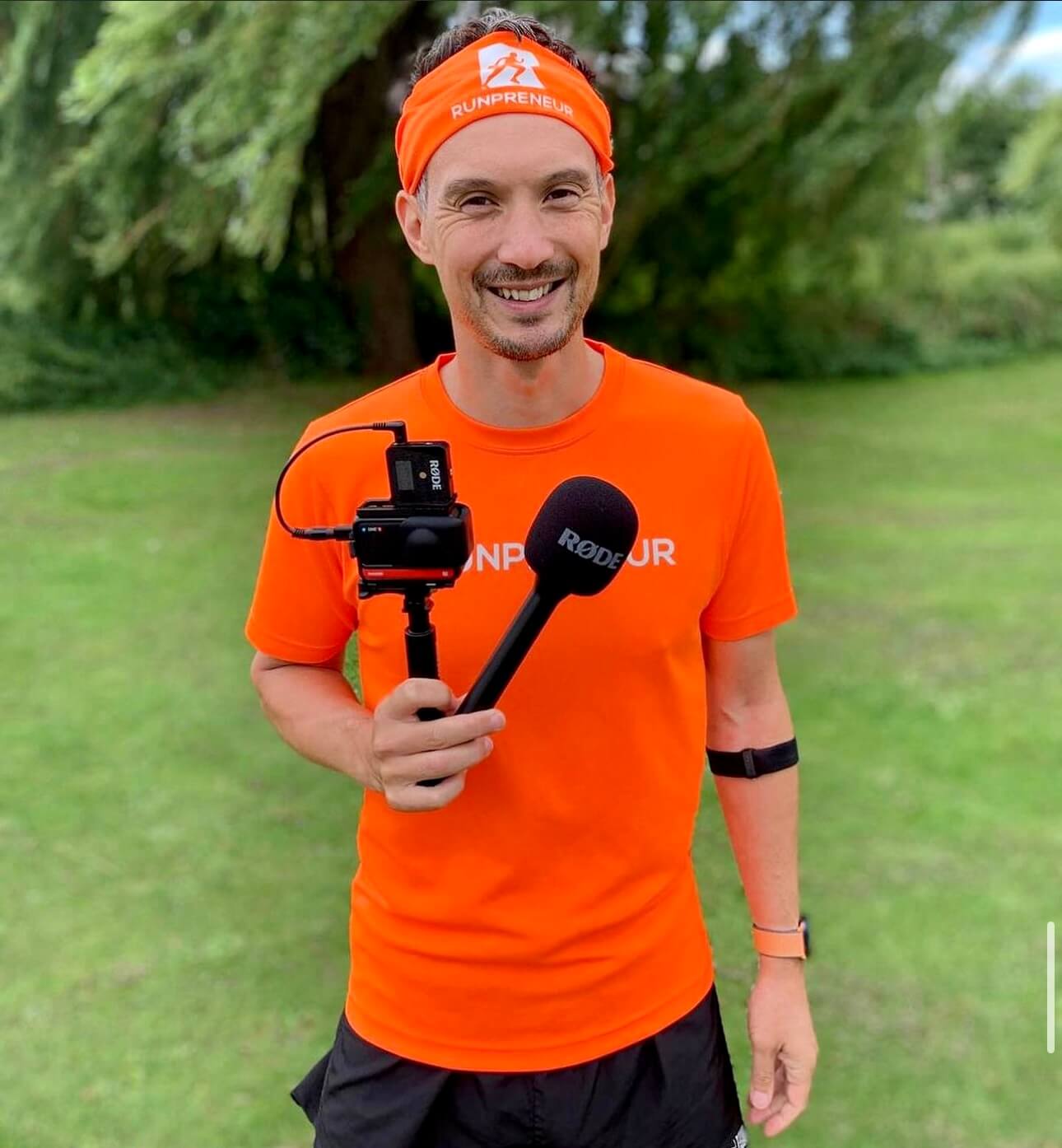
Kevin's 40,075km Challenge: Raising £1 Million for Children
Meet Kevin, a dedicated Runpreneur who embarked on an extraordinary journey to raise £1 million for children in need. Over the course of his 40,075km challenge, Kevin's unwavering determination and passion inspired thousands to join the Runpreneur movement.
Runpreneur Vlogging: Capturing Kevin's Journey
Experience the Runpreneur challenge through the lens of Kevin's video diary. Witness his ups and downs, the camaraderie of the community, and the transformative power of running for a cause. Dive into the visual stories that capture the essence of the Runpreneur movement.

Empowering Children, One Step at a Time
As Kevin logged every kilometre of his 40,075km challenge, the true purpose behind his journey came into focus. Each step, each bead of sweat, fuelled essential healthcare, education, and nutrition programs for children in need around the world.

The Transformative 4x4x48 Challenge
Experience the thrill and personal growth of our iconic 48-hour running event. Witness the determination and resilience of Runpreneurs as they push their limits, one mile at a time.
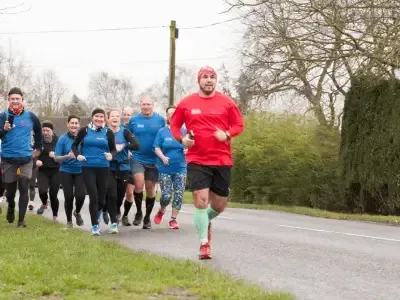
Runpreneur Vlogging: Capturing the Journey
Dive into the visual stories of our Runpreneurs as they document their experiences through engaging video logs. Witness the challenges, triumphs, and moments of camaraderie that define the Runpreneur spirit.
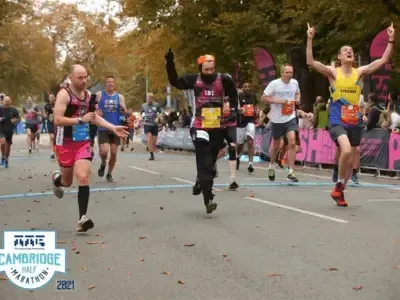
Becoming a Runpreneur: Join the Movement
Learn how you can become a Runpreneur and be part of this global community. Discover the steps to sign up, complete the challenge, and share your journey, all while making a lasting difference.
Connect With Us:



















I am on a mission to raise £1,000,000 for children's causes by daily run-vlogging barefoot-style, covering the total distance of a lap around the world—40,075 km.