
Runpreneur Journey Blog
Embark on an extraordinary journey with the Runpreneur community. Discover inspiring stories, insider tips, and the transformative power of our global challenge. From first-time runners to seasoned athletes, our blog captures the essence of the Runpreneur movement, inspiring others to join the cause.
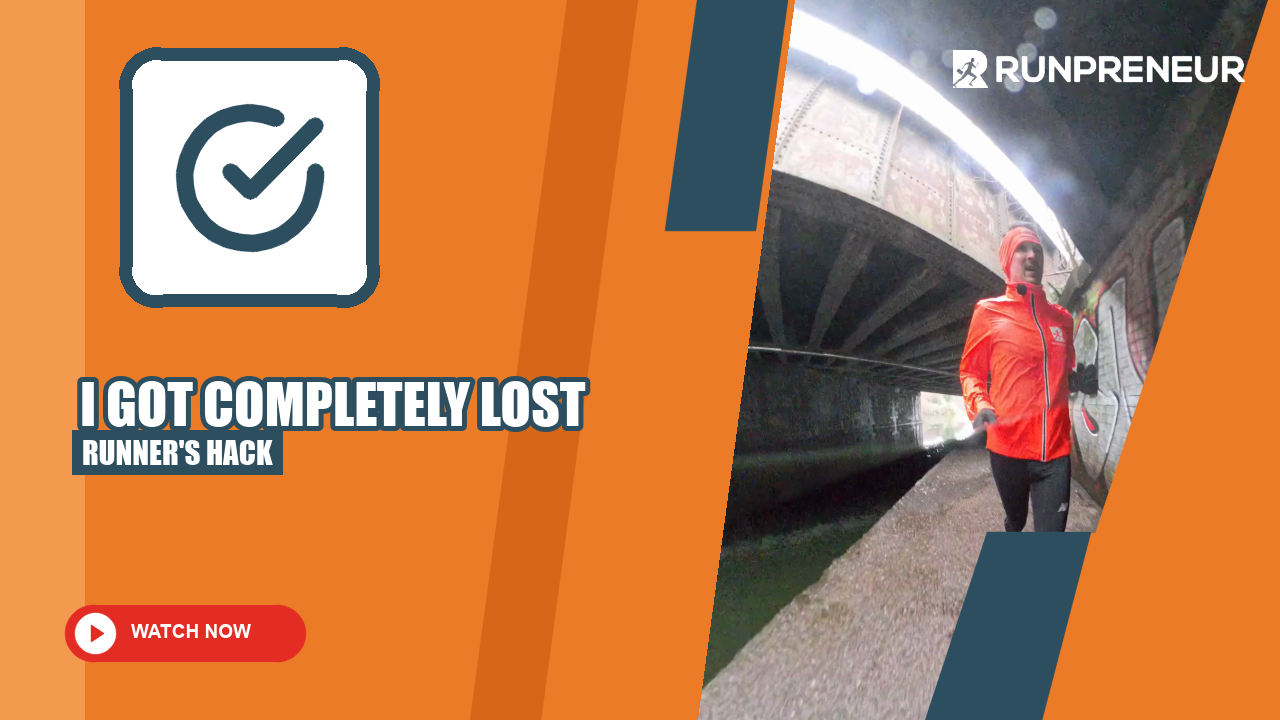
Running Routes In Unfamiliar Towns: The Canal Hack I Should Have Used In Burnley
Yesterday I sank thigh-deep into a bog in the hills above Burnley. Today, running through Bootle in Liverpool, I went back to a method for finding running routes in unfamiliar towns that I should have reached for the day before. This is the lesson.
On day 2076 I mapped a route on Footpath before heading out into the hills near Burnley, up in the Pennines. The app showed solid paths, the legend looked fine, and I set off without checking Strava's heatmap first, which in hindsight was the mistake. What the app couldn't show me was the recent weather. Weeks of heavy rain had turned decent hill paths into marshland. Halfway round, keeping half an eye on a field in case a bull on heat took issue with my bright orange kit, I crossed a stretch of ground between two fields that looked like a farm track. The surface gave way beneath me, and I dropped thigh-deep into sludge, thick as a milkshake, holding me for close to a minute before I worked my legs free enough to climb out. I had GPS. I knew roughly where I stood. But alone in open farmland with mud past my thigh, those were an uneasy few minutes.
Today, running somewhere else I don't know well, I fell back on a method I've used before and should have used in Burnley: find the waterway. Most towns and cities have a canal or a river running through them, built originally for water supply or drainage, and nearly every one has a footpath running alongside. Flat, straight, few surprises underfoot. When running somewhere unfamiliar, that predictability matters more than scenery.
There's a trade-off worth naming honestly. Canal paths turn unsafe after dark in some areas, and bridges or underpasses sometimes shelter people sleeping rough. In daylight, with someone aware of the route, these paths are usually fine. A woman running alone should think twice about using them after hours, and a man running solo should stay alert too. In a group, in daylight, canal paths work well. Wet or grey weather helps too, oddly enough, because fewer people are out, and the path stays clear.
The bigger lesson from Burnley sits in the planning stage, before a single step gets run. Footpath told me the terrain type. It didn't tell me what recent weather had done to that terrain. Strava's heatmap would have shown me which routes other runners had covered recently and how often, and a well-worn line on that map tells you something a static route legend never will: real feet have crossed this ground and survived. Checking both apps now, side by side, before choosing a route in a new place, costs two extra minutes and saves a genuinely bad afternoon.
I think about resilience a lot on this streak, and yesterday reframed what that word means for me. Resilience isn't only about running through fatigue or bad weather. Sometimes it's about the fifteen seconds of properly panicking, thigh-deep in mud, working out whether to push forward or pull back, and choosing the calmer option even when your instinct says fight. I pulled steadily rather than thrashing. That single decision, made under a bit of pressure, got me out cleaner and faster than panic would have.
Day 2077 today. Roughly 16,022 kilometres covered since this streak began, with 24,053 kilometres left before I complete a full lap of the world in barefoot-style shoes. The mud in Burnley didn't stop the mission, and neither has rain, cold mornings, or the odd territorial bull over the years. What keeps a 16-and-a-half-year vision like this moving isn't a single big effort. It's showing up daily, filming the routes that go well and the ones that don't, because every person who watches moves the fundraiser a little closer to £1 million for Great Ormond Street and BBC Children in Need.
If you're a runner heading somewhere new, keep the canal hack in your back pocket, alongside a proper look at Strava before you trust any app's legend on its own. Follow along if this channel is new to you, share this post with a runner planning a trip somewhere unfamiliar, and if you're in a position to support the mission, every pound raised goes toward children who need help far more than I needed dry socks yesterday.
Watch the full episode: https://youtu.be/yg1SNiY-UxE
Kevin's 40,075km Challenge: Raising £1 Million for Children
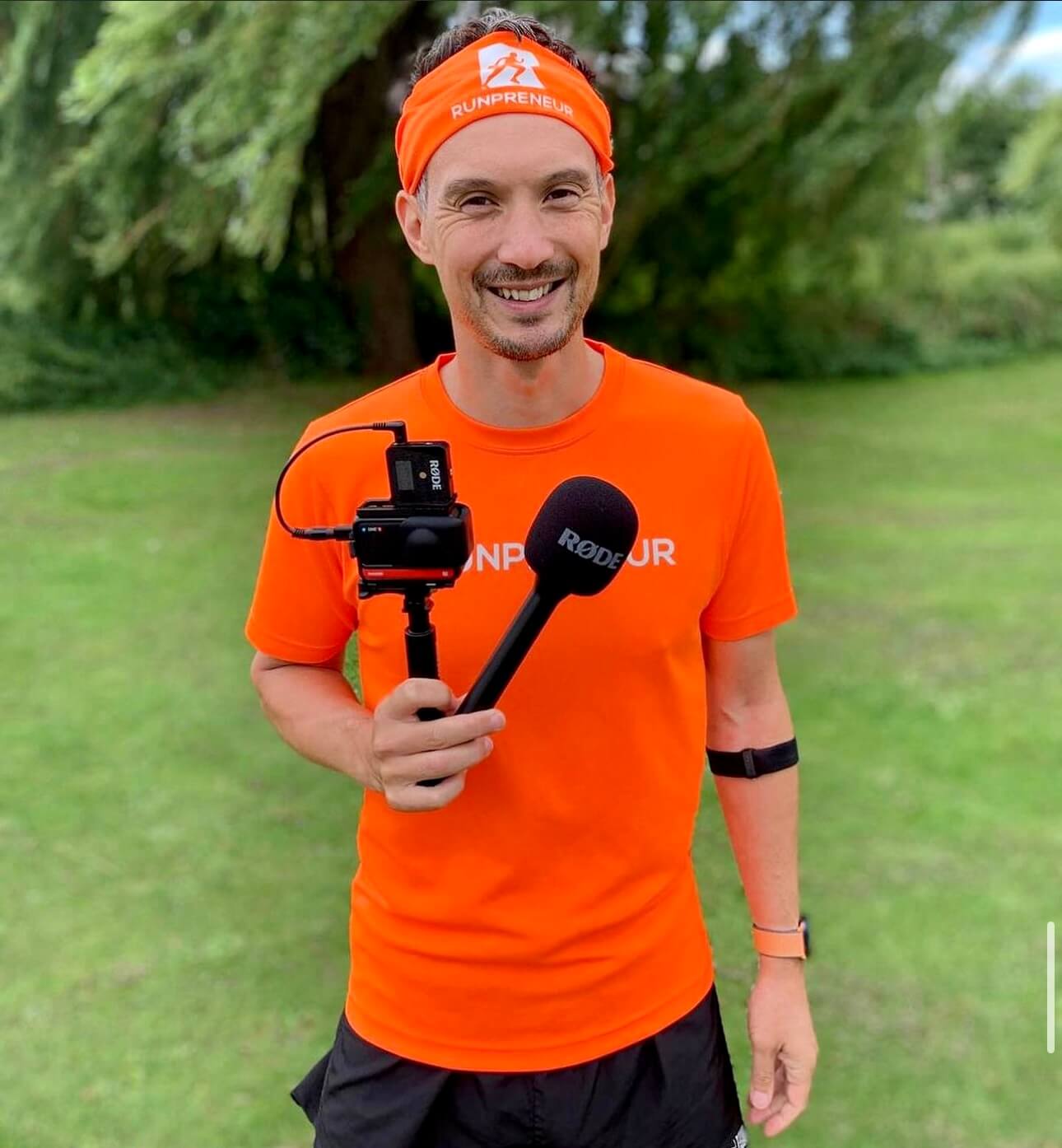
Meet Kevin, a dedicated Runpreneur who embarked on an extraordinary journey to raise £1 million for children in need. Over the course of his 40,075km challenge, Kevin's unwavering determination and passion inspired thousands to join the Runpreneur movement.
Runpreneur Vlogging: Capturing Kevin's Journey
Experience the Runpreneur challenge through the lens of Kevin's video diary. Witness his ups and downs, the camaraderie of the community, and the transformative power of running for a cause. Dive into the visual stories that capture the essence of the Runpreneur movement.
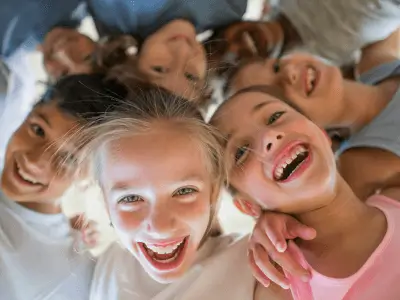
Empowering Children, One Step at a Time
As Kevin logged every kilometre of his 40,075km challenge, the true purpose behind his journey came into focus. Each step, each bead of sweat, fuelled essential healthcare, education, and nutrition programs for children in need around the world.
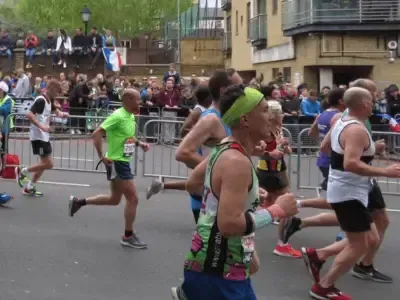
The Transformative 4x4x48 Challenge
Experience the thrill and personal growth of our iconic 48-hour running event. Witness the determination and resilience of Runpreneurs as they push their limits, one mile at a time.
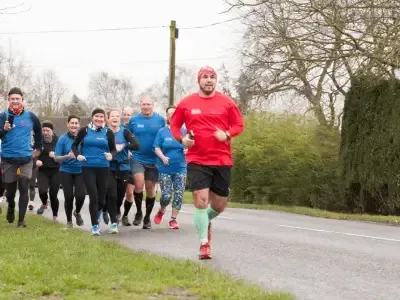
Runpreneur Vlogging: Capturing the Journey
Dive into the visual stories of our Runpreneurs as they document their experiences through engaging video logs. Witness the challenges, triumphs, and moments of camaraderie that define the Runpreneur spirit.
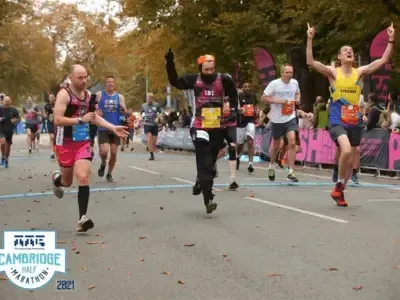
Becoming a Runpreneur: Join the Movement
Learn how you can become a Runpreneur and be part of this global community. Discover the steps to sign up, complete the challenge, and share your journey, all while making a lasting difference.
Connect With Us:



















I am on a mission to raise £1,000,000 for children's causes by daily run-vlogging barefoot-style, covering the total distance of a lap around the world—40,075 km.