
Runpreneur Journey Blog
Embark on an extraordinary journey with the Runpreneur community. Discover inspiring stories, insider tips, and the transformative power of our global challenge. From first-time runners to seasoned athletes, our blog captures the essence of the Runpreneur movement, inspiring others to join the cause.
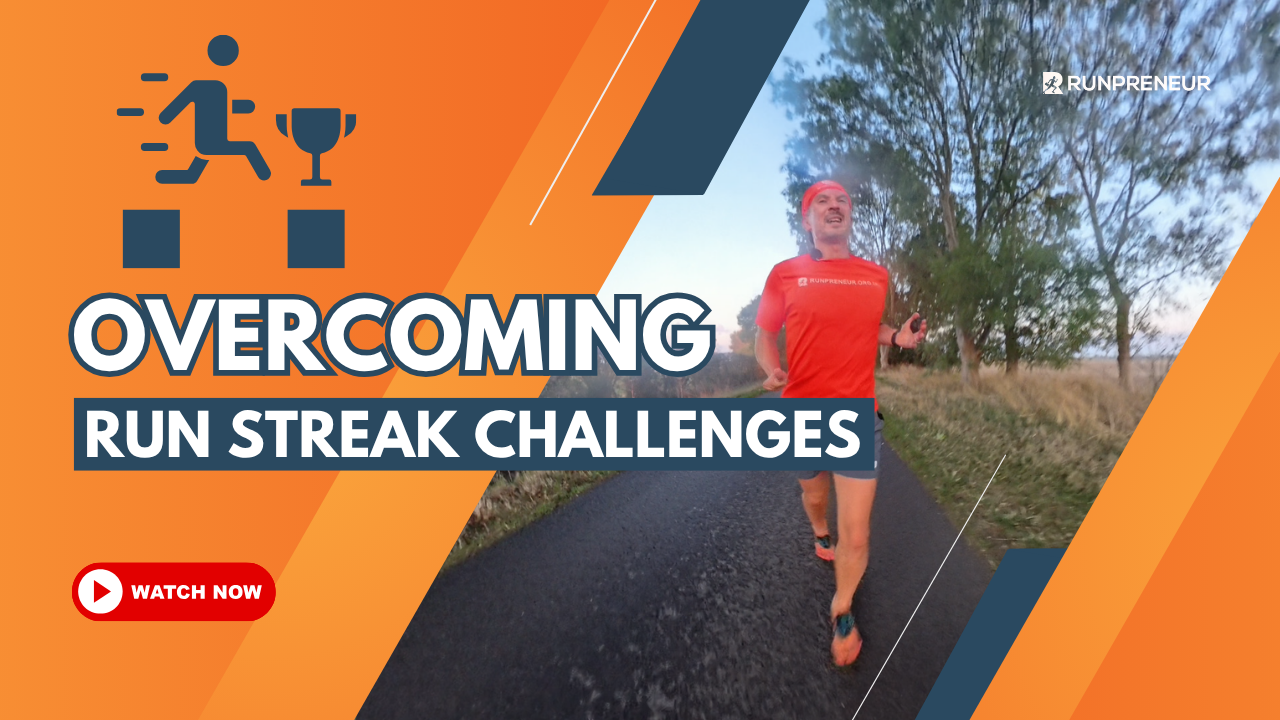
The Reality of Running Streak Challenges: What Day 1952 Taught Me
The Reality of Running Streak Challenges: What Day 1952 Taught Me
Today was one of those days that tests everything you think you know about consistency. Day 1952 of my daily barefoot-style running streak, and I found myself seven kilometres from home, absolutely exhausted after refereeing two football matches, with the temperature dropping and wind picking up.
The reality of maintaining a running streak isn't what people imagine. There's no Hollywood montage of perfect sunrise runs through scenic countryside. Instead, there are days like today where you've already covered nearly 20,000 steps refereeing your children's football matches, stuffed down a couple of sandwiches between games, watched Cambridge United win 3-1 at a birthday party, and then realised you still haven't completed your actual run for the day.
This is the unglamorous side of chasing 40,075 kilometres – a lap of the world – while raising over £1 million for children's causes. The days when your legs feel like lead, your energy is completely depleted, and the last thing you want to do is put one foot in front of the other.
But here's what I've learned over these 1,952 consecutive days: the challenging days are where the real growth happens. Not the easy runs when motivation is high and conditions are perfect, but the brutal ones when everything inside you wants to quit.
The science backs this up. Research shows that after 66-67 consecutive repetitions of any behaviour, it becomes what psychologists call a "reinforced habit." This means the internal debate about whether to run today simply disappears. You still feel tired, reluctant, or unmotivated – those emotions remain completely valid – but the underlying doubt about whether the run will happen vanishes.
I'm well past that 67-day threshold, sitting at day 1,952 with approximately 19,520 kilometres completed on this mission. The acceptance that today's run will happen exists beneath all the surface-level resistance. Even when I'm running home in deteriorating weather conditions after what amounts to nearly a half-marathon's worth of steps from refereeing, there's no question mark hanging over whether I'll complete today's distance.
This is crucial for anyone considering starting a running streak or currently struggling through those first challenging months. The failure rate during those initial 66 days is high precisely because that doubt still exists. Every difficult day becomes a negotiation with yourself about whether today might be the day you break the chain.
The key to overcoming challenging days isn't motivation or willpower – it's realistic expectations combined with systematic habit formation. When you understand that brutal days are inevitable, not exceptional, you stop being surprised by them. When your child has football matches at staggered times requiring you to referee both, when travel plans change last minute, when weather turns nasty, when work demands extend late into the evening – these aren't streak-breaking emergencies, they're predictable challenges that require practical solutions.
Today's solution was getting dropped off seven kilometres from home and running back in the wind. Not ideal conditions, not my preferred time of day, and definitely not how I felt like spending my energy after an already demanding day. But the run happened because the habit is stronger than the resistance.
This mindset shift has applications far beyond running. In business, in relationships, in any long-term goal worth pursuing, there will be days when conditions are terrible and motivation is absent. The people who succeed aren't those who avoid these days – they're the ones who expect them and have systems in place to push through regardless.
For my mission of reaching 40,075 kilometres while raising funds for Great Ormond Street and BBC Children in Need, days like today are essential data points. They remind me that consistency isn't about perfection or optimal conditions. It's about showing up when showing up is difficult, because that's precisely when showing up matters most.
The children these funds will support don't have the luxury of waiting for perfect days. Their needs are consistent regardless of weather, fatigue, or convenience. That perspective makes my temporary discomfort seem remarkably manageable.
As I write this, having completed those final kilometres home, I'm reminded why this daily commitment extends beyond personal achievement. Every challenging day overcome is another step closer to that £1 million target, another day of content that might reach someone who needs to see that consistency is possible even when it's difficult.
Tomorrow will be day 1,953. There's no guarantee it will be easier than today, but there's absolute certainty that it will happen. That's the power of a reinforced habit built through embracing, rather than avoiding, the challenging days.
The mission continues: one day, one run, one child's life potentially saved at a time.
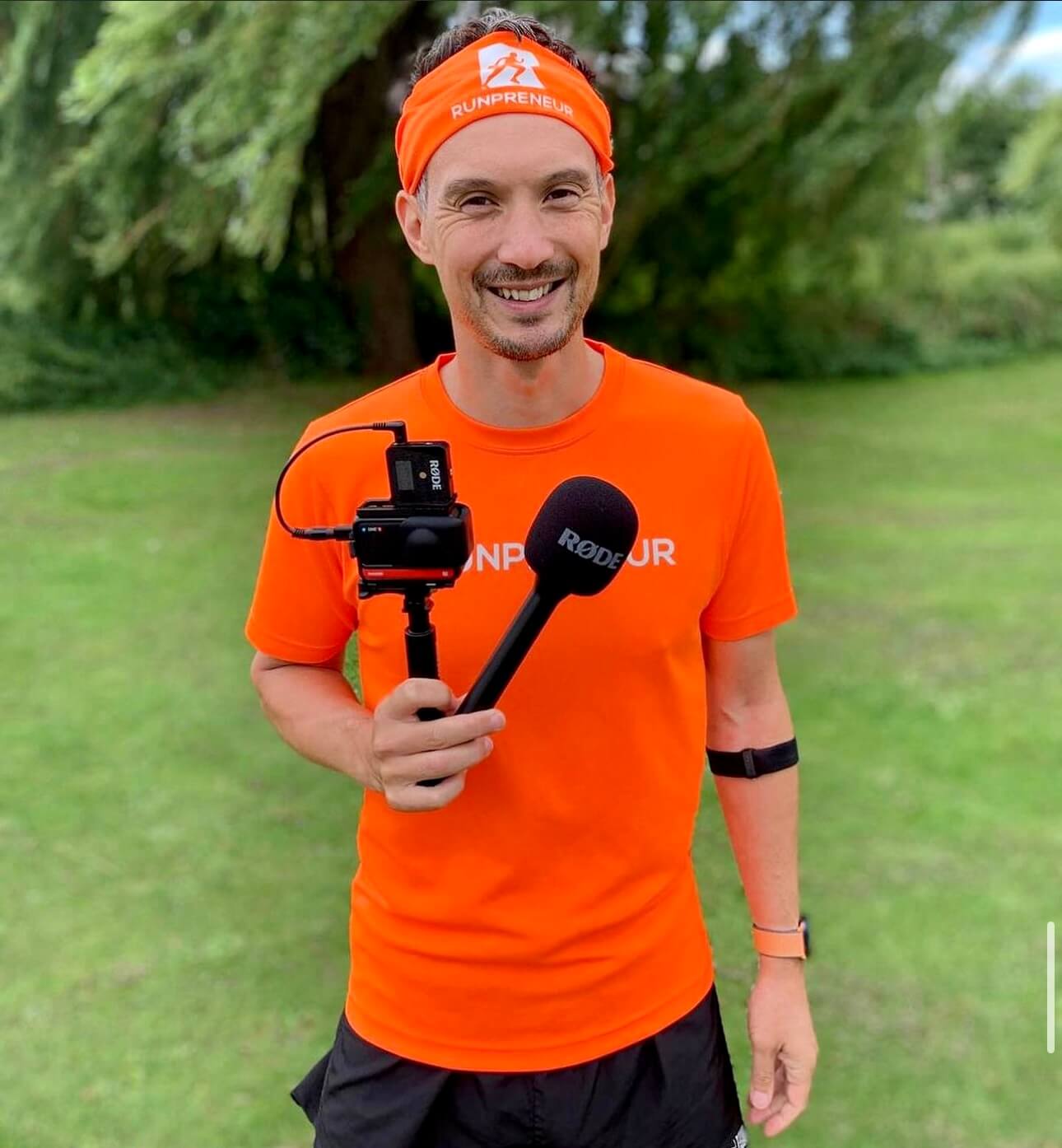
Kevin's 40,075km Challenge: Raising £1 Million for Children
Meet Kevin, a dedicated Runpreneur who embarked on an extraordinary journey to raise £1 million for children in need. Over the course of his 40,075km challenge, Kevin's unwavering determination and passion inspired thousands to join the Runpreneur movement.
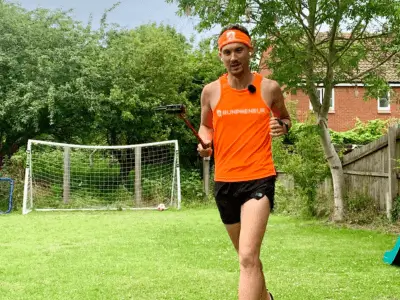
Runpreneur Vlogging: Capturing Kevin's Journey
Experience the Runpreneur challenge through the lens of Kevin's video diary. Witness his ups and downs, the camaraderie of the community, and the transformative power of running for a cause. Dive into the visual stories that capture the essence of the Runpreneur movement.

Empowering Children, One Step at a Time
As Kevin logged every kilometre of his 40,075km challenge, the true purpose behind his journey came into focus. Each step, each bead of sweat, fuelled essential healthcare, education, and nutrition programs for children in need around the world.

The Transformative 4x4x48 Challenge
Experience the thrill and personal growth of our iconic 48-hour running event. Witness the determination and resilience of Runpreneurs as they push their limits, one mile at a time.
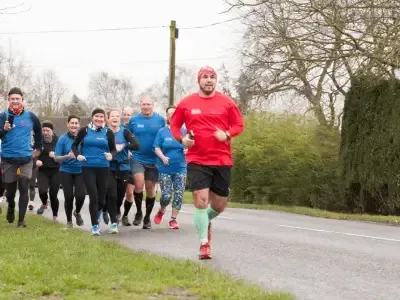
Runpreneur Vlogging: Capturing the Journey
Dive into the visual stories of our Runpreneurs as they document their experiences through engaging video logs. Witness the challenges, triumphs, and moments of camaraderie that define the Runpreneur spirit.
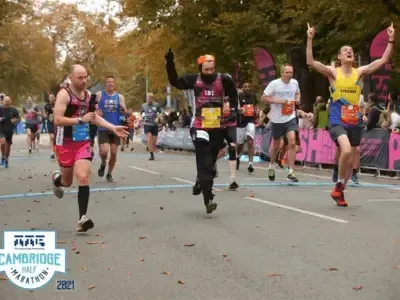
Becoming a Runpreneur: Join the Movement
Learn how you can become a Runpreneur and be part of this global community. Discover the steps to sign up, complete the challenge, and share your journey, all while making a lasting difference.
Connect With Us:



















I am on a mission to raise £1,000,000 for children's causes by daily run-vlogging barefoot-style, covering the total distance of a lap around the world—40,075 km.