
Runpreneur Journey Blog
Embark on an extraordinary journey with the Runpreneur community. Discover inspiring stories, insider tips, and the transformative power of our global challenge. From first-time runners to seasoned athletes, our blog captures the essence of the Runpreneur movement, inspiring others to join the cause.
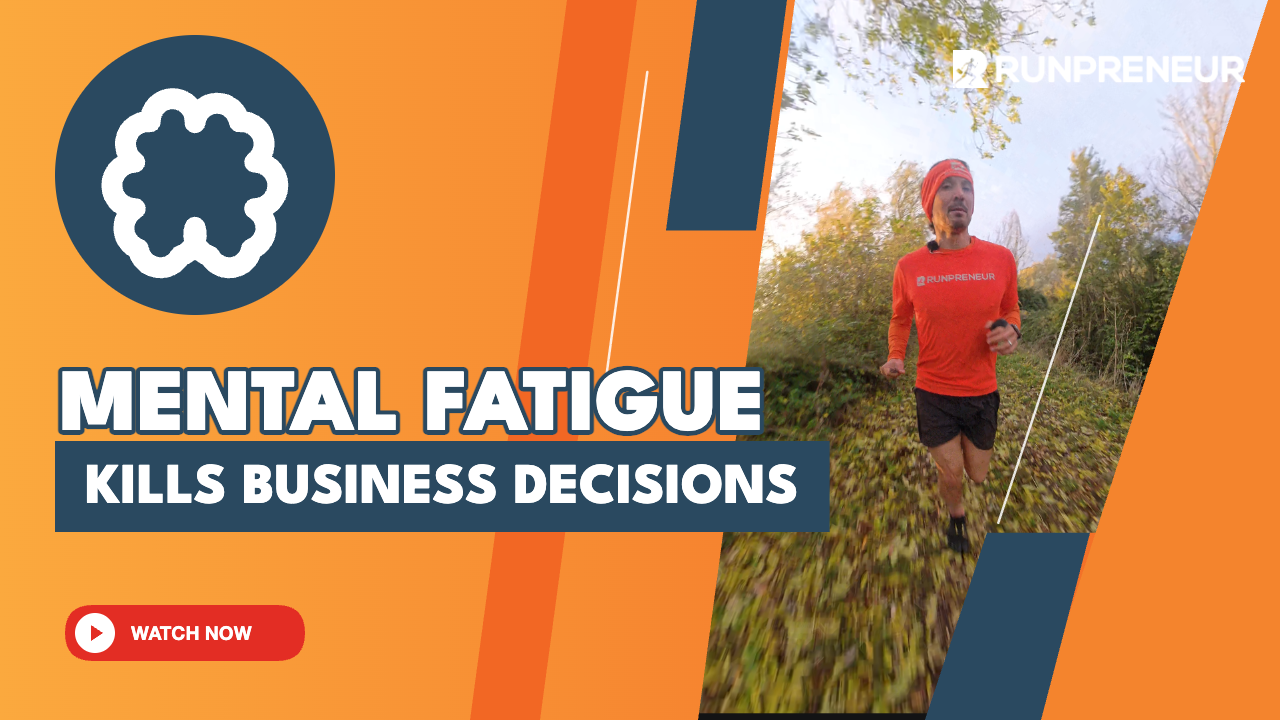
Mental Fatigue and Entrepreneurship: Why I Nearly Made a £50k Mistake
Mental Fatigue and Entrepreneurship: Why I Nearly Made a £50k Mistake
Today I nearly made what could have been a very expensive mistake. Not because I'm reckless or inexperienced, but because I was mentally fatigued and almost ignored the warning signs.
This morning marked day 1,972 of my daily barefoot running streak. After yesterday's property visit up north and a gruelling two-and-a-half-hour meeting this morning, I found myself drained. Not physically tired – I can handle that after nearly 2,000 consecutive days of running. This was different. This was mental fatigue, and it's the silent killer of good business decisions.
The property meeting went well, but it left me with several significant decisions to make. We're talking substantial financial commitments here – the kind that can make or break a deal. My instinct was to push through, get the decisions made, and move forward. After all, that's what entrepreneurs do, right? We power through.
Wrong.
Mental fatigue doesn't announce itself with fanfare. It creeps in quietly, making you think you're operating at full capacity when you're actually running on fumes. The scary part? You don't always realise it's happening. Your brain convinces you that you're thinking clearly, that you're making rational decisions based on all available information.
But you're not.
I've been running this entrepreneurial journey for years now, building Operations Director, managing property investments, and running Runpreneur alongside this daily streak mission. I've learned to recognise the signs. Today, despite having all the facts and figures in front of me, something felt off. The decisions felt forced, rushed, not quite right.
So I stopped.
I pulled out my AI mentor – a system I've built using insights from over thirty business books, including Keith Cunningham's "The Road Less Stupid." Cunningham, who's considered the original "Rich Dad" from Robert Kiyosaki's famous book, focuses heavily on avoiding what he calls "stupid tax" – the cost of poor decision-making.
The advice was clear: step back, take breathing space, don't make critical decisions when mentally compromised.
Here's what struck me most – the difference between making these decisions on a Friday afternoon versus Monday morning is minimal in real terms. But the quality of those decisions could be dramatically different. A weekend of recovery, proper sleep, and mental reset could mean the difference between a smart strategic move and an expensive mistake.
I contacted everyone expecting responses from me. "I'll be back in touch Monday morning," I told them. "I've had a hectic couple of days and want to give these decisions the attention they deserve."
Every single person was fine with that. In fact, several appreciated the honesty.
This experience reinforced something I've learned over 1,972 days of running: consistency isn't about never stopping, it's about knowing when to pace yourself. Just like I wouldn't attempt to run every day at sprint pace, I can't expect my decision-making capacity to operate at peak performance without proper management.
Mental fatigue is particularly dangerous for entrepreneurs because our entire business depends on the quality of our decisions. We're constantly choosing between options, allocating resources, solving problems. When that decision-making muscle is overworked, the consequences can be severe.
The statistics back this up – nine out of ten businesses fail. While there are many factors involved, I'd argue that mental fatigue plays a significant role. Exhausted entrepreneurs make suboptimal decisions, miss critical details, and act impulsively rather than strategically.
Running 19,720km so far has taught me that physical endurance and mental endurance follow similar principles. You can't sprint indefinitely. Recovery isn't weakness – it's strategic. The best athletes know when to push and when to rest.
The same applies to business decisions.
I'm now 20,355km away from completing my lap of the world, with £1 million still to raise for children's causes. This mission has taught me that showing up every day doesn't mean pushing through regardless of conditions. It means showing up consistently and making the best decisions possible given those conditions.
Sometimes that means taking a step back.
Today, that step back might have saved me from making a decision I'd regret. Monday morning, with a clear head and proper perspective, I'll tackle those same decisions with the attention and consideration they deserve.
The lesson isn't revolutionary, but it's vital: recognise when you're operating below capacity, and have the discipline to wait for optimal conditions when the stakes are high. Your future self will thank you for it.
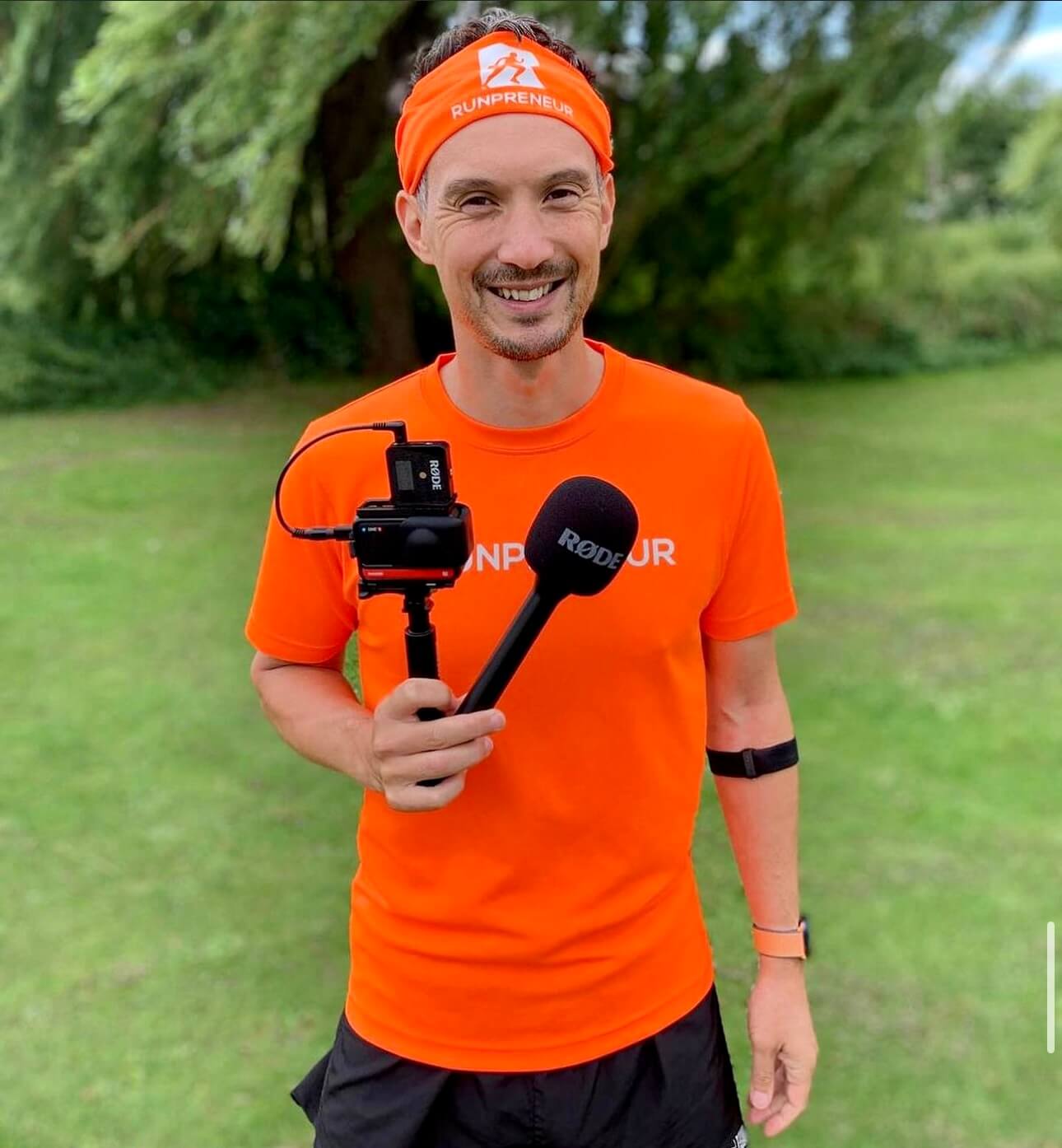
Kevin's 40,075km Challenge: Raising £1 Million for Children
Meet Kevin, a dedicated Runpreneur who embarked on an extraordinary journey to raise £1 million for children in need. Over the course of his 40,075km challenge, Kevin's unwavering determination and passion inspired thousands to join the Runpreneur movement.
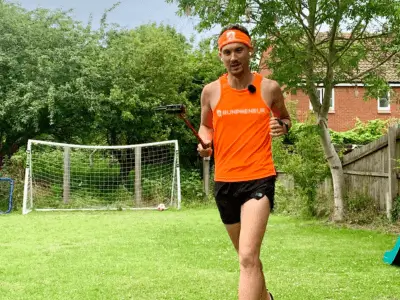
Runpreneur Vlogging: Capturing Kevin's Journey
Experience the Runpreneur challenge through the lens of Kevin's video diary. Witness his ups and downs, the camaraderie of the community, and the transformative power of running for a cause. Dive into the visual stories that capture the essence of the Runpreneur movement.

Empowering Children, One Step at a Time
As Kevin logged every kilometre of his 40,075km challenge, the true purpose behind his journey came into focus. Each step, each bead of sweat, fuelled essential healthcare, education, and nutrition programs for children in need around the world.
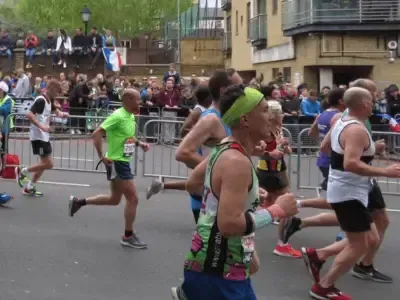
The Transformative 4x4x48 Challenge
Experience the thrill and personal growth of our iconic 48-hour running event. Witness the determination and resilience of Runpreneurs as they push their limits, one mile at a time.
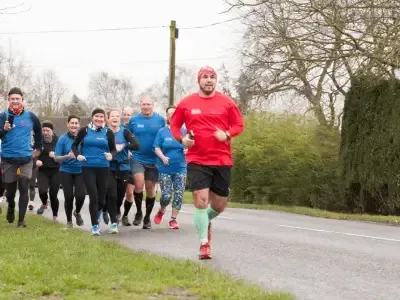
Runpreneur Vlogging: Capturing the Journey
Dive into the visual stories of our Runpreneurs as they document their experiences through engaging video logs. Witness the challenges, triumphs, and moments of camaraderie that define the Runpreneur spirit.
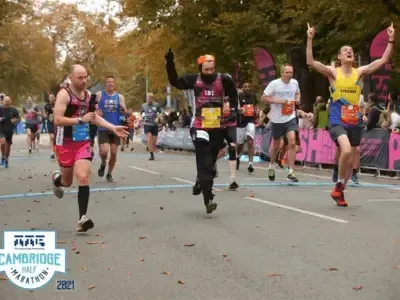
Becoming a Runpreneur: Join the Movement
Learn how you can become a Runpreneur and be part of this global community. Discover the steps to sign up, complete the challenge, and share your journey, all while making a lasting difference.
Connect With Us:



















I am on a mission to raise £1,000,000 for children's causes by daily run-vlogging barefoot-style, covering the total distance of a lap around the world—40,075 km.