
Runpreneur Journey Blog
Embark on an extraordinary journey with the Runpreneur community. Discover inspiring stories, insider tips, and the transformative power of our global challenge. From first-time runners to seasoned athletes, our blog captures the essence of the Runpreneur movement, inspiring others to join the cause.
Injury Recovery Has a Second Phase Most Runners Never Plan For
Injury recovery does not end when the injury itself heals. That is the lesson day 2079 of my streak has handed me, and I want to walk through why, because I suspect a fair few runners and athletes reading this are living through the same thing without naming it.
Three months ago I broke a metatarsal in my right foot. I have spoken about the diagnosis and the boot before, so I will not repeat the whole story here. What I want to focus on is what has happened since the bone healed, because this is the part nobody warned me about.
The boot I wore had a wedge sole, roughly three inches at the heel with almost nothing under the front of the foot. The design made sense for the injury: all my weight sat on the back of my heel, keeping pressure off the broken bone while it fused. For six weeks that boot did its job.
What the boot also did, without me noticing at the time, was lift one leg three inches higher than the other for six weeks straight. Add in the fact I was power walking and jeffing rather than running with my normal gait, and my body had two things to adapt to at once: an uneven leg length and an unfamiliar movement pattern.
The body is a clever thing. Give it pain or restriction and it finds a workaround. Mine found one. I stayed mobile, I kept moving, and the injury healed exactly as it should have. But the workaround did not switch off the day the boot came off. My body had spent weeks building a new, uneven baseline, and that baseline does not correct on its own the moment you go back to trainers.
So now, three months on, my lower back is the one shouting at me. Nerve-related pain, tight through one side, a posture that is still trying to remember what neutral feels like. Some days getting off the couch has been harder than getting out for the run itself, which sounds strange given I am still running every single day, but that is genuinely where I am.
Here is the insight I want to leave you with, whether you run, lift, play a team sport or push yourself in any physical way. An injury has two phases, not one. Phase one is the recovery of the original injury, the bone healing, the ligament repairing, the tissue rebuilding. Most of us understand that phase. We rest it, we protect it, we wait for the scan or the physio to give us the green light.
Phase two is rehabilitation, and it gets skipped far too often. This is the period where your body has to unlearn the compensation it built to get you through phase one. If you have spent weeks favouring one side, shortening one stride, shifting your weight to protect a joint, your muscles and your posture have adjusted around that. Some areas get weaker because they were not being used properly. Others get overworked and tighten up because they were carrying more than their share. Your equilibrium is gone, even if the original injury is not.
The danger is what happens if you skip phase two. You feel recovered, you go back to full training, and you get a new injury within weeks, sometimes days. Not because you rushed the healing, but because you rushed the re-acclimatisation. Your body is not back to neutral yet, and pushing full load through an unbalanced frame is asking for trouble.
I am living proof of this right now. My foot is healed. My back is not adjusted to running normally again yet. I am heading to a sports masseuse this week, hoping that sorts the nerve pain before it turns into something that needs a chiropractor.
If you take one thing from today's episode, let it be this: when you are injured, plan for two recoveries, not one. Build in time after the all clear to retrain your body's natural, even posture and gait before you push intensity again. Ask your physio or therapist specifically about compensation patterns, not just the original injury site. And if something feels off in a part of your body that was not injured, do not ignore it, because it is probably the knock-on effect showing up.
None of this changes why I am doing this every day. Every mile since day one has gone toward a lap of the world, 40,075km, run barefoot style, to raise £1m for children's causes through Great Ormond Street and BBC Children in Need. Right now I am at 16,035.04km, with 24,039.96km left to go. A broken foot slowed me down. It has not stopped me, and the rehabilitation phase will not stop me either. It has just taught me something worth passing on to anyone else pushing their body through injury and back out the other side.
If this resonates because you are mid-recovery yourself right now, I would like to hear where you are with it. Watch the full episode, follow the streak, and if you believe in what this mission is building toward for children's lives, consider supporting it.
Watch the full episode: https://youtu.be/nlp6E_emAr4
Kevin's 40,075km Challenge: Raising £1 Million for Children
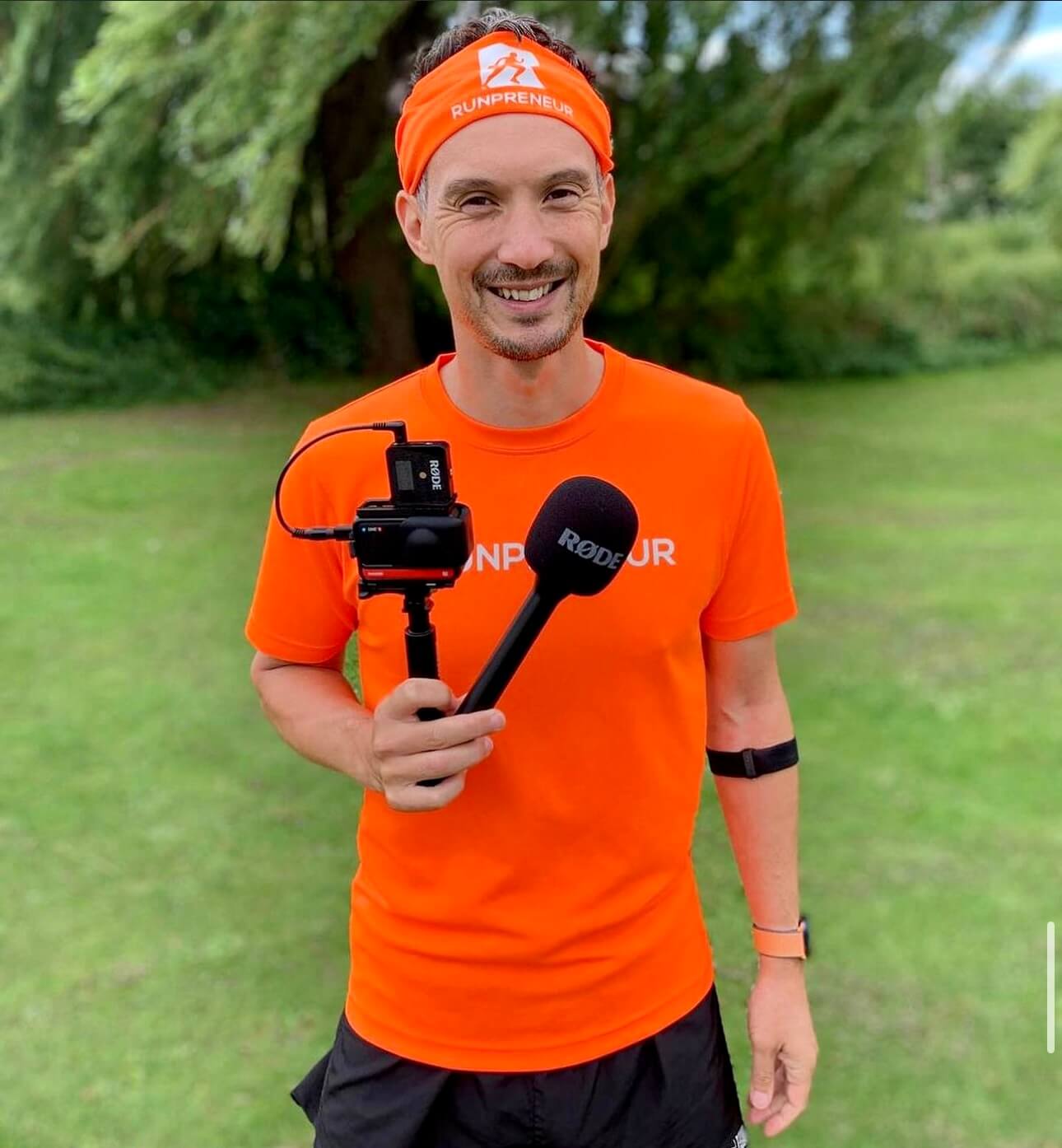
Meet Kevin, a dedicated Runpreneur who embarked on an extraordinary journey to raise £1 million for children in need. Over the course of his 40,075km challenge, Kevin's unwavering determination and passion inspired thousands to join the Runpreneur movement.
Runpreneur Vlogging: Capturing Kevin's Journey
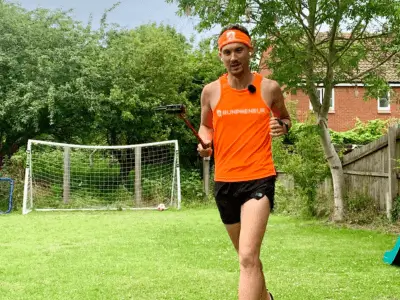
Experience the Runpreneur challenge through the lens of Kevin's video diary. Witness his ups and downs, the camaraderie of the community, and the transformative power of running for a cause. Dive into the visual stories that capture the essence of the Runpreneur movement.

Empowering Children, One Step at a Time
As Kevin logged every kilometre of his 40,075km challenge, the true purpose behind his journey came into focus. Each step, each bead of sweat, fuelled essential healthcare, education, and nutrition programs for children in need around the world.
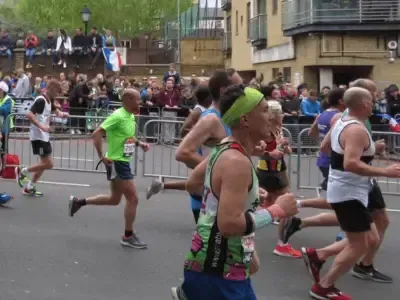
The Transformative 4x4x48 Challenge
Experience the thrill and personal growth of our iconic 48-hour running event. Witness the determination and resilience of Runpreneurs as they push their limits, one mile at a time.
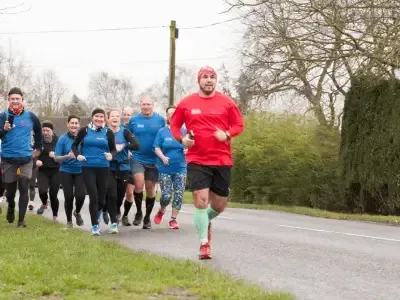
Runpreneur Vlogging: Capturing the Journey
Dive into the visual stories of our Runpreneurs as they document their experiences through engaging video logs. Witness the challenges, triumphs, and moments of camaraderie that define the Runpreneur spirit.
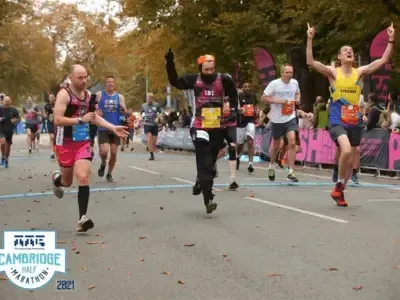
Becoming a Runpreneur: Join the Movement
Learn how you can become a Runpreneur and be part of this global community. Discover the steps to sign up, complete the challenge, and share your journey, all while making a lasting difference.
Connect With Us:



















I am on a mission to raise £1,000,000 for children's causes by daily run-vlogging barefoot-style, covering the total distance of a lap around the world—40,075 km.