
Runpreneur Journey Blog
Embark on an extraordinary journey with the Runpreneur community. Discover inspiring stories, insider tips, and the transformative power of our global challenge. From first-time runners to seasoned athletes, our blog captures the essence of the Runpreneur movement, inspiring others to join the cause.

How to Stay Safe Running in the Dark Lessons from Day 2025 of My Daily Running Streak
How to Stay Safe Running in the Dark Lessons from Day 2025 of My Daily Running Streak
Tonight I made a mistake. Not a catastrophic one, but the kind that reminds you why good habits exist in the first place. I ended up running along an unlit country lane, a single carriageway with no footpath, jumping onto the grass verge every time a car came past. It was dark, it was unnecessary, and it was entirely avoidable. I am on day 2025 of a consecutive daily running streak, covering over 20,000km barefoot style towards a lap of the world, and I still managed to put myself in a situation I should never have been in. That is worth talking about honestly.
This episode is about running safely in the dark. Winter brings short days, and for a lot of runners that means some of your miles will happen in darkness. I run every single day regardless of conditions, so this is not a seasonal novelty for me. It is a regular reality. And tonight, because I was somewhere unfamiliar and I cut corners on planning, I ended up somewhere I did not want to be.
So here is what I have learned, and what I would pass on to anyone who runs at night.
Stick to routes you know when it is dark
The single most effective thing you can do when running in the dark is to choose routes that are already familiar to you. At night, the risks multiply. Trip hazards you would step around in daylight become invisible. Junctions and turns come up faster than expected. Traffic is less predictable and you are less visible to it. When you know a route well, you can manage those risks because you have already processed them in the light. Running somewhere unfamiliar at night removes that layer of protection entirely, which is what happened to me tonight.
If you have to run somewhere new, do the planning properly. I use an app called Footpath, which maps routes and grades them by terrain type and suitability. If you are a premium user, the additional map layers make it genuinely useful for identifying well-paved, runner-friendly routes. The time it takes to plan properly is never wasted. Tonight I was in a rush, skipped that step, and paid for it.
Use Strava's route features before you go
Strava is not just for logging runs. The maps feature lets you search routes within a given area that other people have already run, filtered by distance, surface, and gradient. When a route has been run regularly by others, you get a reasonable degree of confidence that it is at least passable. That collective data is genuinely useful as a starting reference before you commit to a route in darkness. I usually use both Footpath and Strava together when planning somewhere new. This evening I used neither, which is why I was standing on a grass verge in the pitch black while headlights swept past me.
Lights are not optional
If you are going to run in the dark, you need to be seen and you need to see. A head torch is the minimum. A chest torch adds depth. Something reflective or lit at your back means traffic approaching from behind has a chance of seeing you. I was wearing a fluorescent jacket tonight, which did at least catch headlights and make me visible. But I would not want to rely solely on that on an unlit country road. Proper running lights are not expensive and they are not optional if you are running at night regularly.
Wear the right clothing
High-visibility and reflective clothing genuinely matters when you are running in low-light or no-light conditions. Anything that catches and reflects light — a fluorescent jacket, reflective strips on your shoes or kit — adds another layer between you and the risk of not being seen. It is not about looking a particular way. It is about making sure drivers have the maximum possible chance of spotting you before it matters.
Daylight is always the better option
If your schedule allows it, run in the light. I always prefer to, and on a normal day I arrange things so that I can. The visibility, the terrain awareness, the reduced traffic risk — all of it makes daylight running safer. A head torch is a useful tool, but it is not an equivalent substitute for natural light when it comes to reading the ground in front of you or being spotted by traffic. On the occasions when I do have to run in the evening, I apply all of the precautions above. But if you can shift your run to daylight hours, do.
What tonight actually reminded me
I have run 2025 consecutive days. I have covered more than 20,250km of the 40,075km I need to complete to run the equivalent of a lap of the Earth. I do this to raise money for children's causes — the target is £1 million for Great Ormond Street and BBC Children in Need. That mission requires me to keep showing up every single day, which means I cannot afford to take unnecessary risks with my own safety.
Tonight's error was minor in outcome but it could easily have been otherwise. The lesson is not about dramatic near-misses. It is about the smaller, quieter discipline of preparing properly even on recovery days. Even when you are in a hurry. Even when the run itself feels straightforward. The same discipline that has kept me on a 2025-day streak is the discipline that should have made me spend an extra five minutes planning a safe route before I left. Tonight I let one slip without the other, and it was a useful reminder of why they belong together.
If you run regularly, especially through the winter months, please take dark-weather safety seriously. Plan your routes, wear the right kit, carry a light, and give yourself the best possible chance of getting home in one piece. The mission only works if I am still here to run it tomorrow.
2025 days in. 19,825km still to go. Every day counts, and every day needs to be run safely.
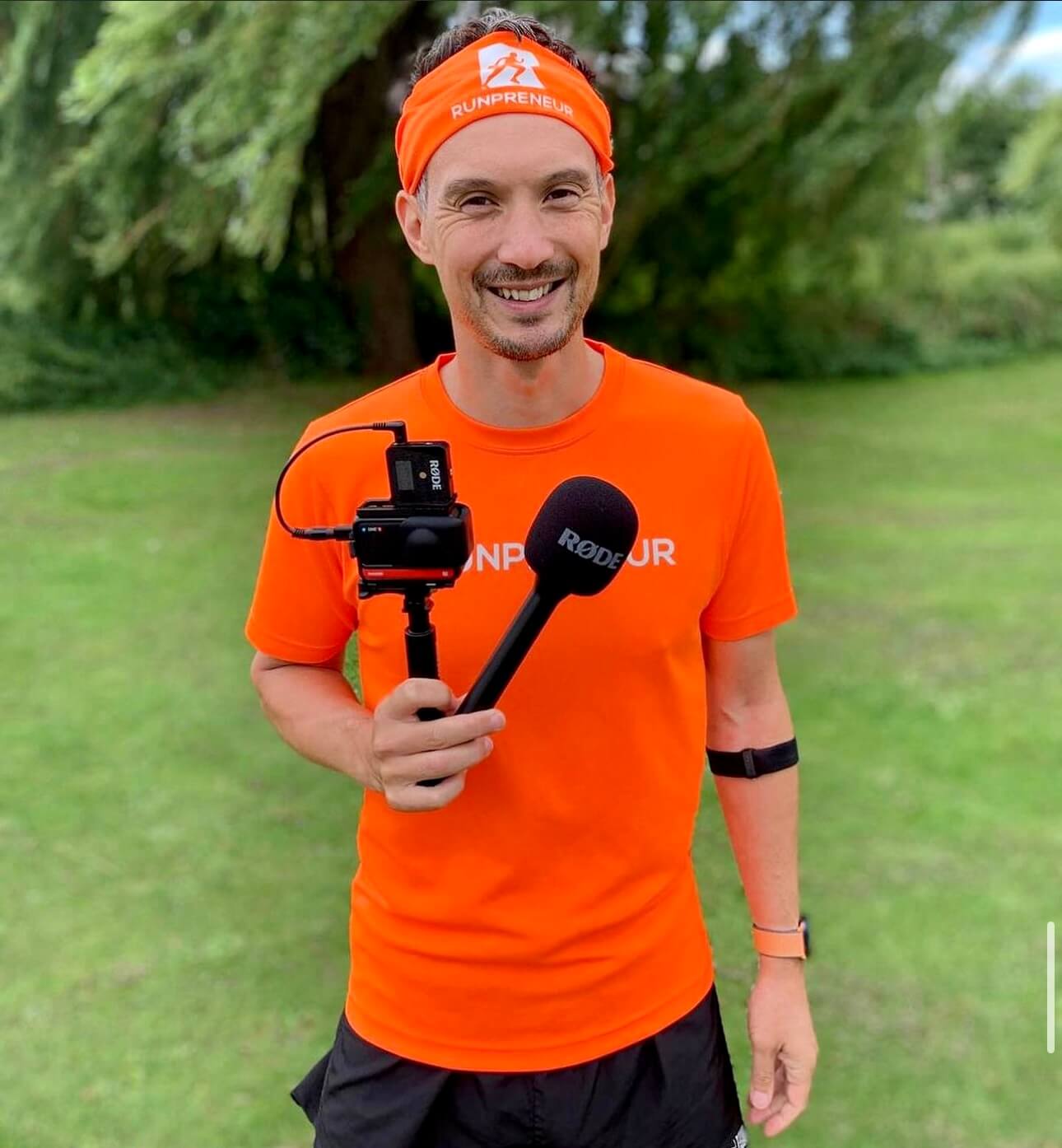
Kevin's 40,075km Challenge: Raising £1 Million for Children
Meet Kevin, a dedicated Runpreneur who embarked on an extraordinary journey to raise £1 million for children in need. Over the course of his 40,075km challenge, Kevin's unwavering determination and passion inspired thousands to join the Runpreneur movement.
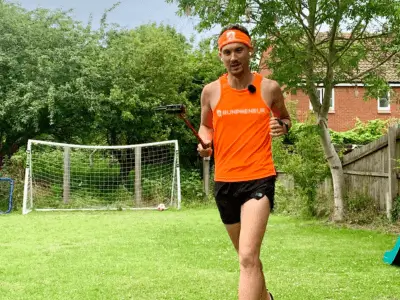
Runpreneur Vlogging: Capturing Kevin's Journey
Experience the Runpreneur challenge through the lens of Kevin's video diary. Witness his ups and downs, the camaraderie of the community, and the transformative power of running for a cause. Dive into the visual stories that capture the essence of the Runpreneur movement.

Empowering Children, One Step at a Time
As Kevin logged every kilometre of his 40,075km challenge, the true purpose behind his journey came into focus. Each step, each bead of sweat, fuelled essential healthcare, education, and nutrition programs for children in need around the world.
The Transformative 4x4x48 Challenge
Experience the thrill and personal growth of our iconic 48-hour running event. Witness the determination and resilience of Runpreneurs as they push their limits, one mile at a time.
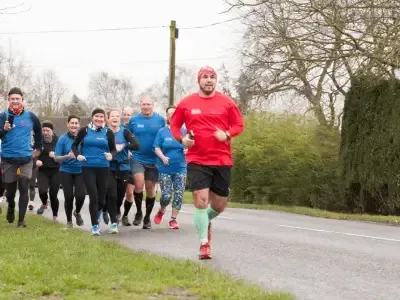
Runpreneur Vlogging: Capturing the Journey
Dive into the visual stories of our Runpreneurs as they document their experiences through engaging video logs. Witness the challenges, triumphs, and moments of camaraderie that define the Runpreneur spirit.
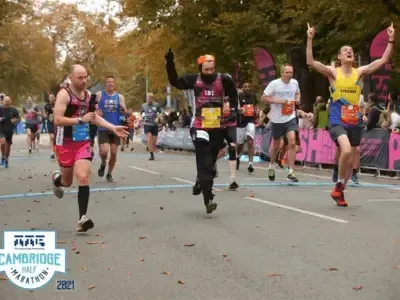
Becoming a Runpreneur: Join the Movement
Learn how you can become a Runpreneur and be part of this global community. Discover the steps to sign up, complete the challenge, and share your journey, all while making a lasting difference.
Connect With Us:



















I am on a mission to raise £1,000,000 for children's causes by daily run-vlogging barefoot-style, covering the total distance of a lap around the world—40,075 km.