
Runpreneur Journey Blog
Embark on an extraordinary journey with the Runpreneur community. Discover inspiring stories, insider tips, and the transformative power of our global challenge. From first-time runners to seasoned athletes, our blog captures the essence of the Runpreneur movement, inspiring others to join the cause.

How to Create a One-Page Strategic Plan That Actually Works — Lessons From Day 2027 of Running the World
How to Create a One-Page Strategic Plan That Actually Works Lessons From Day 2027 of Running the World
Day 2027. I am 20,270km into running a lap of the world — barefoot style — raising money for children's causes. And today, between strides, I have been thinking about strategy. Not the corporate kind that lives in a 40-slide deck nobody reads. The kind that fits on one page, gets reviewed every quarter, and actually changes what you do on a Tuesday morning.
I want to share the framework I have been developing and refining over the years. It is not original in every part — I have taken ideas from authors, business leaders, and practitioners I respect, and I have stripped them back to what is genuinely useful. What I have ended up with is a one-page plan built around two core acronyms. I use it. It works. And I think it can work for you too.
Before I get into it, let me be honest about something. When I started this running streak, I did not have a perfect plan either. I had a direction, a mission, and a daily commitment. But the strategy — how to structure the fundraising, how to grow the platform, how to use every episode to push toward £1M for children's causes — that has been refined over time through exactly this kind of thinking. So this is not theory. It is something I live.
The first half of the one-page plan centres on the word OUTCOME. It starts with your objective — the clearest possible statement of what you are trying to achieve. Not a vague ambition, but something specific enough that you can measure whether you are actually moving towards it. For me, that objective is documented. It is 40,075km. It is £1M raised. Those numbers are on paper. They are not aspirational fluff — they are targets I can track every single day.
The C in OUTCOME stands for customer profile. If you are in business, this matters enormously. You need to know who you are serving, what their situation looks like, and what they actually need from you. The more precisely you can describe that person, the more clearly you can design what you offer around them.
The T is your target statement — three questions answered in three sentences. What do you do? Who do you do it for? How do you do it? It sounds simple. Most people cannot answer all three cleanly when pushed. I spent time on this for Runpreneur and Operations Director. Getting clear on those answers changed how I communicated and how I made decisions.
The process element — your proven method, your intellectual property, the way you actually deliver what you promise — should be mapped out in up to ten steps. Not because complexity is good, but because clarity is. When you can describe your process that specifically, you can train someone else in it. You can see where it breaks down. You can improve it.
And then there is enticement. This is how you make what you offer a genuine no-brainer for the right person. It is not about pressure or clever sales copy. It is about packaging what you do in a way that reflects its real value and makes it easy for the right person to say yes.
The second half of the plan is about time horizons, and this is where I find most people get lost. They either think too short — next week, next month — or they set a ten-year goal so distant it has no practical weight. I use divisions of three. Nine years, three years, one year.
The nine-year view is a picture. What does your life or business actually look like at that point? How many customers? What revenue? What does a normal week feel like? You are not predicting — you are orienting. Without that picture, everything else becomes reactive.
The three-year view is more concrete. You should have measurables here — no more than three. One is too few to give you balance. More than three and you lose focus. For me, the measurables are clear: kilometres run, money raised, people reached. I track them. I review them quarterly.
The one-year view is where execution lives. Quarterly goals, specific projects, the actual work that bridges where you are now to where you are going. This is where strategy becomes behaviour.
The key thing I want to say about this process is that the first time you do it, it will probably not be right. You will set goals that are either too ambitious or not ambitious enough. You will write a customer profile that is too broad. You will describe your process and realise you have not thought it through properly. That is fine. That is the point. You do it, you review it after ninety days, you adjust it. Quarter by quarter, it sharpens.
I have run 20,270km of this mission. I have 19,805km still to go. I did not figure all of that out at the start. The plan has evolved. The fundraising strategy has evolved. The way I show up on camera has evolved. But the direction has not changed, because that is anchored in something bigger than a business target — it is anchored in children's lives.
Whether you are building a business, managing a career, or trying to navigate something personal, the discipline of writing it down — one page, honest, specific, reviewed regularly — is one of the most useful things I know. Not because it guarantees outcomes. But because it keeps you honest about where you are and where you are actually heading.
That is what strategy is. Not a presentation. Not a vision board. A quiet, clear document you return to every quarter and ask yourself: am I still on track?
If you want to follow the mission, you will find me at the links below. And if what I am doing for children's causes resonates with you, sharing this episode is one of the most practical ways you can help.
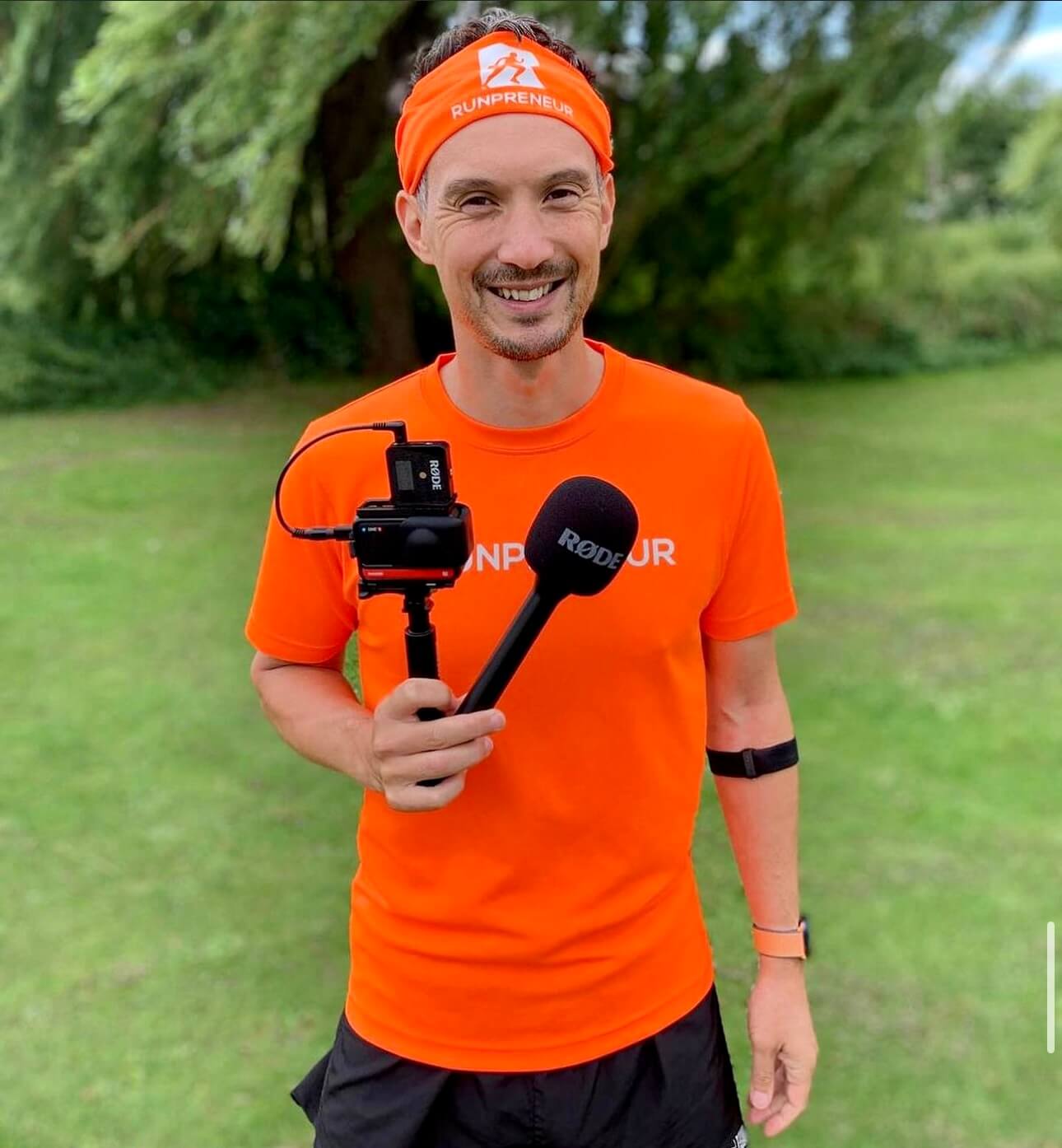
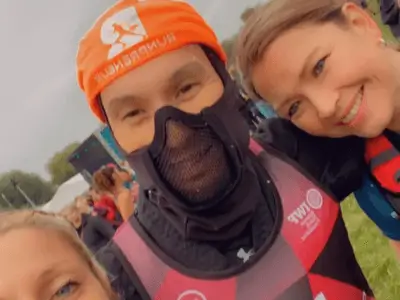
Kevin's 40,075km Challenge: Raising £1 Million for Children
Meet Kevin, a dedicated Runpreneur who embarked on an extraordinary journey to raise £1 million for children in need. Over the course of his 40,075km challenge, Kevin's unwavering determination and passion inspired thousands to join the Runpreneur movement.
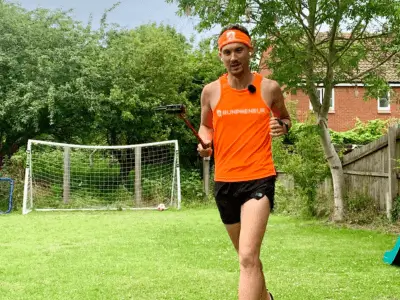
Runpreneur Vlogging: Capturing Kevin's Journey
Experience the Runpreneur challenge through the lens of Kevin's video diary. Witness his ups and downs, the camaraderie of the community, and the transformative power of running for a cause. Dive into the visual stories that capture the essence of the Runpreneur movement.

Empowering Children, One Step at a Time
As Kevin logged every kilometre of his 40,075km challenge, the true purpose behind his journey came into focus. Each step, each bead of sweat, fuelled essential healthcare, education, and nutrition programs for children in need around the world.
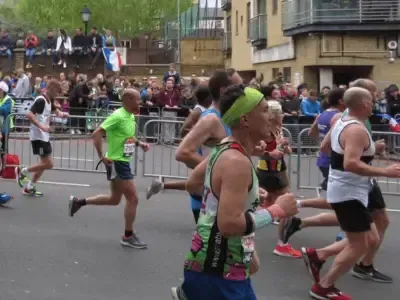
The Transformative 4x4x48 Challenge
Experience the thrill and personal growth of our iconic 48-hour running event. Witness the determination and resilience of Runpreneurs as they push their limits, one mile at a time.
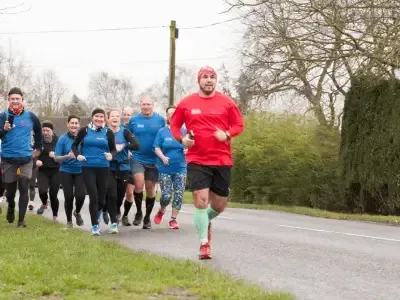
Runpreneur Vlogging: Capturing the Journey
Dive into the visual stories of our Runpreneurs as they document their experiences through engaging video logs. Witness the challenges, triumphs, and moments of camaraderie that define the Runpreneur spirit.
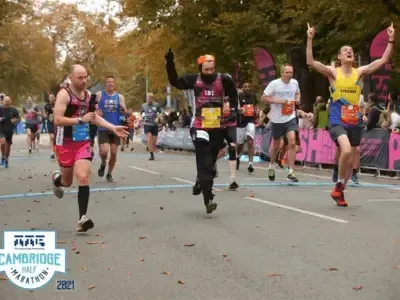
Becoming a Runpreneur: Join the Movement
Learn how you can become a Runpreneur and be part of this global community. Discover the steps to sign up, complete the challenge, and share your journey, all while making a lasting difference.
Connect With Us:



















I am on a mission to raise £1,000,000 for children's causes by daily run-vlogging barefoot-style, covering the total distance of a lap around the world—40,075 km.