
Runpreneur Journey Blog
Embark on an extraordinary journey with the Runpreneur community. Discover inspiring stories, insider tips, and the transformative power of our global challenge. From first-time runners to seasoned athletes, our blog captures the essence of the Runpreneur movement, inspiring others to join the cause.
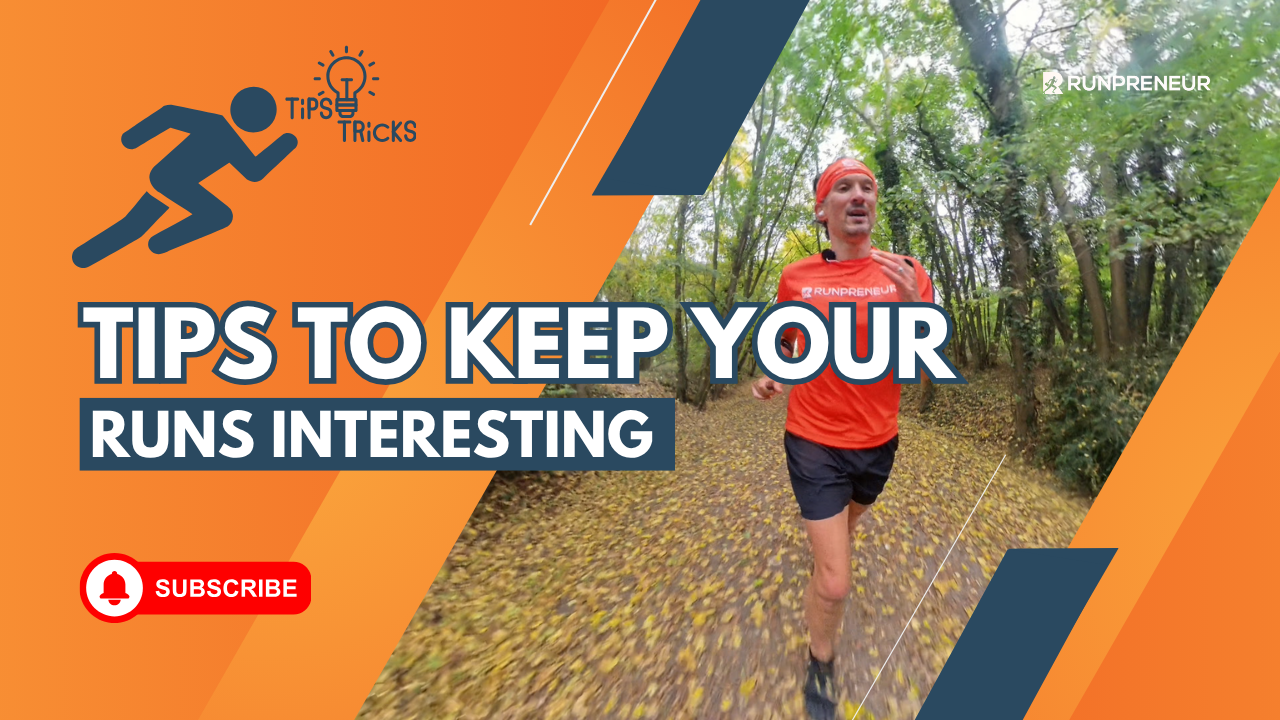
How I Keep 1,959 Consecutive Days of Running Fresh and Motivated
How I Keep 1,959 Consecutive Days of Running Fresh and Motivated
Day 1,959 of running every single day, and I'll be honest — the novelty wore off somewhere around month six. When you're committed to running 7.2-7.5km daily for what will eventually be 40,075km around the world, monotony becomes your biggest enemy.
I've learned this lesson the hard way. Running the same local routes for 5.4 years straight taught me something professional athletes know instinctively: consistency requires strategy, not just willpower.
The problem isn't just boredom. It's deeper than that. When motivation disappears — and it will — you need systems that carry you forward. This became crystal clear to me recently when I realised I was dreading runs I used to love, simply because I'd done them hundreds of times.
Living in the UK gives me four seasons, which helps. The same off-road route I ran today looks completely different in winter versus summer. But even seasonal variety has limits when you're running virtually the same distance every day for years.
The daylight challenge compounds everything. Summer evenings stretch past 9pm for runs, but winter darkness hits before 4pm. As someone who avoids night running, this creates a narrow window that often conflicts with work and life.
My breakthrough came from applying work principles to running. I work remotely and deliberately change locations to avoid home office stagnation. The crossover between personal and professional space can blur focus, so I actively seek different environments.
I started packing running gear whenever I left home for work. Trail shoes for unknown terrain, weather-appropriate clothing, even anti-wicking towels for car changes. Yes, getting changed in your car and working the afternoon slightly grimy isn't glamorous. But the mental shift has been game-changing.
Now I map lunch break routes wherever I'm working. New areas, different terrains, fresh perspectives. Route planning apps make this simple — a few minutes over coffee and I've got a 7km loop somewhere I've never run before.
The logistics matter. Always having gear ready eliminates excuses. Flexibility becomes your friend when you're not locked into the same post-work routine. Most importantly, changing environments reignites curiosity about what's around the next corner.
This connects to something deeper about long-term goals. Professional athletes fascinate me because they've mastered repetition without losing edge. They do the same movements, the same drills, the same routines thousands of times while maintaining performance standards. The difference between them and everyone else isn't natural talent — it's systems that sustain motivation when enthusiasm fades.
Running 1,959 consecutive days taught me resilience, but resilience alone isn't enough. You need practical strategies to navigate the inevitable valleys. Environmental variety has become one of my most powerful tools.
I'm not suggesting every run needs to be an adventure. There are periods where I default to familiar routes, and that's perfectly fine. But when stagnation creeps in — and you'll feel it — having the flexibility to run somewhere new can restore your connection to why you started.
The mission remains constant: complete 40,075km while raising £1M+ for children's causes. Great Ormond Street Hospital and BBC Children in Need depend on this consistency. But the daily execution requires constant refinement.
Some days I discover villages I never knew existed within 20 minutes of where I work. Other days I find myself planning work locations partly based on interesting running routes nearby. The work-run integration has added unexpected richness to both activities.
The deeper lesson extends beyond running. Any long-term commitment — business building, relationship maintenance, skill development — faces the same motivation cycles. The key isn't finding permanent enthusiasm; it's building systems that function regardless of how you feel on any given day.
When you're attempting something that takes years to complete, micro-variations prevent macro burnout. Changing your running environment doesn't change your core commitment, but it changes your daily experience of that commitment.
This strategy won't work for everyone. Some people thrive on routine and find comfort in familiar routes. But if you're feeling stuck in your running or any other long-term pursuit, consider how environmental change might reignite your engagement.
Tomorrow I'll run again. Day 1,960. The cumulative distance grows, the mission continues, and another child somewhere might benefit from this ridiculous but necessary journey around the world, one daily run at a time.
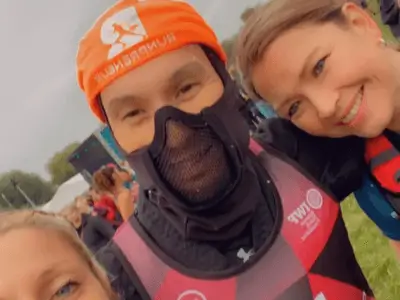
Kevin's 40,075km Challenge: Raising £1 Million for Children
Meet Kevin, a dedicated Runpreneur who embarked on an extraordinary journey to raise £1 million for children in need. Over the course of his 40,075km challenge, Kevin's unwavering determination and passion inspired thousands to join the Runpreneur movement.
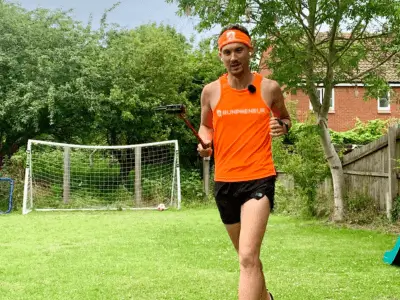
Runpreneur Vlogging: Capturing Kevin's Journey
Experience the Runpreneur challenge through the lens of Kevin's video diary. Witness his ups and downs, the camaraderie of the community, and the transformative power of running for a cause. Dive into the visual stories that capture the essence of the Runpreneur movement.

Empowering Children, One Step at a Time
As Kevin logged every kilometre of his 40,075km challenge, the true purpose behind his journey came into focus. Each step, each bead of sweat, fuelled essential healthcare, education, and nutrition programs for children in need around the world.
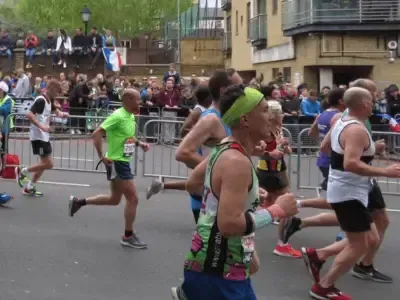
The Transformative 4x4x48 Challenge
Experience the thrill and personal growth of our iconic 48-hour running event. Witness the determination and resilience of Runpreneurs as they push their limits, one mile at a time.
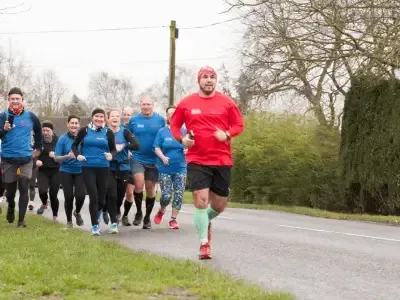
Runpreneur Vlogging: Capturing the Journey
Dive into the visual stories of our Runpreneurs as they document their experiences through engaging video logs. Witness the challenges, triumphs, and moments of camaraderie that define the Runpreneur spirit.
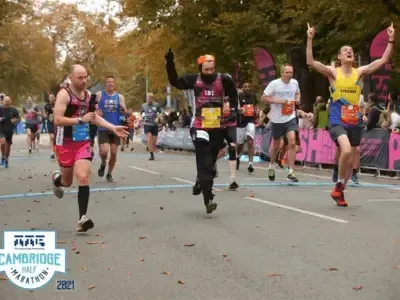
Becoming a Runpreneur: Join the Movement
Learn how you can become a Runpreneur and be part of this global community. Discover the steps to sign up, complete the challenge, and share your journey, all while making a lasting difference.
Connect With Us:



















I am on a mission to raise £1,000,000 for children's causes by daily run-vlogging barefoot-style, covering the total distance of a lap around the world—40,075 km.