
Runpreneur Journey Blog
Embark on an extraordinary journey with the Runpreneur community. Discover inspiring stories, insider tips, and the transformative power of our global challenge. From first-time runners to seasoned athletes, our blog captures the essence of the Runpreneur movement, inspiring others to join the cause.
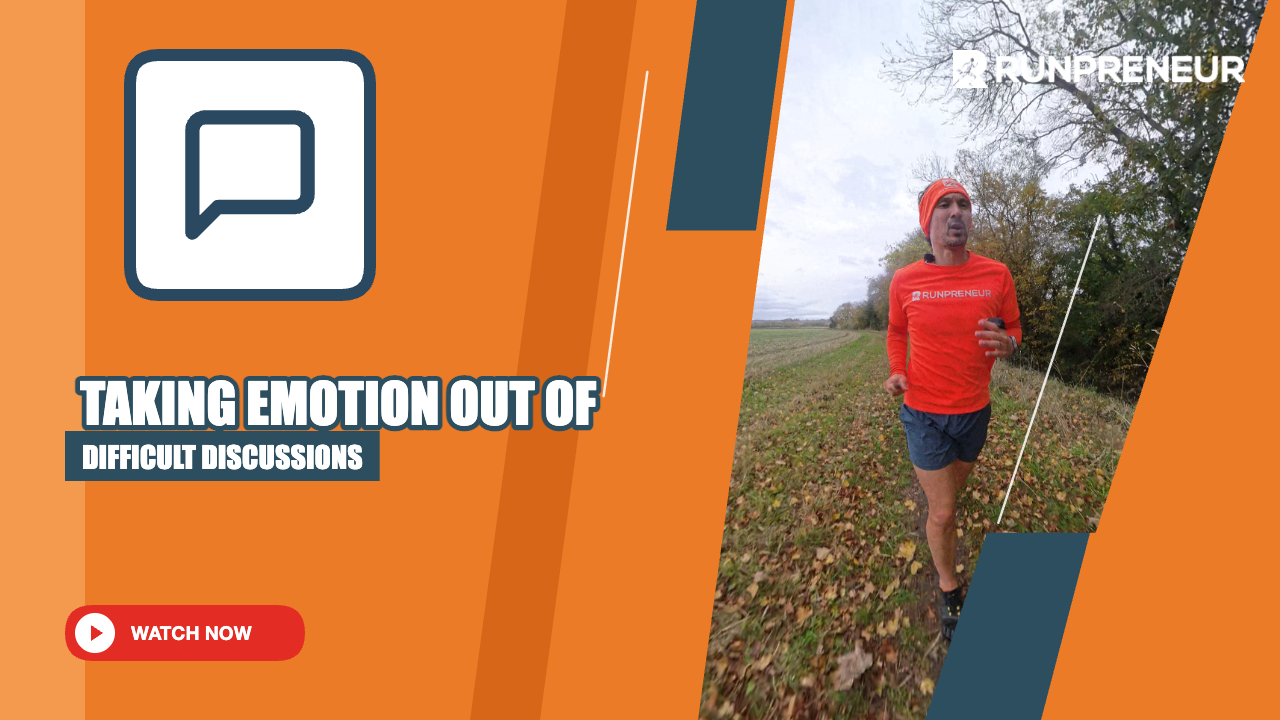
Handling Difficult Conversations: Lessons from 1977 Days of Consistent Running
Handling Difficult Conversations: Lessons from 1977 Days of Consistent Running
Today I crossed the halfway point of my mission in more ways than one. Episode 1977 of the Diary of a Runpreneur marks day 1977 of my barefoot-style running streak, with 19,770km covered towards my goal of 40,075km around the world. But it also marked a moment of clarity about something we all face: those conversations we dread having.
While my feet moved through the familiar rhythm of another 10km, my mind was processing a framework that has served me well in business, in this mammoth challenge, and in life generally. The reality is, whether you're building a company, raising £1M for children's causes, or simply navigating daily relationships, difficult conversations are inevitable.
The first principle I've learned is to always start with the worst-case scenario. This might sound pessimistic, but it's actually liberating. When I began this streak nearly six years ago, I had to face the reality that injury, illness, or life circumstances could end it at any point. By planning for that worst-case scenario, I freed myself to focus on what I could control today. The same applies to any challenging conversation. What's the absolute worst that could happen? Once you've faced that reality and have a loose plan for it, everything else becomes manageable.
This connects to my OCHE framework, something that emerged naturally from years of problem-solving in business and on these daily runs. The O stands for Opportunity. Every difficult conversation, every problem we encounter, represents an opportunity for growth. When I hit rough patches in this journey, days when my body protests or motivation wanes, I remind myself that these moments are where real progress happens. The same applies to conversations we're avoiding. They often contain the seeds of breakthrough.
The C is for Control. During each run, I can control my pace, my route, my mindset. I cannot control the weather, other people's reactions, or unexpected obstacles. In difficult conversations, the distinction is equally crucial. You can control how you prepare, what you say, and how you respond. You cannot control the other person's reaction or the immediate outcome. This clarity removes enormous amounts of anxiety.
Having a plan, the H in OCHE, becomes much easier once you've identified what you can actually influence. In running this streak, I have plans for various scenarios: injury protocols, weather contingencies, travel arrangements. For difficult conversations, this means preparing key points, considering various response scenarios, and having clear objectives. Not scripting every word, but having a framework for navigation.
The E, removing emotion, might be the most challenging yet crucial element. Emotions amplify everything and often mask reality. I've learned this acutely over 1977 consecutive days. On days when I feel invincible, I might push too hard. On days when I feel defeated, I might underestimate what's possible. The truth usually lies in the rational space between these emotional extremes.
When facing a difficult conversation, emotions cloud judgment. Fear amplifies potential negative outcomes. Anger distorts communication. Even positive emotions like excitement can lead to oversharing or poor timing. The key is acknowledging these emotions without letting them drive the process.
What strikes me most about this framework is how it mirrors the discipline required for any long-term commitment. This running streak isn't sustained by daily bursts of motivation. It's built on systems, rational planning, and emotional regulation. Some days I don't want to run. Some conversations I don't want to have. But both become manageable when approached systematically rather than emotionally.
The statistical reality is that most of our feared conversations fall somewhere between best and worst-case scenarios. By preparing for the worst while focusing on what we can control, we create space for better outcomes. This reminds me why I do this daily challenge. It's not about the running itself, though I love it. It's about building the mental frameworks that serve us in every area of life.
With 20,305km still ahead of me and over £200,000 raised so far for Great Ormond Street Hospital and BBC Children in Need, I'm reminded daily that the biggest challenges require breaking down into manageable components. Difficult conversations are the same. One honest exchange at a time, one controllable element at a time, one opportunity for growth at a time.
The children benefiting from this mission face conversations and challenges far more difficult than anything most of us encounter. Their resilience in the face of genuine adversity puts our everyday communication challenges into perspective. That's why I'll be back out tomorrow for day 1978, continuing to run, continuing to learn, continuing to raise funds and awareness for those who need it most.
Tomorrow brings another 10km closer to circumnavigating the globe, and another day to practice the discipline that makes difficult things possible.
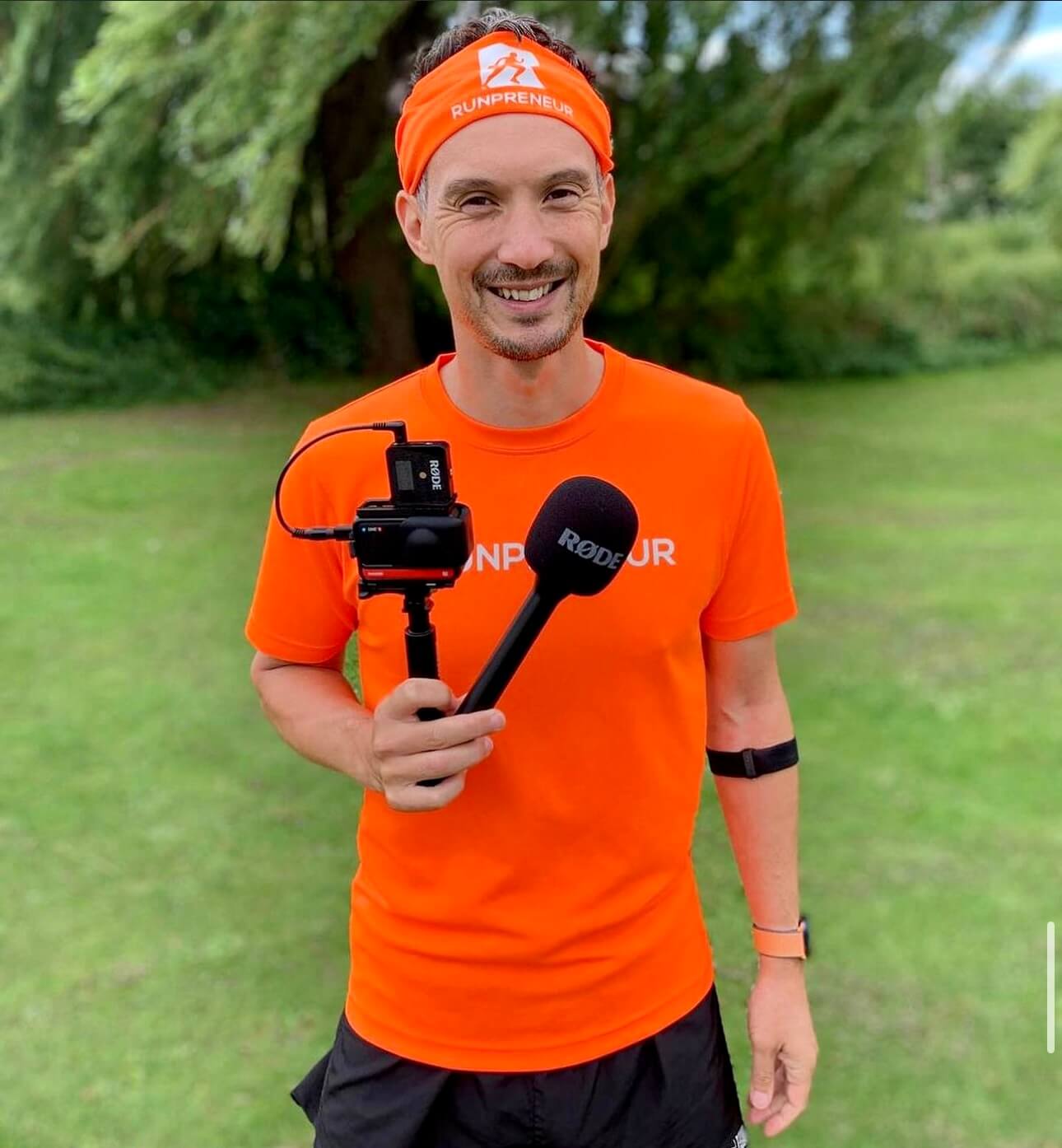
Kevin's 40,075km Challenge: Raising £1 Million for Children
Meet Kevin, a dedicated Runpreneur who embarked on an extraordinary journey to raise £1 million for children in need. Over the course of his 40,075km challenge, Kevin's unwavering determination and passion inspired thousands to join the Runpreneur movement.
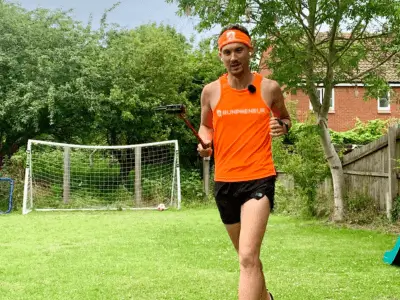
Runpreneur Vlogging: Capturing Kevin's Journey
Experience the Runpreneur challenge through the lens of Kevin's video diary. Witness his ups and downs, the camaraderie of the community, and the transformative power of running for a cause. Dive into the visual stories that capture the essence of the Runpreneur movement.

Empowering Children, One Step at a Time
As Kevin logged every kilometre of his 40,075km challenge, the true purpose behind his journey came into focus. Each step, each bead of sweat, fuelled essential healthcare, education, and nutrition programs for children in need around the world.
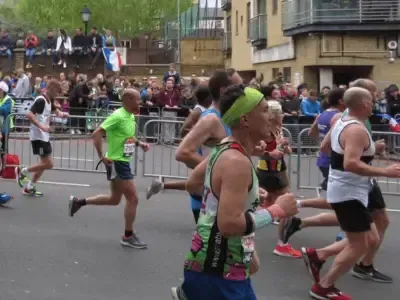
The Transformative 4x4x48 Challenge
Experience the thrill and personal growth of our iconic 48-hour running event. Witness the determination and resilience of Runpreneurs as they push their limits, one mile at a time.
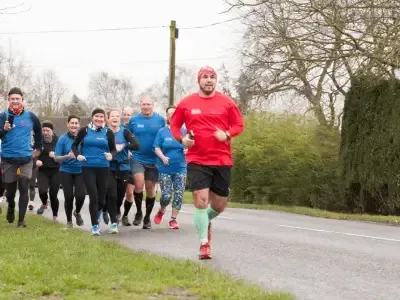
Runpreneur Vlogging: Capturing the Journey
Dive into the visual stories of our Runpreneurs as they document their experiences through engaging video logs. Witness the challenges, triumphs, and moments of camaraderie that define the Runpreneur spirit.
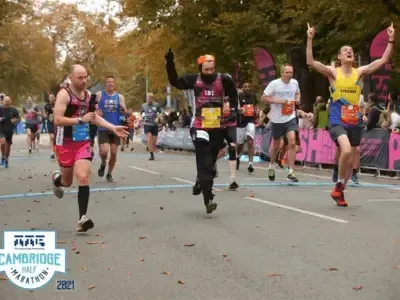
Becoming a Runpreneur: Join the Movement
Learn how you can become a Runpreneur and be part of this global community. Discover the steps to sign up, complete the challenge, and share your journey, all while making a lasting difference.
Connect With Us:



















I am on a mission to raise £1,000,000 for children's causes by daily run-vlogging barefoot-style, covering the total distance of a lap around the world—40,075 km.