
Runpreneur Journey Blog
Embark on an extraordinary journey with the Runpreneur community. Discover inspiring stories, insider tips, and the transformative power of our global challenge. From first-time runners to seasoned athletes, our blog captures the essence of the Runpreneur movement, inspiring others to join the cause.

Episode 1970 - Wind Chill Factor: Why 10°C Feels Like 5°C When Running
Episode 1970 - Wind Chill Factor: Why 10°C Feels Like 5°C When Running
Today was day 1970 of my daily running streak, and nature reminded me why preparation matters more than motivation. Running along the coast in 25mph winds with 35mph gusts, I experienced something every distance runner needs to understand: how wind transforms every aspect of your run.
What started as a mild 10°C morning became something that felt closer to 5°C once that coastal wind hit. The difference wasn't subtle - my hands went numb despite temperatures where I'd normally never wear gloves, and my face stung in a way that only comes from sustained wind exposure during movement.
After 1970 consecutive days of running, I've learned that wind isn't just about difficulty - it's about physics. I've been pushed nearly to a standstill while running downhill into strong headwinds, and I've experienced the opposite: running uphill with a powerful tailwind that made the climb feel effortless. Wind is deceptive in its power, and underestimating it can catch you completely off guard.
The science behind wind chill during running is fascinating. When you're moving at running pace into a headwind, you're effectively increasing the wind speed your body experiences. Today's 25mph average wind became something much stronger when combined with my forward movement. The result was a wind chill effect that dropped the perceived temperature by 5°C - enough to require different clothing choices and increased awareness.
What I've discovered through nearly 20,000km of daily running is that successful distance running isn't about conquering the elements - it's about understanding and adapting to them. Today I wore a thermal layer I wouldn't normally need at 10°C, because experience has taught me that wind chill is real and ignoring it leads to miserable runs.
The practical lessons from 1970 days of this? First, always check both wind speed and wind gusts in your weather forecast. The gusts matter more than the average - they're what will surprise you. Second, adjust your clothing for wind chill, not just temperature. Third, choose your route carefully on windy days. Coastal paths and exposed ridges amplify wind effects dramatically.
Running in strong winds also teaches patience. You can't fight the wind and win - you have to work with it. When facing a headwind, I've learned to shorten my stride slightly and focus on maintaining consistent effort rather than pace. When the wind is at my back, I resist the temptation to push too hard and instead let it assist my natural rhythm.
The mental side matters too. Wind can be deeply unsettling. It's loud, it's unpredictable, and it makes running feel harder even when your effort level stays the same. After 5.5 years of daily running, I've learned to treat wind as just another variable to manage, not an obstacle to overcome.
This connects to something larger about consistency. My mission is to complete 40,075km - a lap of the world - while raising £1M for children's causes including Great Ormond Street Hospital. With 20,375km still to go, I can't afford to let weather conditions derail my progress. Every day matters, including the windy ones.
The children we're supporting don't get to pause their battles because conditions aren't perfect. They face their challenges every single day, regardless of circumstances. When I'm out there getting pushed around by coastal winds, that perspective keeps me moving forward.
What strikes me most about running in strong winds is how it strips away any pretense about being in control. Nature is bigger than your training plan, stronger than your willpower, and completely indifferent to your goals. But within those constraints, you still have choices about how to respond.
Today reminded me that adaptation, not domination, is the key to long-term success in any endurance pursuit. Whether you're running your first 5K or your 1970th consecutive day, the wind doesn't care about your experience level. It just is. How you prepare for it and respond to it - that's where your control lies.
Running in challenging conditions isn't about proving toughness. It's about developing the judgment to know when to push through and when to adjust. After nearly 2000 consecutive days, I've learned that flexibility within consistency is what makes the impossible sustainable.
The mission continues: one day, one run, one kilometer at a time, regardless of what nature throws at the journey.
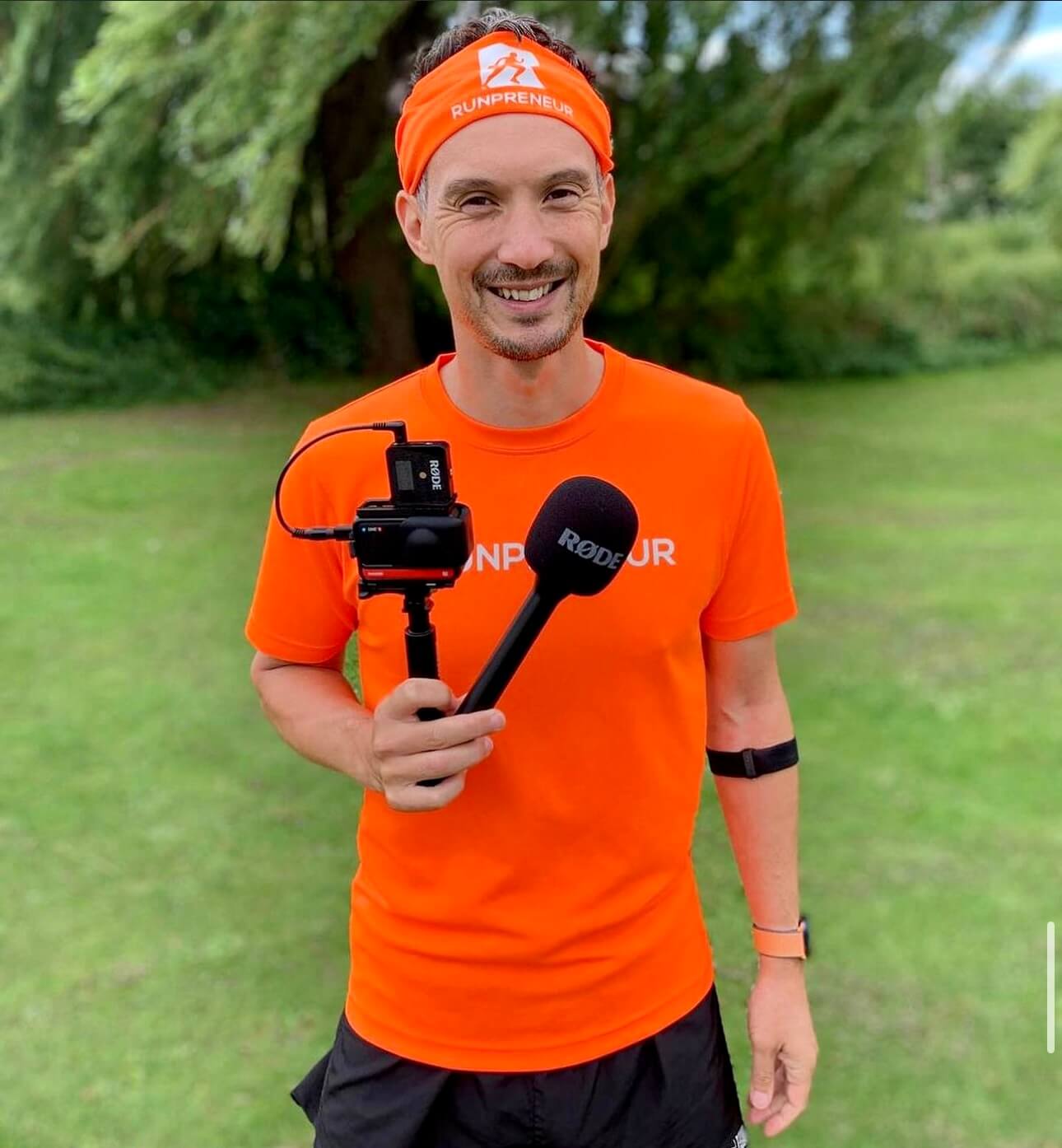
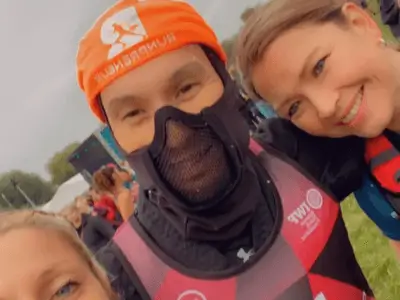
Kevin's 40,075km Challenge: Raising £1 Million for Children
Meet Kevin, a dedicated Runpreneur who embarked on an extraordinary journey to raise £1 million for children in need. Over the course of his 40,075km challenge, Kevin's unwavering determination and passion inspired thousands to join the Runpreneur movement.
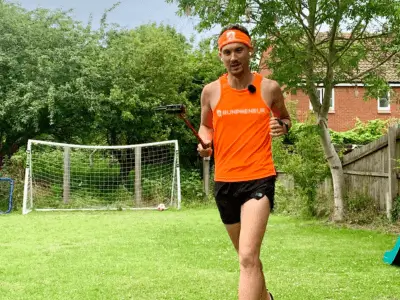
Runpreneur Vlogging: Capturing Kevin's Journey
Experience the Runpreneur challenge through the lens of Kevin's video diary. Witness his ups and downs, the camaraderie of the community, and the transformative power of running for a cause. Dive into the visual stories that capture the essence of the Runpreneur movement.

Empowering Children, One Step at a Time
As Kevin logged every kilometre of his 40,075km challenge, the true purpose behind his journey came into focus. Each step, each bead of sweat, fuelled essential healthcare, education, and nutrition programs for children in need around the world.

The Transformative 4x4x48 Challenge
Experience the thrill and personal growth of our iconic 48-hour running event. Witness the determination and resilience of Runpreneurs as they push their limits, one mile at a time.
Runpreneur Vlogging: Capturing the Journey
Dive into the visual stories of our Runpreneurs as they document their experiences through engaging video logs. Witness the challenges, triumphs, and moments of camaraderie that define the Runpreneur spirit.
Becoming a Runpreneur: Join the Movement
Learn how you can become a Runpreneur and be part of this global community. Discover the steps to sign up, complete the challenge, and share your journey, all while making a lasting difference.
Connect With Us:



















I am on a mission to raise £1,000,000 for children's causes by daily run-vlogging barefoot-style, covering the total distance of a lap around the world—40,075 km.