
Runpreneur Journey Blog
Embark on an extraordinary journey with the Runpreneur community. Discover inspiring stories, insider tips, and the transformative power of our global challenge. From first-time runners to seasoned athletes, our blog captures the essence of the Runpreneur movement, inspiring others to join the cause.
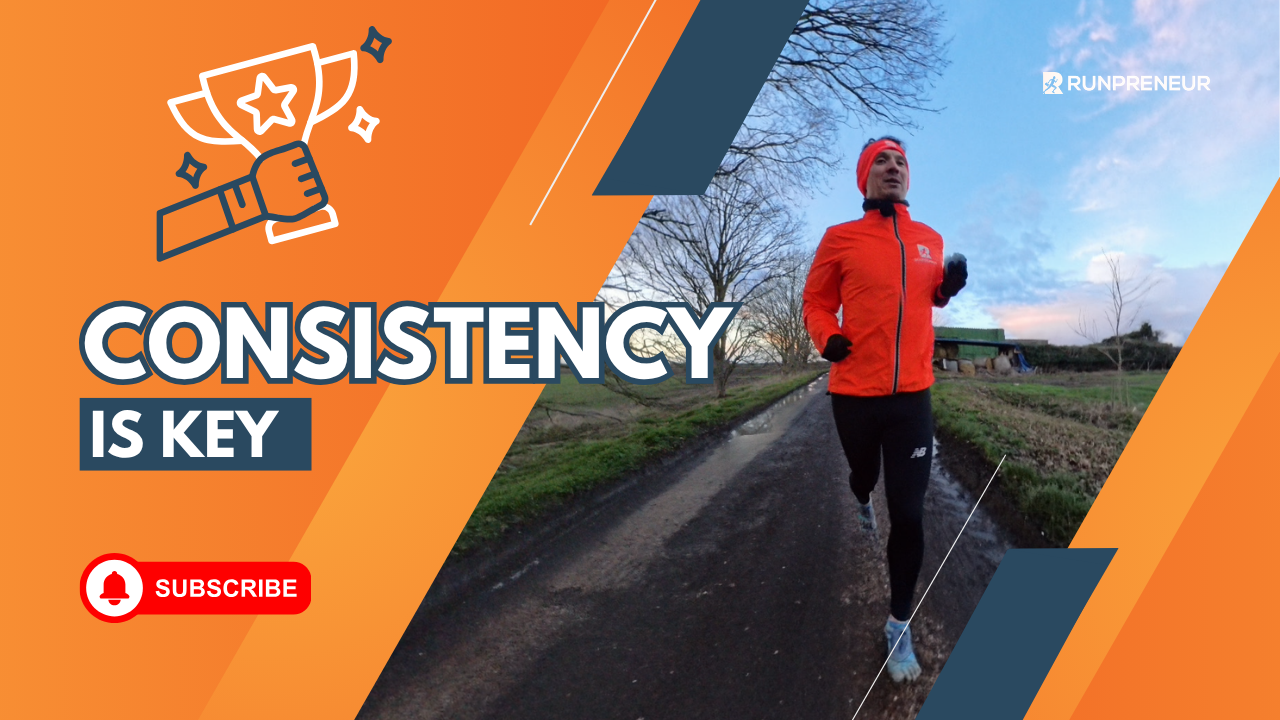
Ep1954 Full - Consistency Is Key
Why Consistency Beats Intensity: Lessons from 1954 Days of Barefoot Running
Today marks day 1954 of my daily barefoot running streak. As I laced up my Vibram FiveFingers this morning, I found myself reflecting on something that's become crystal clear over these past five and a half years: consistency isn't just about showing up every day. It's about understanding that the compound effect of small, repeated actions creates momentum that no single burst of intensity can match.
The conversation I had on today's run centred around a simple truth that applies far beyond running. We live in a world obsessed with dramatic transformations and overnight success stories. Social media feeds us a constant stream of before-and-after photos, weekend warriors crushing personal bests, and entrepreneurs claiming to have built empires in months. But what these snapshots miss is the unglamorous reality that real change happens in the spaces between the highlights.
When I started this journey towards completing 40,075 kilometres—the equivalent of running around the Earth's equator—I knew it wouldn't be the days when I felt strong and motivated that would define the mission. It would be the days when my legs felt heavy, when the weather was miserable, when life threw curveballs that made finding time to run feel impossible. Those are the days that truly count.
I've learned that consistency isn't about perfection. It's about showing up even when you don't feel like it, especially when you don't feel like it. There's a difference between maintaining standards and maintaining momentum. Standards can be rigid and unforgiving. Momentum is more flexible—it allows for bad days while keeping the bigger picture in focus.
This morning's run reminded me of a conversation I had with a fellow entrepreneur who was frustrated with his business growth. He'd been putting in intense 80-hour weeks for months, expecting dramatic results, but felt like he was spinning his wheels. When I asked about his daily non-negotiables—the small, consistent actions that compound over time—he went quiet. He'd been so focused on the big moves that he'd neglected the foundation of consistent daily progress.
The lesson here applies whether you're building a business, improving your health, or working towards any meaningful goal. The magic isn't in the intensity of individual efforts. It's in the reliability of your commitment over time. A 30-minute daily practice sustained for a year will outperform sporadic three-hour sessions every time.
What strikes me most about this daily running practice is how it's taught me to reframe my relationship with difficulty. On tough days—and there have been many—I don't ask myself if I want to run. That question is irrelevant. Instead, I ask what version of today's run will serve the bigger mission. Sometimes it's a gentle 10K recovery run. Sometimes it's pushing through intervals when my body wants to quit. The consistency lies not in doing the same thing every day, but in showing up every day and doing what's needed.
This principle extends directly to the fundraising aspect of the mission. Raising over £1 million for children's causes through Great Ormond Street Hospital and BBC Children in Need isn't about grand gestures or viral moments. It's about consistent storytelling, regular engagement, and building trust one conversation at a time. Every podcast episode, every social media post, every speaking engagement is a small deposit in the bank of credibility and connection.
I've noticed something interesting about consistency that most people miss. It's not just about the external results—the kilometres logged, the money raised, the goals achieved. The real transformation happens internally. Consistency builds a different version of yourself. It develops what I call "reliability muscle"—the deep knowledge that you can count on yourself to follow through, regardless of circumstances.
This reliability muscle affects everything. When you know you can trust yourself to run every day regardless of weather, work stress, or energy levels, you start to trust yourself in other areas too. Business decisions become clearer because you're not operating from a place of self-doubt. Relationships improve because people sense your dependability. Challenges feel more manageable because you've proven to yourself repeatedly that you can handle discomfort and keep moving forward.
The compound effect of consistency extends beyond personal development. It creates ripple effects that touch other people's lives in ways you might never see. The children who benefit from the funds raised through this mission will never know about the rainy Tuesday morning when I didn't want to run but did anyway. But that moment of choosing consistency over comfort contributed to a larger impact that will affect their lives.
As I continue towards the 40,075-kilometre goal, with approximately 20,535 kilometres still ahead, I'm reminded that this isn't a sprint disguised as a marathon. It's thousands of individual decisions to show up, one day at a time. Each run is both insignificant and crucial—insignificant on its own, crucial as part of the whole.
The path forward isn't about finding motivation or waiting for perfect conditions. It's about building systems that make consistency easier than inconsistency. It's about understanding that the person you become through the process of showing up daily is more valuable than any single achievement.
Consistency isn't glamorous. It doesn't make for exciting social media content or dramatic testimonials. But it's the foundation upon which everything meaningful is built. Today was day 1954. Tomorrow will be day 1955. That's how we change the world—one step, one day, one choice at a time.
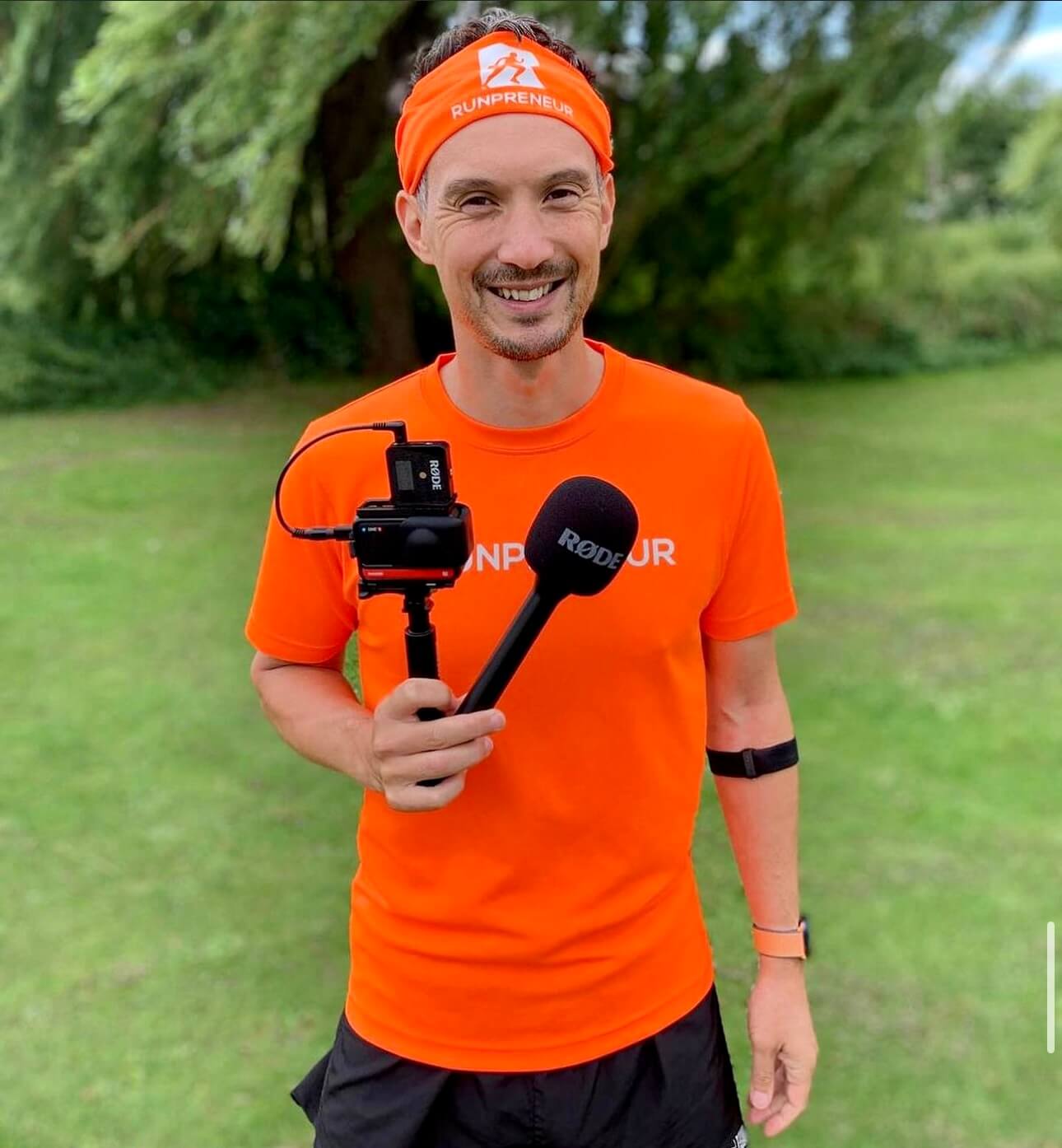
Kevin's 40,075km Challenge: Raising £1 Million for Children
Meet Kevin, a dedicated Runpreneur who embarked on an extraordinary journey to raise £1 million for children in need. Over the course of his 40,075km challenge, Kevin's unwavering determination and passion inspired thousands to join the Runpreneur movement.
Runpreneur Vlogging: Capturing Kevin's Journey
Experience the Runpreneur challenge through the lens of Kevin's video diary. Witness his ups and downs, the camaraderie of the community, and the transformative power of running for a cause. Dive into the visual stories that capture the essence of the Runpreneur movement.

Empowering Children, One Step at a Time
As Kevin logged every kilometre of his 40,075km challenge, the true purpose behind his journey came into focus. Each step, each bead of sweat, fuelled essential healthcare, education, and nutrition programs for children in need around the world.

The Transformative 4x4x48 Challenge
Experience the thrill and personal growth of our iconic 48-hour running event. Witness the determination and resilience of Runpreneurs as they push their limits, one mile at a time.
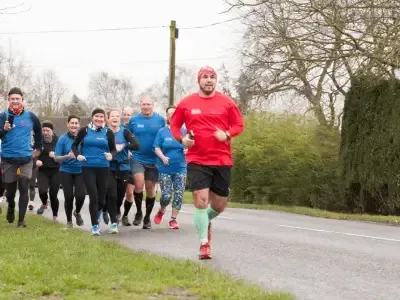
Runpreneur Vlogging: Capturing the Journey
Dive into the visual stories of our Runpreneurs as they document their experiences through engaging video logs. Witness the challenges, triumphs, and moments of camaraderie that define the Runpreneur spirit.
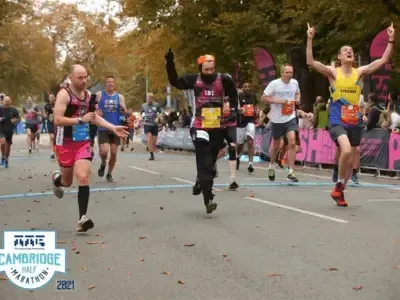
Becoming a Runpreneur: Join the Movement
Learn how you can become a Runpreneur and be part of this global community. Discover the steps to sign up, complete the challenge, and share your journey, all while making a lasting difference.
Connect With Us:



















I am on a mission to raise £1,000,000 for children's causes by daily run-vlogging barefoot-style, covering the total distance of a lap around the world—40,075 km.