
Runpreneur Journey Blog
Embark on an extraordinary journey with the Runpreneur community. Discover inspiring stories, insider tips, and the transformative power of our global challenge. From first-time runners to seasoned athletes, our blog captures the essence of the Runpreneur movement, inspiring others to join the cause.

Day 1960: When Life Throws You Off Guard - Finding Strength in Crisis
Day 1960: When Life Throws You Off Guard - Finding Strength in Crisis
The call came at 7am on what should have been an ordinary morning. Friends who had left their car at mine after a social evening the night before had collected it early - much earlier than usual. The reason became clear when I learned that one of them had received an urgent call about his father suffering a heart attack.
Today marks day 1960 of my consecutive daily running streak. Over 19,600km into my mission to run 40,075km - the distance around the world - while raising £1M for children's causes. Some days the run feels routine, predictable. Today reminded me that life rarely follows the script we write for ourselves.
What struck me wasn't just the emergency itself, but watching how my friend responded. Despite having had social drinks the evening before, despite being woken by devastating news, he immediately shifted into what I can only describe as autopilot mode. His body and mind seemed to know exactly what was needed - clarity of thought, sustained energy, decisive action.
This is something I've observed in my own running journey. When faced with physical discomfort, mental fatigue, or challenging weather conditions during my daily runs, there's often a moment where conscious effort gives way to something deeper. The body finds reserves you didn't know existed. The mind cuts through noise to focus on what truly matters.
During today's run, I reflected on this phenomenon. We all possess this capacity for crisis response, but most of us only discover it when circumstances demand it. The question that kept returning to me was whether we can access this clarity and resilience intentionally, before the emergency hits.
In my friend's case, the immediate crisis response was essential - getting his mother to the hospital, being present throughout the day for updates and support. Thankfully, his father is now stable and being monitored. But the experience highlighted something fundamental about human resilience that applies far beyond medical emergencies.
Running 1960 consecutive days has taught me that consistency isn't about feeling motivated every morning. Most days I don't feel particularly motivated. What I've developed instead is an automatic response - when the alarm goes, the body moves. No negotiation, no internal debate, just action.
This autopilot mode isn't about switching off consciousness. It's about having systems so deeply ingrained that they operate regardless of emotional state, energy levels, or external circumstances. My friend didn't have time to feel sorry for himself or panic about the situation. He had someone depending on him, so he acted.
The parallel with my mission is clear. Children's lives depend on the funds we raise through this challenge. Some mornings I wake up feeling physically drained or mentally foggy. But the mission doesn't pause for my personal comfort levels. The children at Great Ormond Street Hospital and those supported by BBC Children in Need don't get a day off from their battles.
What I'm learning is that true resilience isn't about having superhuman strength or never feeling overwhelmed. It's about having practiced the fundamentals so thoroughly that they become automatic responses when life throws unexpected challenges our way.
My friend's crisis response worked because he had clear priorities - family comes first, action beats anxiety, presence matters more than perfection. My running streak works on similar principles - the mission comes first, movement beats motivation, consistency matters more than individual performance.
This doesn't mean ignoring emotions or pushing through everything without support. My friend will need time to process today's events, just as I need recovery strategies to sustain this long-term challenge. But in the immediate moment of crisis, having systems and priorities that operate automatically can be the difference between effective action and paralysing overwhelm.
The lesson reinforces why I believe so strongly in the power of daily consistency. Each run, even the ones that feel routine or unremarkable, is building the mental and physical infrastructure for when life demands more than we think we can give.
With 20,515km still to cover in my lap of the world challenge, there will undoubtedly be more days when unexpected events test this theory. But today reminded me that the human capacity for rising to meet difficult circumstances is remarkable - and it's something we can strengthen through deliberate practice.
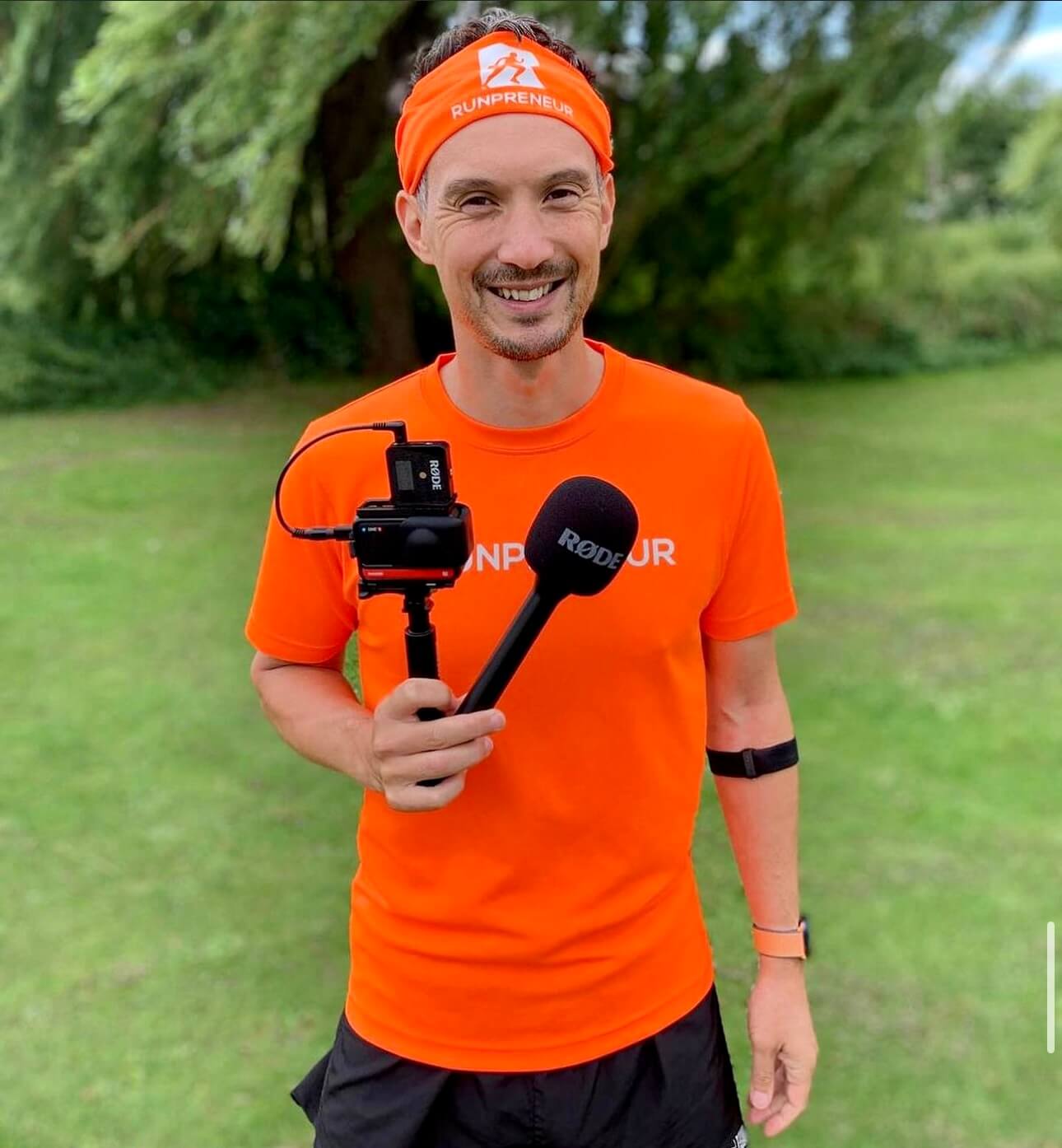
Kevin's 40,075km Challenge: Raising £1 Million for Children
Meet Kevin, a dedicated Runpreneur who embarked on an extraordinary journey to raise £1 million for children in need. Over the course of his 40,075km challenge, Kevin's unwavering determination and passion inspired thousands to join the Runpreneur movement.
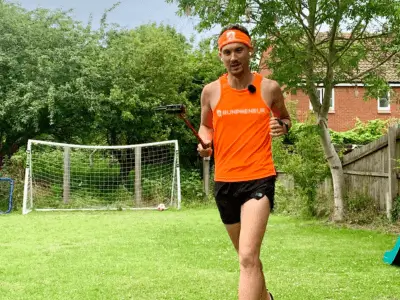
Runpreneur Vlogging: Capturing Kevin's Journey
Experience the Runpreneur challenge through the lens of Kevin's video diary. Witness his ups and downs, the camaraderie of the community, and the transformative power of running for a cause. Dive into the visual stories that capture the essence of the Runpreneur movement.

Empowering Children, One Step at a Time
As Kevin logged every kilometre of his 40,075km challenge, the true purpose behind his journey came into focus. Each step, each bead of sweat, fuelled essential healthcare, education, and nutrition programs for children in need around the world.
The Transformative 4x4x48 Challenge
Experience the thrill and personal growth of our iconic 48-hour running event. Witness the determination and resilience of Runpreneurs as they push their limits, one mile at a time.
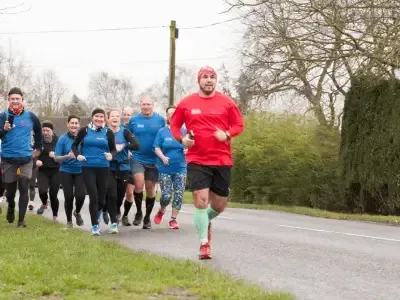
Runpreneur Vlogging: Capturing the Journey
Dive into the visual stories of our Runpreneurs as they document their experiences through engaging video logs. Witness the challenges, triumphs, and moments of camaraderie that define the Runpreneur spirit.
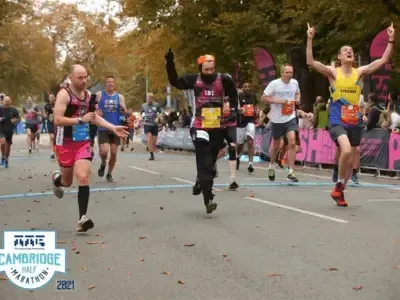
Becoming a Runpreneur: Join the Movement
Learn how you can become a Runpreneur and be part of this global community. Discover the steps to sign up, complete the challenge, and share your journey, all while making a lasting difference.
Connect With Us:



















I am on a mission to raise £1,000,000 for children's causes by daily run-vlogging barefoot-style, covering the total distance of a lap around the world—40,075 km.