
Runpreneur Journey Blog
Embark on an extraordinary journey with the Runpreneur community. Discover inspiring stories, insider tips, and the transformative power of our global challenge. From first-time runners to seasoned athletes, our blog captures the essence of the Runpreneur movement, inspiring others to join the cause.
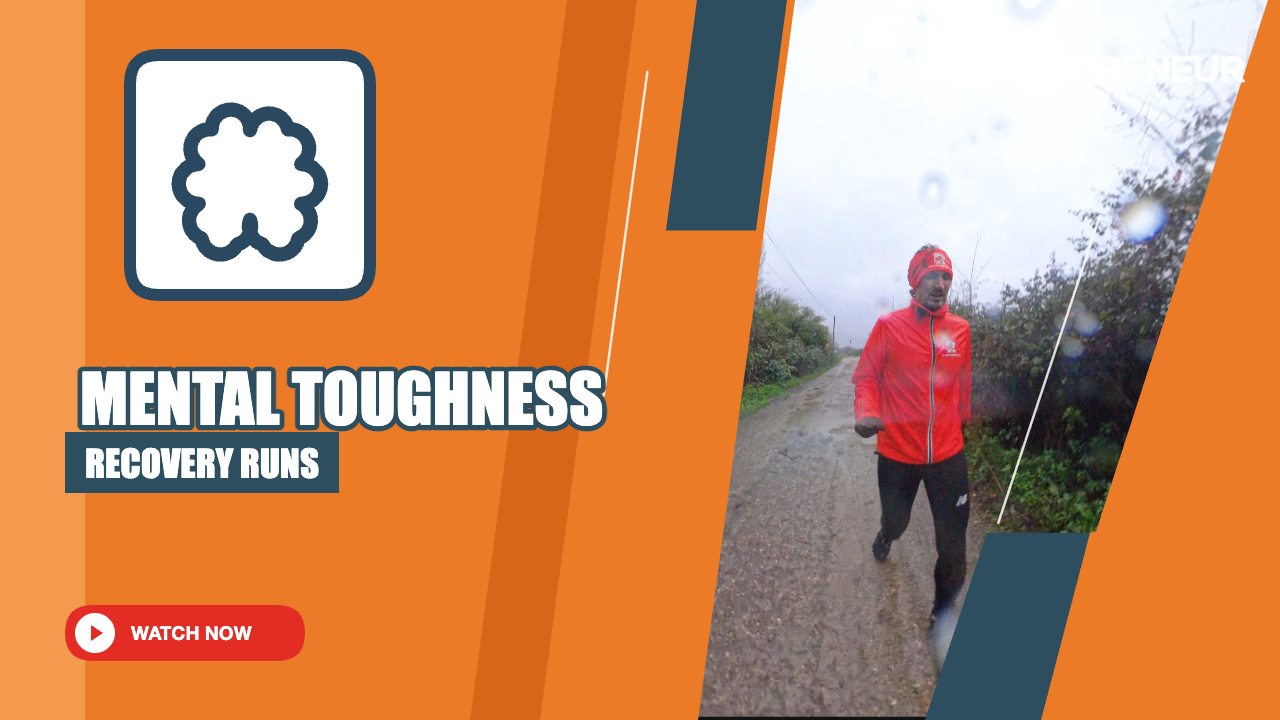
Building Mental Resilience During Recovery Runs - Day 1993 of Running Streak
Building Mental Resilience During Recovery Runs - Day 1993 of Running Streak
Today on day 1993 of my daily running streak, I found myself hobble-jogging through some of the most challenging conditions I've faced recently. Cold rain soaking through to my bones, a relentless crosswind that seemed determined to knock me sideways, and the frustration of still recovering from injury. My body temperature wasn't rising like it usually does during runs, leaving me cold to the core and questioning why I was out there.
But it's precisely in these moments that the real lessons emerge.
When I started this journey to run the equivalent distance of a lap around the world - 40,075km - while raising £1 million for children's causes, I knew there would be days like this. Days when every step feels like a struggle, when the weather conspires against you, and when your body isn't cooperating. What I didn't anticipate was how these challenging runs would become some of my most valuable teachers.
The mental game in endurance running isn't about pushing through pain or adopting a "no excuses" mentality. It's about perspective. Today, as I shuffled along in conditions that made me question my sanity, I reminded myself of a simple truth: running is a privilege.
There are millions of people who would give anything to be able to lace up shoes and head out for a run, regardless of the weather or circumstances. People in hospital beds, those dealing with mobility issues, or individuals facing challenges that make even walking difficult. When I frame my uncomfortable 10km in this context, the discomfort doesn't disappear, but it transforms into something more manageable.
This perspective shift isn't about minimising genuine struggle or pretending everything is fine when it isn't. It's about recognising that what feels like hardship in the moment is actually opportunity. The opportunity to move, to breathe deeply, to be outside, to progress toward a goal that matters.
What struck me most today was how talking through these thoughts during my run actually improved how I felt. Simply acknowledging the difficulty while reframing it through gratitude made the experience about fifty percent better. It reminded me that our internal narrative has enormous power over our experience.
In endurance sports, we often talk about mental toughness as if it's about being harder, pushing more, ignoring discomfort. But I've found something different over these 1993 consecutive days. Real mental resilience comes from gratitude. It comes from remembering why we're doing what we're doing and who benefits from our efforts.
Every kilometre I cover brings me closer to completing this 40,075km mission. More importantly, every step contributes to raising funds for children who are fighting battles far more challenging than anything I face on a cold, windy run. When a child is lying in a hospital bed at Great Ormond Street, they're not worried about crosswinds or feeling cold. They're fighting for their lives.
This perspective doesn't make difficult runs easy, but it makes them meaningful. It transforms complaint into gratitude, struggle into purpose. When I remember that my discomfort is temporary and voluntary while contributing to something bigger than myself, the mental game changes entirely.
Recovery runs like today's are particularly valuable for building this mental resilience. When your body isn't performing at its peak, when you're not hitting personal bests or feeling strong, you're forced to find other reasons to continue. You can't rely on the endorphin high or the satisfaction of a fast pace. You have to dig deeper and find purpose in the struggle itself.
Over nearly 20,000km of consecutive daily running, I've learned that consistency matters more than intensity. Some days you'll feel amazing and cover ground effortlessly. Other days, like today, you'll hobble through in challenging conditions questioning every decision that led you to that moment. Both types of days matter equally in building the mental and physical foundation needed for ultra-endurance challenges.
The gratitude approach isn't just applicable to running. In business, in relationships, in any challenging pursuit, remembering that struggle often accompanies privilege can shift how we experience difficulty. The entrepreneur frustrated with a setback can remember they have the privilege of pursuing their vision. The parent exhausted from sleepless nights can remember they have the privilege of caring for their child.
With over 20,000km behind me and just over 20,000km remaining to complete my lap of the world, I know there will be many more days like today. Days when the weather is harsh, when my body isn't cooperating, when the easy thing would be to cut the run short or skip it entirely. But these are often the days that define the mission.
The children we're raising funds for don't get to choose their difficult days. They face challenges with courage and resilience that puts my weather complaints into sharp perspective. If a 10km hobble-jog in the rain can contribute to their care and support, then I'm genuinely grateful for the opportunity to be uncomfortable.
Mental resilience in endurance sports isn't about becoming impervious to difficulty. It's about finding meaning in the struggle and maintaining perspective when things get tough. Today reminded me that gratitude isn't just good practice - it's essential fuel for the long journey ahead.
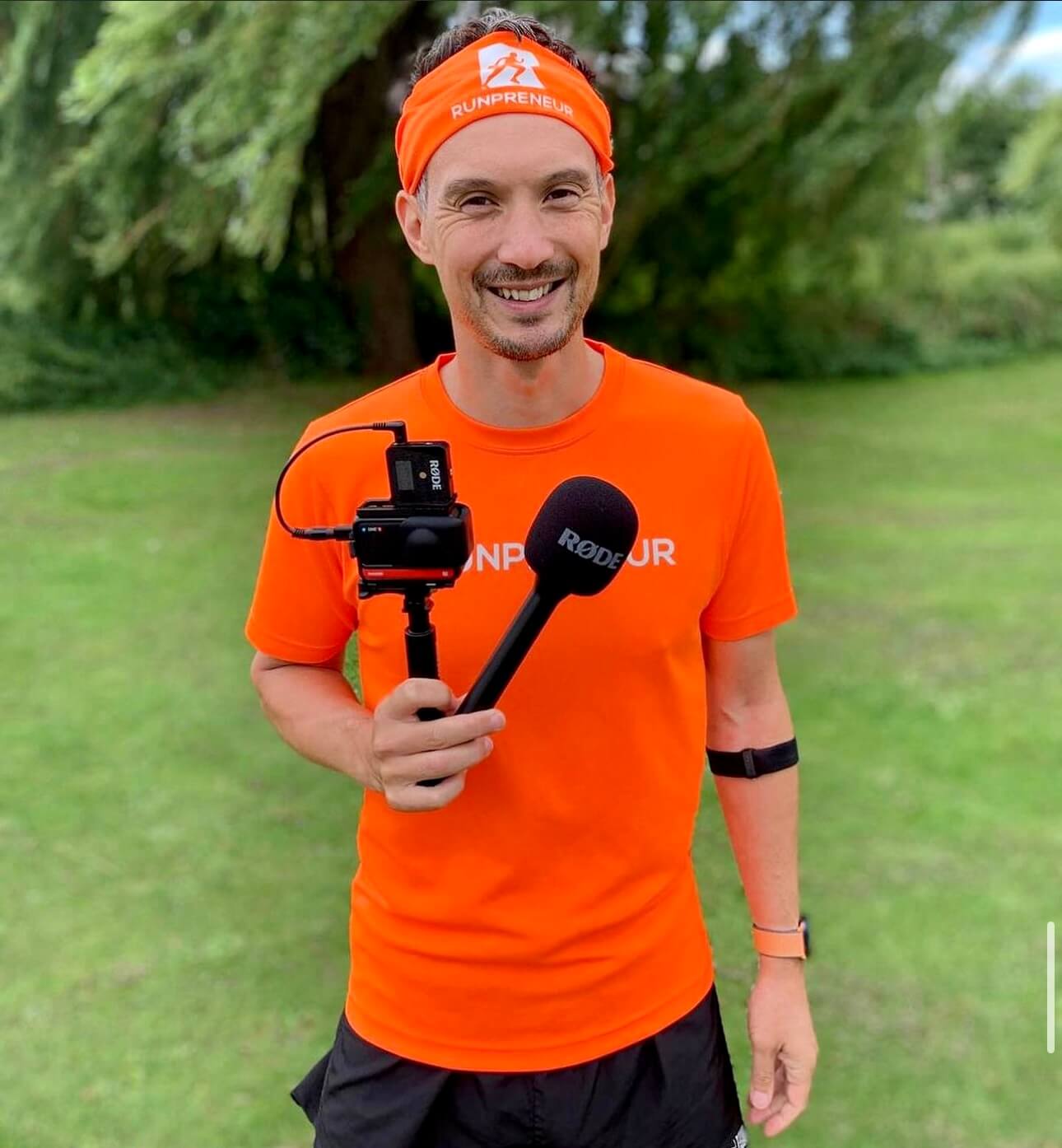
Kevin's 40,075km Challenge: Raising £1 Million for Children
Meet Kevin, a dedicated Runpreneur who embarked on an extraordinary journey to raise £1 million for children in need. Over the course of his 40,075km challenge, Kevin's unwavering determination and passion inspired thousands to join the Runpreneur movement.
Runpreneur Vlogging: Capturing Kevin's Journey
Experience the Runpreneur challenge through the lens of Kevin's video diary. Witness his ups and downs, the camaraderie of the community, and the transformative power of running for a cause. Dive into the visual stories that capture the essence of the Runpreneur movement.

Empowering Children, One Step at a Time
As Kevin logged every kilometre of his 40,075km challenge, the true purpose behind his journey came into focus. Each step, each bead of sweat, fuelled essential healthcare, education, and nutrition programs for children in need around the world.
The Transformative 4x4x48 Challenge
Experience the thrill and personal growth of our iconic 48-hour running event. Witness the determination and resilience of Runpreneurs as they push their limits, one mile at a time.
Runpreneur Vlogging: Capturing the Journey
Dive into the visual stories of our Runpreneurs as they document their experiences through engaging video logs. Witness the challenges, triumphs, and moments of camaraderie that define the Runpreneur spirit.
Becoming a Runpreneur: Join the Movement
Learn how you can become a Runpreneur and be part of this global community. Discover the steps to sign up, complete the challenge, and share your journey, all while making a lasting difference.
Connect With Us:



















I am on a mission to raise £1,000,000 for children's causes by daily run-vlogging barefoot-style, covering the total distance of a lap around the world—40,075 km.