
Runpreneur Journey Blog
Embark on an extraordinary journey with the Runpreneur community. Discover inspiring stories, insider tips, and the transformative power of our global challenge. From first-time runners to seasoned athletes, our blog captures the essence of the Runpreneur movement, inspiring others to join the cause.
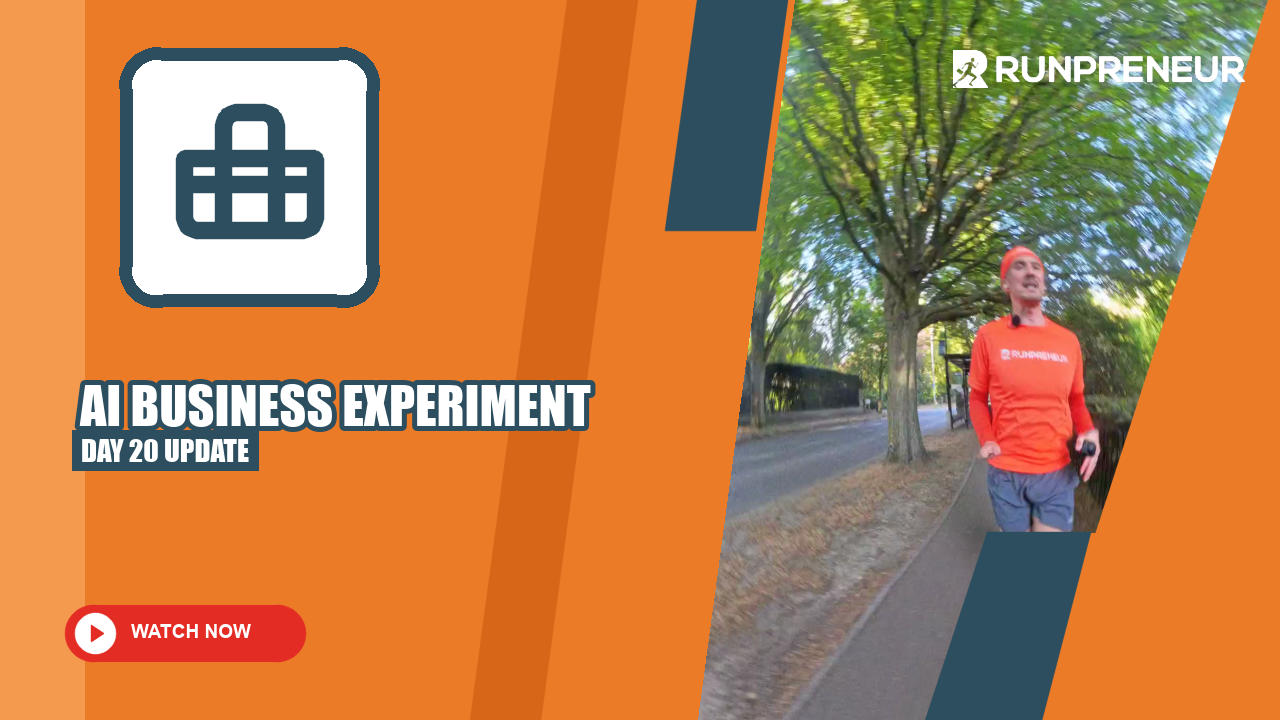
Document Business Processes With AI: What Day 20 of My 30-Day Experiment Taught Me
Twenty days into a 30-day build, I am behind on two modules. I am telling you so because an honest account helps more than a tidy one.
Today is day 2175 of my daily running streak. I have covered 16,691.52km towards a lap of the world, 40,075km in total. That leaves 23,383.48km. I run in barefoot-style footwear every day, and I film the run. Alongside the running, I am on day 20 of an experiment. The aim is to take a business concept to profit in 30 days, with AI doing 90% of the workload.
What I worked on today
Most of today went on the systemisation module. This is the part of the operating system that matters most to me. Most business owners start in the same place. They do everything themselves, or their team does it from memory, and nothing is written down. When someone is ill, leaves or goes on holiday, the knowledge goes with them.
The module works in three steps: - The owner records a simple video of themselves doing a task. - AI turns the recording into a written standard operating procedure (SOP). - Each SOP becomes a skill, and each skill becomes the basis for an AI agent.
This is how an owner hands day-to-day work to AI. If you want to document business processes with AI, the recording is the easy part. The hard part is building the chain from recording to SOP to skill to agent so each step feeds the next. This was a difficult module to build and finish. I spent a lot of time on it today, and I think the time was justified.
The cost of the time
The extra time has a price. The HR and team modules are still partly complete. I have overrun a little on them because systemisation took longer than I planned. Around 25 modules are in place for version 1, and more are queued for version 2 after launch. I want to be accurate about the gap. I am not behind on the whole project, but I am behind on those two modules, and I will need to close the gap in the next two weeks.
The honest answer on timing
People ask whether you can build a product like this in 30 days. My answer is yes, with conditions. I will hit 30 days. They will not be eight-hour days, though. Many of them have run close to double that, and I have worked into the early hours to stay on schedule.
If you care about the quality of what you build, some parts take longer than you plan. You find the extra hours somewhere. If you want a more relaxed pace, I would say 60 to 90 days is realistic, closer to 90 than 60. A 30-day launch is achievable with the right focus and the right plan. It is a sprint, and a sprint has a cost. I would rather state the cost than pretend it does not exist.
What comes next week
There are ten working days left. Next week is the migration. I will move everything built so far onto a more robust back-end database, Supabase, and move the hosting to Netlify. Both are low-cost subscription products. They matter because they give you security, consistency and as little downtime as possible. Anyone selling software needs all three.
I have no experience of a migration like this. I will rely heavily on Claude Code to take me through the process step by step and check we do it correctly. This is the reason I invested so much time in AI to begin with. I do not need to know every technical step. I need to know what a safe result looks like, and I need to check the work against it.
The parallel with the running
The experiment and the streak teach me the same lesson. Consistency matters more than intensity. The streak is not 2175 impressive days. It is 2175 ordinary days, most of them unremarkable, strung together. The build works the same way. No single day delivers a product. Twenty days of steady work produced around 25 modules.
Overrunning one module is also a pacing lesson. In a long run, you slow down early to finish. In a build, you accept one module taking longer so the foundation holds. The aim is to finish well, not to hit every target on the day.
Why this connects to the mission
I run to raise £1M for children's causes, including Great Ormond Street and BBC Children in Need. The distance is 40,075km, and I plan to keep the streak going for 16.5 years. A goal that long only works if I build systems that run without me needing to be at my best every day. The same idea sits behind the systemisation module. A business owner who documents what they do and hands it to AI gains time back. I use my own time to run, to film and to keep the mission moving.
I do not want to overstate any of this. The product is not live yet. I have not made a profit yet. I am telling you what has happened on day 20, including the parts that are behind.
What I would suggest if you are building something
- Write down your process while you do the work, not after. - Set a realistic timeline, then add margin. - Accept that quality takes extra hours at points, and plan where they come from. - Check each piece of AI work against a clear definition of done.
If you want to follow the experiment, watch the episode and tell me what you would like covered in the remaining ten days. If you believe in the mission, subscribing, sharing and commenting helps more people see it. More people watching means more money raised for children's causes. I will see you tomorrow.
Watch the full episode: https://youtu.be/zRwfX8OloYI
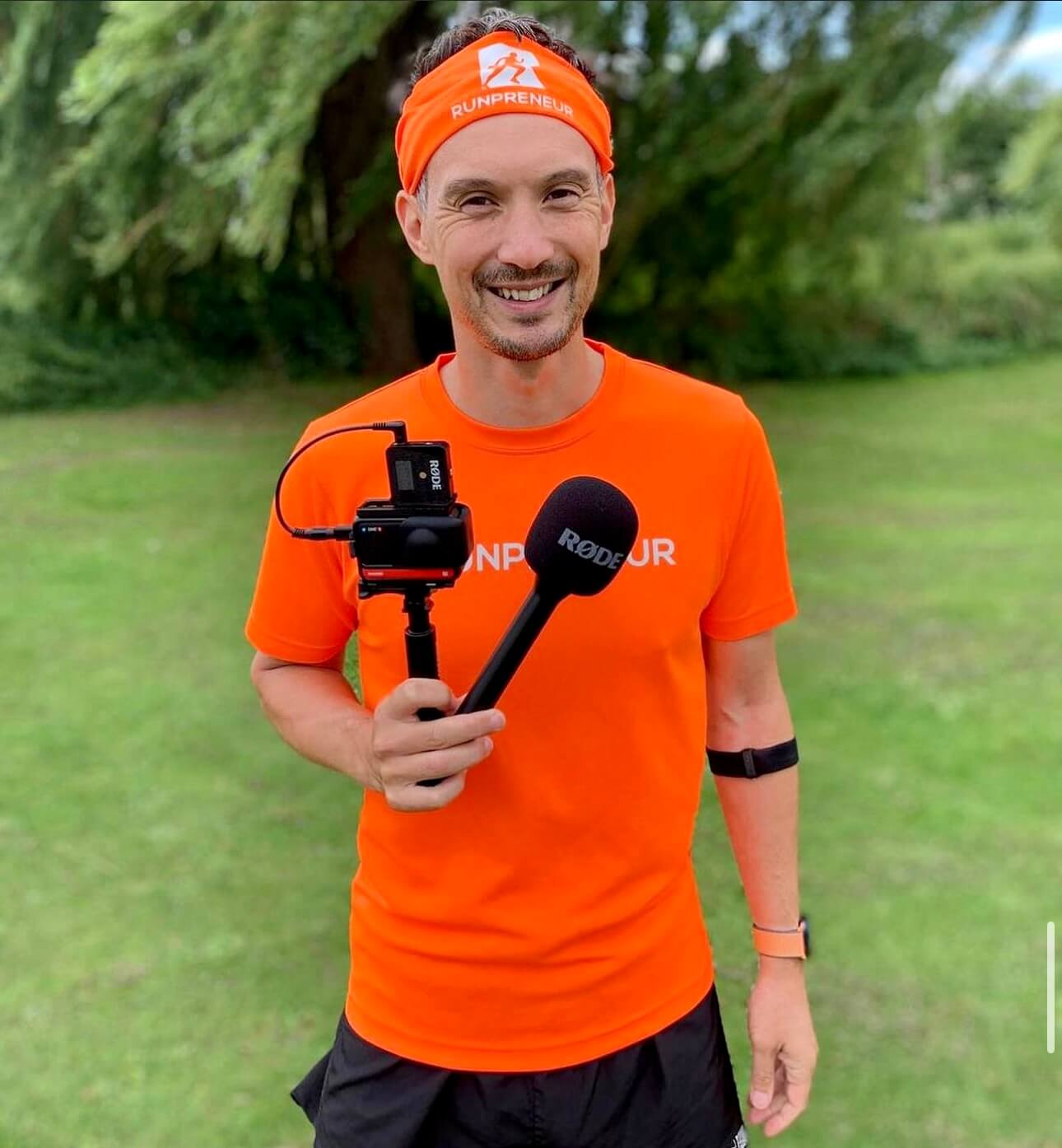
Kevin's 40,075km Challenge: Raising £1 Million for Children
Meet Kevin, a dedicated Runpreneur who embarked on an extraordinary journey to raise £1 million for children in need. Over the course of his 40,075km challenge, Kevin's unwavering determination and passion inspired thousands to join the Runpreneur movement.
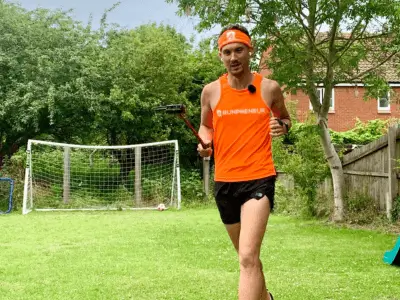
Runpreneur Vlogging: Capturing Kevin's Journey
Experience the Runpreneur challenge through the lens of Kevin's video diary. Witness his ups and downs, the camaraderie of the community, and the transformative power of running for a cause. Dive into the visual stories that capture the essence of the Runpreneur movement.

Empowering Children, One Step at a Time
As Kevin logged every kilometre of his 40,075km challenge, the true purpose behind his journey came into focus. Each step, each bead of sweat, fuelled essential healthcare, education, and nutrition programs for children in need around the world.
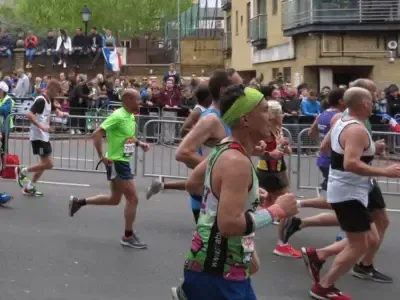
The Transformative 4x4x48 Challenge
Experience the thrill and personal growth of our iconic 48-hour running event. Witness the determination and resilience of Runpreneurs as they push their limits, one mile at a time.
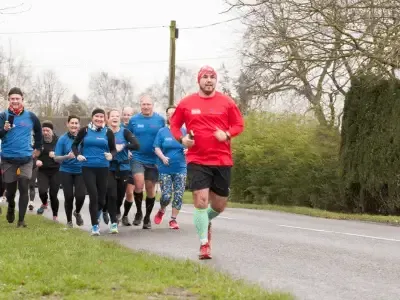
Runpreneur Vlogging: Capturing the Journey
Dive into the visual stories of our Runpreneurs as they document their experiences through engaging video logs. Witness the challenges, triumphs, and moments of camaraderie that define the Runpreneur spirit.
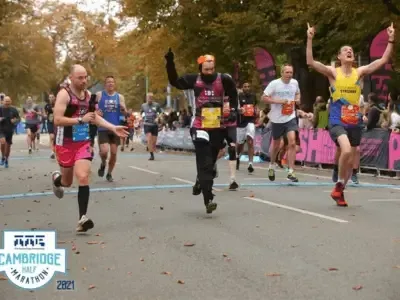
Becoming a Runpreneur: Join the Movement
Learn how you can become a Runpreneur and be part of this global community. Discover the steps to sign up, complete the challenge, and share your journey, all while making a lasting difference.
Connect With Us:



















I am on a mission to raise £1,000,000 for children's causes by daily run-vlogging barefoot-style, covering the total distance of a lap around the world—40,075 km.