
Runpreneur Journey Blog
Embark on an extraordinary journey with the Runpreneur community. Discover inspiring stories, insider tips, and the transformative power of our global challenge. From first-time runners to seasoned athletes, our blog captures the essence of the Runpreneur movement, inspiring others to join the cause.
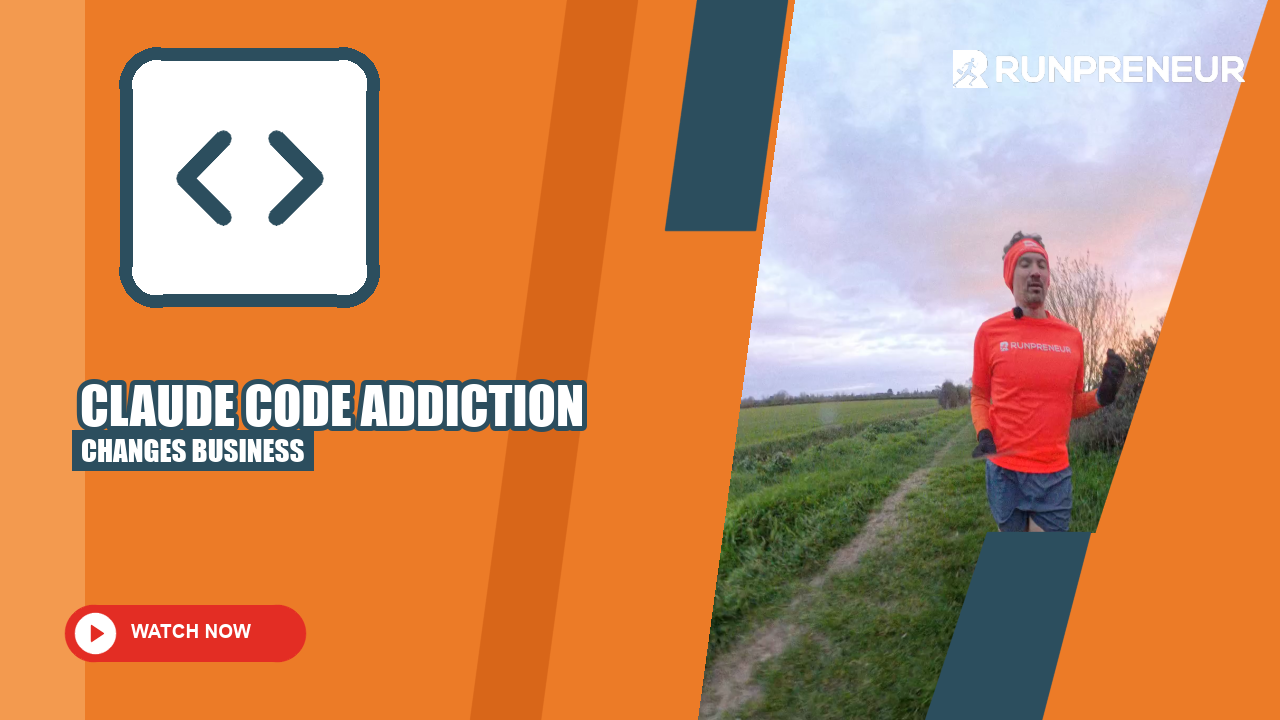
Claude Code for Business: How I Built an Inbound Communications System With No Coding Experience
Today is Day 2129 of my daily barefoot-style running streak. I have now covered 16,362.05km, which leaves 23,712.95km of the 40,075km lap of the world. I film this every day to raise £1M for children's causes. Today's episode is not about running. It is about Claude Code, and I will explain why it has taken over so much of my attention.
A quick note on timing. AI moves fast, and my content is published roughly two to three months after I film it. Some of the detail here may already have moved on by the time you read it. I do that delay on purpose, for privacy, so nobody knows exactly where I am at any given time. The principle will still hold.
What Claude Code is
I started with ChatGPT, like most people. It changed how people use AI. Competitors then caught up, and some overtook it. One of them is Anthropic, and its model is called Claude.
Claude has three parts that matter to me. There is the chat function, which is what most people use. There is a desktop co-work mode, where it works with folders on your computer and does tasks for you. I have built many skills in that mode that act as small AI agents in my business. And there is Claude Code, which writes software. I have been using that more and more.
I have no coding background. That matters, because it shows what is possible for a non-technical business owner.
The poker experiment
I started with something small. At the weekend I played poker with four friends. We put in £10 per game and played three. The winner took the pot, which paid £40 back, and second place got their £10 stake back. I won one game, came second in another and did not place in the third. I put in £30, took out £50 and finished £20 up. I do not gamble big money and I am not a gambler.
I do not play much poker, though, and I struggled with the hands that sat in the middle, where I could not tell whether to bet or fold. So I asked Claude Code to build a simple page that works on my phone. I choose how many players are at the table and whether my chip stack is low, medium or high. A grid then shows every starting hand, and a traffic light tells me whether to bet, bet only if nobody has raised, or fold.
It took about 30 minutes. I do not plan to use it at the table. I want to learn the probabilities by studying the grid so I make better decisions myself. Using it mid-game would give me an unfair edge, so I won't.
The business build
The real test was the inbound communications system. When anyone wants to reach your business, it arrives somewhere. That could be post, a call, a text, a social media message or an email. Over time the volume becomes huge, and it all needs a response if you want to give people good service. We used Gmail, WhatsApp, Slack and several other tools, and the messages were scattered.
Over one weekend I built a web-based system that pulls these channels into one place. It has rules for what happens to each message. It has security measures and audit trails. AI currently handles around 80% of the work, including drafting responses. I still approve those drafts, because I want to be comfortable with the quality before I loosen that control.
I spent roughly six to eight hours on it, which is a full working day. If I had fitted it around other work, it would have taken two or three days. I talked each process through with Claude Code and it built the software.
I have previously had four people running this part of the business. It could now be run by one person in about half an hour a day. That is the figure as I see it today, and I will keep checking it as the system gets more use.
I have also built a new leadership dashboard that gives me better metrics and visuals to run the business. I will cover that in later episodes.
The cost comparison
A couple of years ago, I estimate software like this would have cost £30,000 to £40,000 to commission from developers. I built it in about eight hours on a subscription of £80 to £90 a month. That is my own estimate, not a quote, but the gap is clear enough to take seriously.
It is not effortless. You need to connect it to other software through APIs, and that takes some setup. When I do not know how to do something, I tell Claude Code that, and it walks me through it. The skill is in knowing your own processes well enough to explain them.
What I took from it
If you run a business, ask which frustration costs you the most time each week. Then try describing it to Claude Code in plain English. Start with something small, as I did with the poker grid, and build confidence before you hand it a real process.
I believe AI is changing business quickly, and some people welcome that while others are worried. I think the risk of not paying attention is greater than the risk of experimenting. That is my view, not a forecast.
Why this sits alongside running
The same principle drives the streak. Small actions repeated every day add up. I run daily because consistency beats intensity, and I am planning for a streak of around 16.5 years. Learning a tool like this works the same way. A few hours each week compounds.
The mission stays the same. Every day I run and film is part of an attempt to cover 40,075km and raise £1M for children's causes. The more people who see the vlog, the more money we can raise, and that is why I do it every day.
If today's topic is relevant to you, watch the full episode, follow along and tell me what you would like me to cover next. If you believe in the mission, please share it with someone who might support it.
Watch the full episode: https://youtu.be/pKw8z3dxsVw
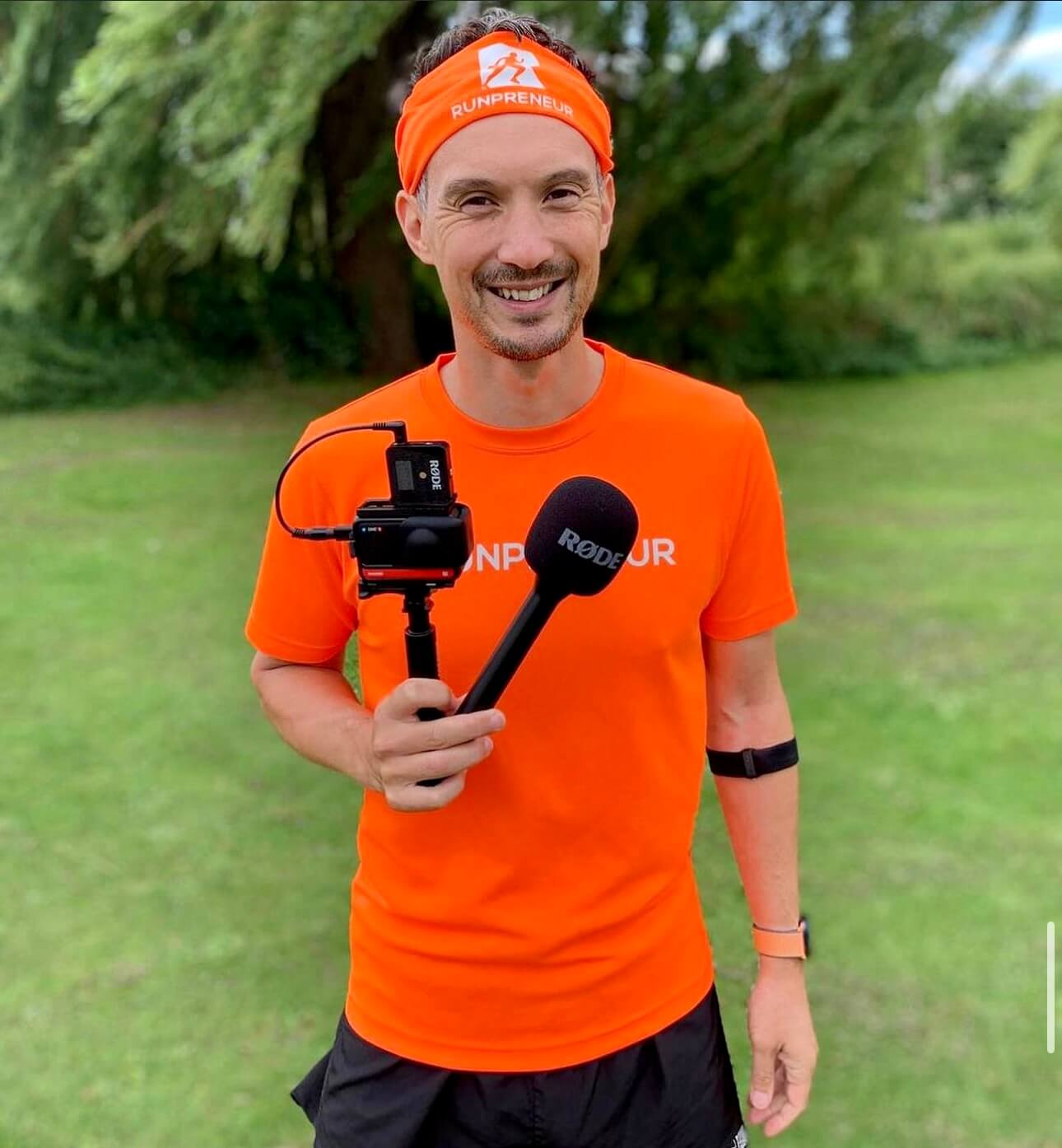
Kevin's 40,075km Challenge: Raising £1 Million for Children
Meet Kevin, a dedicated Runpreneur who embarked on an extraordinary journey to raise £1 million for children in need. Over the course of his 40,075km challenge, Kevin's unwavering determination and passion inspired thousands to join the Runpreneur movement.
Runpreneur Vlogging: Capturing Kevin's Journey
Experience the Runpreneur challenge through the lens of Kevin's video diary. Witness his ups and downs, the camaraderie of the community, and the transformative power of running for a cause. Dive into the visual stories that capture the essence of the Runpreneur movement.

Empowering Children, One Step at a Time
As Kevin logged every kilometre of his 40,075km challenge, the true purpose behind his journey came into focus. Each step, each bead of sweat, fuelled essential healthcare, education, and nutrition programs for children in need around the world.
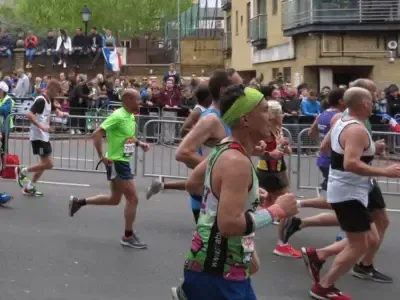
The Transformative 4x4x48 Challenge
Experience the thrill and personal growth of our iconic 48-hour running event. Witness the determination and resilience of Runpreneurs as they push their limits, one mile at a time.
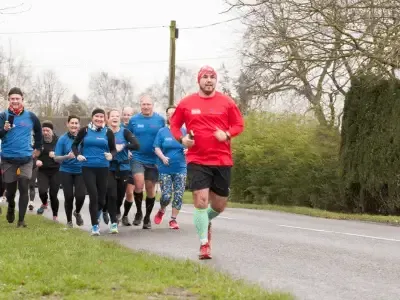
Runpreneur Vlogging: Capturing the Journey
Dive into the visual stories of our Runpreneurs as they document their experiences through engaging video logs. Witness the challenges, triumphs, and moments of camaraderie that define the Runpreneur spirit.
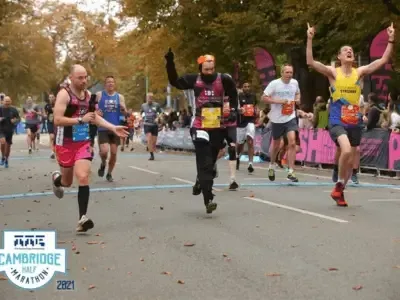
Becoming a Runpreneur: Join the Movement
Learn how you can become a Runpreneur and be part of this global community. Discover the steps to sign up, complete the challenge, and share your journey, all while making a lasting difference.
Connect With Us:



















I am on a mission to raise £1,000,000 for children's causes by daily run-vlogging barefoot-style, covering the total distance of a lap around the world—40,075 km.