
Runpreneur Journey Blog
Embark on an extraordinary journey with the Runpreneur community. Discover inspiring stories, insider tips, and the transformative power of our global challenge. From first-time runners to seasoned athletes, our blog captures the essence of the Runpreneur movement, inspiring others to join the cause.
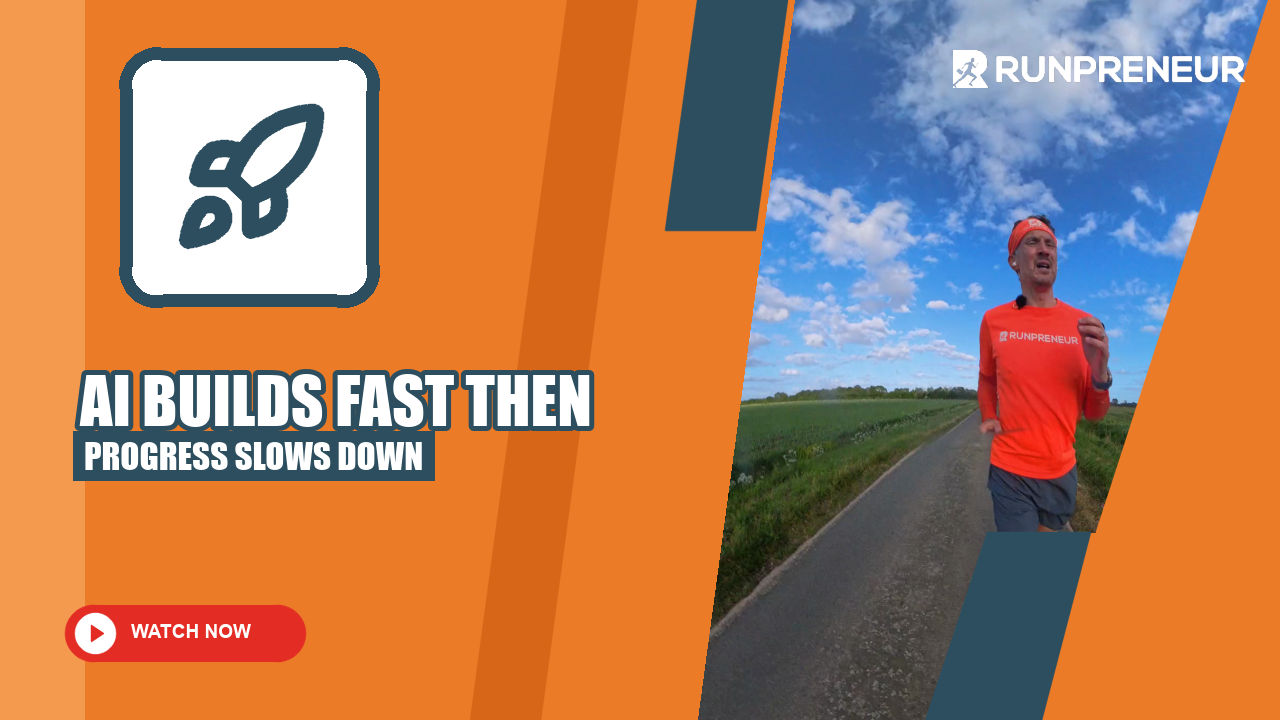
AI Vibe Coding Slows Down at Halfway: What I Changed on Day 16 of My 30 Day AI Challenge
AI vibe coding slows down once you have built enough to break. I reached that point today, on day 16 of my 30 day AI challenge, and it taught me something I have also learned on the road.
Today is consecutive day 2,171 of my daily run vlog. I have covered 16,662.44km of the 40,075km lap of the world, which leaves 23,412.56km. I run barefoot-style, and I do it to raise £1M for children's causes. The challenge I am working through in parallel is to take a business concept to profit in 30 days, using AI for 90% of the workload.
What happened at the halfway point
At the start, progress was fast. You begin from nothing, and almost everything you ask AI to build produces something you can see on screen. That feels good. It is also the easiest stage.
Then the number of modules grows. I have built around 20, maybe more. My team now uses what we build while we are still building it, so they find errors, bugs and issues in modules we finished weeks ago. My time used to go entirely on creating new modules. Now roughly half of it goes on fixing existing ones.
That is not failure. It is the process. But it is demoralising if you do not expect it, because your output looks like it has dropped off while you are working just as hard.
Where the time was going
When I looked at the repeated work, one pattern stood out. Fixing even a small, low-stakes part of a module could take five, six or seven rounds of back and forth with the AI. If I could fix the same thing in one or two rounds, that is a gain of around four times on that task. Multiply that across every fix and the saving is large.
Anything you do repeatedly with AI should become a documented skill. A skill can later become an agent. So I stopped treating each fix as a one-off and started writing down the workflow.
Four changes that helped
First, better prompts. My rule of thumb is simple. If a 13 year old could understand what I am asking, I do not worry about the prompt. If the issue is long or easy to misread, I use a prompt skill. It follows a structure: the background, the instruction, the limits, the deliverable, and a specific role for the AI to work from. I took much of this from experts in the AI space, and I asked AI to help me build it. My estimate is that it has cut the number of iterations roughly in half.
Second, a verify skill. AI will often tell you a fix is done when it is not. Sometimes the change was never pushed to the server. The verify skill checks that the fix works before I look at it myself. That has saved one or two extra rounds each time.
Third, an audit skill. This looks at a whole module and checks for bugs, security issues, speed issues and coding issues. It gives a score out of 100 and breaks the score into categories. I use it as a final check on a module's health, not on every small fix.
Fourth, a build feature skill. It takes the prompt, builds a full plan, and asks for my approval before anything is built. A lot of the back and forth now happens at the plan stage, where it is cheap to change my mind. A health bar on each page is a smaller part of that same workflow.
My estimate is a four to five times productivity gain on the work that had slowed down. That is my own judgement, not a measured result, and I will treat it that way until I have the numbers.
Why fewer iterations matters
There is a practical reason beyond speed. Most coding platforms limit how much you can use. Fewer rounds of back and forth means more output within that limit. Clear, plain communication gives better results. The old line applies: fail to plan and you plan to fail.
The same lesson on the run
This is what a streak teaches. Day one of a run streak is easy to feel. Day 2,171 is different. Nothing about the early excitement is left, so the system has to carry the effort. I run daily, I film daily, and the routine is documented in my head and my diary. I do not rely on motivation.
The AI challenge works the same way. The early gains came from enthusiasm and a blank page. The gains from here come from process. Slower, more boring work is what keeps the output steady.
I also think about the length of the mission. I am planning around a 16.5 year streak to complete the lap of the world. Over that time there will be many stretches where progress feels slower than it did at the start. That does not mean I am falling behind. It means the work has changed. Fixing and maintaining what exists becomes part of the job, and the answer is better systems, not more intensity.
What I take from today
Productivity tapers off around the halfway mark because the more you build, the more there is to go wrong. Plan for it. Write down repeated steps as skills. Put your effort into the prompt and the plan, because mistakes are cheapest to fix there.
The mission behind my daily vlogs is to raise £1M for children's causes by attempting the ultimate ultra marathon of run vlogging, barefoot-style, over a lap of the world. The more people who see these videos, the more we can raise for children. If you find this useful, watch the episode, subscribe, and share it with someone who is building with AI or running a business. If you have a question, leave a comment and I will reply where I can.
I will be back tomorrow with day 2,172.
Watch the full episode: https://youtu.be/cXbOem7nCAo
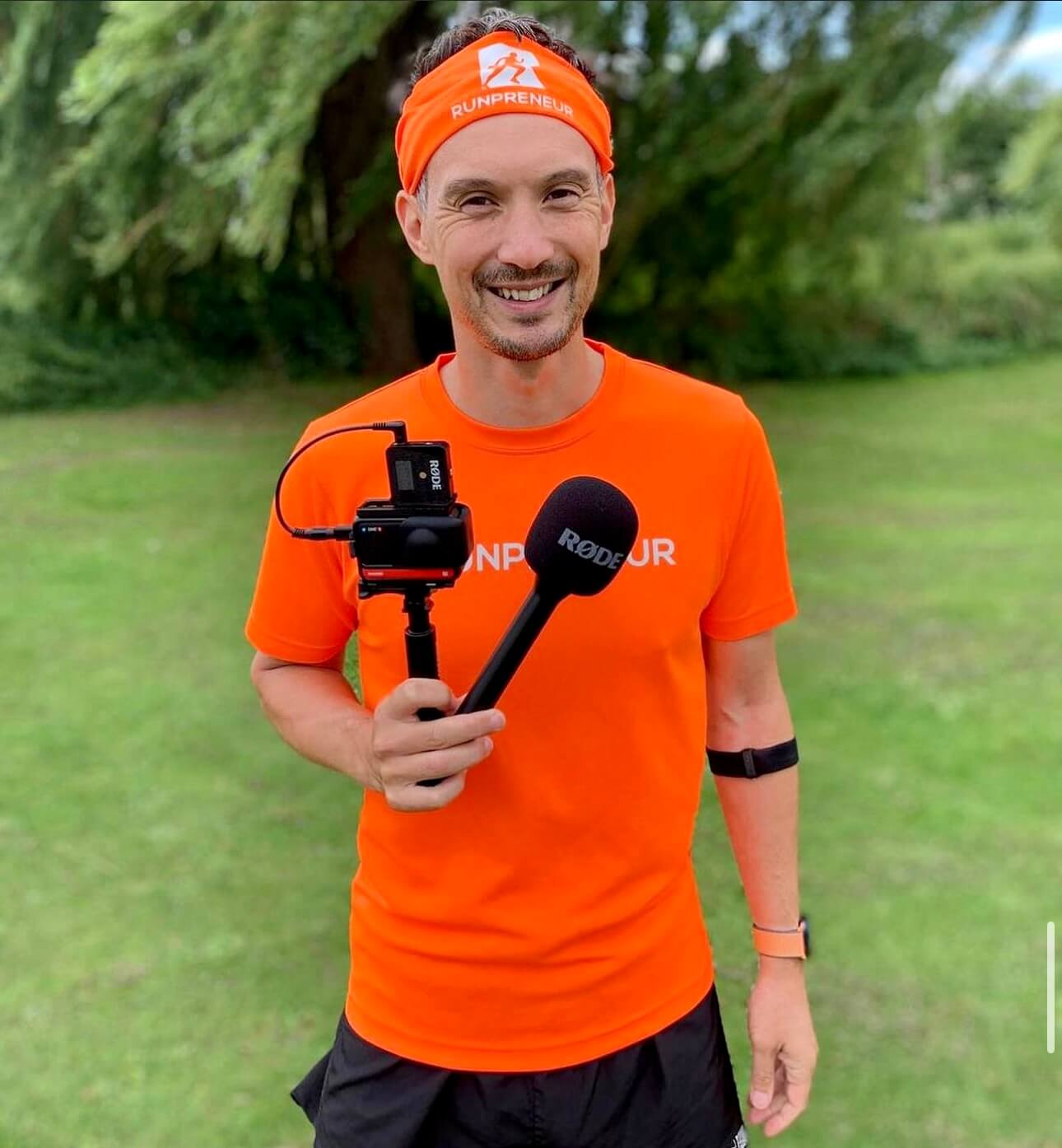
Kevin's 40,075km Challenge: Raising £1 Million for Children
Meet Kevin, a dedicated Runpreneur who embarked on an extraordinary journey to raise £1 million for children in need. Over the course of his 40,075km challenge, Kevin's unwavering determination and passion inspired thousands to join the Runpreneur movement.
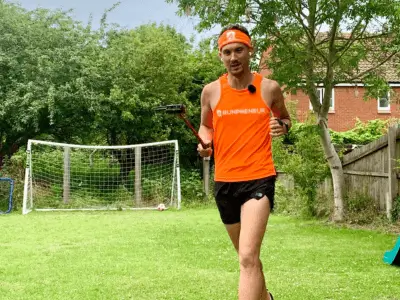
Runpreneur Vlogging: Capturing Kevin's Journey
Experience the Runpreneur challenge through the lens of Kevin's video diary. Witness his ups and downs, the camaraderie of the community, and the transformative power of running for a cause. Dive into the visual stories that capture the essence of the Runpreneur movement.

Empowering Children, One Step at a Time
As Kevin logged every kilometre of his 40,075km challenge, the true purpose behind his journey came into focus. Each step, each bead of sweat, fuelled essential healthcare, education, and nutrition programs for children in need around the world.
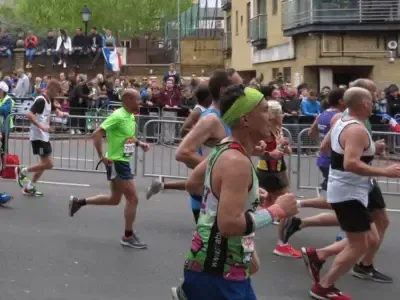
The Transformative 4x4x48 Challenge
Experience the thrill and personal growth of our iconic 48-hour running event. Witness the determination and resilience of Runpreneurs as they push their limits, one mile at a time.
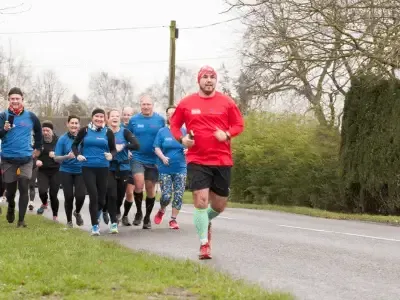
Runpreneur Vlogging: Capturing the Journey
Dive into the visual stories of our Runpreneurs as they document their experiences through engaging video logs. Witness the challenges, triumphs, and moments of camaraderie that define the Runpreneur spirit.
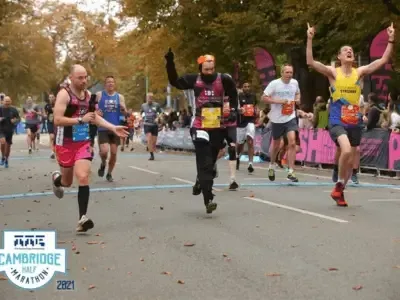
Becoming a Runpreneur: Join the Movement
Learn how you can become a Runpreneur and be part of this global community. Discover the steps to sign up, complete the challenge, and share your journey, all while making a lasting difference.
Connect With Us:



















I am on a mission to raise £1,000,000 for children's causes by daily run-vlogging barefoot-style, covering the total distance of a lap around the world—40,075 km.