
Runpreneur Journey Blog
Embark on an extraordinary journey with the Runpreneur community. Discover inspiring stories, insider tips, and the transformative power of our global challenge. From first-time runners to seasoned athletes, our blog captures the essence of the Runpreneur movement, inspiring others to join the cause.
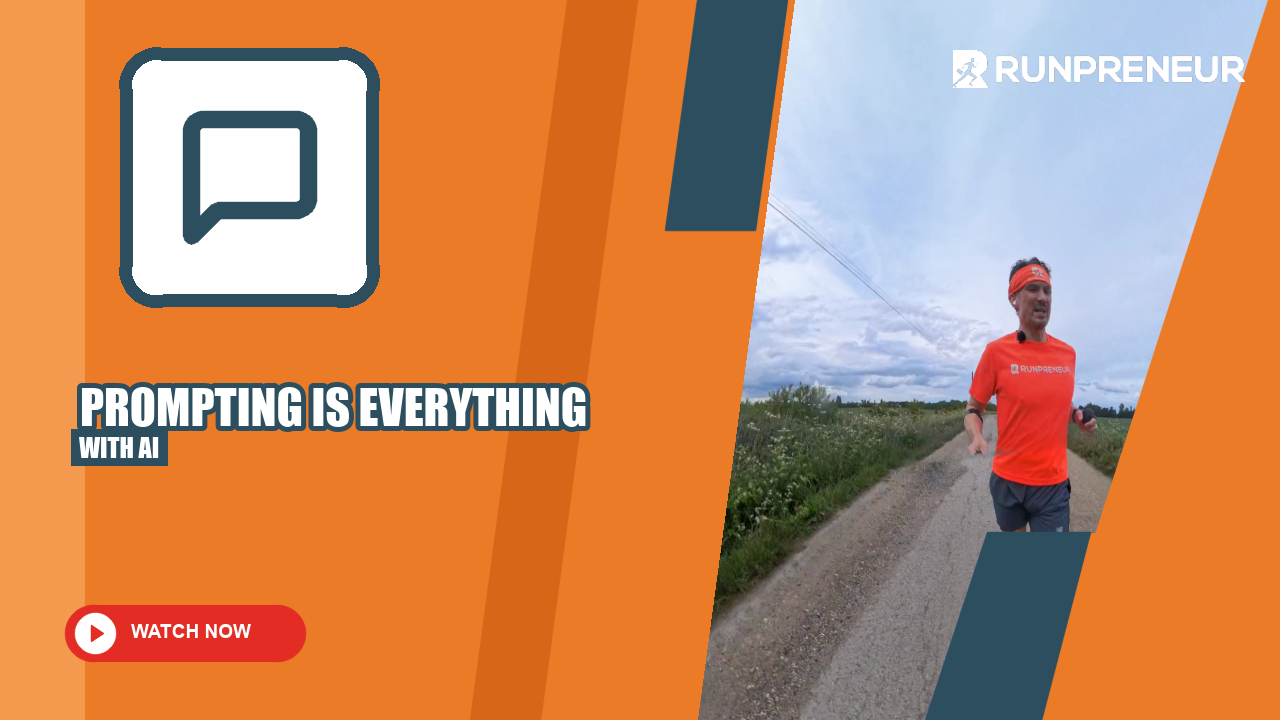
AI Prompts Not Working? Two Lessons From Four Weeks of Daily AI Use
If your AI prompts are not working, look at the prompt before you blame the tool. Poor prompts return poor outputs. I have spent the last four weeks working with AI all day, every day, and this is the first lesson I would hand to anyone.
Today is Day 2177 of my daily run streak. I recorded this episode on the road, and the topic was what four weeks of intensive AI use has taught me.
Why I am working with AI so intensively
I am running an experiment. I want to take a business concept through to profit in 30 working days, with AI doing 90% of the workload. I set the target as a challenge, and I knew the intensity would teach me more than casual use ever would. Four weeks are done and two remain. I have no final result to report, so I will not pretend to one. What I have is two lessons I trust enough to share now.
What happened on the run
Today's route was new to me. I stopped at a railway crossing and could not tell whether I was going the right way. Further on, I found myself on a single track road close to someone's house, unsure where it led. I paused to work out the route before carrying on.
Running somewhere unfamiliar showed me the problem with a vague prompt. When you do not know the route, you need a clear starting point, a clear destination and the facts about the terrain. An AI model without those facts guesses. A runner who guesses ends up at a dead end.
Lesson one: the quality of the prompt decides the quality of the output
My first step was to build a skill inside my AI tool to structure my prompts. I speak my instructions in a chatty, conversational way, and I ramble. The skill takes my rambling and turns it into a structured prompt before the AI starts work.
I designed a framework to remember the structure. I call it BILD, spelled B-I-L-D:
- B is Background. Explain the situation and what you are trying to achieve. - I is Instruction. State what you are asking the AI to do. - L is Limitations. List the constraints around the task. - D is Deliverable. Say what output you want back.
Inside the background, give the AI a role. If the work is software, ask it to act as a software developer. If the work is legal, ask it to act as a lawyer. A role gives the AI a baseline of expertise and a context for how to respond.
In my experience, outputs from structured prompts are around five times better than outputs from my raw, waffling instructions. That figure is my own judgement from four weeks of use. I have not measured it. The gap, though, was big enough for me to notice in the first week and stay consistent after.
Lesson two: do not over-restrict the AI
My best outputs came when I explained the problem and admitted I did not have the answer. I asked the AI to help me solve the problem rather than telling it how to solve it.
Here is where the two lessons meet. Limitations in BILD are constraints, such as budget, tone, format or things to avoid. They are different from scripting the method. When I dictate every step, the AI follows my steps and inherits my blind spots. When I give it the background, the constraints and the deliverable, then leave the route open, it proposes approaches I had not considered.
Some of those outputs surprised me. I would still check every one of them, because a free-thinking AI needs a human who reviews the work.
What I would do if I started again today
1. Build a prompt-structuring skill before anything else. 2. Write the background first, and include a role. 3. State the instruction in one clear sentence. 4. List the limitations as real constraints, not as a script. 5. Describe the deliverable so you know when the work is done. 6. Say plainly when you do not know the answer, and ask for help finding it.
Why this connects to the streak
Neither lesson is clever. Both are small habits repeated daily. The prompt skill only works because I use it every time. The streak works the same way. I have run 2177 consecutive days, and no single run made the difference. The repetition did.
My vision is a streak of around 16.5 years. The goal is to cover 40,075km, a lap of the world, running in barefoot-style footwear. Today's total stands at 16,706.16km, which leaves 23,368.84km to go. Alongside the distance, I am working towards raising £1M for children's causes, including Great Ormond Street and BBC Children in Need. I do not take that goal lightly, and I will keep reporting progress honestly as it comes.
Consistency over intensity applies to running, to AI and to the mission. A structured habit beats a burst of effort, and a clear brief beats a long, loose one.
If you use AI in your business, try the BILD structure on your next task and compare the result with your usual prompt. If you have questions, leave a comment and I will reply to anything relevant. If you want to follow the run and the mission, subscribe to the channel. Every extra viewer helps the fundraiser reach more people.
I will be back out tomorrow for Day 2178.
Watch the full episode: https://youtu.be/y81362K5skw
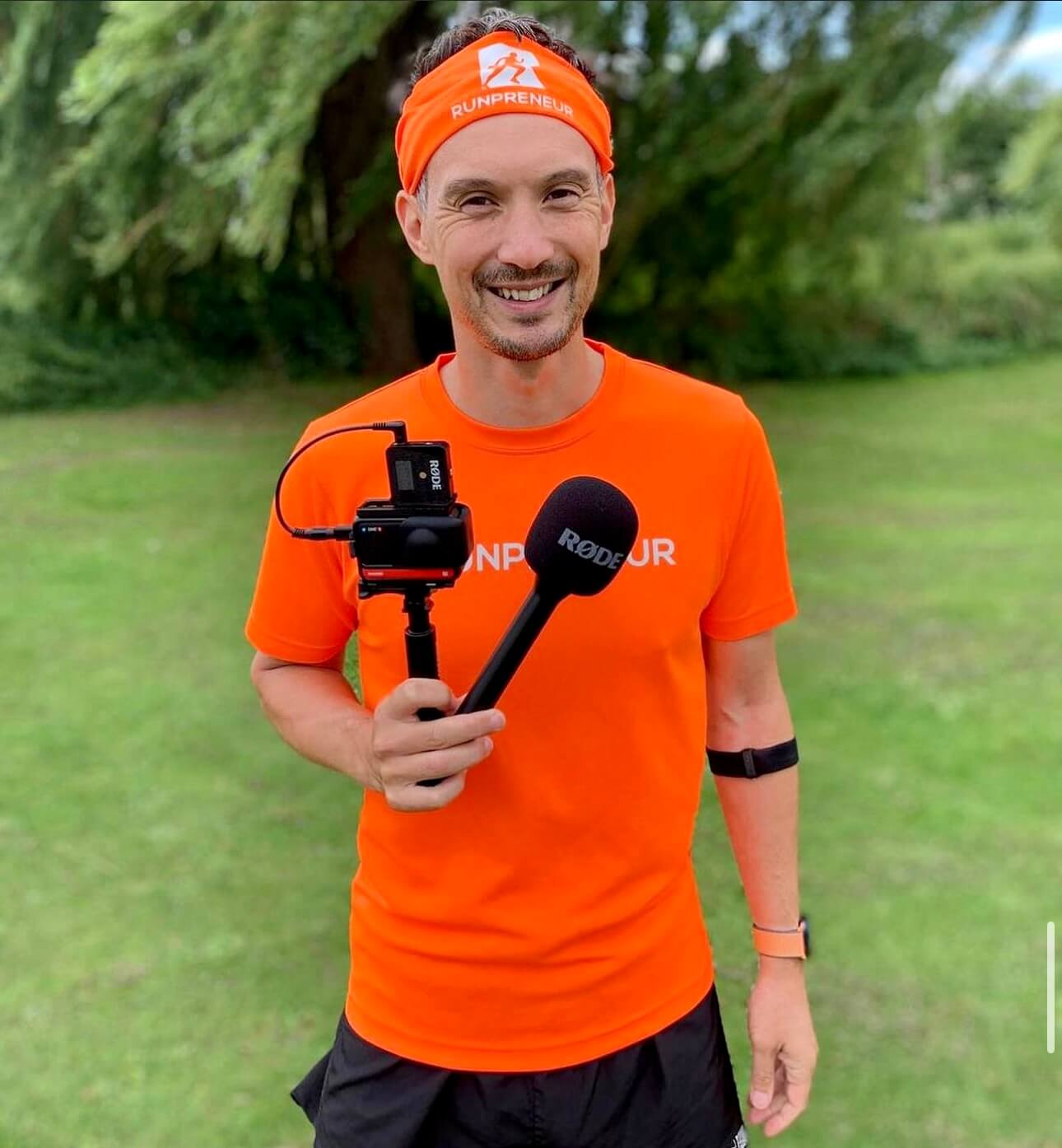
Kevin's 40,075km Challenge: Raising £1 Million for Children
Meet Kevin, a dedicated Runpreneur who embarked on an extraordinary journey to raise £1 million for children in need. Over the course of his 40,075km challenge, Kevin's unwavering determination and passion inspired thousands to join the Runpreneur movement.
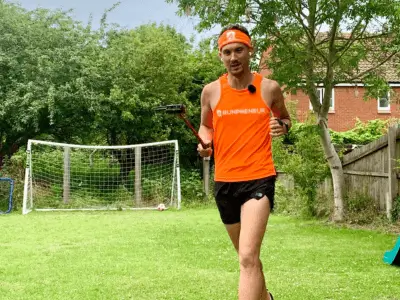
Runpreneur Vlogging: Capturing Kevin's Journey
Experience the Runpreneur challenge through the lens of Kevin's video diary. Witness his ups and downs, the camaraderie of the community, and the transformative power of running for a cause. Dive into the visual stories that capture the essence of the Runpreneur movement.

Empowering Children, One Step at a Time
As Kevin logged every kilometre of his 40,075km challenge, the true purpose behind his journey came into focus. Each step, each bead of sweat, fuelled essential healthcare, education, and nutrition programs for children in need around the world.
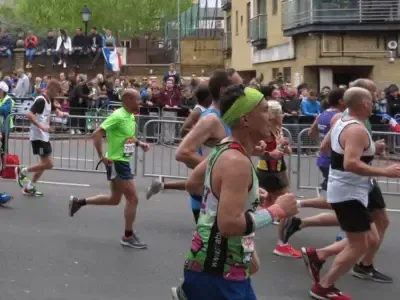
The Transformative 4x4x48 Challenge
Experience the thrill and personal growth of our iconic 48-hour running event. Witness the determination and resilience of Runpreneurs as they push their limits, one mile at a time.
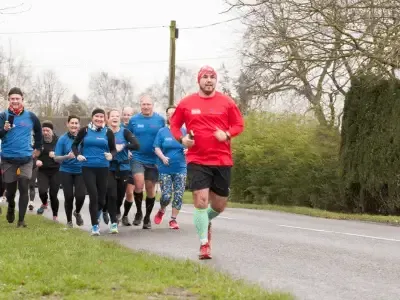
Runpreneur Vlogging: Capturing the Journey
Dive into the visual stories of our Runpreneurs as they document their experiences through engaging video logs. Witness the challenges, triumphs, and moments of camaraderie that define the Runpreneur spirit.
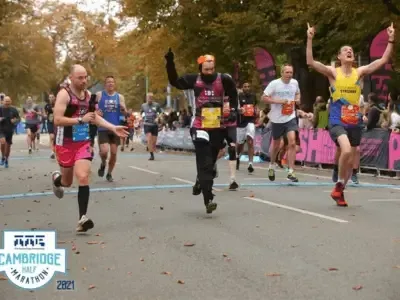
Becoming a Runpreneur: Join the Movement
Learn how you can become a Runpreneur and be part of this global community. Discover the steps to sign up, complete the challenge, and share your journey, all while making a lasting difference.
Connect With Us:



















I am on a mission to raise £1,000,000 for children's causes by daily run-vlogging barefoot-style, covering the total distance of a lap around the world—40,075 km.