
Runpreneur Journey Blog
Embark on an extraordinary journey with the Runpreneur community. Discover inspiring stories, insider tips, and the transformative power of our global challenge. From first-time runners to seasoned athletes, our blog captures the essence of the Runpreneur movement, inspiring others to join the cause.
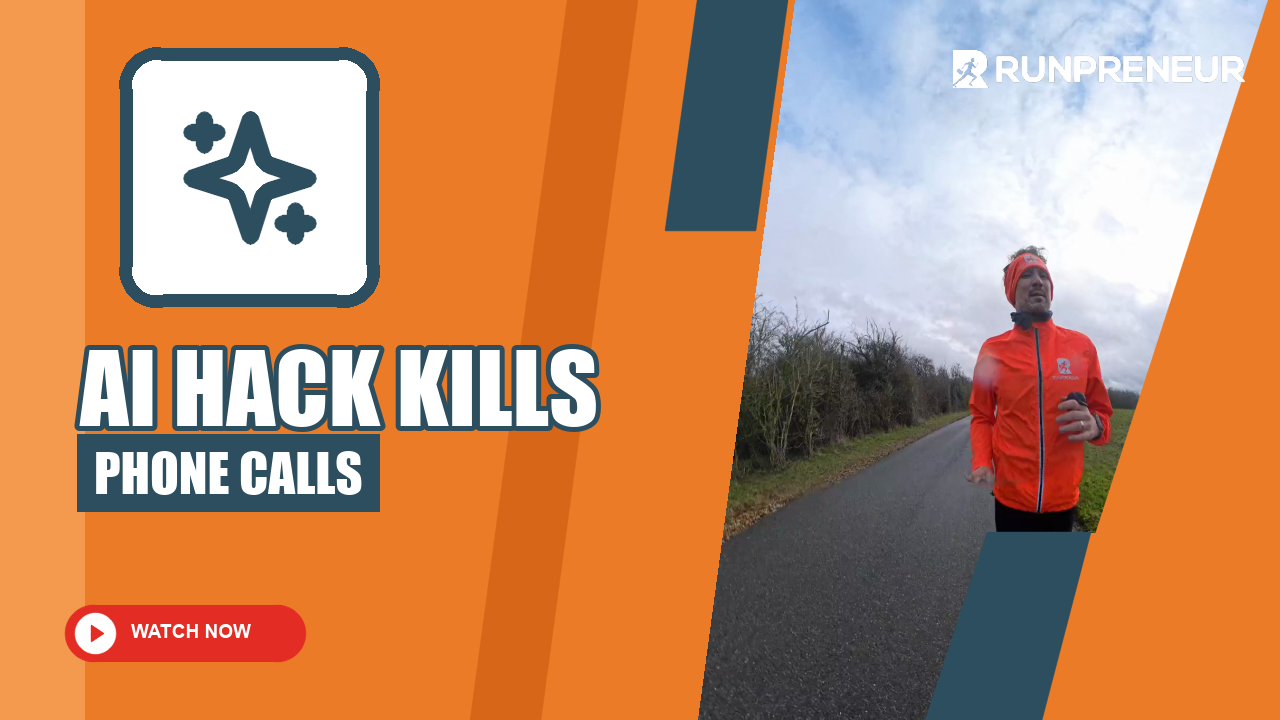
AI Phone Calls: The AI Hack I Tested On Day 2078
AI phone calls became today's discovery, on a day when the running took second place to the thinking. Day 2078 of the streak, 16,028.97 kilometres covered, 24,046.03 kilometres left on the road to a full lap of the world. Today's run gave space for a business idea worth sharing: a piece of software which dials people on your behalf, gathers information, and reports back without a single phone call from you.
The tool is called GenSpark AI. I've held a subscription for a while, mainly for research and drafting work, since the platform sits a level above a standard chat assistant, with extra functions layered onto a large language model. GenSpark doesn't carry the deep in-house connections of an agent platform like Manus, which I use for heavier automation work. What GenSpark does well is a feature called phone-for-me. Give the software a name, a number, and a brief. Press a button. The call goes ahead in the background while I work on something else, and a recording plus a written summary land afterwards.
I'd count myself late to this discovery, in one sense. Voice AI making live calls sits in the news for a while now, though a sales call setter never featured on my own list of needs, until a product launch inside Operations Director put outbound calls back on the table. This is the moment a tool gets tested. Not the moment the tool launches, the moment the tool earns a use.
I tested the feature on a few friends first, rather than a live business contact, and the results surprised me. Setup took minutes, not the technical build I expected from earlier AI tools. Friends receiving a test call described the voice as natural rather than robotic, with a pace and tone close to a real conversation, a gap in quality against the AI voice tools from even two years ago, noticeable straight away.
One limitation stood out straight away: the standard script introduces the caller as an AI assistant working on someone's behalf, and a large share of people hang up the moment they hear this. The fix sits in the prompt, not the software. Strip out the AI introduction, frame the call as a simple question about price or availability, and the conversation holds.
A UK business testing outbound AI calls carries a data protection question worth flagging honestly. Reaching out to a list of contacts via an automated voice, on their behalf without disclosure, sits inside GDPR territory, and I'd rather name this plainly than skip over the detail because the tool works well. Anyone testing this route checks the rules for their own list before pressing go.
The feature runs live or on a schedule, so a batch of calls goes out overnight or across a morning while other work continues. The next step, and the one which turns this from a research tool into a proper system, sits in booking outcomes straight into a diary. A founder then only handles the calls worth a founder's time: the qualified follow-up, not the first ten questions.
The lesson for me sits in the numbers, not the novelty. Marketing carries a concept called the Dream 100: reach out to a hundred strong partnership opportunities, and one relationship out of the hundred pays for the effort many times over. A low-cost subscription with hundreds of calls made on your behalf, filtered down to one or two strong leads, holds obvious value.
I build every system inside Operations Director as a non-technical operator, using AI tools rather than a development team, and a feature like phone-for-me shows why the approach holds up. Complexity keeps dropping. The tools keep getting easier to point at a real problem, without a technical background required to test one. Operations Director exists to remove founder dependency from a small business, replacing manual, repeatable tasks with a system which runs without a person doing the work every time. The founder's time then moves to the calls which matter: the follow-up, the negotiation, the decision. Everything before this stage runs without a person on the phone at all.
The bigger lesson for me sits outside the software entirely. Early AI voice tools carried a technical setup heavy enough to put most people off, myself included, for a long stretch. This barrier is gone now, and the gap between "I've heard of this" and "I've tested this" cost me months I didn't need to lose. The running streak taught me a version of the same lesson years ago: the barrier to starting sits smaller than the excuse built around not starting.
Running and business share the same engine for me: volume, repeated without drama, day after day. Day 2078 didn't need a dramatic story to add distance to the total. A short session and a piece of software tested on three friends moved the mission forward all the same, the same way a steady run still adds kilometres to the 40,075km total. The distance remaining, 24,046.03 kilometres, comes down one day at a time, the same way a client base or a fundraising target builds through consistent, unremarkable effort rather than a single big leap.
Every kilometre supports a fundraiser for Great Ormond Street Hospital and BBC Children in Need, with a target of one million pounds raised through this streak. Testing an AI tool which frees founder time from phone calls doesn't sit far from the mission: time freed from repetitive tasks goes back into the running, the fundraising, and the systems which keep the whole project standing.
If a business idea like this holds value for you, or if the running mission resonates, follow the streak, share an episode, or support the fundraiser directly. Day 2078 down. The road continues tomorrow.
Watch the full episode: https://youtu.be/6wYg_g68bC8
Kevin's 40,075km Challenge: Raising £1 Million for Children
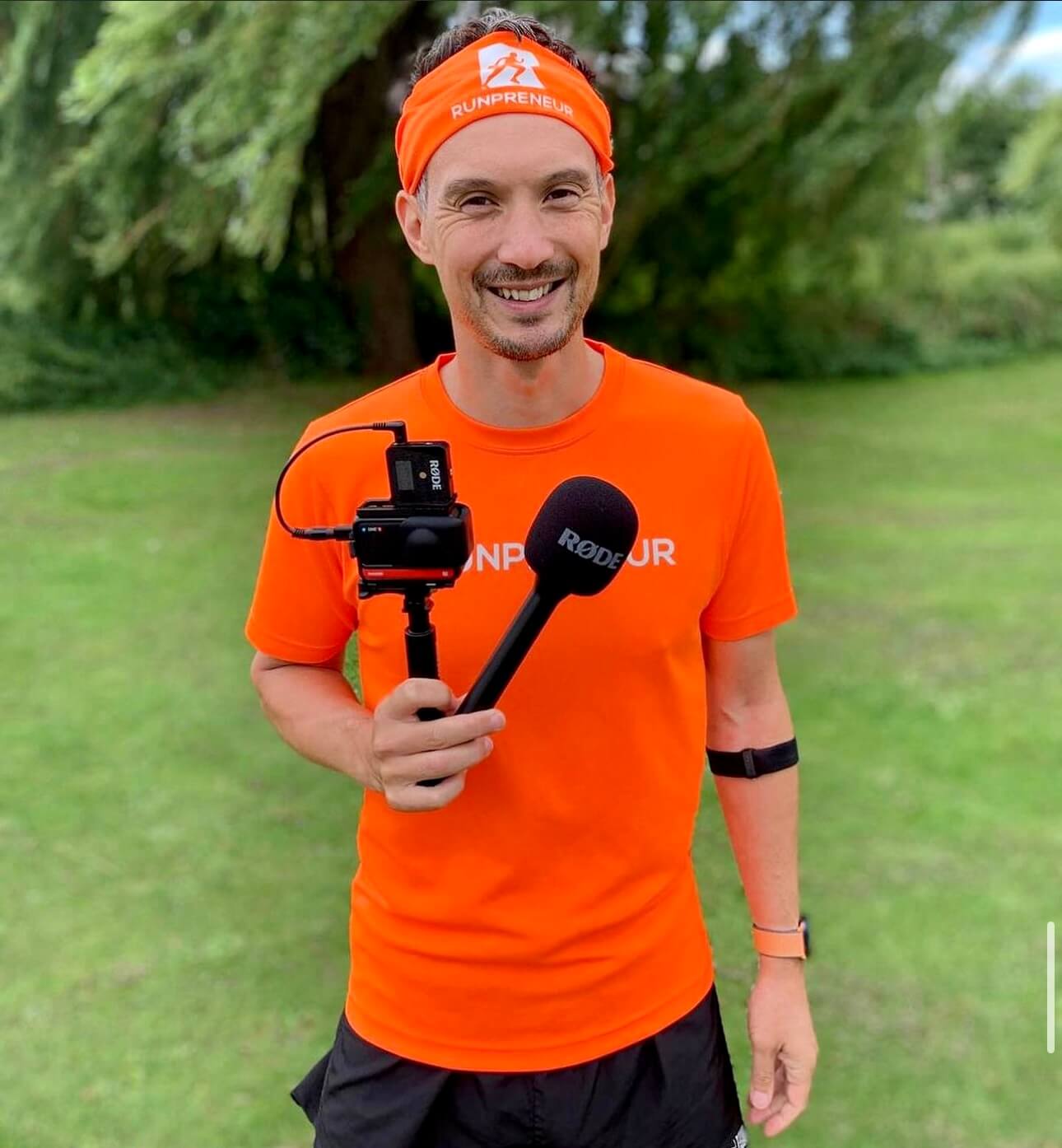
Meet Kevin, a dedicated Runpreneur who embarked on an extraordinary journey to raise £1 million for children in need. Over the course of his 40,075km challenge, Kevin's unwavering determination and passion inspired thousands to join the Runpreneur movement.
Runpreneur Vlogging: Capturing Kevin's Journey
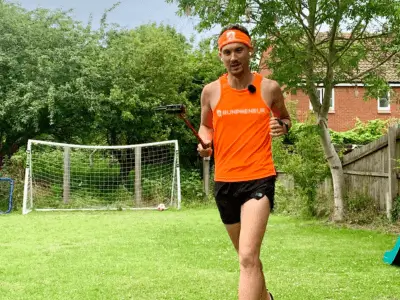
Experience the Runpreneur challenge through the lens of Kevin's video diary. Witness his ups and downs, the camaraderie of the community, and the transformative power of running for a cause. Dive into the visual stories that capture the essence of the Runpreneur movement.

Empowering Children, One Step at a Time
As Kevin logged every kilometre of his 40,075km challenge, the true purpose behind his journey came into focus. Each step, each bead of sweat, fuelled essential healthcare, education, and nutrition programs for children in need around the world.
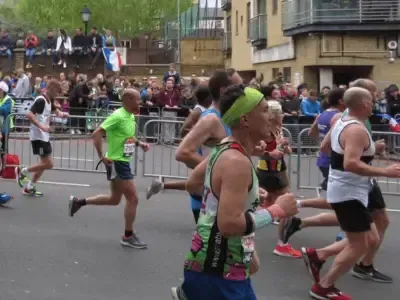
The Transformative 4x4x48 Challenge
Experience the thrill and personal growth of our iconic 48-hour running event. Witness the determination and resilience of Runpreneurs as they push their limits, one mile at a time.
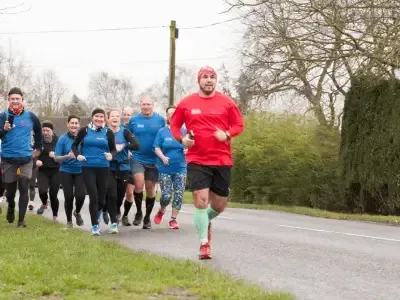
Runpreneur Vlogging: Capturing the Journey
Dive into the visual stories of our Runpreneurs as they document their experiences through engaging video logs. Witness the challenges, triumphs, and moments of camaraderie that define the Runpreneur spirit.
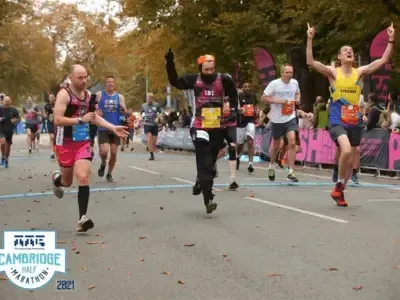
Becoming a Runpreneur: Join the Movement
Learn how you can become a Runpreneur and be part of this global community. Discover the steps to sign up, complete the challenge, and share your journey, all while making a lasting difference.
Connect With Us:



















I am on a mission to raise £1,000,000 for children's causes by daily run-vlogging barefoot-style, covering the total distance of a lap around the world—40,075 km.