
Runpreneur Journey Blog
Embark on an extraordinary journey with the Runpreneur community. Discover inspiring stories, insider tips, and the transformative power of our global challenge. From first-time runners to seasoned athletes, our blog captures the essence of the Runpreneur movement, inspiring others to join the cause.
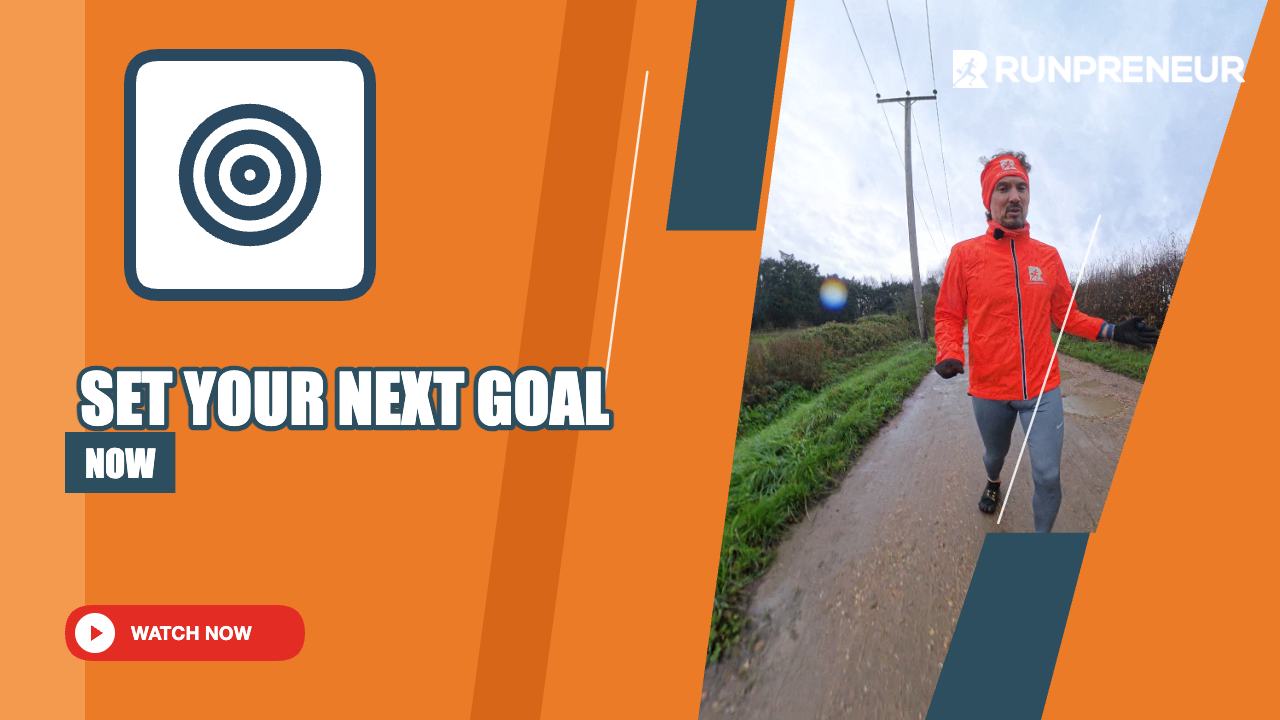
Why You Need Your Next Goal Before You Reach This One — Lessons From 2001 Days of Running
Why You Need Your Next Goal Before You Reach This One Lessons From 2001 Days of Running
Day 2001. Twenty thousand and ten kilometres covered. Just over twenty thousand kilometres still to go before I complete a full lap of the world on foot, barefoot style, in Vibram FiveFingers. That number — 2001 — is not just a streak day count. It is a marker. A moment to look both backwards and forwards at the same time.
I want to talk about something that I think most people get wrong about goals. Not the setting of them. Not the discipline required to chase them. The bit that comes after. The bit nobody warns you about.
I have watched it happen so many times. Someone runs a marathon. They train for months, they sacrifice weekends, early mornings, social events. Race day arrives and they deliver. They cross that finish line, they get the medal, the t-shirt, the celebration dinner. For a few days the high carries them. And then, often without warning, they fall into a lull. A kind of emptiness. The thing they were moving towards no longer exists, and they have not yet found the next thing to move towards.
That post-achievement flatness is not weakness. It is not ingratitude. It is what happens when purpose disappears without a replacement being ready.
I have thought about this a lot because my mission is structured in a way that, by design, never allows that void to form. I am on day 2001 of a consecutive daily running streak. The total distance covered across those days is 20,010 kilometres. The target is 40,075 kilometres — a full circumference of the Earth. I am at the halfway point. And rather than sitting in that fact, rather than treating it as an arrival, I am already looking at what the next milestone means, what the next marker looks like, and what I intend to accomplish between now and getting there.
Right now I am looking ahead to where the streak will be by the end of next year. Around day 2,420. Close to two and a half thousand consecutive days of running. That projection is not wishful thinking. It is planning. It is how I stay motivated not just through the good days, but through the difficult ones.
Here is the thing about long-term goals. If the only reward you allow yourself to look forward to is the final destination, you will exhaust yourself emotionally long before you get there. The finish line at 40,075 kilometres is important. It is real. It drives me. But it is also years away, and a human being cannot sustain daily action for years on the promise of a distant single moment. What sustains daily action is a chain of meaningful milestones, each one close enough to feel real, each one connected to something bigger than just personal achievement.
My mission is not to run a lap of the world for the sake of it. Everything I do — every kilometre, every episode, every day I lace up the Vibrams and get out regardless of how I feel — is in service of raising £1 million for children's causes. Great Ormond Street Hospital. BBC Children in Need. Real children. Real outcomes. That is the foundation beneath everything else.
So when I think about the next milestone, I am not just thinking about a number on a spreadsheet. I am thinking about what reaching that number means in terms of awareness built, donations generated, lives that might be changed because someone found this mission and decided to support it. That reframes everything. A milestone stops being a personal achievement and starts being a point of leverage for the children who need it most.
I think about the structure of it like this. Life is a journey, not a destination. That sounds like a phrase you would see printed on a motivational poster, and I understand why people roll their eyes at it. But the operational version of that truth is very practical. If you do not plan your milestones in advance, you will always be reactive to the emotional aftermath of achievement. You will reach something great, feel the high, come down from it, and then scramble to find meaning again. If instead you plan the next milestone before you reach the current one, the emotional continuity is maintained. The purpose never disappears because you have already decided what comes next.
This is how the streak works for me psychologically. I do not finish day 2001 and wonder what the point of day 2002 is. Day 2002 is part of a chain that leads to 2,500, which leads to 3,000, which leads to the full 40,075. Every single day has a place in the architecture of the whole. That gives each day weight. It makes even the quiet, unremarkable days matter.
I think this applies well beyond running. In business I have seen the same pattern. A team works towards a product launch or a company milestone, they hit it, and then there is this strange deflation. Not because the achievement was hollow, but because no one built the bridge to what came next. The same happens in personal life. Career goals, relationship milestones, financial targets. The people who sustain momentum are the ones who are always one milestone ahead of where they currently are. Not distracted by future goals — anchored by present progress, but already aware of what the next meaningful point looks like.
Twenty thousand and ten kilometres done. Twenty thousand and sixty-five remaining. I am not at the beginning of this and I am not at the end. I am in the middle of a very long, very deliberate, very purposeful effort. And the fact that I can sit with that without any sense of panic or emptiness is, I think, because the architecture was built before I started. The milestones were always going to be there waiting.
If you are working towards something right now — a race, a business goal, a personal challenge — my honest suggestion is this. Before you reach it, know what comes next. Not so you skip past the achievement when it arrives, but so that when the high fades, as it always does, you already know which direction you are walking in.
That is what keeps the streak alive. That is what keeps the mission alive. And that, I believe, is what keeps a person truly motivated over the long term.
If you believe in this mission — 40,075 kilometres barefoot style, £1 million for children — please follow, subscribe, share, or comment. Every person who finds this mission is another step forward for the children it serves.a
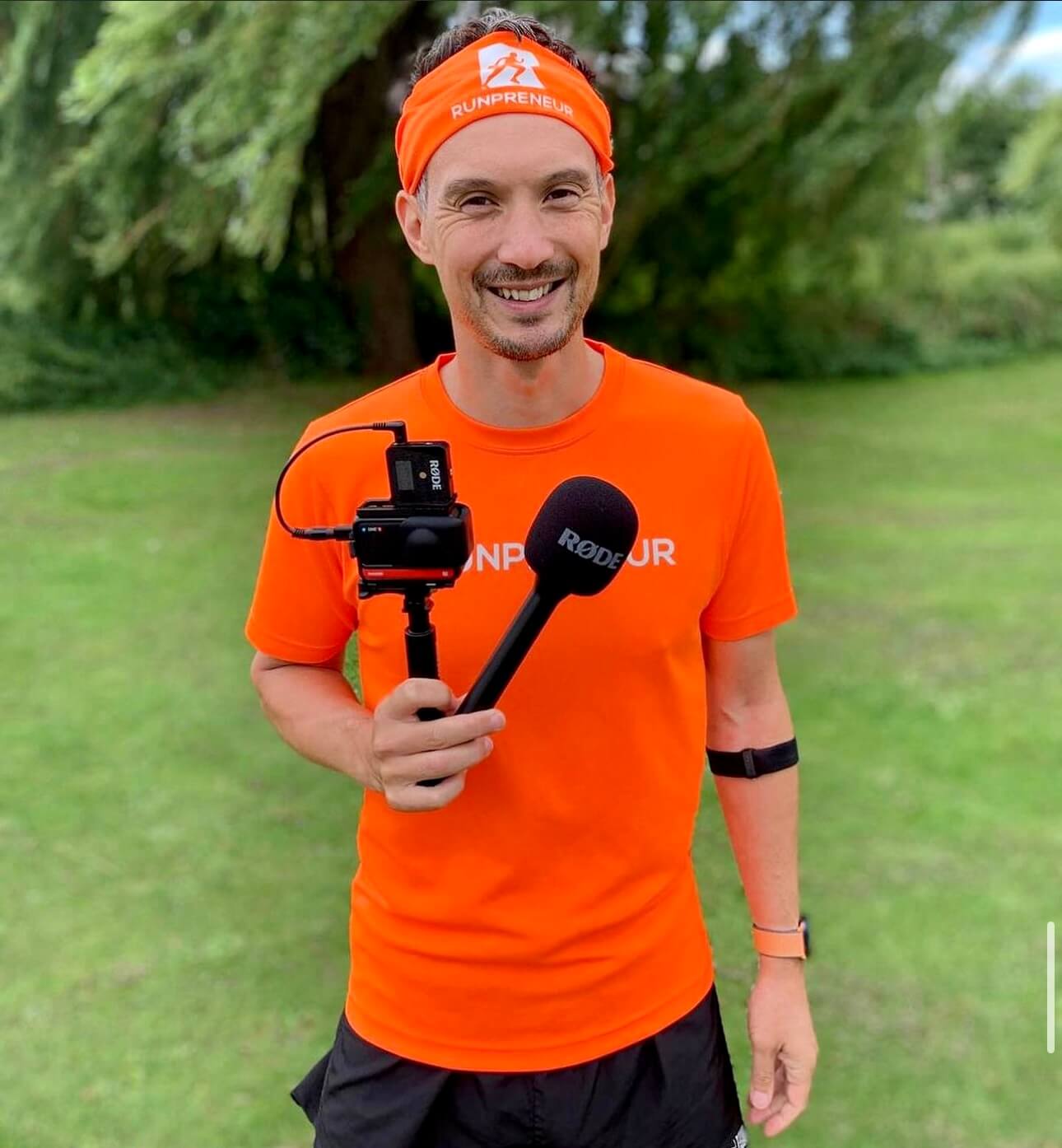
Kevin's 40,075km Challenge: Raising £1 Million for Children
Meet Kevin, a dedicated Runpreneur who embarked on an extraordinary journey to raise £1 million for children in need. Over the course of his 40,075km challenge, Kevin's unwavering determination and passion inspired thousands to join the Runpreneur movement.
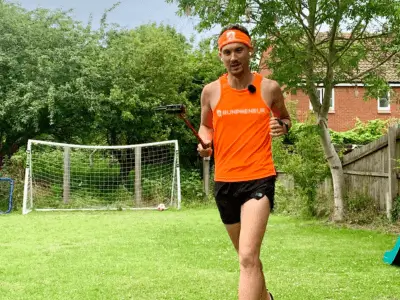
Runpreneur Vlogging: Capturing Kevin's Journey
Experience the Runpreneur challenge through the lens of Kevin's video diary. Witness his ups and downs, the camaraderie of the community, and the transformative power of running for a cause. Dive into the visual stories that capture the essence of the Runpreneur movement.

Empowering Children, One Step at a Time
As Kevin logged every kilometre of his 40,075km challenge, the true purpose behind his journey came into focus. Each step, each bead of sweat, fuelled essential healthcare, education, and nutrition programs for children in need around the world.
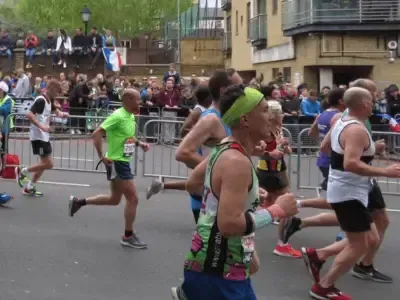
The Transformative 4x4x48 Challenge
Experience the thrill and personal growth of our iconic 48-hour running event. Witness the determination and resilience of Runpreneurs as they push their limits, one mile at a time.
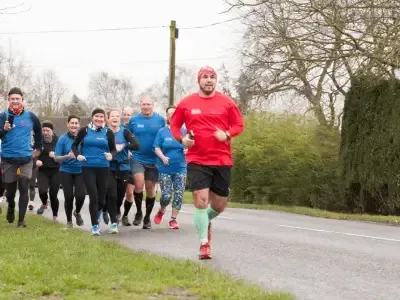
Runpreneur Vlogging: Capturing the Journey
Dive into the visual stories of our Runpreneurs as they document their experiences through engaging video logs. Witness the challenges, triumphs, and moments of camaraderie that define the Runpreneur spirit.
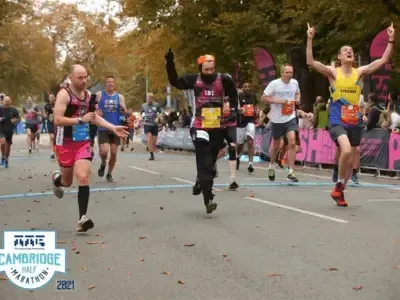
Becoming a Runpreneur: Join the Movement
Learn how you can become a Runpreneur and be part of this global community. Discover the steps to sign up, complete the challenge, and share your journey, all while making a lasting difference.
Connect With Us:



















I am on a mission to raise £1,000,000 for children's causes by daily run-vlogging barefoot-style, covering the total distance of a lap around the world—40,075 km.