
Runpreneur Journey Blog
Embark on an extraordinary journey with the Runpreneur community. Discover inspiring stories, insider tips, and the transformative power of our global challenge. From first-time runners to seasoned athletes, our blog captures the essence of the Runpreneur movement, inspiring others to join the cause.
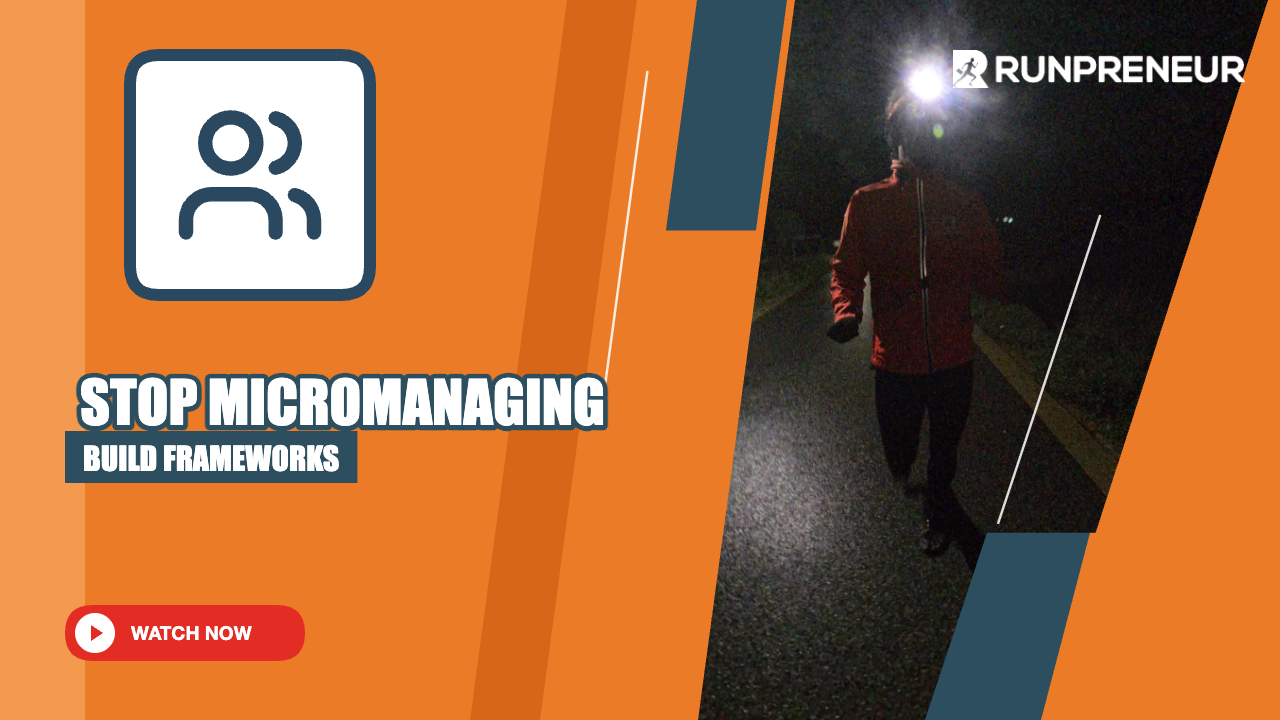
Why Micromanagement Means Your Framework Is Missing — Day 2003 of Running a Lap of the World
Why Micromanagement Means Your Framework Is Missing — Day 2003 of Running a Lap of the World
Day 2003. I am 20,030km into running 40,075km — a full lap of the world — in barefoot-style footwear, one consecutive day at a time. That means 20,045km still to go. I run every single day as part of a fundraiser to raise £1 million for children's causes including Great Ormond Street Hospital and BBC Children in Need. The more people I reach, the more we raise, and the more children's lives we can support. That is why I do not stop.
But today I want to talk about something I struggle with. Something I suspect a lot of people in business struggle with too, even if they are reluctant to admit it. Micromanagement.
I have been doing this for years. I still catch myself doing it. And if I am honest, I have only recently started to properly understand why it keeps happening — and more importantly, what actually fixes it.
Here is what I have come to realise. Micromanagement is not really a personality flaw. It is not about being a control freak, though it can look like that from the outside. It is almost always a symptom of a missing framework. When your team does not have a clear structure for how to make decisions, every decision comes back to you. And when every decision comes back to you, you are not leading — you are processing. There is a significant difference.
I was introduced to a concept from a book called The False Exit by business author John Lammerton. The premise is around high systemisation — building a business that can run effectively without you needing to be present for every choice. Not exiting the business entirely, but creating the conditions where people can operate with genuine autonomy and accountability.
The part that landed hardest for me was the decision-making framework. And it is simpler than you might think.
Start with your core values — but treat them as practical rules of engagement, not wall-poster platitudes. They need to function as actual guidance for real-world decisions. If one of your values is that you retain customers at all costs, then a team member facing a difficult client situation already has their answer. They do not need to escalate to you. The value answers the question. That is the point.
On top of that, you layer in financial liability thresholds. Something like — if the financial exposure is under a certain amount, say £500, the team member can act on their own judgment, but they need to disclose what they did and why. If the exposure is above that threshold, they get sign-off first. Simple, clear, and it removes the grey area that forces people to interrupt you all day.
The third layer I found genuinely useful is a reversibility test. Before any significant decision, the question is simply this: is this reversible, and is it consequential? If it is reversible and the consequences are small, the person can act without approval. If it is consequential and irreversible, they need to go through a proper sign-off process. That two-variable filter removes an enormous amount of the noise that clogs up a business — and a leader's time.
What we are building on top of this at the moment is an AI support tool — essentially a custom GPT that stores documented decisions, the context around them, and the reasoning used. Over time, this becomes a knowledge base that any team member can query before escalating. It learns the way we think. It reflects our frameworks. And it means that even when I am not available — which, given that I am running every single day, is often — people have a reference point that is built on real precedent rather than guesswork.
I want to be clear about something here. This is not about removing human judgment. It is about giving people the scaffolding within which to use their judgment well. Trusted decision-making is not reckless decision-making. It is structured decision-making. And that distinction matters enormously for team culture, retention, and the quality of work people produce.
People leave when they feel they are not trusted. I have seen it happen. Constant checking, constant approval loops, constant escalation — it communicates something. It says: I do not believe you can handle this. And that is a very difficult environment to stay motivated in. The irony is that the micromanager rarely wants to communicate that. They are usually just working with an incomplete system.
Building the system is the work. Once the framework exists, trust becomes much easier to give — because it is not blind trust. It is structured trust. And that is a fundamentally different thing.
Running daily in barefoot-style Vibram Five Fingers for over five and a half years has taught me a great deal about structure and systems in a way I did not expect. I cannot miss a day. There is no catch-up run. There is no making up for lost ground — not really. Every day requires me to build the habit, show up, cover the distance. And the only reason I am still running consistently after 2003 days is because the system around the run is solid. The preparation is built in. The kit is sorted. The route is thought through. The documentation happens. Nothing is left to chance or motivation alone.
The same principle applies to a business. You cannot rely on motivation or presence alone to keep things moving. You need the framework. You need the decision tree. You need the rules of engagement that mean people do not have to wait for you to function.
I still have 20,045km to run before I complete this lap of the world. I still have significant ground to cover on the fundraising side to reach £1 million for children's causes. Neither of those will happen through intensity alone. They will happen through consistency, structure, and the right systems supporting every single step.
If you are micromanaging your team right now, the honest question to sit with is not how do I let go. It is what framework have I failed to build that would make letting go the obvious choice.
That is the real work.
If you want to follow the journey, support the mission, or learn more about the fundraiser, I would really value you being part of it. Every episode, every kilometre, every share moves us closer to that £1 million goal — and closer to the children that goal exists to help.
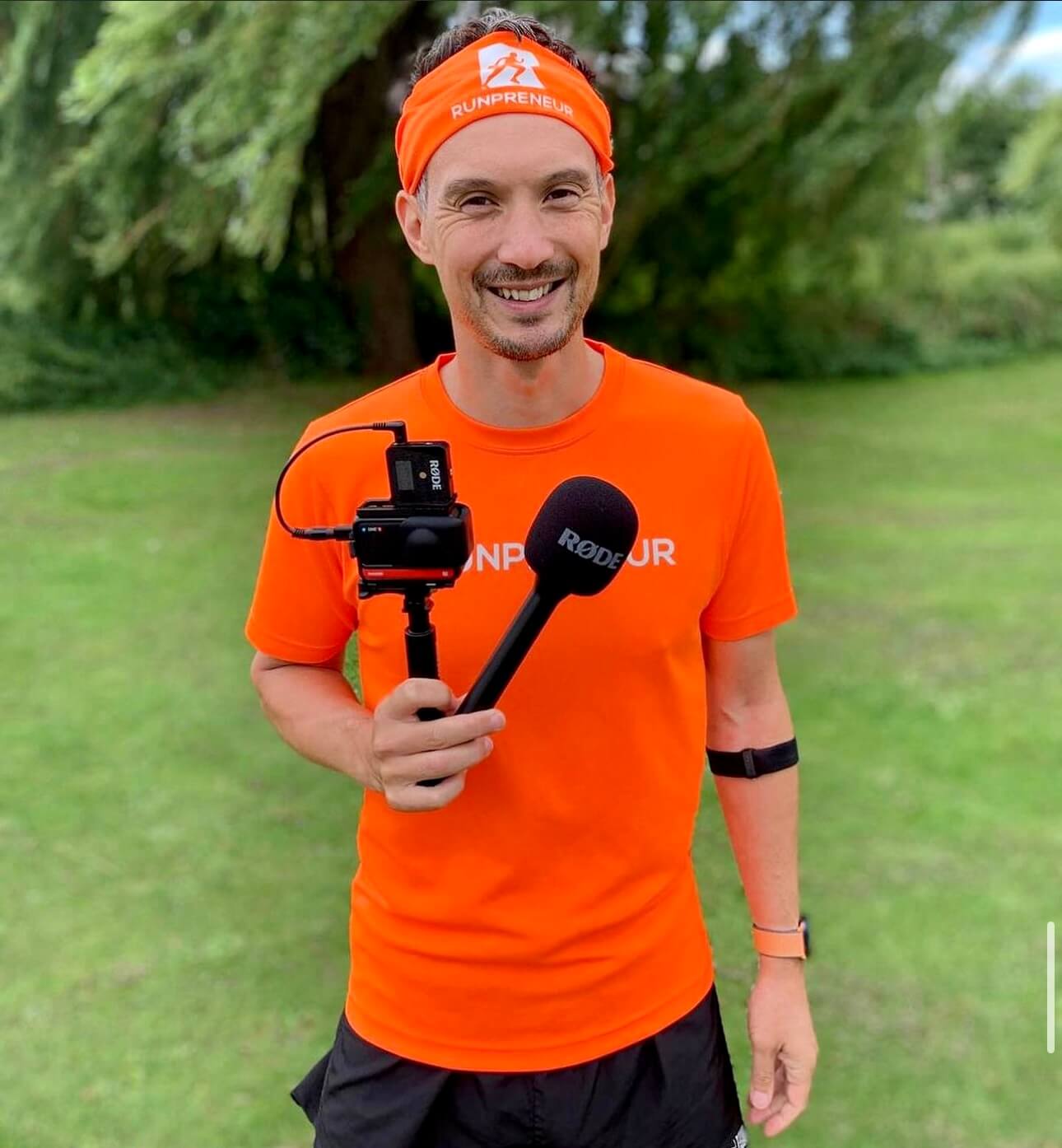
Kevin's 40,075km Challenge: Raising £1 Million for Children
Meet Kevin, a dedicated Runpreneur who embarked on an extraordinary journey to raise £1 million for children in need. Over the course of his 40,075km challenge, Kevin's unwavering determination and passion inspired thousands to join the Runpreneur movement.
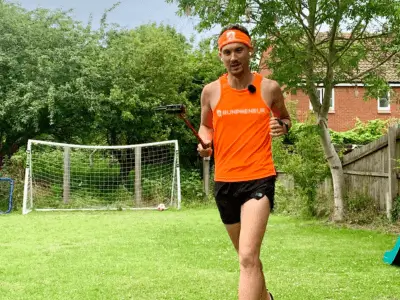
Runpreneur Vlogging: Capturing Kevin's Journey
Experience the Runpreneur challenge through the lens of Kevin's video diary. Witness his ups and downs, the camaraderie of the community, and the transformative power of running for a cause. Dive into the visual stories that capture the essence of the Runpreneur movement.

Empowering Children, One Step at a Time
As Kevin logged every kilometre of his 40,075km challenge, the true purpose behind his journey came into focus. Each step, each bead of sweat, fuelled essential healthcare, education, and nutrition programs for children in need around the world.
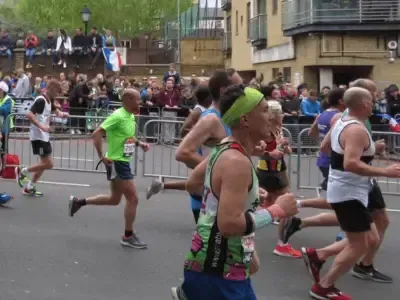
The Transformative 4x4x48 Challenge
Experience the thrill and personal growth of our iconic 48-hour running event. Witness the determination and resilience of Runpreneurs as they push their limits, one mile at a time.
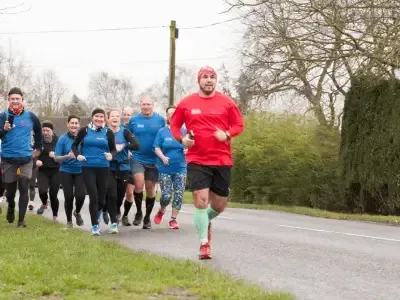
Runpreneur Vlogging: Capturing the Journey
Dive into the visual stories of our Runpreneurs as they document their experiences through engaging video logs. Witness the challenges, triumphs, and moments of camaraderie that define the Runpreneur spirit.
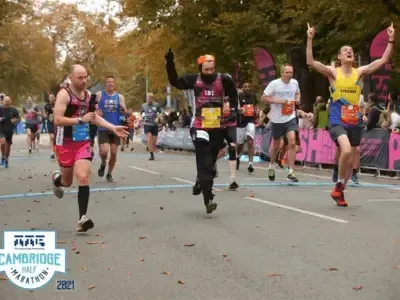
Becoming a Runpreneur: Join the Movement
Learn how you can become a Runpreneur and be part of this global community. Discover the steps to sign up, complete the challenge, and share your journey, all while making a lasting difference.
Connect With Us:



















I am on a mission to raise £1,000,000 for children's causes by daily run-vlogging barefoot-style, covering the total distance of a lap around the world—40,075 km.