
Runpreneur Journey Blog
Embark on an extraordinary journey with the Runpreneur community. Discover inspiring stories, insider tips, and the transformative power of our global challenge. From first-time runners to seasoned athletes, our blog captures the essence of the Runpreneur movement, inspiring others to join the cause.

Why Excitement Kills Accurate Financial Forecasting And What I Do About It
Why Excitement Kills Accurate Financial Forecasting And What I Do About It
Day 2053. I have now run every single day for over five and a half years, covering 20,530km in barefoot-style footwear towards a goal of 40,075km a full lap of the world. I still have 19,545km to go. And every single day I lace up and go again, not because it feels effortless, but because consistency is the only thing that actually works.
That same principle showing up consistently, grounding expectations in reality rather than excitement is exactly what I want to talk about today. Because I made a mistake last quarter. A financial one. And I think it is worth being honest about.
I have been in business for over 20 years. I started out buying and selling golf clubs at university, spent a couple of years in a corporate role after graduating, then took the plunge into entrepreneurship and never looked back. In that time I have built businesses, managed teams, invested in property, and worked with organisations on operations and systems. I understand financial data. I know how important it is. And I still got my forecast wrong.
That is the thing about overly optimistic financial forecasting. It is not a beginner's mistake. It is a very human one. And it is particularly common among entrepreneurs, founders, and creative thinkers — the very people who need accurate financial planning the most.
Here is why it happens. When you are building something — a business, a product, a vision — you are, by nature, forward-facing. You see what is possible. You see the best version of the future. That mindset is genuinely valuable. It is what gets businesses off the ground and keeps people moving through difficult periods. But when that same mindset is applied directly to a financial spreadsheet without a filter, it becomes a liability.
Last quarter, I built a forecast based on where I wanted to be rather than where the data honestly suggested I would be. The result was that my actual performance fell short of my projected figures, and those shortfalls have had a knock-on effect on my plans for this quarter. I am not in crisis. But I have had to re-examine and re-forecast, and that has taken time and energy that could have been spent elsewhere.
So what do I do differently now? I run two forecasts.
The first is my optimistic forecast. I build this one exactly as I would naturally — big picture, ambitious, visionary. I put down the numbers that reflect what could happen if things go well. I let myself think freely here. I do not restrict it.
Then I stop. I scrutinise every figure. I ask myself what would actually need to be true for each of those numbers to materialise. I challenge the assumptions, not to be negative, but to be honest.
From that process, I build a second forecast — my realistic one. This is not a worst-case scenario. It is a stretch target. Something that requires genuine effort and performance to hit, but is grounded in what the evidence and current trajectory actually support. The gap between the two forecasts is where the danger lives if you only ever work from the optimistic version.
The reason this matters is straightforward. If you consistently measure your actual performance against an unrealistic benchmark, you will consistently feel like you are failing when you may actually be performing reasonably well. That distortion affects decision-making. It affects resource allocation. It affects how you lead your team and how you plan your next steps. In short, it affects everything downstream.
Missing a realistic stretch target by a small margin is manageable. Missing an optimistic target by a large margin can be genuinely damaging — financially, operationally, and psychologically.
I think there is a connection here to running as well, and to this mission I am on. When I started this streak, I did not set a target of running a specific pace every day or covering a set distance in a set timeframe. I set a direction. A total distance. A daily commitment. The goal of 40,075km is fixed. The daily process is consistent. But how quickly I get there is subject to what is genuinely sustainable, not what I wish I could do.
If I had forecast that I would cover this distance in eight years when the realistic projection based on daily averages pointed to more than sixteen, I would have set myself up for a permanent sense of failure. Every day I would be behind. That is not useful. The honest, grounded approach — acknowledging the real numbers, planning around them, and staying committed regardless — is what keeps this sustainable.
The same is true in business.
I want to be clear about something. I am not suggesting you lower your ambitions. The £1M fundraising goal for children's causes — for Great Ormond Street Hospital and BBC Children in Need — is not a small ambition. The 40,075km target is not a modest one. But the way I plan and execute against those goals is grounded in reality. That is the only way they remain achievable rather than theoretical.
If you have financial responsibilities — whether you run a business, manage a team budget, or are responsible for your own personal finances at a strategic level — build two forecasts. Write the optimistic one first if you need to. Then sit with it, challenge it, and build the realistic version. Use both. Know which one is which.
The goal is not to be pessimistic. The goal is to make decisions based on what is likely to actually happen, so that when things go well you can celebrate genuine progress, and when they fall short you are close enough to course-correct without serious damage.
I am on day 2053. I have covered 20,530km. I have 19,545km left to run. The mission continues, one honest, consistent day at a time.
If this has been useful, follow along, share the episode, and if you believe in what this vlog is working towards for children, a like or comment costs nothing and genuinely helps the fundraising reach grow.
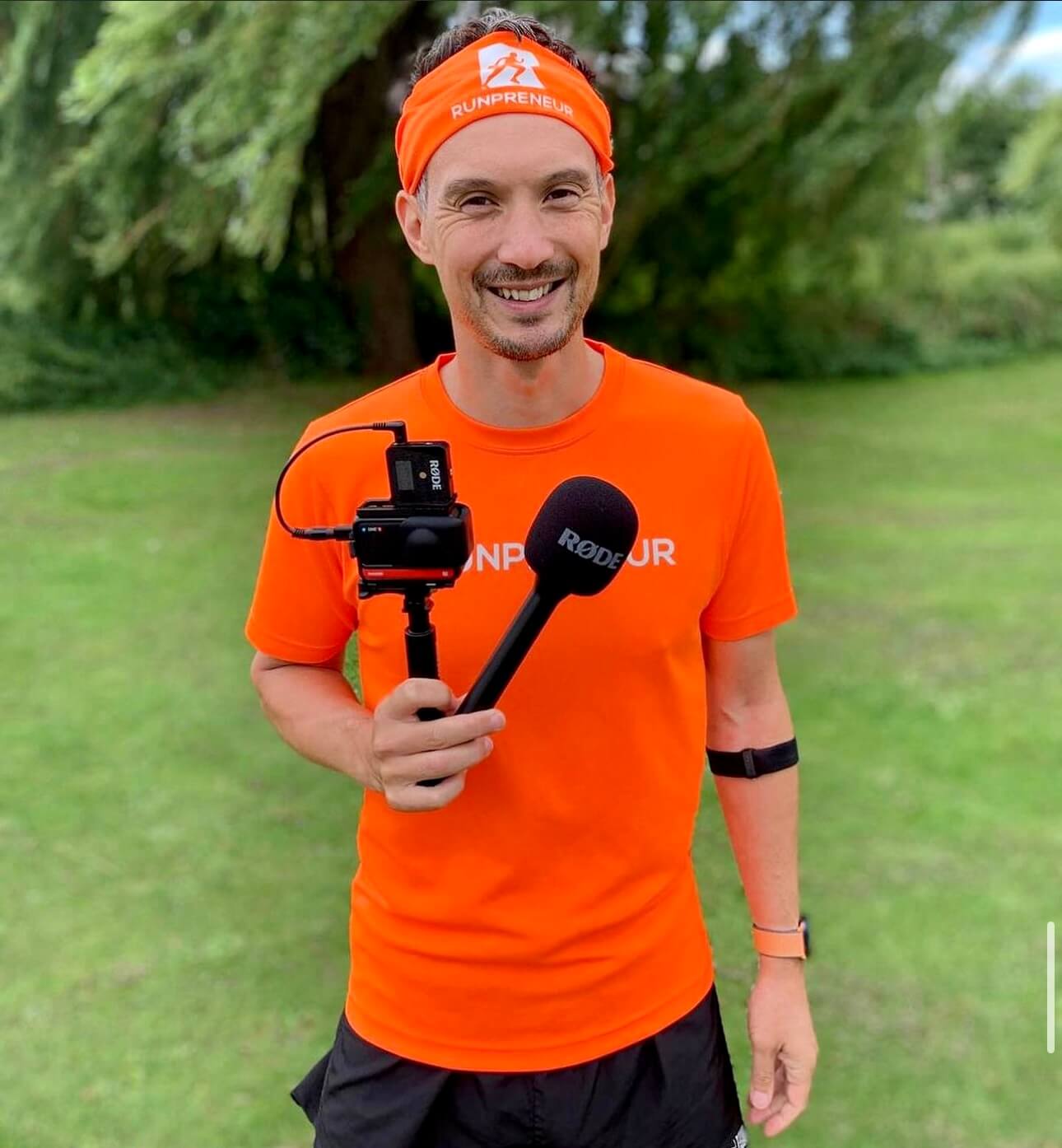
Kevin's 40,075km Challenge: Raising £1 Million for Children
Meet Kevin, a dedicated Runpreneur who embarked on an extraordinary journey to raise £1 million for children in need. Over the course of his 40,075km challenge, Kevin's unwavering determination and passion inspired thousands to join the Runpreneur movement.

Runpreneur Vlogging: Capturing Kevin's Journey
Experience the Runpreneur challenge through the lens of Kevin's video diary. Witness his ups and downs, the camaraderie of the community, and the transformative power of running for a cause. Dive into the visual stories that capture the essence of the Runpreneur movement.

Empowering Children, One Step at a Time
As Kevin logged every kilometre of his 40,075km challenge, the true purpose behind his journey came into focus. Each step, each bead of sweat, fuelled essential healthcare, education, and nutrition programs for children in need around the world.

The Transformative 4x4x48 Challenge
Experience the thrill and personal growth of our iconic 48-hour running event. Witness the determination and resilience of Runpreneurs as they push their limits, one mile at a time.
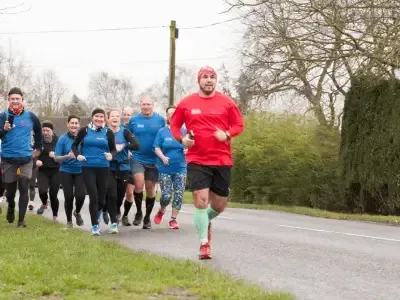
Runpreneur Vlogging: Capturing the Journey
Dive into the visual stories of our Runpreneurs as they document their experiences through engaging video logs. Witness the challenges, triumphs, and moments of camaraderie that define the Runpreneur spirit.

Becoming a Runpreneur: Join the Movement
Learn how you can become a Runpreneur and be part of this global community. Discover the steps to sign up, complete the challenge, and share your journey, all while making a lasting difference.
Connect With Us:



















I am on a mission to raise £1,000,000 for children's causes by daily run-vlogging barefoot-style, covering the total distance of a lap around the world—40,075 km.