
Runpreneur Journey Blog
Embark on an extraordinary journey with the Runpreneur community. Discover inspiring stories, insider tips, and the transformative power of our global challenge. From first-time runners to seasoned athletes, our blog captures the essence of the Runpreneur movement, inspiring others to join the cause.

Why Cultural Fit Matters More Than Skill Lessons From Day 2031 of Running a Business and 20,310km Into My Mission
Why Cultural Fit Matters More Than Skill Lessons From Day 2031 of Running a Business and 20,310km Into My Mission
Day 2031. I am 20,310km into a barefoot-style running streak that will not end until I have covered 40,075km a full lap of the world while raising £1 million for children's causes including Great Ormond Street Hospital and BBC Children in Need. I run every single day. No days off. No excuses. And on today's run, the thing occupying my mind was not the distance remaining, not the fundraising total, not the kilometres underfoot. It was people. Specifically, it was the question of why the last quarter in my business has been the most productive we have had in a long time and what changed to make that happen.
The honest answer is not a new strategy. It is not a new tool, a new system, or a new market. It is simply this: the people now working closest to me are the right cultural fit.
I want to explain what I mean by that, because I think it gets misused.
Cultural fit is not about hiring people who think like you, who look like you, or who agree with everything you say. It is about values alignment. It is about whether the way someone shows up — the standards they hold themselves to, the care they bring to their work, the way they communicate and collaborate — matches the operating principles of your team.
In my business, we have what I call undertakings. There are fifteen of them. They are the rules of engagement. Not rules imposed from above, but commitments that everyone in the team makes to one another and to the work. Over the past 12 to 18 months, I had a broadly settled team. But I knew — and I was honest with myself about this — that a couple of individuals were not quite aligned with those undertakings. They are good people. I want to be clear about that. I have nothing but respect for everyone who has been part of my team. But good people in the wrong environment are not able to perform at their best. That is not a character flaw. It is simply a mismatch.
What I allowed to happen, for too long, was to let that mismatch continue because the team had been together for a while and disruption felt uncomfortable. I had the undertakings documented, but they were not current. They were not being actively used as a reference point. And so things drifted.
This last quarter, that changed. The team that remained — and the way we now work — is tighter, more aligned, and more purposeful. And the results have been stark. Work that would previously have taken weeks to complete has been turned around in days. Objectives that we barely made progress on in the previous quarter have been achieved in full. That is not a coincidence. It is the direct result of having people who share the same values, hold themselves to the same standards, and are genuinely pulling in the same direction.
There is a lesson in that which I think applies well beyond business.
I have been running every day for 2,031 consecutive days. The mission I am on — 40,075km, £1 million raised, all in barefoot-style footwear — requires consistency above everything else. Not talent. Not perfect conditions. Not inspiration on demand. Consistency. And consistency, I have learned, only really functions when everything around it is aligned. When my preparation, my recovery, my mindset, and my environment are all pointing the same direction, the running takes care of itself. When one of those things is misaligned, I feel it. The effort required to compensate is disproportionate.
Teams work exactly the same way.
If you have one person in your team who does not share the core values, the effort required to manage that misalignment — the friction, the miscommunication, the inconsistency in output — drags on everything else. And what is worse is that it is often subtle. It does not necessarily show up as conflict. It shows up as things taking longer than they should. Progress feeling harder than it needs to be. A low-level drag that is difficult to name but impossible to ignore once you are aware of it.
The fix is not always to remove people. Sometimes it is to have an honest conversation and give someone the opportunity to realign. Sometimes it is to update and communicate the operating principles more clearly, as I did with the undertakings. But if that honest conversation happens and the alignment still is not there, then the most respectful thing you can do — for the team and for that individual — is to acknowledge the mismatch and act accordingly.
A person who is a square peg in your round hole is, somewhere else, exactly the right fit. Keeping them in the wrong environment does not serve them. It does not serve your team. It does not serve your mission.
I still have 19,765km to run before I complete this lap of the world. That is a significant distance. What will get me there is not any single remarkable day. It is the accumulation of aligned effort, one day at a time, with everything pointed in the same direction. The mission matters — the money raised, the children supported, the awareness built — and that mission requires me to be honest about what is working and what is not, both on the road and in the businesses I run.
Today, that reflection landed on the people around me. And I am genuinely grateful for the team I have right now. They are showing up. They are aligned. And it is making everything we are building together possible.
If you have questions about any of this — team dynamics, how I use undertakings, or the running mission itself — drop them in the comments. I read everything.
And if you believe in what we are trying to do for children, please share this. More reach means more awareness. More awareness means more support. More support means more children helped.
See you tomorrow. Day 2032.
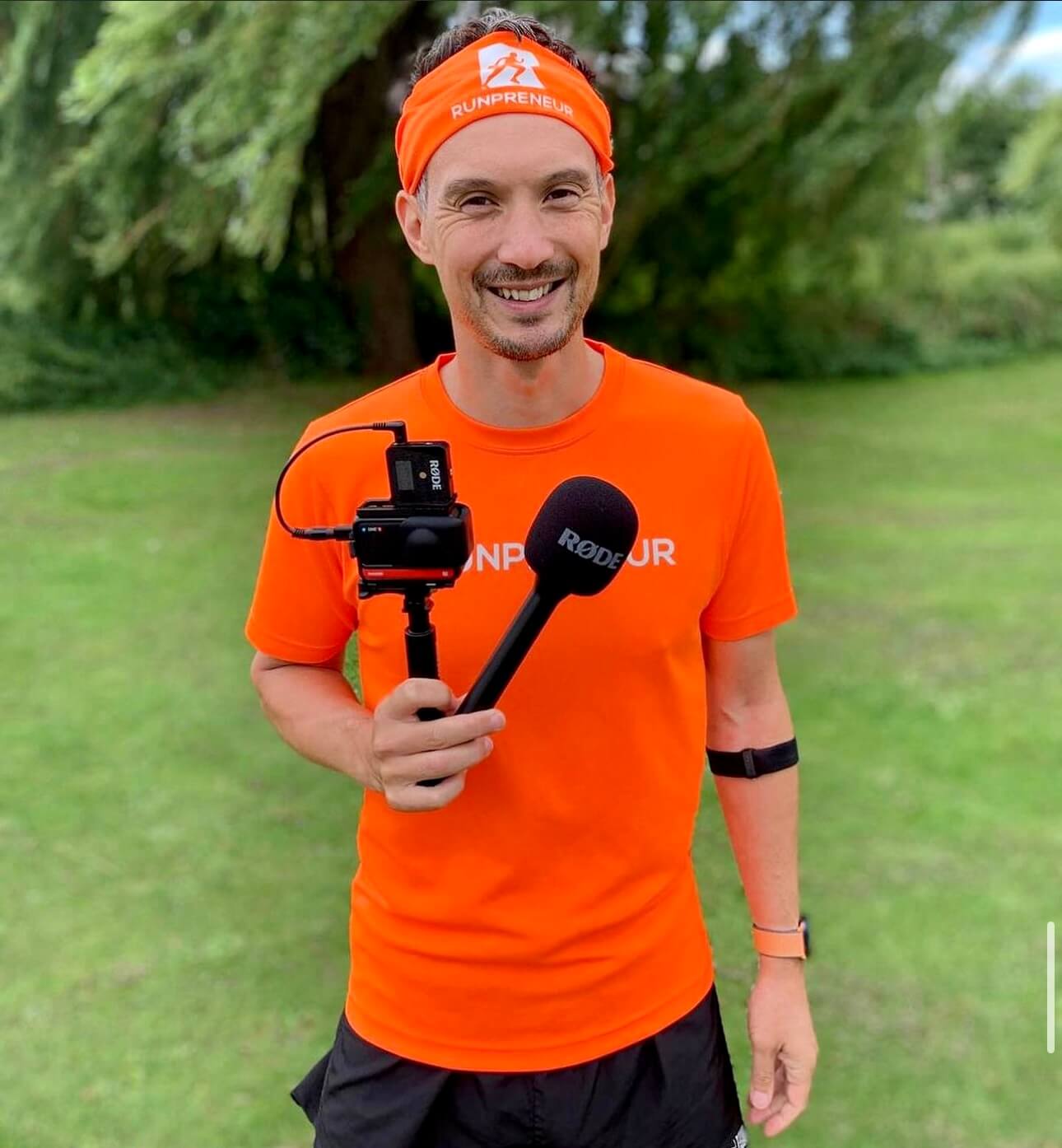
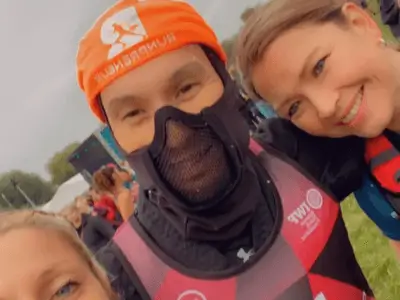
Kevin's 40,075km Challenge: Raising £1 Million for Children
Meet Kevin, a dedicated Runpreneur who embarked on an extraordinary journey to raise £1 million for children in need. Over the course of his 40,075km challenge, Kevin's unwavering determination and passion inspired thousands to join the Runpreneur movement.
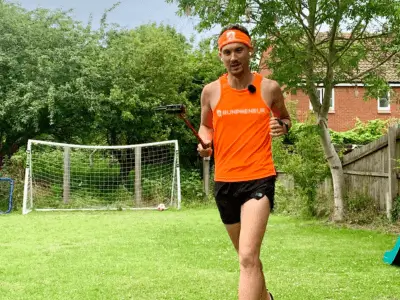
Runpreneur Vlogging: Capturing Kevin's Journey
Experience the Runpreneur challenge through the lens of Kevin's video diary. Witness his ups and downs, the camaraderie of the community, and the transformative power of running for a cause. Dive into the visual stories that capture the essence of the Runpreneur movement.

Empowering Children, One Step at a Time
As Kevin logged every kilometre of his 40,075km challenge, the true purpose behind his journey came into focus. Each step, each bead of sweat, fuelled essential healthcare, education, and nutrition programs for children in need around the world.
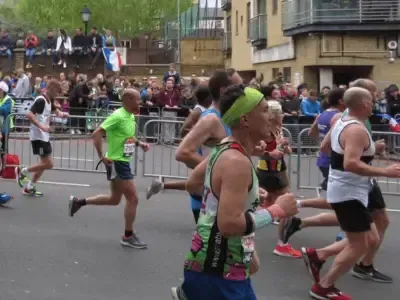
The Transformative 4x4x48 Challenge
Experience the thrill and personal growth of our iconic 48-hour running event. Witness the determination and resilience of Runpreneurs as they push their limits, one mile at a time.
Runpreneur Vlogging: Capturing the Journey
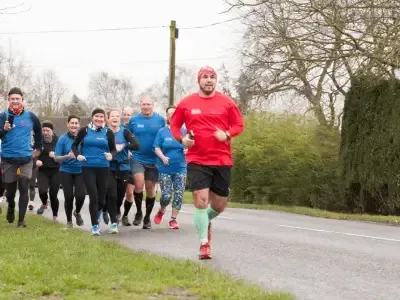
Dive into the visual stories of our Runpreneurs as they document their experiences through engaging video logs. Witness the challenges, triumphs, and moments of camaraderie that define the Runpreneur spirit.
Becoming a Runpreneur: Join the Movement
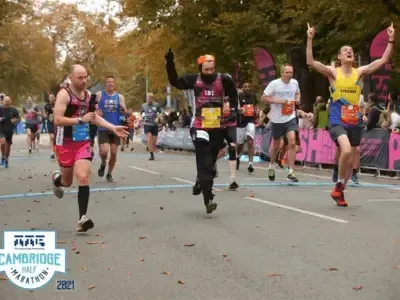
Learn how you can become a Runpreneur and be part of this global community. Discover the steps to sign up, complete the challenge, and share your journey, all while making a lasting difference.
Connect With Us:



















I am on a mission to raise £1,000,000 for children's causes by daily run-vlogging barefoot-style, covering the total distance of a lap around the world—40,075 km.