
Runpreneur Journey Blog
Embark on an extraordinary journey with the Runpreneur community. Discover inspiring stories, insider tips, and the transformative power of our global challenge. From first-time runners to seasoned athletes, our blog captures the essence of the Runpreneur movement, inspiring others to join the cause.
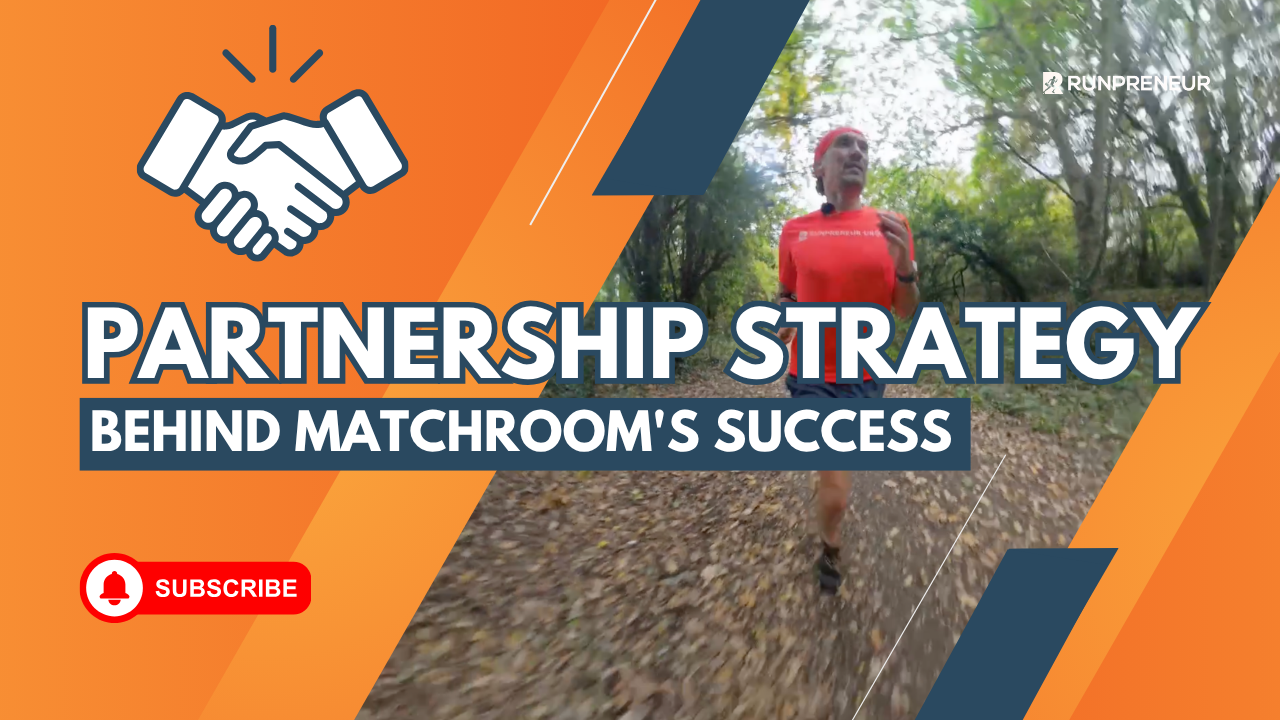
What Running 19,620km Taught Me About Building Marketing Empires - Day 1962
What Running 19,620km Taught Me About Building Marketing Empires - Day 1962
Today I ran through Essex thinking about marketing empires and how they're built. Not because I was planning to, but because I'd just watched Netflix's documentary on Matchroom Sport - "The Greatest Showman" - and something Barry Hearn said kept rolling around in my head as my feet hit the pavement.
Twenty-thousand four hundred and fifty-five kilometres to go. That's what's left between me and completing a lap of the world on foot. Day 1962 of running daily in barefoot-style shoes, and I'm constantly reminded that everything worthwhile is built one step at a time.
Matchroom Sport fascinated me because they've created something that seems almost untouchable in sports promotion. Barry Hearn started in Romford, grinding his way through the snooker world, building relationships, creating value where others saw none. His son Eddie has taken that foundation and expanded it into boxing, darts, fishing - sports that capture millions of eyeballs globally.
What struck me most wasn't their success, but how they achieved it. No shortcuts. No overnight transformation. Just relentless consistency and strategic thinking over decades.
The documentary showed Barry's early days - the stress, the financial risks, the countless hours building something from nothing. It reminded me why I'm out here every morning, rain or shine, adding another 10km to this journey. Both missions require the same fundamental ingredient: showing up when you don't feel like it.
Matchroom's business model is brilliant in its simplicity. They've created a system where everyone wins. The athletes get a platform and prize money. The sponsors get massive exposure. The venues get packed crowds. Matchroom takes their cut from orchestrating it all, but they've earned that position through years of proving their value.
Their content strategy alone is worth studying. They don't just promote events - they create stories. Personalities. Drama. They understand that people don't just watch snooker or darts; they follow characters, narratives, human journeys. Ronnie O'Sullivan isn't just a snooker player - he's a phenomenon they've helped cultivate.
This got me thinking about my own mission. I'm not trying to build a sports empire, but I am trying to create something sustainable that generates real value. Every day I run, I create content. Every piece of content potentially reaches someone new. Every new person who follows this journey increases the chance of raising more money for children's causes.
The partnership model Matchroom uses resonates with me. They don't try to do everything themselves. They collaborate with venues, broadcasters, sponsors, even competitors' teams. Everyone brings their strengths to create something bigger than any individual could achieve alone.
That's what I'm learning about fundraising too. It's not about me running alone and asking for money. It's about building a community of people who believe in the mission. Some contribute financially, others share the content, others offer advice or opportunities. Each person adds value in their own way.
Matchroom's global expansion strategy is particularly interesting. They identify markets where their sports have potential, establish partnerships with local promoters, and gradually build presence. Patient, methodical growth rather than trying to conquer everything at once.
I think about this when people ask if I'll run in other countries. Right now, my focus is completing this distance, one day at a time, from my base here. But the principles are the same - build credibility first, deliver consistency, then expand thoughtfully.
What impressed me most about Barry Hearn was his long-term thinking. He wasn't trying to get rich quick or find shortcuts. He was building something that would last, something his family could continue developing. That's the kind of legacy thinking this challenge requires.
Running 40,075km isn't a sprint. Raising £1M for children's causes isn't something that happens overnight. Both require the same mindset Matchroom demonstrates - strategic patience combined with daily execution.
The documentary showed the stress and pressure these events create. Week after week, they're putting on massive shows where everything has to work perfectly. One technical failure, one security issue, one logistics problem could ruin everything they've built. Yet they keep doing it because they've created systems and partnerships that make it sustainable.
I feel that same pressure some mornings when my legs are heavy or the weather is brutal. The difference is, if I have one bad day, I can recover tomorrow. If Matchroom has one bad event, it could damage relationships built over decades.
That's why consistency matters so much. Not just showing up, but showing up with standards. Every run needs to maintain the mission's integrity. Every piece of content needs to serve the goal of raising money for children.
Twenty thousand kilometres still feels enormous some days. But watching how Matchroom built their empire reminds me that impossible things become inevitable when you break them into daily actions and execute relentlessly over time.
The real lesson isn't about marketing strategies or business models. It's about understanding that anything worthwhile requires the same basic ingredients: consistency, patience, strategic thinking, and the willingness to show up every single day, especially when you don't want to.
Tomorrow I'll add another 10km to this journey. Another step toward £1M for children's causes. Another day of proving that impossible is just a starting point.
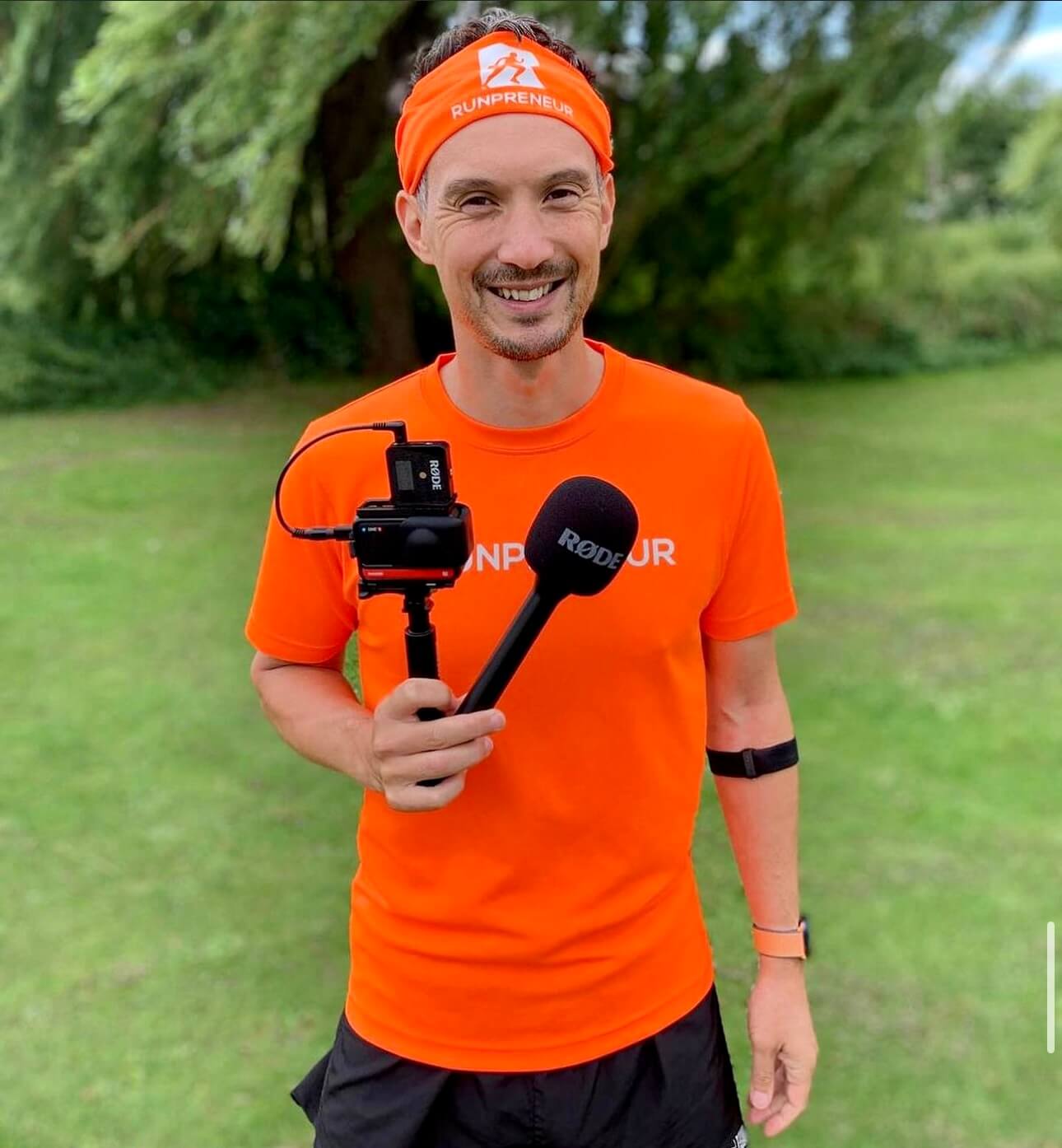
Kevin's 40,075km Challenge: Raising £1 Million for Children
Meet Kevin, a dedicated Runpreneur who embarked on an extraordinary journey to raise £1 million for children in need. Over the course of his 40,075km challenge, Kevin's unwavering determination and passion inspired thousands to join the Runpreneur movement.
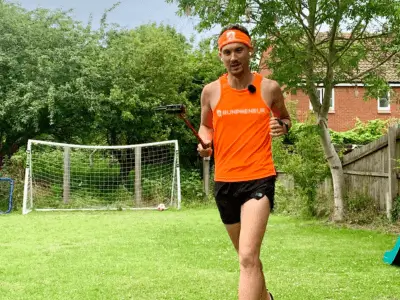
Runpreneur Vlogging: Capturing Kevin's Journey
Experience the Runpreneur challenge through the lens of Kevin's video diary. Witness his ups and downs, the camaraderie of the community, and the transformative power of running for a cause. Dive into the visual stories that capture the essence of the Runpreneur movement.

Empowering Children, One Step at a Time
As Kevin logged every kilometre of his 40,075km challenge, the true purpose behind his journey came into focus. Each step, each bead of sweat, fuelled essential healthcare, education, and nutrition programs for children in need around the world.
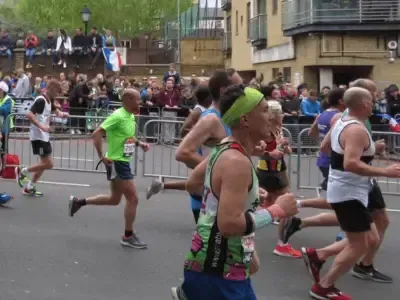
The Transformative 4x4x48 Challenge
Experience the thrill and personal growth of our iconic 48-hour running event. Witness the determination and resilience of Runpreneurs as they push their limits, one mile at a time.
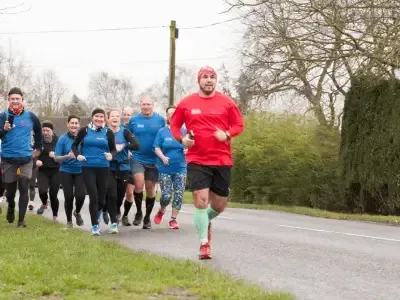
Runpreneur Vlogging: Capturing the Journey
Dive into the visual stories of our Runpreneurs as they document their experiences through engaging video logs. Witness the challenges, triumphs, and moments of camaraderie that define the Runpreneur spirit.
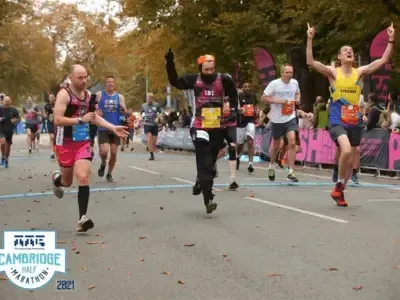
Becoming a Runpreneur: Join the Movement
Learn how you can become a Runpreneur and be part of this global community. Discover the steps to sign up, complete the challenge, and share your journey, all while making a lasting difference.
Connect With Us:



















I am on a mission to raise £1,000,000 for children's causes by daily run-vlogging barefoot-style, covering the total distance of a lap around the world—40,075 km.