
Runpreneur Journey Blog
Embark on an extraordinary journey with the Runpreneur community. Discover inspiring stories, insider tips, and the transformative power of our global challenge. From first-time runners to seasoned athletes, our blog captures the essence of the Runpreneur movement, inspiring others to join the cause.

Understanding and Tracking Your Health Metrics: A Runpreneur’s Perspective
Understanding and Tracking Your Health Metrics:
A Runpreneur’s Perspective
Hello everyone,
Today, I want to dive into a topic that is incredibly crucial for anyone looking to improve their physical health—tracking your health metrics. If you’re like many people and you’re unsure where to start on your fitness journey, then understanding and tracking your health metrics could be the key to unlocking your potential. Let's explore this topic together.
Firstly, if you believe in my mission to save children’s lives by attempting the ultimate ultramarathon of run vlogging on consecutive days, barefoot, covering the distance of a lap of the world, then please do subscribe, share, like, and comment. The more visibility we gain, the more funds we can raise, and ultimately, the more children's lives we can save.
Alright, let’s get into it. On consecutive day 1442 of the Diary of a Runpreneur, I realized how important tracking health metrics is for anyone focused on improving their health. Whether it’s to enhance your physical fitness or just monitor your well-being, having clear metrics helps measure your progress and guides you in the right direction.
Here are some key health metrics that you might want to consider:
1. Weight and Body Mass Index (BMI):
This is one of the simplest metrics to understand. Your weight, when paired with your height, can help determine if you’re in a healthy weight range using BMI. It’s crucial to monitor this regularly to see if you are underweight, overweight, or in an optimal range.
2. Resting Heart Rate:
Your resting heart rate is a solid indicator of your cardiovascular fitness. Monitoring this can help you keep track of improvements in your heart health.
3. Sleep Quantity and Quality:
Good sleep is essential for your overall health. Track how many hours of sleep you get and the quality of that sleep. Remember, both quantity and quality are important.
4. Cholesterol Levels:
Keeping an eye on your cholesterol can indicate your risk of heart disease. It’s one of those metrics that can be crucial for long-term health.
5. Blood Pressure:
High or low blood pressure can indicate different health issues. Regularly checking your blood pressure can give insights into your cardiovascular health.
6. Blood Sugar Levels:
Especially relevant for people with diabetes, tracking your blood sugar levels can help manage and mitigate potential health risks.
7. Fluid Intake/Hydration:
Staying hydrated is essential for all bodily functions. Monitor your fluid intake to ensure you’re adequately hydrated.
8. Body Fat Percentage:
This can be tracked to understand the composition of your body and how much of your weight is fat versus muscle.
Remember, tracking these metrics can get as complex as you want, but starting with these basics can set you on the right path. It’s important to understand each metric, how it’s measured, and what the results mean for your health.
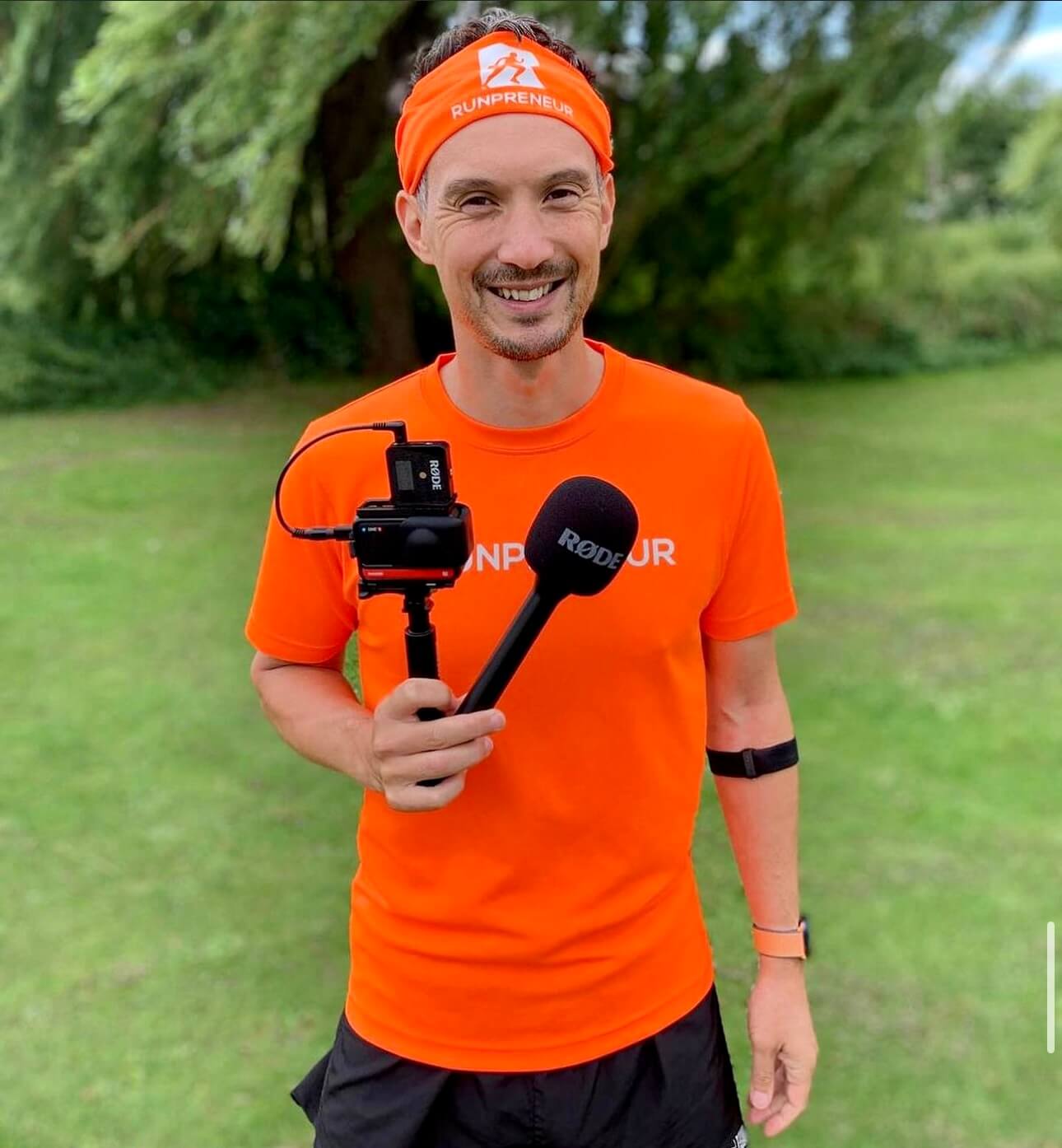
For those keen on more advanced tracking, wearable tech can be a game changer. I rely on my Apple Watch Ultra 2, which provides a wealth of data on my sleep, heart rate, and more. Apps within the Apple ecosystem can further extend these capabilities. For more specific readings, like heart rate, I use a dedicated heart rate monitor on my arm for better accuracy compared to wrist monitors.
Ultimately, tracking these health metrics allows you to monitor improvements or identify areas needing attention. Regularly reviewing this data can prevent potential health issues from escalating into something more serious and offer the best chances for early intervention.
Understanding the importance of health metrics cannot be stressed enough. For those of us who are aging, our bodies demand more maintenance, and recognizing potential problems early can make a significant difference.
If you're unsure which metrics to track, think about your health status and goals. If you want to lose weight, focus on weight and BMI. For endurance athletes, monitoring heart rate and hydration will be key. If you’re at risk of certain health conditions, target those specific metrics.
In conclusion, stay proactive with your health metrics because you only get one set of health. Monitoring and acting on these metrics can be life-saving, helping you catch potential issues early on.
If you have any questions or comments, do drop me a line. I respond to everyone. And please, if you support my mission, do subscribe, share, and comment. Together, we can save lives.
Stay positive, stay happy, and I’ll see you again tomorrow.
Best,
Kevin Brittain
Kevin's 40,075km Challenge: Raising £1 Million for Children
Meet Kevin, a dedicated Runpreneur who embarked on an extraordinary journey to raise £1 million for children in need. Over the course of his 40,075km challenge, Kevin's unwavering determination and passion inspired thousands to join the Runpreneur movement.

Runpreneur Vlogging: Capturing Kevin's Journey
Experience the Runpreneur challenge through the lens of Kevin's video diary. Witness his ups and downs, the camaraderie of the community, and the transformative power of running for a cause. Dive into the visual stories that capture the essence of the Runpreneur movement.

Empowering Children, One Step at a Time
As Kevin logged every kilometre of his 40,075km challenge, the true purpose behind his journey came into focus. Each step, each bead of sweat, fuelled essential healthcare, education, and nutrition programs for children in need around the world.

The Transformative 4x4x48 Challenge
Experience the thrill and personal growth of our iconic 48-hour running event. Witness the determination and resilience of Runpreneurs as they push their limits, one mile at a time.

Runpreneur Vlogging: Capturing the Journey
Dive into the visual stories of our Runpreneurs as they document their experiences through engaging video logs. Witness the challenges, triumphs, and moments of camaraderie that define the Runpreneur spirit.

Becoming a Runpreneur: Join the Movement
Learn how you can become a Runpreneur and be part of this global community. Discover the steps to sign up, complete the challenge, and share your journey, all while making a lasting difference.
Connect With Us:



















I am on a mission to raise £1,000,000 for children's causes by daily run-vlogging barefoot-style, covering the total distance of a lap around the world—40,075 km.