
Runpreneur Journey Blog
Embark on an extraordinary journey with the Runpreneur community. Discover inspiring stories, insider tips, and the transformative power of our global challenge. From first-time runners to seasoned athletes, our blog captures the essence of the Runpreneur movement, inspiring others to join the cause.

Under 15 Boys Football: The Unsavoury Side and What I Learned as Assistant Coach (Day 2106)
Under 15 boys football has a side that rarely gets talked about. If you coach a team, support one, or stand on the touchline at weekends, you may recognise it. Today I saw it at close range, and I want to write about it honestly.
I have been assistant coach to my eldest son's team since they were under 6s. This is our tenth season together. When we started, they were five-year-olds chasing a ball in a pack. Now they are 15, and a lot of them are built like men. What separates a boy from a man at this age is not physical. It sits in decision-making, attitude and mindset.
Today we played away against a strong side who are second in the league. We won, and we deserved to. We then had a moment that overshadowed the result.
They had pulled a goal back to make it 2-1, and it was a good goal. With around 30 minutes still to play, one of their players tried to disrupt us. He pushed our goalkeeper into the net to get the ball back, then wrestled with him. He then shoulder-barged our centre-halves and defenders and pushed our left back. Our left back swiped a kick at him. Within seconds both teams were involved in what was close to a mass brawl. The referee and the coaches from both sides had to step in to calm it down.
It was an ugly scene for everyone watching: the parents, the supporters, the players and the coaching staff. The outcome was a yellow card for the player who started it and a yellow card for our left back. Our left back was lucky. Swiping a kick at someone in football is usually a straight red card.
I have been involved in this for ten years and I have never seen anything like it. I felt ashamed of how our team reacted. I understand why the emotions boiled over. A lad was the catalyst, and our player reacted. But understanding a reaction does not make it right.
The lesson for me today is about the transition from boy to man in a sporting environment. At 15, hormones and emotions are running at full speed, and boys have not yet learned to control them. Put that inside a competitive game with parents watching, and you get heated, aggressive moments. Both teams let themselves down today. I am not pointing the finger only at the other side. My own team did not hold the standard we expect.
I also see something in how the other player behaved. He used whatever tactic he could to affect the game in his team's favour. It was classless. But the question I keep coming back to is what I teach my own players to do when someone acts like that. Reacting is the easy option. Staying disciplined takes practice, and it has to be coached like any other skill.
So here is what I plan to do. We won the game, and the performance was good apart from that incident. But we will have a conversation at training, a proper debrief. I want to talk about how we conduct ourselves and the behaviour we expect from the football club. A team gets a reputation, and reputations are slow to build and quick to lose. We have never been a team that causes trouble. Win, lose or draw, we try to show dignity, class and good sportsmanship. Today, even with the win, it felt as if we lost something as a club. I want to put that right.
This ties back to why I run every single day. My streak is built on a simple idea: consistency over intensity. Showing up when it is easy and when it is hard. The same principle applies to character. A team, or a person, is not defined by how they act when things go well. It is defined by how they respond when something provokes them. In running, the equivalent is a hard day when every instinct says to stop. You do not need to feel calm to act calmly. You need a habit that was built before the pressure arrived.
Today was Day 2106 of my daily barefoot-style running streak. I have now covered 16,203.60km towards my goal of 40,075km, a lap of the world. That leaves 23,871.40km to go. The aim behind the distance is to raise £1M for children's causes, and I film and share every day so more people see the mission. Children are at the centre of it, which is part of why today's incident stayed with me. The boys on that pitch are children, even when they look like men. They are learning how to handle pressure, and the adults around them, including me, have a responsibility to show them how.
If you are involved in under 15 boys football, I would like to hear how you handle moments like this. Do you address them straight away, or wait until the next training session? Leave a comment and I will reply to anything relevant.
If you want to follow the streak and support the mission, watch the daily episodes, subscribe and share. The more people we reach, the more we can raise for children's causes. I will be back tomorrow with Day 2107.
Watch the full episode: https://youtu.be/wIrzOZfeuts
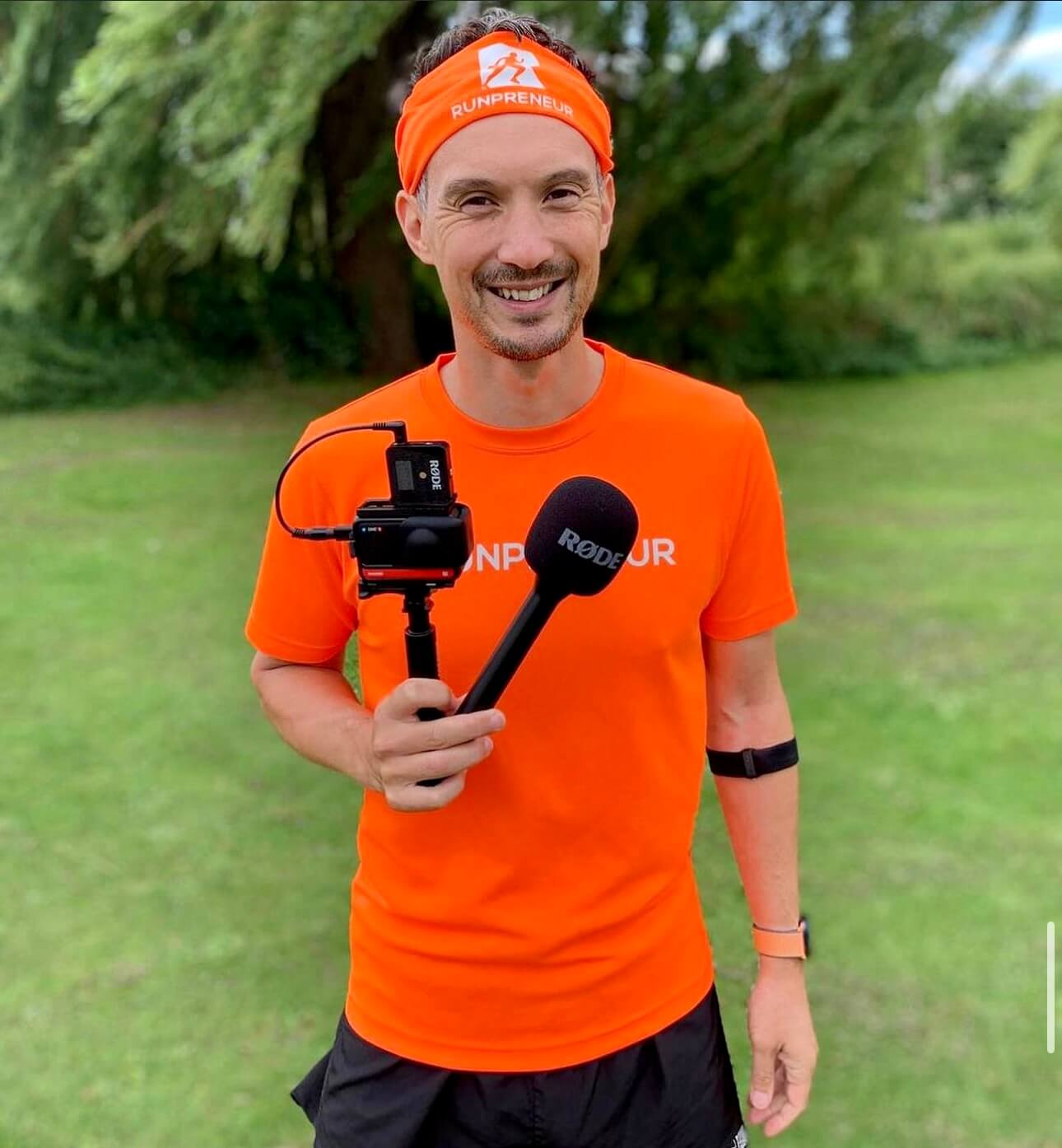
Kevin's 40,075km Challenge: Raising £1 Million for Children
Meet Kevin, a dedicated Runpreneur who embarked on an extraordinary journey to raise £1 million for children in need. Over the course of his 40,075km challenge, Kevin's unwavering determination and passion inspired thousands to join the Runpreneur movement.
Runpreneur Vlogging: Capturing Kevin's Journey
Experience the Runpreneur challenge through the lens of Kevin's video diary. Witness his ups and downs, the camaraderie of the community, and the transformative power of running for a cause. Dive into the visual stories that capture the essence of the Runpreneur movement.

Empowering Children, One Step at a Time
As Kevin logged every kilometre of his 40,075km challenge, the true purpose behind his journey came into focus. Each step, each bead of sweat, fuelled essential healthcare, education, and nutrition programs for children in need around the world.
The Transformative 4x4x48 Challenge
Experience the thrill and personal growth of our iconic 48-hour running event. Witness the determination and resilience of Runpreneurs as they push their limits, one mile at a time.
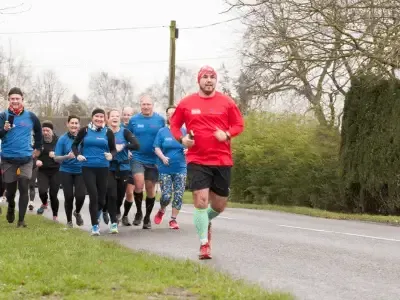
Runpreneur Vlogging: Capturing the Journey
Dive into the visual stories of our Runpreneurs as they document their experiences through engaging video logs. Witness the challenges, triumphs, and moments of camaraderie that define the Runpreneur spirit.
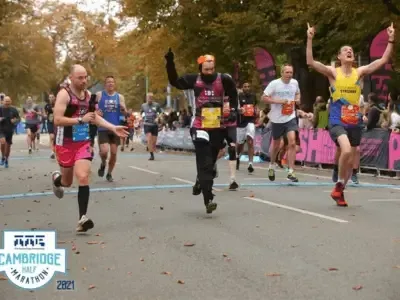
Becoming a Runpreneur: Join the Movement
Learn how you can become a Runpreneur and be part of this global community. Discover the steps to sign up, complete the challenge, and share your journey, all while making a lasting difference.
Connect With Us:



















I am on a mission to raise £1,000,000 for children's causes by daily run-vlogging barefoot-style, covering the total distance of a lap around the world—40,075 km.