
Runpreneur Journey Blog
Embark on an extraordinary journey with the Runpreneur community. Discover inspiring stories, insider tips, and the transformative power of our global challenge. From first-time runners to seasoned athletes, our blog captures the essence of the Runpreneur movement, inspiring others to join the cause.
Tracking Your Fitness for Endurance Events: What My Strava Score Showed Me After Injury
Yesterday I ran 16,268.02km. It was my longest run since I broke my foot around four months ago. The distance is small. What it showed me is not.
Today is day 2,116 of my daily running streak. I have covered 16,268.02km towards a lap of the world, 40,075km, which leaves 23,806.98km. I run barefoot style every day and share each run on video to raise £1M for children's causes. Consistency is the whole plan. Yesterday reminded me consistency and fitness are not the same thing.
Why I am tracking my fitness
The last four months have been a grind. First came the broken foot, and I cut my pace and distance right down to give it room to heal. A streak runner has no rest days, so every run has to protect the injury. Then, as I built back up, sinusitis arrived. That is now four weeks and counting, and I am still clearing the last of it. Congested sinuses make cardiovascular work hard.
I knew my fitness had dropped because workouts I used to handle were suddenly much harder. That is the obvious sign. A feeling is a poor basis for decisions, though. I wanted a number.
What the data says
I log every run on Strava and have done for close to six years. I pay for a subscription. Strava does not sponsor or endorse me. Part of the paid service is a fitness score, built from my heart rate against my pace and effort over time.
I record my runs in an app called Workoutdoors, which syncs to Strava when I finish. The heart rate comes across with it. If you want an accurate fitness measure, you need a heart rate monitor. Without one, the score has little to work from.
One score on its own means little. A trend over months means a great deal. Here is mine, from memory of the graph:
Around my marathons last year, my score sat at about 45 to 47. At my peak, it reached the mid 50s. After the last marathon I slipped into recovery running, keeping my heart rate as low as I could and getting the runs done. Then the broken foot slowed me further, and the score fell to about 20. That is a drop of roughly 25 points. It has since climbed back into the low 30s.
That climb took four to six months and it is still incomplete. This is the point I took from the graph. Fitness is far easier to hold than to rebuild. Falling takes weeks. Climbing takes months.
Why a realistic target matters
My spring marathons have sat in the background because of the injuries. Last year I finished one in around 3 hours 38, if I remember rightly. A good time for me would be pushing towards 3 hours 15. At a fitness score of 45 to 47 I was not ready for that. At low 30s, I would struggle to go under four hours.
I also use an algorithm called Tanda, which predicts marathon times from training data. Put the Tanda prediction beside my Strava fitness trend and I get an honest answer to one question: what is a realistic target for me now?
I care about this because an unrealistic target causes two problems. You miss it, which is demoralising. Or you chase it, push harder than your body is ready for, and get injured. I have a broken foot and a sinus infection behind me. I do not need a third setback from stubbornness.
The metric matters less than your consistency with it
People ask which app or score to use. I do not think it matters much. How your app calculates fitness is not the important part. Using the same metric, on the same app, over a long period is. That is how you see your fitness rise and fall, and how you compare your state before one race with your state before the next.
The requirements are simple:
- A heart rate monitor - An app that turns the data into a fitness measure - The discipline to use the same one every time
If you compete in endurance events and you do not track this, you are guessing. I would rather have the data.
The lesson for me
On a streak, the run happens every day whatever the state of my body. That has a cost. Some days the run is slow and short because it has to be. The streak survives, and the fitness score shows me what the streak cost.
That is a useful kind of honesty. It tells me to be patient. It tells me not to judge myself against last year's numbers. It tells me to rebuild gradually, and to pick the spring marathons with evidence instead of hope.
I am planning this as a streak of around 16.5 years, so I cannot afford to run on ego. A target set from data protects the streak. A target set from pride puts it at risk.
Where this leaves the mission
I am not racing anyone. I am covering 40,075km one day at a time, with 23,806.98km still to run, for children's causes including Great Ormond Street and BBC Children in Need. More people watching means more money raised for children, which is why I show up every day. Some days I am fitter and some days I am not. The distance gets covered either way.
If you are an endurance athlete, set up your tracking this week. Link your device, record your heart rate, and start the trend line. In six months you will have something real to plan from.
If you believe in the mission, subscribe, share or comment on the video, and tell me which fitness metric you use.
Watch the full episode: https://youtu.be/LpoVHs_tAxQ
Kevin's 40,075km Challenge: Raising £1 Million for Children
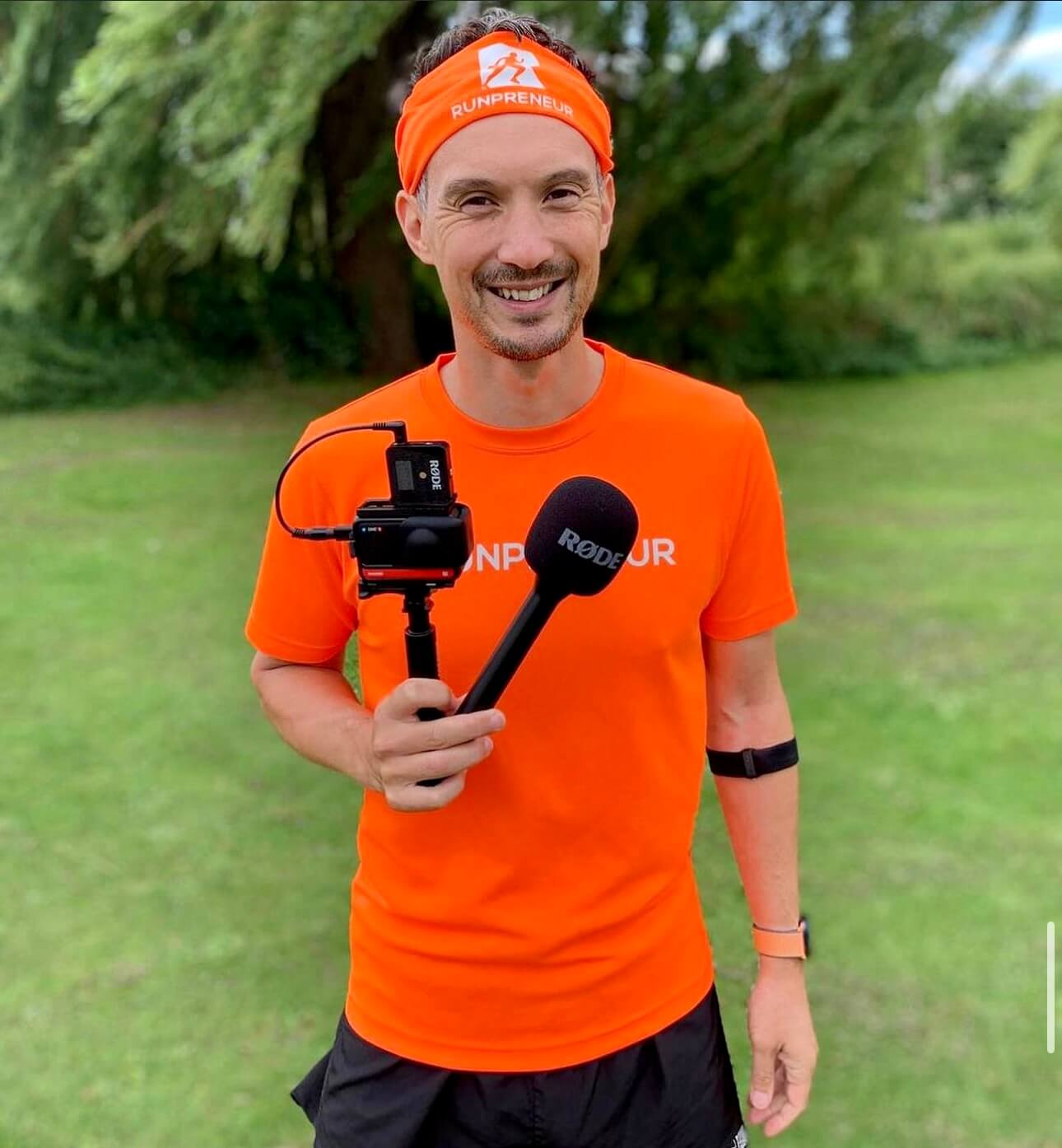
Meet Kevin, a dedicated Runpreneur who embarked on an extraordinary journey to raise £1 million for children in need. Over the course of his 40,075km challenge, Kevin's unwavering determination and passion inspired thousands to join the Runpreneur movement.
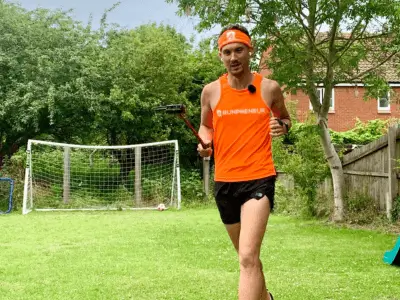
Runpreneur Vlogging: Capturing Kevin's Journey
Experience the Runpreneur challenge through the lens of Kevin's video diary. Witness his ups and downs, the camaraderie of the community, and the transformative power of running for a cause. Dive into the visual stories that capture the essence of the Runpreneur movement.

Empowering Children, One Step at a Time
As Kevin logged every kilometre of his 40,075km challenge, the true purpose behind his journey came into focus. Each step, each bead of sweat, fuelled essential healthcare, education, and nutrition programs for children in need around the world.
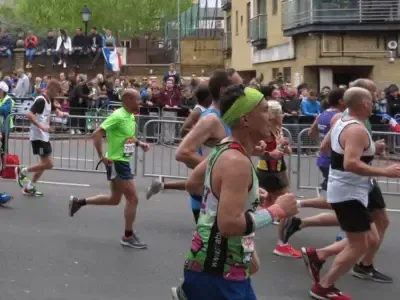
The Transformative 4x4x48 Challenge
Experience the thrill and personal growth of our iconic 48-hour running event. Witness the determination and resilience of Runpreneurs as they push their limits, one mile at a time.
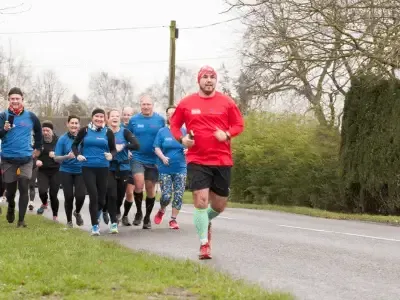
Runpreneur Vlogging: Capturing the Journey
Dive into the visual stories of our Runpreneurs as they document their experiences through engaging video logs. Witness the challenges, triumphs, and moments of camaraderie that define the Runpreneur spirit.
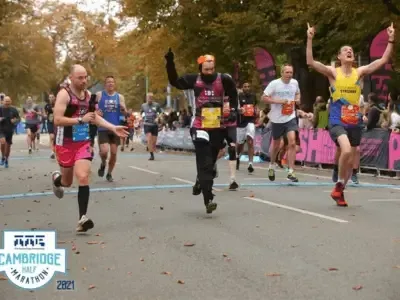
Becoming a Runpreneur: Join the Movement
Learn how you can become a Runpreneur and be part of this global community. Discover the steps to sign up, complete the challenge, and share your journey, all while making a lasting difference.
Connect With Us:



















I am on a mission to raise £1,000,000 for children's causes by daily run-vlogging barefoot-style, covering the total distance of a lap around the world—40,075 km.