
Runpreneur Journey Blog
Embark on an extraordinary journey with the Runpreneur community. Discover inspiring stories, insider tips, and the transformative power of our global challenge. From first-time runners to seasoned athletes, our blog captures the essence of the Runpreneur movement, inspiring others to join the cause.
To-Do List Overwhelm: Why I Hid 161 Tasks and Kept Only the Work That Matters
I finished my work for the day and 161 tasks were still sitting in my task management app. I had done what the day asked of me. The number on the screen told me otherwise.
Today is day 2122 of my daily barefoot-style running streak. I have covered 16,311.95 km so far, which leaves 23,763.05 km of the 40,075km lap of the world. I run every day and I raise money for children's causes along the way, with a target of £1M. Today's episode is about a different part of my life, because to-do list overwhelm is something I have felt, and the fix was not what I expected.
What was wrong
I built my own task management system in Airtable. I have tried ClickUp, Monday and most of the others. In my opinion mine is better than nearly all of them, and my team enjoys using it. I even built in auto-scheduling, so I only see a select chunk of work each day.
The gap was simple. The system showed me today's work, but the other 161 tasks stayed in view, waiting. Every time I closed out a day, I looked at the backlog. This was demoralising. Overwhelm, anxiety and stress followed, and my productivity dropped.
What the number was telling me
I looked at the 161 differently. If those tasks were truly important, I would have done them by now. A list does not grow to 161 when the work matters. Most of those tasks sat there because nothing bad happened when I left them alone.
This is the 80/20 rule, Pareto's principle, applied to my own list. Around 80% of my progress comes from 20% of the work. I knew the principle. I had not applied the principle to what I allowed myself to see.
What I changed
I now use Kanban cards for key milestones. Each card links to a quarterly target. I break the work into weekly columns, so each week holds a short list of what moves me towards the quarter. Everything else, I do not see.
Each day an AI agent acts as my daily organiser. The agent reads my list and asks me a couple of clarifying questions. Then the agent schedules my work in time blocks in my calendar. The schedule accounts for existing appointments, getting ready and travel time. The day I get is realistic, and every block holds high priority work.
What happened
The 161 tasks have not come back to trouble me. If something critical were missed, I would be notified in some way. So far, nothing has needed me. I have clarity and headspace. I no longer finish a day feeling behind, because I planned a realistic amount and I did the right work.
The caveat
I want to be accurate here. The other tasks do not disappear. Some will need dealing with at some point. The answer is systems, processes, people and AI agents, structured so the lower priority work never gets in the way of the most important work. That is a topic for another episode.
What this has to do with running
I do not complete 40,075km by looking at 40,075km. I complete today's run, and then tomorrow's. The total is too large to hold in my head, and trying to hold the total would make me quit. The streak works because I focus on one day at a time. I am planning for a streak of around 16.5 years, so consistency matters far more than intensity.
My task list had the same problem. I was looking at everything at once. Once I cut the view down to this week's priorities, the work became something I could finish, the same way a daily run is something I finish.
If you feel overwhelmed by a never-ending task list
Here is what I would try:
1. Choose the most important things for the next 90 days. 2. Break each one into weekly chunks. 3. Focus on those chunks and leave everything else alone. 4. If something is truly important, it will come back to you, and you will then have a choice about how to deal with it. 5. Estimate how long each task will take, then time-block your calendar with realistic chunks. 6. Add buffers for travel, getting ready, eating and lunch breaks. An AI assistant can build this schedule for you.
You may be surprised how much on your list is not important. Not looking at those tasks gives you a productivity gain, because you only do the most important work.
Why I share this
This vlog is a diary of my life, and the diary includes the parts of work that went wrong before they went right. The vlog is also part of a fundraiser for children's causes. Every person who watches, follows or shares helps us reach more people, and more people means more money raised for children. That is why I show up every day, on the road and at my desk.
If this helped, leave a comment or ask a question. I reply to anything relevant. If you believe in the mission, please like, subscribe and share.
Watch the full episode: https://youtu.be/gkyISqN6rLo
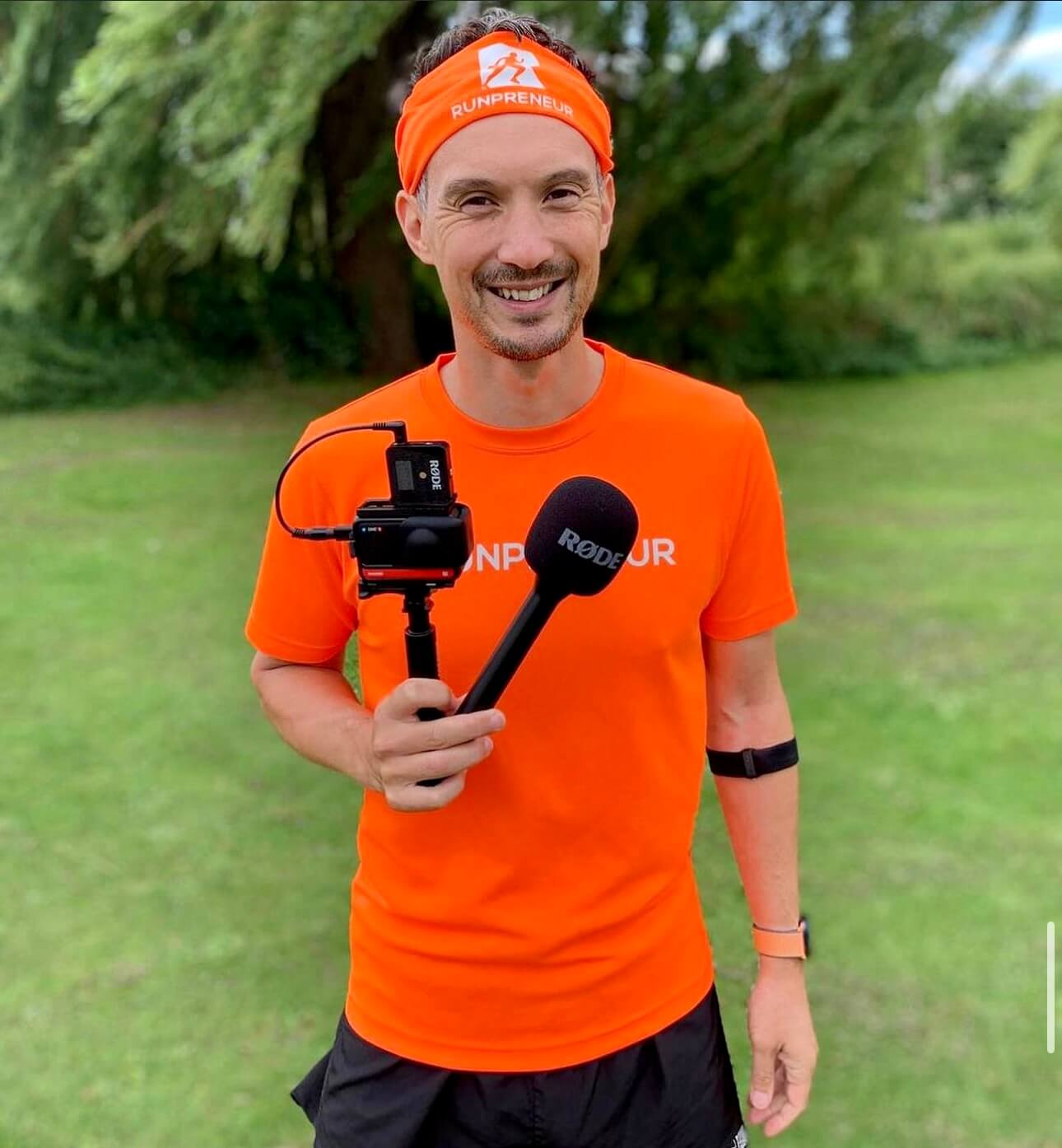
Kevin's 40,075km Challenge: Raising £1 Million for Children
Meet Kevin, a dedicated Runpreneur who embarked on an extraordinary journey to raise £1 million for children in need. Over the course of his 40,075km challenge, Kevin's unwavering determination and passion inspired thousands to join the Runpreneur movement.
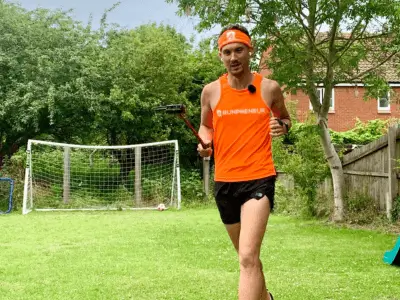
Runpreneur Vlogging: Capturing Kevin's Journey
Experience the Runpreneur challenge through the lens of Kevin's video diary. Witness his ups and downs, the camaraderie of the community, and the transformative power of running for a cause. Dive into the visual stories that capture the essence of the Runpreneur movement.

Empowering Children, One Step at a Time
As Kevin logged every kilometre of his 40,075km challenge, the true purpose behind his journey came into focus. Each step, each bead of sweat, fuelled essential healthcare, education, and nutrition programs for children in need around the world.
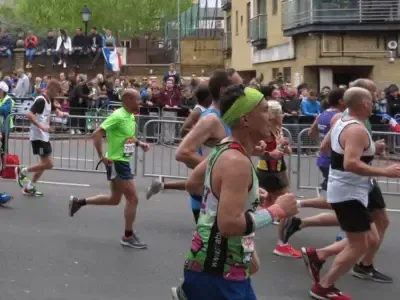
The Transformative 4x4x48 Challenge
Experience the thrill and personal growth of our iconic 48-hour running event. Witness the determination and resilience of Runpreneurs as they push their limits, one mile at a time.
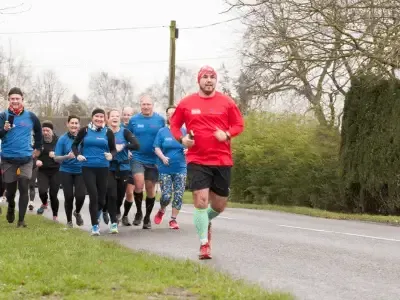
Runpreneur Vlogging: Capturing the Journey
Dive into the visual stories of our Runpreneurs as they document their experiences through engaging video logs. Witness the challenges, triumphs, and moments of camaraderie that define the Runpreneur spirit.
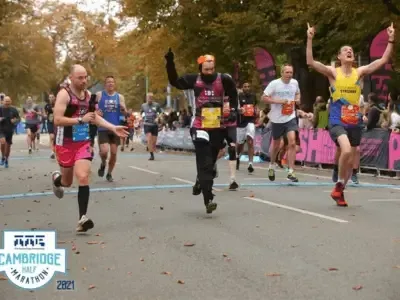
Becoming a Runpreneur: Join the Movement
Learn how you can become a Runpreneur and be part of this global community. Discover the steps to sign up, complete the challenge, and share your journey, all while making a lasting difference.
Connect With Us:



















I am on a mission to raise £1,000,000 for children's causes by daily run-vlogging barefoot-style, covering the total distance of a lap around the world—40,075 km.