
Runpreneur Journey Blog
Embark on an extraordinary journey with the Runpreneur community. Discover inspiring stories, insider tips, and the transformative power of our global challenge. From first-time runners to seasoned athletes, our blog captures the essence of the Runpreneur movement, inspiring others to join the cause.
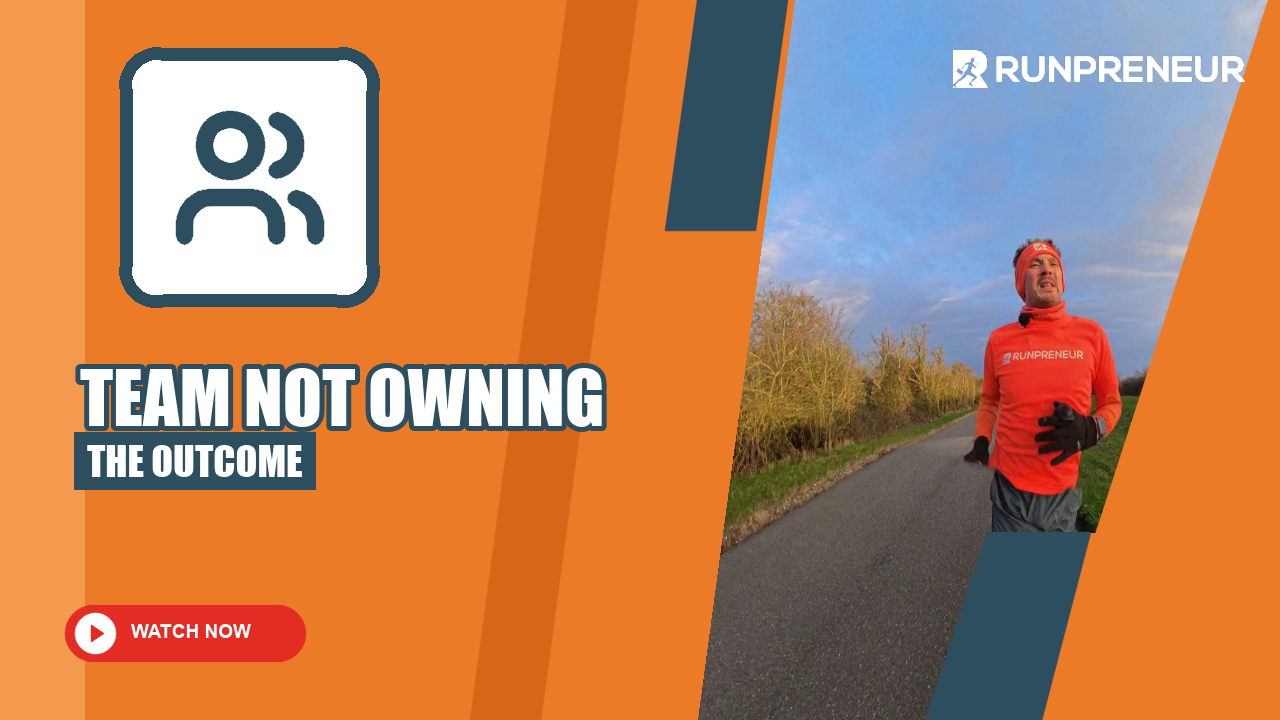
Team Not Owning Outcomes? Give One Person the Whole Operating System
Your team completes every task correctly, and still nobody owns the result. I have seen this in my own business. Today is Day 2115 of my daily barefoot-style running streak, and Episode 2115 of my vlog covers the lesson in full: how to get your team to own the outcome.
Before the detail, the mission. I run every day to cover 40,075km, a lap of the world, and to raise £1M for children's causes. After 2,115 consecutive days my total stands at 16,260.66km, with 23,814.34km remaining. I share the numbers each day because figures judge consistency more honestly than feelings do.
How systemisation creates the problem
If you run a business, someone has told you to document everything. Record what you do. Write the standard operating procedure. Map the workflow. I agree with all of this. Systemisation is vital for efficiency, and I build my business around it.
Here is the difficulty. Most real workflows are long and complex. You do not record a whole workflow in one sitting. You break the workflow into small pieces, call each piece a task or a standard operating procedure, and train your team on each piece.
A group of tasks which delivers one outcome is what I call an operating system. Onboarding a client is an operating system. Producing a monthly report is an operating system. Each holds many tasks, and different people often handle different tasks.
Picture a client onboarding with five tasks and three people. Each person completes their tasks perfectly. The checklist is ticked. Yet a handover fails between task three and task four, and nobody notices, because nobody is responsible for the whole. Each person did their job. The outcome still suffered.
What I learned
The lesson for me was simple. Stop training the team to own tasks. Train them to own outcomes.
This means two things.
First, one person owns the full operating system. Several people still work inside the operating system. The owner does not do every task. The owner makes sure the operating system works from start to finish. They remove bottlenecks. They catch mistakes early. They support the colleagues working inside their process, because the result belongs to them.
Second, the owner holds a metric. A single number or scorecard shows how the operating system performs. Turnaround time, error rate or completion rate are examples. The metric gives the owner evidence, and gives me a clear view without chasing updates.
Why the metric matters
An owner with a scorecard wants good news to report. Nobody enjoys sharing a number which is falling. So the owner has a personal reason to improve the operating system. Improvement stops being my instruction and becomes their interest. I did not need to motivate anyone. I changed the structure, and behaviour followed.
I want to be accurate here. This is not a magic fix. Ownership needs clear boundaries. The owner needs authority to change the process, access to the data, and my support when something goes wrong. A badly chosen metric produces the wrong behaviour, so I review each one and adjust. In my experience, though, my team stepped up once they owned an outcome instead of a list of chores. This has changed how my team works.
Practical steps if you manage a team
- List your main operating systems and name the outcome each one delivers. - Assign one owner to each operating system. - Give each owner one metric which shows the outcome, not the activity. - Ask each owner to report the metric on a set rhythm. - Keep your task-level procedures. Owners use them as tools, not as the job.
If you search for how to improve team accountability, this is the shift I would make before buying any software or adding any meeting. Process mapping, workflows and standard operating procedures still matter. Ownership is the layer above them.
The link to the streak
Ownership and the streak share one root. Neither runs on intensity. I own the streak the way I ask my team to own an operating system. One owner, one metric, reviewed daily. The metric is simple: did I run today? Day 2115 says yes.
The streak vision runs for 16.5 years. No single run matters much. The system of daily runs delivers the lap of the world. The £1M for children's causes depends on the same patience. I will not overstate where things stand. The target is £1M, and the work continues each day, one run at a time.
A question to reflect on
Which operating system in your business has no single owner? Name it. Pick the person. Choose the metric. Start there this week.
If you manage a team, watch Episode 2115 in full. If you believe in the mission to support children's causes through a lap of the world, follow along, subscribe and share the episode with one person who leads a team.
Watch the full episode: https://youtu.be/Z1nJvsvhK68
Kevin's 40,075km Challenge: Raising £1 Million for Children
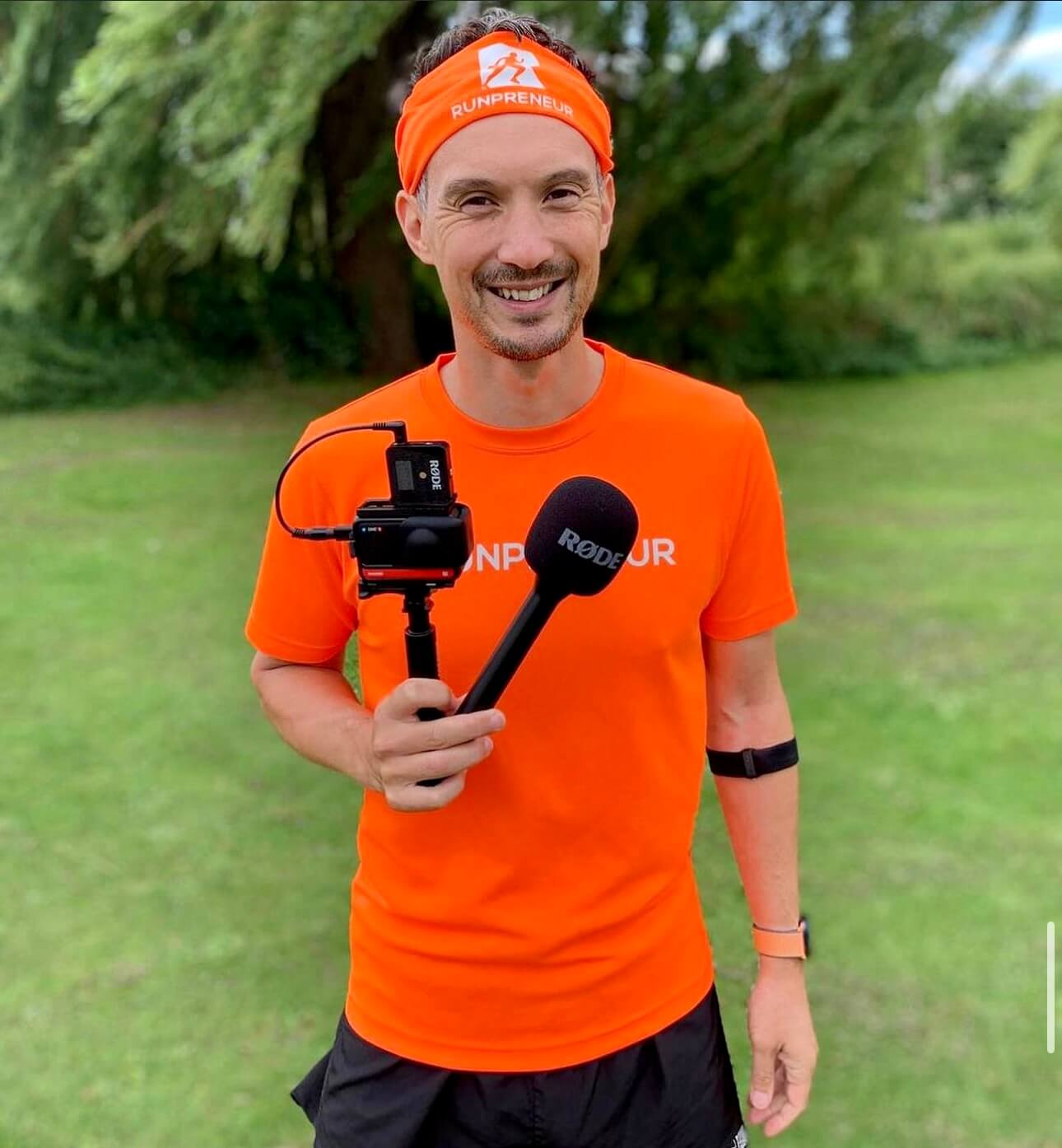
Meet Kevin, a dedicated Runpreneur who embarked on an extraordinary journey to raise £1 million for children in need. Over the course of his 40,075km challenge, Kevin's unwavering determination and passion inspired thousands to join the Runpreneur movement.
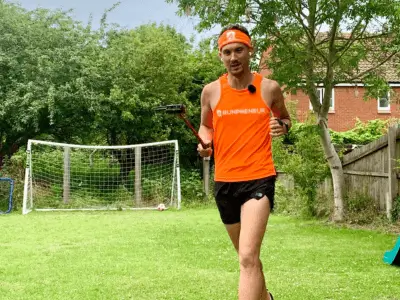
Runpreneur Vlogging: Capturing Kevin's Journey
Experience the Runpreneur challenge through the lens of Kevin's video diary. Witness his ups and downs, the camaraderie of the community, and the transformative power of running for a cause. Dive into the visual stories that capture the essence of the Runpreneur movement.

Empowering Children, One Step at a Time
As Kevin logged every kilometre of his 40,075km challenge, the true purpose behind his journey came into focus. Each step, each bead of sweat, fuelled essential healthcare, education, and nutrition programs for children in need around the world.
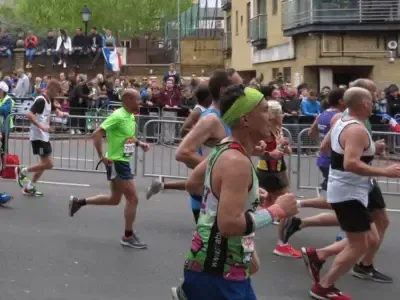
The Transformative 4x4x48 Challenge
Experience the thrill and personal growth of our iconic 48-hour running event. Witness the determination and resilience of Runpreneurs as they push their limits, one mile at a time.
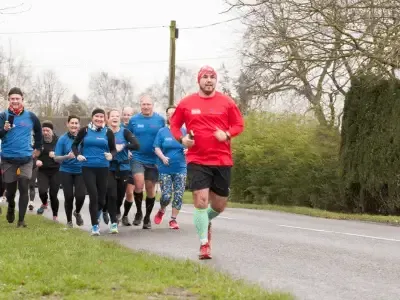
Runpreneur Vlogging: Capturing the Journey
Dive into the visual stories of our Runpreneurs as they document their experiences through engaging video logs. Witness the challenges, triumphs, and moments of camaraderie that define the Runpreneur spirit.
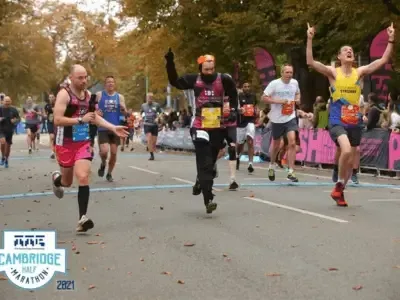
Becoming a Runpreneur: Join the Movement
Learn how you can become a Runpreneur and be part of this global community. Discover the steps to sign up, complete the challenge, and share your journey, all while making a lasting difference.
Connect With Us:

















I am on a mission to raise £1,000,000 for children's causes by daily run-vlogging barefoot-style, covering the total distance of a lap around the world—40,075 km.