
Runpreneur Journey Blog
Embark on an extraordinary journey with the Runpreneur community. Discover inspiring stories, insider tips, and the transformative power of our global challenge. From first-time runners to seasoned athletes, our blog captures the essence of the Runpreneur movement, inspiring others to join the cause.
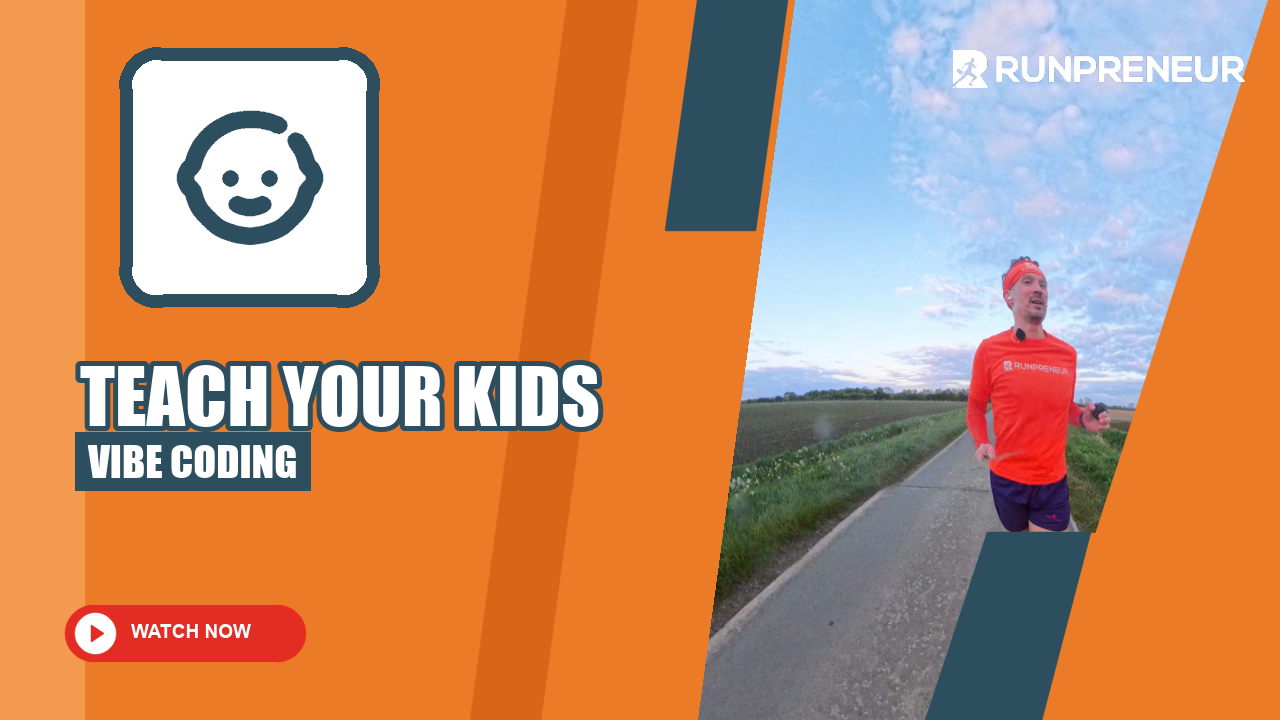
Teaching Children Vibe Coding with AI: Start With Their Problem
Teaching children vibe coding starts with one question: what problem do you have?
Today is day 2149 of my daily barefoot-style running streak. I have covered 16,505.98km so far, which leaves 23,569.02km of the 40,075km lap of the world. Every run gives me time to think. Today my thinking went to my three children.
Where I am with AI
For about a month I have worked deeply with AI, building software through vibe coding with Claude Code. I am not at the front of adoption. I am ahead of the middle. Most people I speak to still use AI as a chat box, where you ask a question and get an answer. I now use AI to build tools which complete tasks for me. The results have surprised me.
My children are 15, 13 and 11. They are growing up in a world different from the one I grew up in. In my experience, schools, the economy and the country all adapt more slowly than technology changes. A head start in understanding AI matters for what they go on to do.
I have not started teaching them yet. I want to be honest about this. Today's episode is about a plan, not a result.
Start with a problem, not a tool
My plan is simple. I ask each child what problems they have in their lives. Many problems have no software answer. Some do.
My 15-year-old son told me he struggles with revision. I saw an opening straight away. Revision apps already exist, so my aim is not to compete with them. I want him to see what is possible when you build your own tool for your own problem, then change the tool until it does what you want.
Why I am not pushing
I have pushed my children before. In some areas of their lives I pushed too hard. The result was lost interest, or a decision to avoid what I wanted for them. Pressure creates resistance. Push harder and the resistance grows, until anything I suggest gets refused.
So I told my son this: I will help you build something for revision. I will not push you. You drive. Your desire to fix the problem has to come first, and I will sit beside you while we do the work together.
I will offer the same to my 13-year-old daughter and my 11-year-old son, when each has a problem of their own.
What they will learn
I will let them do the prompting. They will learn to structure a prompt clearly, test the result, spot what is wrong and go again. Every piece of software goes through this cycle before anyone finds a use for the finished product. A child who learns the cycle at 15 learns more than coding. They learn to define a problem, try a solution, check the result honestly and improve.
This goes past chatting with an AI. Building a tool which does a task for you is a different skill. Agentic AI, where software acts on your behalf, is where this leads, and vibe coding is one of the most advanced ways in.
Two conditions
Two conditions apply. The child needs a problem and enough desire to fix. And AI needs to be able to solve the problem. If either is missing, we build nothing, and I accept this rather than force an idea on a child who does not want it.
The link to the streak
Consistency taught me this. Day 2149 did not come from one huge effort. Day 2149 came from one run each day, kept small enough to repeat. I want my children to meet AI in the same way: one small problem, one session, one improvement. No pressure, no deadline from me.
The mission behind this
This vlog is part of my fundraiser for children's causes. I am attempting the ultimate ultra marathon of running and vlogging on consecutive days, barefoot-style, until I have covered 40,075km around the world. My target is to raise £1M. With 23,569.02km still to run, the work is long and the days are ordinary. Children sit at the centre of why I run, so thinking about how to prepare my own children for the future fits the same mission.
If you have a child in or near secondary school, ask them what problems they face. Listen to the answer before you suggest any tool. Then tell me in the comments what they said. If you want to follow the streak and the fundraiser, subscribe, share and watch tomorrow's episode. The more people I reach, the more I raise for children.
Watch the full episode: https://youtu.be/ZWPD9hNtVHY
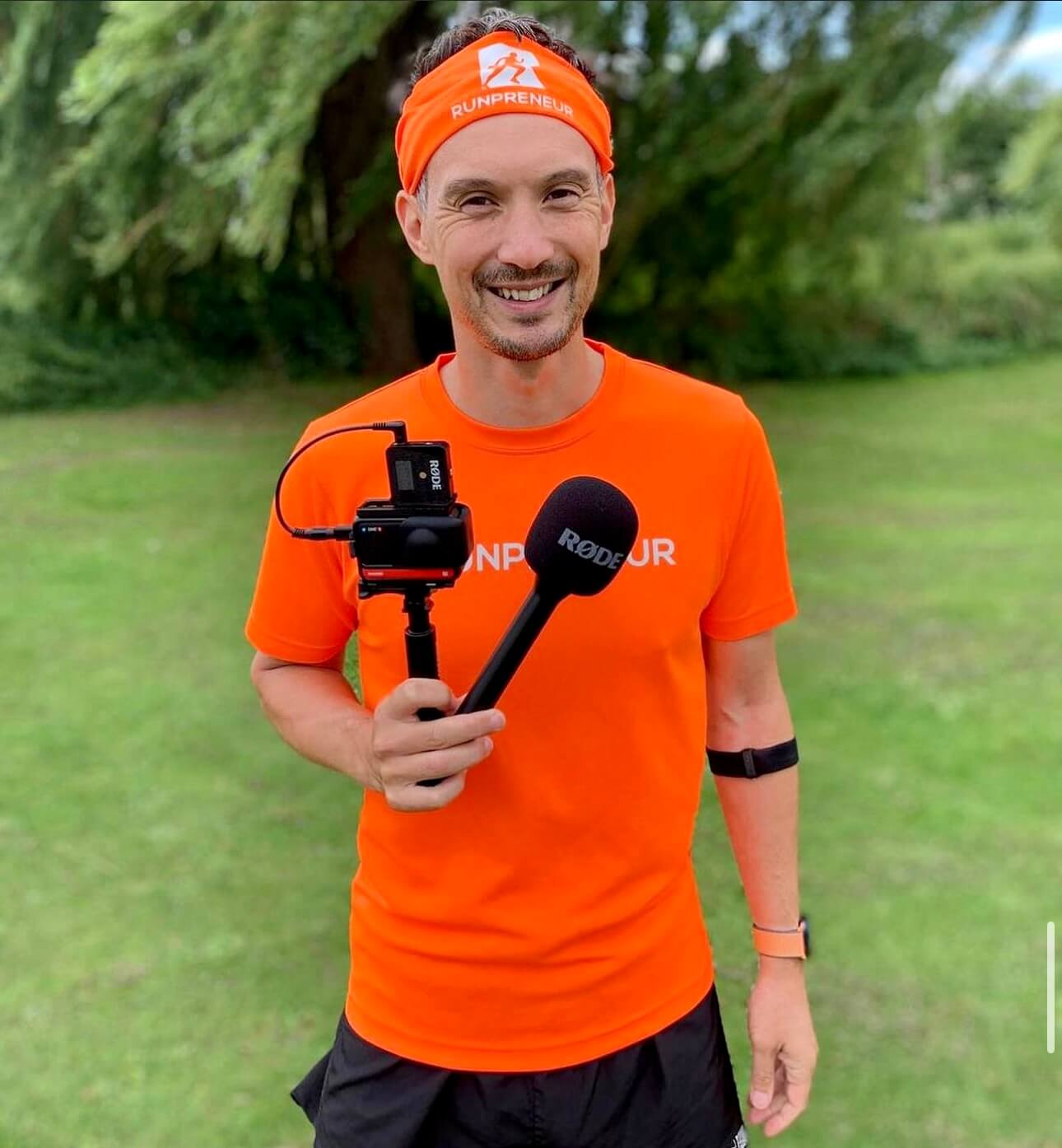
Kevin's 40,075km Challenge: Raising £1 Million for Children
Meet Kevin, a dedicated Runpreneur who embarked on an extraordinary journey to raise £1 million for children in need. Over the course of his 40,075km challenge, Kevin's unwavering determination and passion inspired thousands to join the Runpreneur movement.
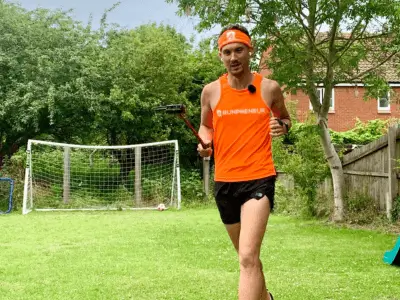
Runpreneur Vlogging: Capturing Kevin's Journey
Experience the Runpreneur challenge through the lens of Kevin's video diary. Witness his ups and downs, the camaraderie of the community, and the transformative power of running for a cause. Dive into the visual stories that capture the essence of the Runpreneur movement.

Empowering Children, One Step at a Time
As Kevin logged every kilometre of his 40,075km challenge, the true purpose behind his journey came into focus. Each step, each bead of sweat, fuelled essential healthcare, education, and nutrition programs for children in need around the world.
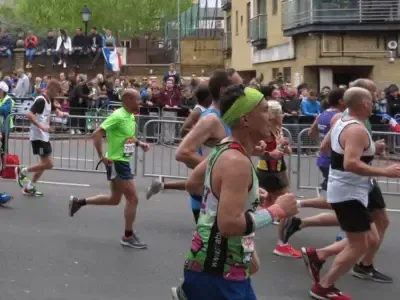
The Transformative 4x4x48 Challenge
Experience the thrill and personal growth of our iconic 48-hour running event. Witness the determination and resilience of Runpreneurs as they push their limits, one mile at a time.
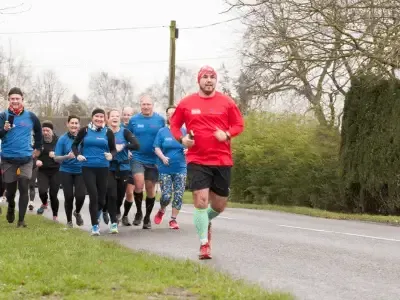
Runpreneur Vlogging: Capturing the Journey
Dive into the visual stories of our Runpreneurs as they document their experiences through engaging video logs. Witness the challenges, triumphs, and moments of camaraderie that define the Runpreneur spirit.
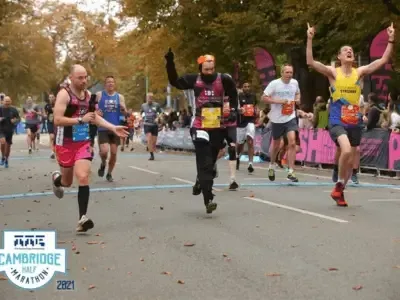
Becoming a Runpreneur: Join the Movement
Learn how you can become a Runpreneur and be part of this global community. Discover the steps to sign up, complete the challenge, and share your journey, all while making a lasting difference.
Connect With Us:



















I am on a mission to raise £1,000,000 for children's causes by daily run-vlogging barefoot-style, covering the total distance of a lap around the world—40,075 km.