
Runpreneur Journey Blog
Embark on an extraordinary journey with the Runpreneur community. Discover inspiring stories, insider tips, and the transformative power of our global challenge. From first-time runners to seasoned athletes, our blog captures the essence of the Runpreneur movement, inspiring others to join the cause.
Talking to Teenagers: How I Got My Closed Book 15-Year-Old to Open Up (Day 2199)
Talking to teenagers is one of the harder parts of being a parent, especially when one of them is a closed book. Today is day 2,199 of my daily run vlog. This episode isn't about running. It's about a conversation I had with my eldest son, and a method that worked better than anything I had tried before.
I have three children. My youngest is 11 and is an open book at the moment. I have no idea how long that will last. My 13-year-old daughter is close to me. If she doesn't tell me something, I can ask and she opens up quite easily. My eldest is 15, and he is the one I find harder to read.
I want to be clear about this. I have a good relationship with him. We have long conversations. We are friends as well as father and son, and I step into the father role when I need to. But he doesn't share much about his life outside the home. That is his choice, and I respect it. He is a young man, and what he shares is up to him.
I still want to know as much as he is willing to tell me. If he needs help, I want to be able to help. If he wants guidance, I want to give it. If he wants nothing at all, I want him to know I am there anyway.
Why the usual question fails
Most parents, me included, ask generic questions. How are things? How's school? Is everything alright? A teenager has an easy answer to all of them: "Yeah, fine." That answer closes the conversation. It isn't dishonest. The question just gives him nothing to work with.
Today I asked how everything was in life, and he told me that was a pretty generic question. He was right. So I said I would be more specific, and I broke life down into seven areas.
The seven areas
The framework comes from a book I read called The Value Factor by Dr John Demartini. He splits life into seven areas:
Familial, which is family. Vocational, which is career or education. Financial, which is money. Physical, which is physical health. Mental, which is mental health. Social, which is social life. Spiritual, which is beliefs, faith and purpose.
I went through each one and asked him specific questions about it, one area at a time.
What changed
The conversation flowed. I learned more about his school life, because we spent time on the vocational area. That is relevant to him now because he is approaching his GCSE year and thinking about what he wants to do next. He talked about his gym workouts, what he is trying to achieve and how happy he is with it. He told me what he is enjoying, what he isn't, where he is struggling and where he feels he is doing well.
I did not get everything. I don't think that is the goal. But I got far more than I get from "how's everything, son?" That question is very hard for a teenager to answer, because it asks him to summarise his whole life in one sentence.
What I did differently
Three things made the difference.
First, the questions were specific. A specific question has a specific answer. It is much harder to reply "fine" to a question about his gym routine or his plans for GCSEs.
Second, it did not feel like an interrogation. I kept it relaxed. Once he realised I was not building a case or looking for a problem, he settled into it.
Third, I kept my opinions out of the way. When he said something, I said "good" or "well done," or I asked if he had thought about a particular angle. If he wanted my advice, I told him I was happy to give it. I did not push it on him. My only aim was to show him he can talk to me about anything and I will not judge him.
That last point matters most. A teenager decides whether to open up based on how the last conversation felt. If he gets lectured once, he remembers it. If he gets listened to, he remembers that instead.
A note on concern
I should add that I have no major worries about any of my children. Of course I worry in different ways, as every parent does. If you do have serious concerns about your teenager, the approach is different, and you may need to be more direct. What I am describing is for the everyday situation where your teenager is simply private and you want to keep the door open.
What this has to do with the run
Consistency is the thread through everything I do. I run every day, barefoot style, and I vlog every day, because I am trying to cover 40,075km, a lap of the world. As of today I have covered 16,867.22km, which leaves 23,207.78km. The run is a long project and it only works through small daily actions.
Parenting teenagers works the same way. One good conversation does not build trust. A habit of showing up, listening and not judging does. I would rather ask better questions on a hundred ordinary days than expect one big talk to fix anything.
It also ties back to why I run. The mission is to raise £1M or more for children's causes, including Great Ormond Street and BBC Children in Need. Being a father keeps that mission grounded for me. Every child deserves an adult who listens, and I am trying to do that at home as well as on the road.
If you are a parent of a closed-book teenager, try breaking life into specific areas and see what happens. You don't need the seven I used. Pick the areas that matter to your child and ask about them one at a time. Then listen.
If you have questions or want to tell me what works in your house, leave a comment. I reply to anything relevant. If you want to follow the run, subscribe to Diary of a Runpreneur. Every person who sees the vlog helps get the mission in front of more people, and that helps more children.
Watch the full episode: https://youtu.be/qCNtaWURKXk
Kevin's 40,075km Challenge: Raising £1 Million for Children
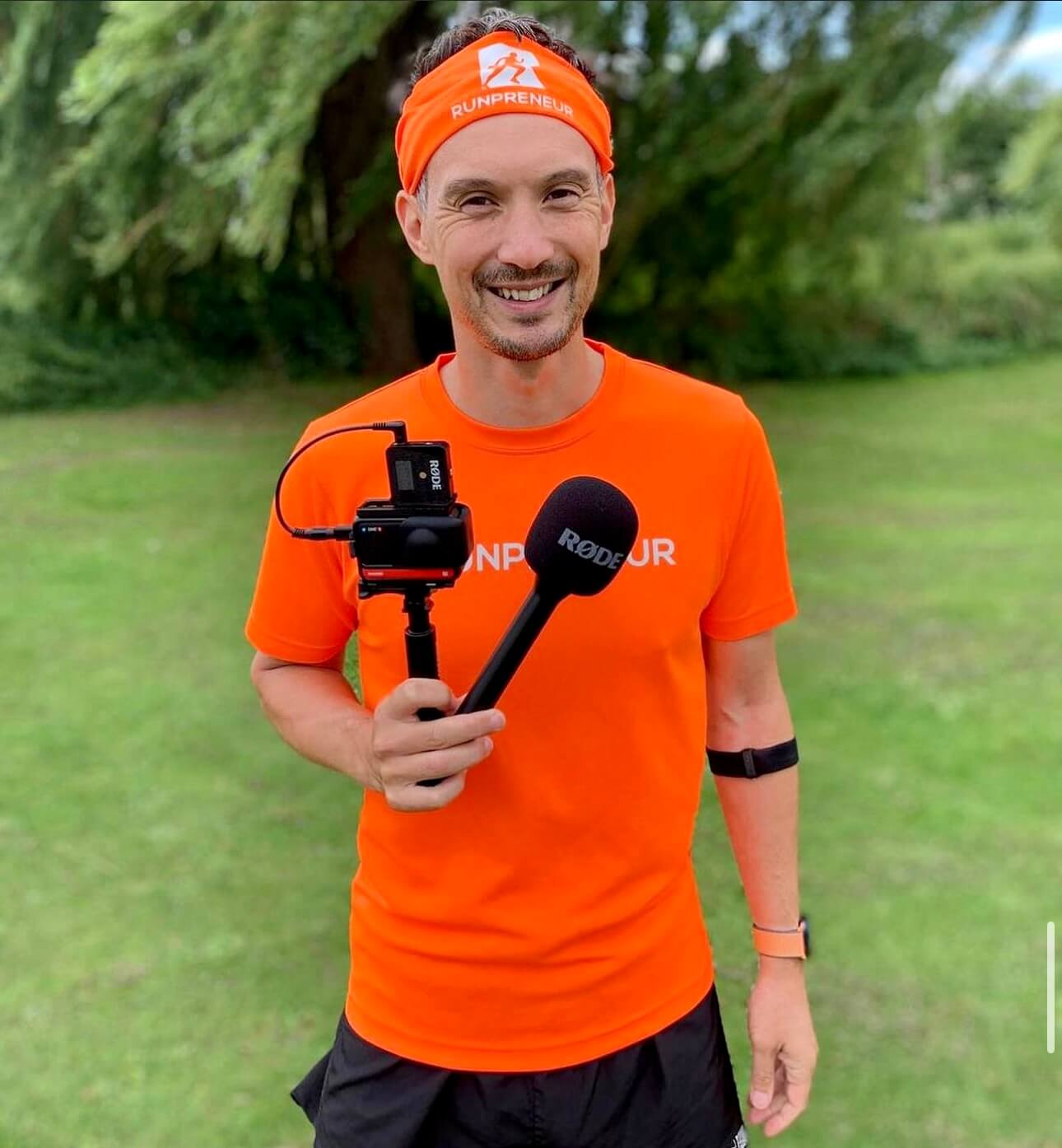
Meet Kevin, a dedicated Runpreneur who embarked on an extraordinary journey to raise £1 million for children in need. Over the course of his 40,075km challenge, Kevin's unwavering determination and passion inspired thousands to join the Runpreneur movement.
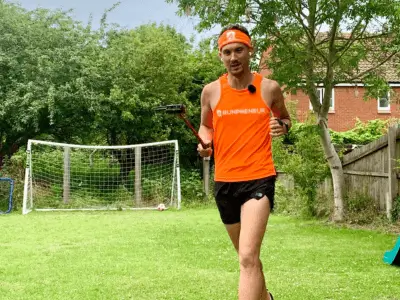
Runpreneur Vlogging: Capturing Kevin's Journey
Experience the Runpreneur challenge through the lens of Kevin's video diary. Witness his ups and downs, the camaraderie of the community, and the transformative power of running for a cause. Dive into the visual stories that capture the essence of the Runpreneur movement.

Empowering Children, One Step at a Time
As Kevin logged every kilometre of his 40,075km challenge, the true purpose behind his journey came into focus. Each step, each bead of sweat, fuelled essential healthcare, education, and nutrition programs for children in need around the world.

The Transformative 4x4x48 Challenge
Experience the thrill and personal growth of our iconic 48-hour running event. Witness the determination and resilience of Runpreneurs as they push their limits, one mile at a time.
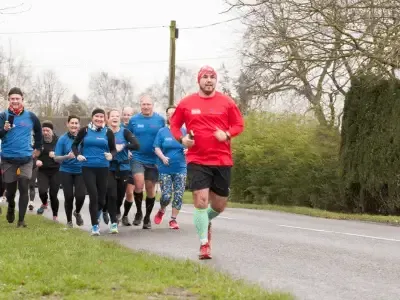
Runpreneur Vlogging: Capturing the Journey
Dive into the visual stories of our Runpreneurs as they document their experiences through engaging video logs. Witness the challenges, triumphs, and moments of camaraderie that define the Runpreneur spirit.
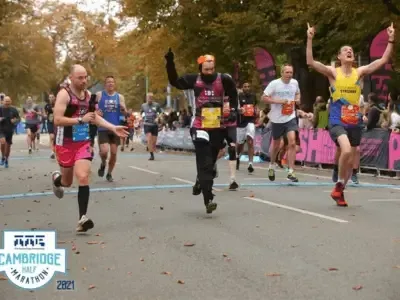
Becoming a Runpreneur: Join the Movement
Learn how you can become a Runpreneur and be part of this global community. Discover the steps to sign up, complete the challenge, and share your journey, all while making a lasting difference.
Connect With Us:



















I am on a mission to raise £1,000,000 for children's causes by daily run-vlogging barefoot-style, covering the total distance of a lap around the world—40,075 km.