
Runpreneur Journey Blog
Embark on an extraordinary journey with the Runpreneur community. Discover inspiring stories, insider tips, and the transformative power of our global challenge. From first-time runners to seasoned athletes, our blog captures the essence of the Runpreneur movement, inspiring others to join the cause.
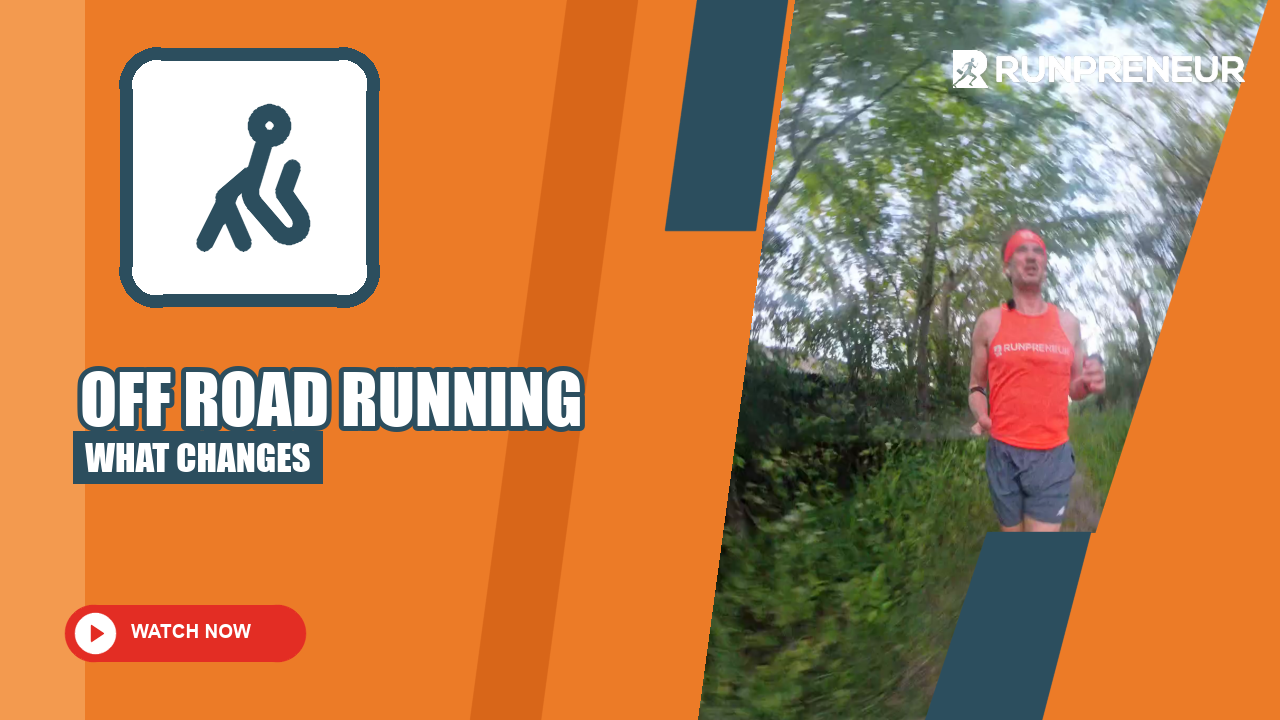
Running Off Road: What Changes When You Leave the Pavement
Most runners start on paths, pavements and roads. Trail runners are the ones who have built experience on rougher ground. If you are used to the first group and thinking about joining the second, this is what I have learned about running off road across 2184 consecutive days of running.
Today is day 2184 of my daily streak. The total stands at 16,756.30km, which leaves 23,318.70km to complete a lap of the world at 40,075km. I run in barefoot-style footwear, and I do all of it to raise £1M or more for children's causes. Running off road is a regular part of that, so it deserves an honest account.
Why I run off road
I pace a local village community fundraising run over 10K. The target is 45 minutes. That is quick, and about half the route is off road and half is on road. So I do not get to treat the off-road section as a gentle jog.
I start working on my off-road running in spring, summer and autumn. I enjoy it. The views are better and I feel more connected to where I am running. That might sound a little hippy, but it is true for me. As a barefoot-style runner I feel the ground strongly, and off road that feedback is constant.
Consideration one: the same pace costs more
In my experience, off-road running is about 30% harder than road running at the same pace. That is my own estimate from years of running both, not a measured figure, but it is consistent.
On a road, the surface is flat and predictable. You know what your feet will feel, so you fall into a rhythm easily. Running is a rhythmic sport and the road lets you settle.
Off road, I might be on gravelly shingle one minute and bobbly grass the next. On my run today I moved from grass to rubble to a farmer's gravel track. Each surface changes how I push and how I land.
The mistake is expecting the same pace to feel the same. It will not. You need to build off-road endurance over time before the gap starts to close, and until then I judge the run by effort, not by the watch.
Consideration two: injury risk
People say road running is hard on the joints because of the repeated impact, and that is fair. Good form reduces that stress. The better your form, the more directly under you your foot lands, and the less load goes through your joints.
Off road, the risk is different. One careless foot placement is all it takes. A twisted ankle, a jarred knee or a sore hip can come from assuming the ground is where you think it is. Road runners get caught the same way when they miss a kerb.
So concentration has to rise. Off road, I cannot run on autopilot. I am reading the ground a few steps ahead the whole time.
Today showed me this clearly. I stepped off the path to pass some people and put my foot down expecting level ground. It was noticeably higher. I felt a small jar in my ankle. Because I was running soft and light, I absorbed it without trouble. If I had been landing hard, that could have been a turned ankle and a break in the streak.
Consideration three: land softer
On the road, I can push off a firm, consistent surface and hold a faster pace. Off road, the ground is softer and absorbs some of that push. You do not get the same return, so there is little point forcing it.
Landing softer is the sensible response. A gentle landing gives your ankle and knee time to adjust if the ground is not what you expected. It lowers the force going through the joint, so a surprise is less likely to become an injury.
Consideration four: shorten your stride
A longer stride generally means more force through the ground on each landing. When I go off road, I shorten my stride slightly. Less force goes through the leg, and I can place my foot more accurately. If the ground drops or rises unexpectedly, a shorter stride leaves me better able to absorb it.
What this teaches me about the streak
I plan to keep this streak going for around 16.5 years. A plan that long cannot rely on hard efforts and lucky landings. It relies on staying in one piece. That is why I would rather run an off-road section slower and arrive uninjured than chase a pace the ground does not support.
I do not expect to run fast when I go off road. I expect to enjoy the run, enjoy the environment and finish it in one piece. For me, consistency is worth more than intensity, and off-road running makes that very clear.
If you are moving from road to off road
Expect the same pace to feel about 30% harder, and run by effort. Concentrate on where your feet land. Do not switch off. Land softer than you would on a road. Shorten your stride a little. Build up gradually, and give your body time to adapt to uneven ground.
The mission behind the miles
This vlog is part of a fundraiser to help save children's lives through an attempt at the ultimate ultramarathon: running and vlogging on consecutive days until I have covered the distance of a lap of the world. The more people who see it, the more we can raise for children's causes such as Great Ormond Street and BBC Children in Need. That is why I do this every single day.
If you are thinking about taking your running off road, I would like to hear how it goes. Leave a comment, share this with a runner who is making the same switch, or follow along as I work through the remaining 23,318.70km.
Watch the full episode: https://youtu.be/_iiKE9lBxLs
Kevin's 40,075km Challenge: Raising £1 Million for Children
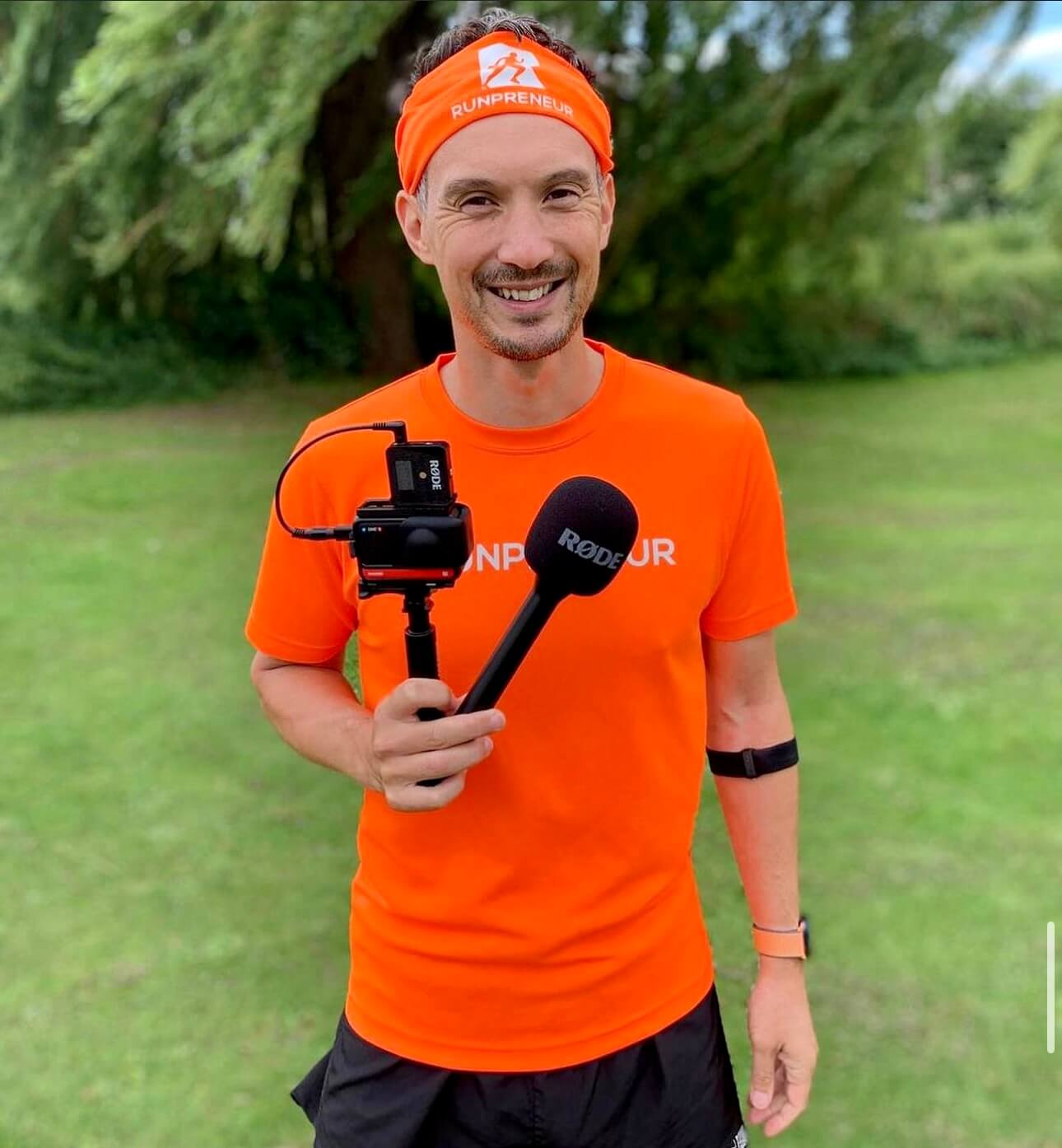
Meet Kevin, a dedicated Runpreneur who embarked on an extraordinary journey to raise £1 million for children in need. Over the course of his 40,075km challenge, Kevin's unwavering determination and passion inspired thousands to join the Runpreneur movement.
Runpreneur Vlogging: Capturing Kevin's Journey
Experience the Runpreneur challenge through the lens of Kevin's video diary. Witness his ups and downs, the camaraderie of the community, and the transformative power of running for a cause. Dive into the visual stories that capture the essence of the Runpreneur movement.

Empowering Children, One Step at a Time
As Kevin logged every kilometre of his 40,075km challenge, the true purpose behind his journey came into focus. Each step, each bead of sweat, fuelled essential healthcare, education, and nutrition programs for children in need around the world.
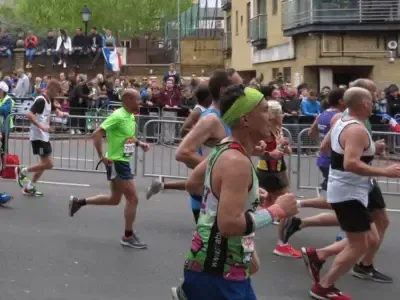
The Transformative 4x4x48 Challenge
Experience the thrill and personal growth of our iconic 48-hour running event. Witness the determination and resilience of Runpreneurs as they push their limits, one mile at a time.
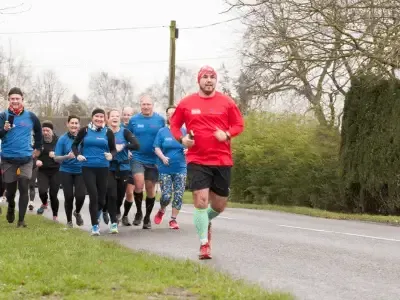
Runpreneur Vlogging: Capturing the Journey
Dive into the visual stories of our Runpreneurs as they document their experiences through engaging video logs. Witness the challenges, triumphs, and moments of camaraderie that define the Runpreneur spirit.
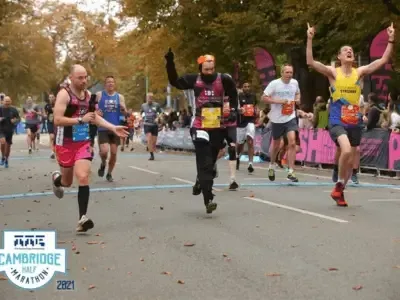
Becoming a Runpreneur: Join the Movement
Learn how you can become a Runpreneur and be part of this global community. Discover the steps to sign up, complete the challenge, and share your journey, all while making a lasting difference.
Connect With Us:



















I am on a mission to raise £1,000,000 for children's causes by daily run-vlogging barefoot-style, covering the total distance of a lap around the world—40,075 km.