
Runpreneur Journey Blog
Embark on an extraordinary journey with the Runpreneur community. Discover inspiring stories, insider tips, and the transformative power of our global challenge. From first-time runners to seasoned athletes, our blog captures the essence of the Runpreneur movement, inspiring others to join the cause.

Running in Extreme Cold: What Day 2036 Taught Me About Preparation, Endurance and Knowing Your Limits
Running in Extreme Cold: What Day 2036 Taught Me About Preparation, Endurance and Knowing Your Limits
Today was one of those mornings where everything conspired to make the run feel harder than it needed to be. Day 2036 of my daily running streak. Five kilometres. A feels-like temperature of minus three degrees. A broken foot still in recovery. And barefoot-style footwear on one foot that offers next to no insulation against the cold.
If I'm being honest, it was pretty grim out there.
My voice was sluggish, my fingers were borderline painful inside what I'd considered decent gloves, and my feet — particularly my left foot in the Vibram V-Run — were taking an absolute hammering from the cold. Because I'm still recovering and moving at a slow jog and power walk rather than a proper running pace, I wasn't generating enough body heat to compensate. That's the thing people don't always factor in: the slower you move in extreme cold, the less heat your body produces, and the more exposed you become.
So today I want to share what I've learnt across 2036 consecutive days of outdoor running about exercising in extreme cold. Not theory. Lived experience.
The first thing I'd say is timing. If you have the flexibility to choose when you head out, pick the warmest part of the day in winter. Minus three at dawn in the UK is a damp, encompassing cold. It seeps in. It's not like a sharp, dry mountain cold — it wraps around you and works its way through everything. If you can go out at midday instead of 6am, do it. That small shift can make a meaningful difference to how manageable the session feels.
The second consideration is intensity. When it's extremely cold, a higher intensity effort helps your body generate more internal heat. This is straightforward physiology. The problem for me today was that my recovery doesn't permit a higher pace. I was stuck in that uncomfortable middle ground — moving, but not fast enough to warm up properly. If you're healthy and not carrying an injury, push the pace in extreme cold rather than plodding. You'll feel better for it within the first ten minutes.
The third thing — and this matters more than most people give it credit for — is clothing. Not just any clothing, but the right technical layers for cold-weather exercise specifically. There's a real difference between cool-skin thermal wear and warm-skin thermal wear, and it's worth understanding which you need for the conditions you're heading into. The science in modern sports clothing is genuinely impressive. The right warm-skin base layer will keep your core temperature up while still allowing your body to breathe and wick away moisture as you build a sweat. That dual function is critical. If your layer traps sweat without breathing, you'll end up cold and damp — which is far worse than just cold.
The fourth point is the one most people treat as an afterthought: the extremities. Your toes, your fingers, your ears, your face. These are the parts that feel the cold first and most acutely, and they're the parts people under-invest in when putting their kit together. Your core will warm up as you move — your body is good at protecting your vital organs. But the tips of your body are always last in the queue for warmth. Today I felt this clearly. My core was fine. My fingers were painful. My feet — especially in the barefoot-style footwear — were suffering. Invest in genuinely good gloves, thermal running socks, a hat or ear covers, and a snood or buff for your face. These items are not luxury extras. In serious cold, they're necessities.
And finally, there's something to be said for simply finding a rhythm and enduring. Not every run is going to feel good. Not every session in extreme conditions is going to be managed perfectly, especially when recovery from injury is already limiting your options. What matters is getting your breathing settled, finding a pace you can sustain, and making the best of difficult circumstances. Today I passed a man out there in shorts. Fair play to him. I was wrapped up and still cold. But we were both out there, moving, getting it done.
I've been doing this for 2036 consecutive days now. That's not a number I mention for effect — it's simply the context for why cold-weather running is something I've had to get genuinely good at managing. There have been mornings far harder than today. There will be more ahead.
The bigger picture for me is always the 40,075 kilometres. That's a lap of the Earth's circumference. I'm currently at 20,360 kilometres, which means I have 19,715 kilometres still to cover, one day at a time. Every session — including the cold, painful, slow ones — counts towards that total. And every kilometre covered is part of the reason I keep going: raising £1 million for children's causes, primarily Great Ormond Street Hospital and BBC Children in Need.
The children who need that support don't get a day off because it's cold. So neither do I.
If you're someone who exercises outdoors through the winter months, I hope some of what I've shared today is genuinely useful. You don't need to be chasing a world record or a fundraising target to take cold-weather preparation seriously. You just need to respect the conditions, invest in the right kit, and build the habit of going out anyway.
That consistency — showing up when it's uncomfortable, when it's cold, when your body isn't at its best — is what compounds over time into something meaningful.
Today was day 2036. I'll see you tomorrow.
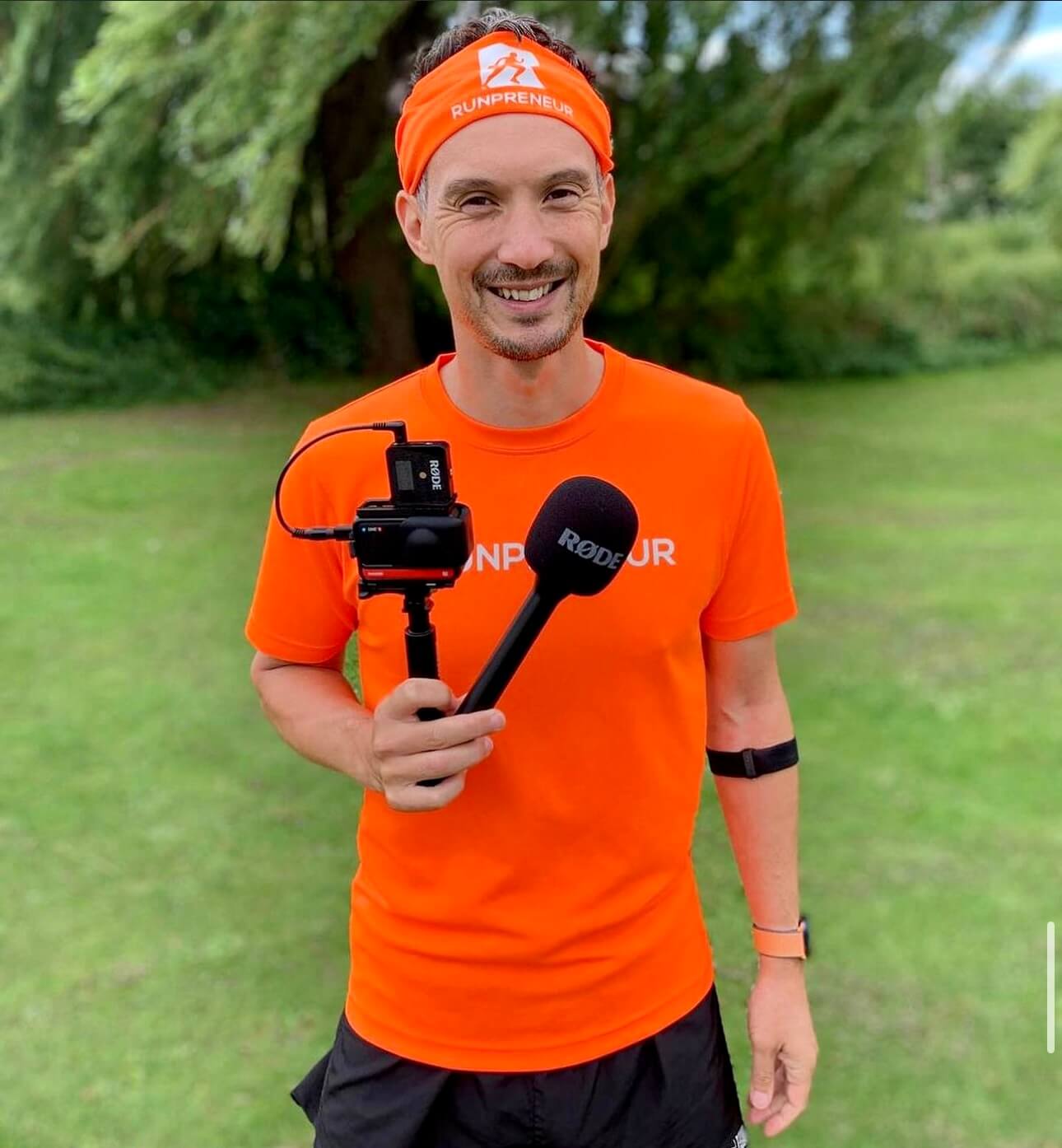
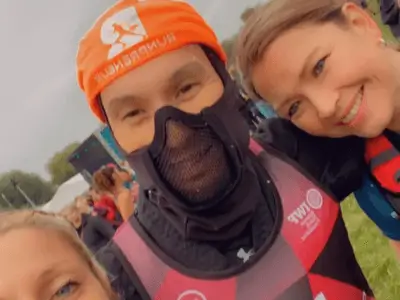
Kevin's 40,075km Challenge: Raising £1 Million for Children
Meet Kevin, a dedicated Runpreneur who embarked on an extraordinary journey to raise £1 million for children in need. Over the course of his 40,075km challenge, Kevin's unwavering determination and passion inspired thousands to join the Runpreneur movement.
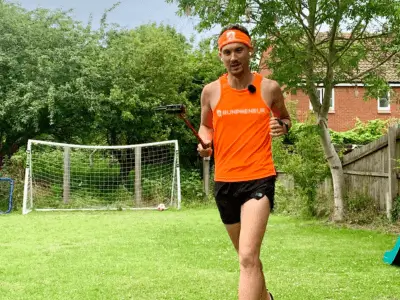
Runpreneur Vlogging: Capturing Kevin's Journey
Experience the Runpreneur challenge through the lens of Kevin's video diary. Witness his ups and downs, the camaraderie of the community, and the transformative power of running for a cause. Dive into the visual stories that capture the essence of the Runpreneur movement.

Empowering Children, One Step at a Time
As Kevin logged every kilometre of his 40,075km challenge, the true purpose behind his journey came into focus. Each step, each bead of sweat, fuelled essential healthcare, education, and nutrition programs for children in need around the world.
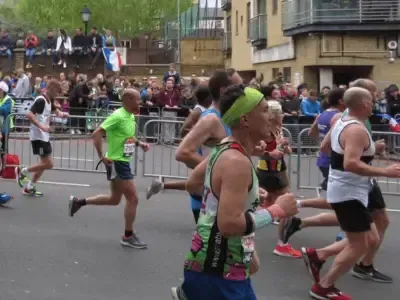
The Transformative 4x4x48 Challenge
Experience the thrill and personal growth of our iconic 48-hour running event. Witness the determination and resilience of Runpreneurs as they push their limits, one mile at a time.
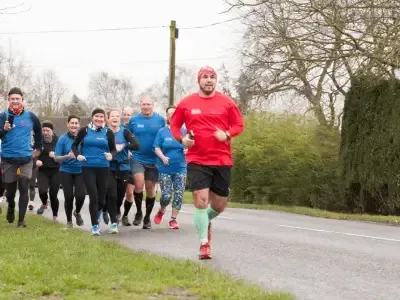
Runpreneur Vlogging: Capturing the Journey
Dive into the visual stories of our Runpreneurs as they document their experiences through engaging video logs. Witness the challenges, triumphs, and moments of camaraderie that define the Runpreneur spirit.
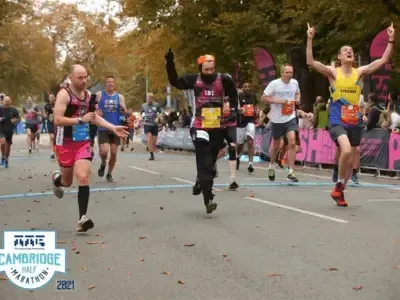
Becoming a Runpreneur: Join the Movement
Learn how you can become a Runpreneur and be part of this global community. Discover the steps to sign up, complete the challenge, and share your journey, all while making a lasting difference.
Connect With Us:



















I am on a mission to raise £1,000,000 for children's causes by daily run-vlogging barefoot-style, covering the total distance of a lap around the world—40,075 km.