
Runpreneur Journey Blog
Embark on an extraordinary journey with the Runpreneur community. Discover inspiring stories, insider tips, and the transformative power of our global challenge. From first-time runners to seasoned athletes, our blog captures the essence of the Runpreneur movement, inspiring others to join the cause.
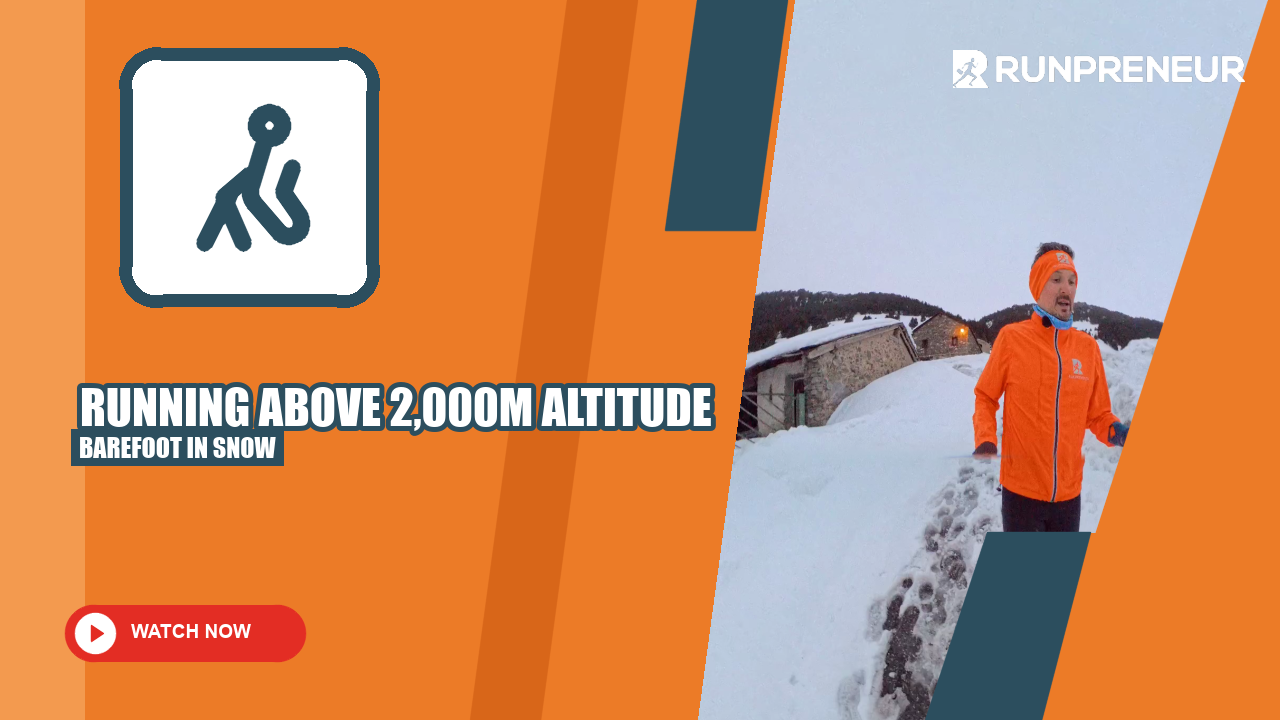
Running at Altitude Above 2,000 Metres: What I Learned in Andorra
Running at altitude above 2,000 metres changes how I judge a good run. On Day 2087 of my daily running streak, I was in Andorra, ankle deep in snow, and my breathing gave out long before my legs did.
I run every day in barefoot-style footwear. I have now covered 16,084.65km, which leaves 23,990.35km to complete a lap of the world at 40,075km. Every run is part of a fundraiser for children's causes, with a target of £1M. I state the mission first because it is the reason I keep going on the days when the conditions are against me.
Today's run took me above 2,000 metres. I checked my elevation on the way up and I was somewhere around 2,075 metres at the highest point. My highest run to date is around 2,500 metres, so I have been here before, but each time I am reminded how different the effort feels. I also ran past a very large dog on a tight lead. Dogs like that often look meaner than they are, but I slowed down and gave it room. The owner had it well under control.
The first thing to understand about running at altitude is the oxygen. The air is thinner. If your body has not acclimatised, you will gasp far more than you expect. Nothing is wrong with you. There is simply less oxygen in each breath. The answer I use is to push less hard and build tolerance over time. This is why boxers hold training camps at altitude. They train the body to work on less oxygen, and when they return to sea level for the fight, the cardiovascular side of the work should feel easier. There is a method behind it, but you have to build up to it.
In practice, this means smaller steps. Shorten your distance first, then add to it gradually. Your heart rate will spike early on. For a healthy person with a healthy cardiovascular system, this is not a cause for worry. If you have a heart or cardiac condition, take medical advice before training at altitude, because the risks are higher. I am not a doctor, and I would never tell anyone to ignore their own health.
The second thing is terrain and footwear. At this height you are often out in nature, on trails, and the ground is rougher. I run in barefoot-style footwear every day on roads and paths, and today I ran ankle deep in snow in it. This is not advisable, and it is a topic for another day. On mountain trails I would not wear barefoot-style footwear at all. Wear something grippy. When your body is working this hard on breathing, your focus on foot placement slips, and the risk of injury goes up.
The third thing is temperature. The higher you go, the colder it gets, and the wind gusts harder. Check the feels-like temperature, not the air temperature. I have had a day when the air temperature was minus three and the feels-like figure was minus sixteen. That is a huge gap. Dress for the feels-like number and add layers. Precipitation at height makes this worse.
The fourth thing is the climbs. You are less likely to find flat ground at altitude, so expect ups and downs. On the descents, gravity helps and you notice less difference. On the ascents, take small steps and find a breathing pattern early. If you wait until you are gasping, you have already lost the rhythm.
The lesson for me is about adjusting without stopping. My streak does not ask me to run fast or far on any given day. It asks me to run. Altitude forced me to cut my effort, shorten my steps and listen to my body, and the run still counted. This is the part of consistency people often miss. Consistency over intensity means you scale the effort to the conditions and keep the habit intact.
The streak vision I hold runs for 16.5 years. A vision that long cannot rely on heroic days. It relies on days when I read the conditions honestly, make a sensible call and finish. Thin air, cold wind, snow and a large dog are all part of what the daily habit asks of me. They are also part of the perspective I want to share. A hard run at 2,000 metres is a choice I make with good health and good kit. Children in hospital do not get that choice, and this is why I keep running.
So far I am just over 40 percent of the way around the world. The remaining 23,990.35km will include more hills, more weather and more days like this one. I will keep learning from each of them and keep sharing what I find, in case it helps another runner who is travelling in the mountains and wants to keep their own streak going safely.
If you run at altitude, tell me what you have learned in the comments. If you believe in the mission, follow the journey, share an episode with a friend and help get this in front of more people. More views mean more support for children's causes. I will see you tomorrow.
Watch the full episode: https://youtu.be/573bKVxcID4
Kevin's 40,075km Challenge: Raising £1 Million for Children
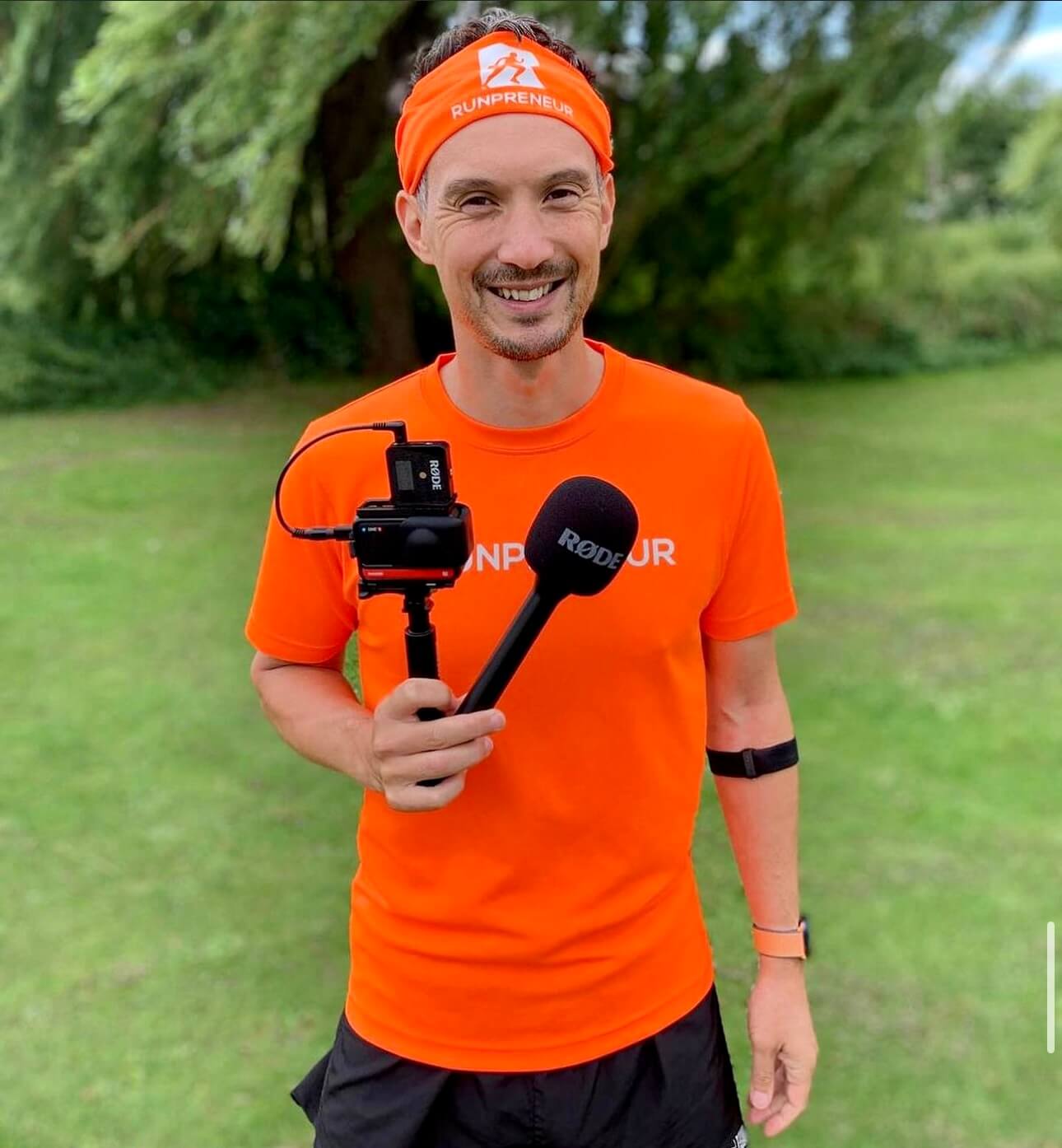
Meet Kevin, a dedicated Runpreneur who embarked on an extraordinary journey to raise £1 million for children in need. Over the course of his 40,075km challenge, Kevin's unwavering determination and passion inspired thousands to join the Runpreneur movement.
Runpreneur Vlogging: Capturing Kevin's Journey
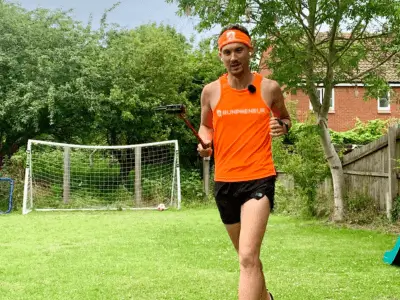
Experience the Runpreneur challenge through the lens of Kevin's video diary. Witness his ups and downs, the camaraderie of the community, and the transformative power of running for a cause. Dive into the visual stories that capture the essence of the Runpreneur movement.

Empowering Children, One Step at a Time
As Kevin logged every kilometre of his 40,075km challenge, the true purpose behind his journey came into focus. Each step, each bead of sweat, fuelled essential healthcare, education, and nutrition programs for children in need around the world.
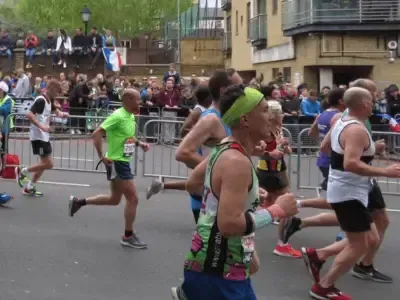
The Transformative 4x4x48 Challenge
Experience the thrill and personal growth of our iconic 48-hour running event. Witness the determination and resilience of Runpreneurs as they push their limits, one mile at a time.
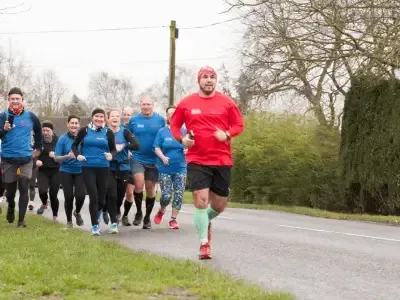
Runpreneur Vlogging: Capturing the Journey
Dive into the visual stories of our Runpreneurs as they document their experiences through engaging video logs. Witness the challenges, triumphs, and moments of camaraderie that define the Runpreneur spirit.
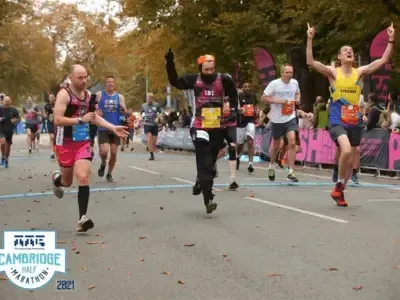
Becoming a Runpreneur: Join the Movement
Learn how you can become a Runpreneur and be part of this global community. Discover the steps to sign up, complete the challenge, and share your journey, all while making a lasting difference.
Connect With Us:



















I am on a mission to raise £1,000,000 for children's causes by daily run-vlogging barefoot-style, covering the total distance of a lap around the world—40,075 km.