
Runpreneur Journey Blog
Embark on an extraordinary journey with the Runpreneur community. Discover inspiring stories, insider tips, and the transformative power of our global challenge. From first-time runners to seasoned athletes, our blog captures the essence of the Runpreneur movement, inspiring others to join the cause.
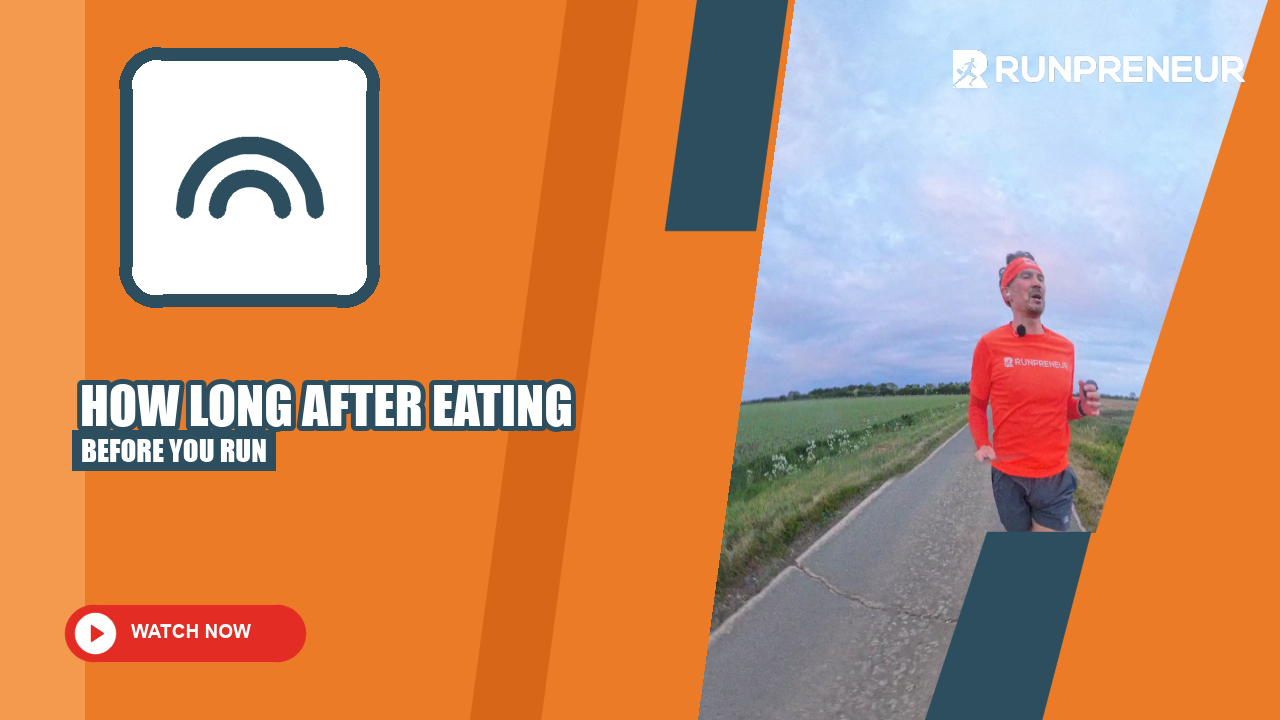
Running After Eating: How Long I Wait Before a Run
I have ended a run early because I ate too close to it. I have done it more than once, and I know exactly how it feels. Today is day 2,164 of my daily run streak, and the lesson I want to share is a plain one about timing.
How long should you wait after eating before you run? My answer is at least two hours. Some people say 90 minutes. Others say three hours. I have always stuck to two. This is my own rule from years of daily running, not medical advice, and your body may tell you something different.
What happens when I get it wrong
If I run too soon after eating, my body is still busy digesting. The run then turns uncomfortable. For me that means a stomach ache, a stitch, reflux, belching or wind. On a bad day it means cutting the run short to find a toilet.
I have a sensitive digestion, so I feel these mistakes quickly. I took part in a Zoe App scheme not long ago, which tested how my gut responded to different foods. It showed me which foods my body handles well and which it struggles with. I found it useful. It did not stop me making the same basic error, though.
Why I still get it wrong
I run every day. Life gets in the way, and I squeeze the run into whatever gap is left. Sometimes that gap comes straight after a meal. I know the rule and I still break it. That is the honest part of this episode.
The variables that change the two hours
Two hours is a starting point. Three things move it.
How much I have eaten. A large meal needs longer than a light one.
What I have eaten. Processed food, high sugar and high saturated fat sit in my stomach longer. On those days two hours is not enough.
How my body reacts to the food. Some foods agree with me and some do not. Foods my body handles well turn into usable energy faster.
Food is fuel. I need the calories to run. But my body needs time to digest the food and turn it into energy before I ask it to work.
The campfire picture I use
I think of digestion as a campfire. Dry kindling and clean wood burn well and give a steady fire. Damp, soggy leaves smoke and splutter, and the fire struggles. A healthy system will get through poor fuel in the end, but it takes far longer and it is unpleasant. Poor food before a run works the same way. I pay for it on the road.
Hydration helps too. A hydrated body digests food more effectively, so I try to keep my fluids up through the day and not only around the run.
What I take from this
Three things for my own routine, and for anyone starting to run:
Eat well before a planned run, and eat early enough.
Leave at least two hours. Allow longer after a heavy or processed meal.
Stay hydrated through the day.
The deeper lesson for me is about consistency. When you run every day, you cannot wait for perfect conditions. You plan around the run. The meal timing is part of the plan, not an afterthought. On the days I plan properly, the run is steady. On the days I do not, I pay for it. A streak rewards preparation more than effort.
Where the streak and the mission stand
Today is day 2,164 of consecutive daily running in barefoot-style footwear. My total distance is 16,611.59 km. The goal is 40,075 km, a lap of the world, so 23,463.41 km remain. That is over 41 per cent done.
I intend to keep this streak going for 16.5 years. Over a span like that, small habits decide the outcome. Getting meal timing right is a small habit. Done once, it saves one uncomfortable run. Done for years, it protects the streak.
Every run is part of a fundraiser. I am aiming to raise £1M for children's causes, including Great Ormond Street and BBC Children in Need. The more people who see the vlog, the more children we can help. That is why I run every day, including the uncomfortable ones.
What I would ask of you
If you run, or you are thinking of starting, try the two-hour gap and see how your body responds. Adjust it for what you eat. Then tell me what works for you. I read the comments and reply to anything relevant.
If you believe in the mission, please watch, subscribe, share and comment. Each view puts the fundraiser in front of someone new.
I will be back tomorrow with day 2,165.
Watch the full episode: https://youtu.be/T8ysN2QJOaI
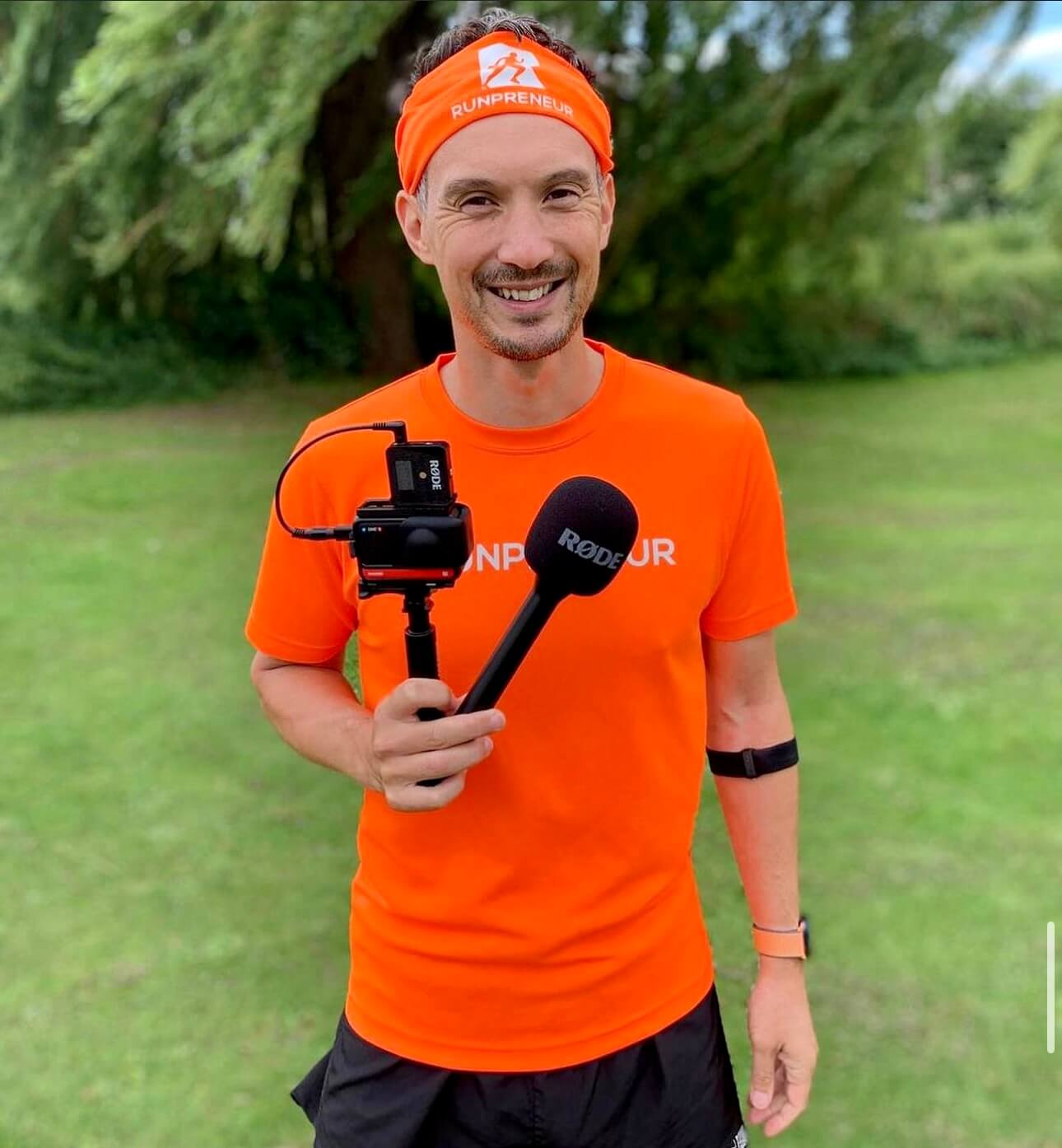
Kevin's 40,075km Challenge: Raising £1 Million for Children
Meet Kevin, a dedicated Runpreneur who embarked on an extraordinary journey to raise £1 million for children in need. Over the course of his 40,075km challenge, Kevin's unwavering determination and passion inspired thousands to join the Runpreneur movement.
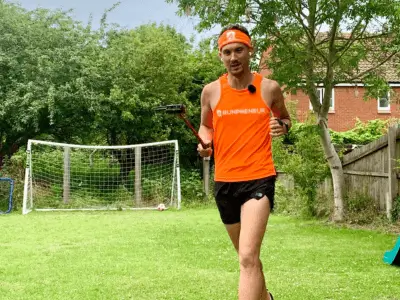
Runpreneur Vlogging: Capturing Kevin's Journey
Experience the Runpreneur challenge through the lens of Kevin's video diary. Witness his ups and downs, the camaraderie of the community, and the transformative power of running for a cause. Dive into the visual stories that capture the essence of the Runpreneur movement.

Empowering Children, One Step at a Time
As Kevin logged every kilometre of his 40,075km challenge, the true purpose behind his journey came into focus. Each step, each bead of sweat, fuelled essential healthcare, education, and nutrition programs for children in need around the world.
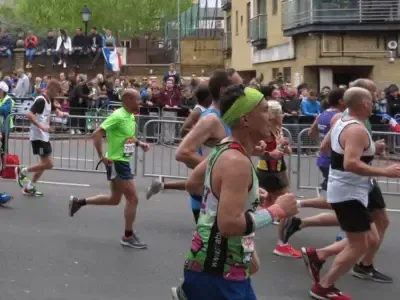
The Transformative 4x4x48 Challenge
Experience the thrill and personal growth of our iconic 48-hour running event. Witness the determination and resilience of Runpreneurs as they push their limits, one mile at a time.
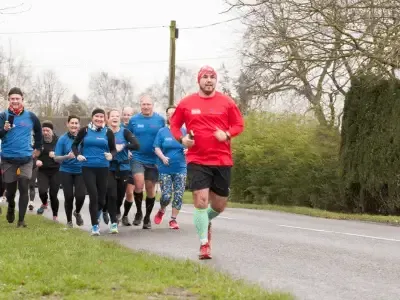
Runpreneur Vlogging: Capturing the Journey
Dive into the visual stories of our Runpreneurs as they document their experiences through engaging video logs. Witness the challenges, triumphs, and moments of camaraderie that define the Runpreneur spirit.
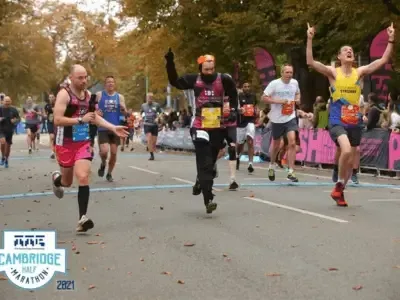
Becoming a Runpreneur: Join the Movement
Learn how you can become a Runpreneur and be part of this global community. Discover the steps to sign up, complete the challenge, and share your journey, all while making a lasting difference.
Connect With Us:



















I am on a mission to raise £1,000,000 for children's causes by daily run-vlogging barefoot-style, covering the total distance of a lap around the world—40,075 km.