
Runpreneur Journey Blog
Embark on an extraordinary journey with the Runpreneur community. Discover inspiring stories, insider tips, and the transformative power of our global challenge. From first-time runners to seasoned athletes, our blog captures the essence of the Runpreneur movement, inspiring others to join the cause.
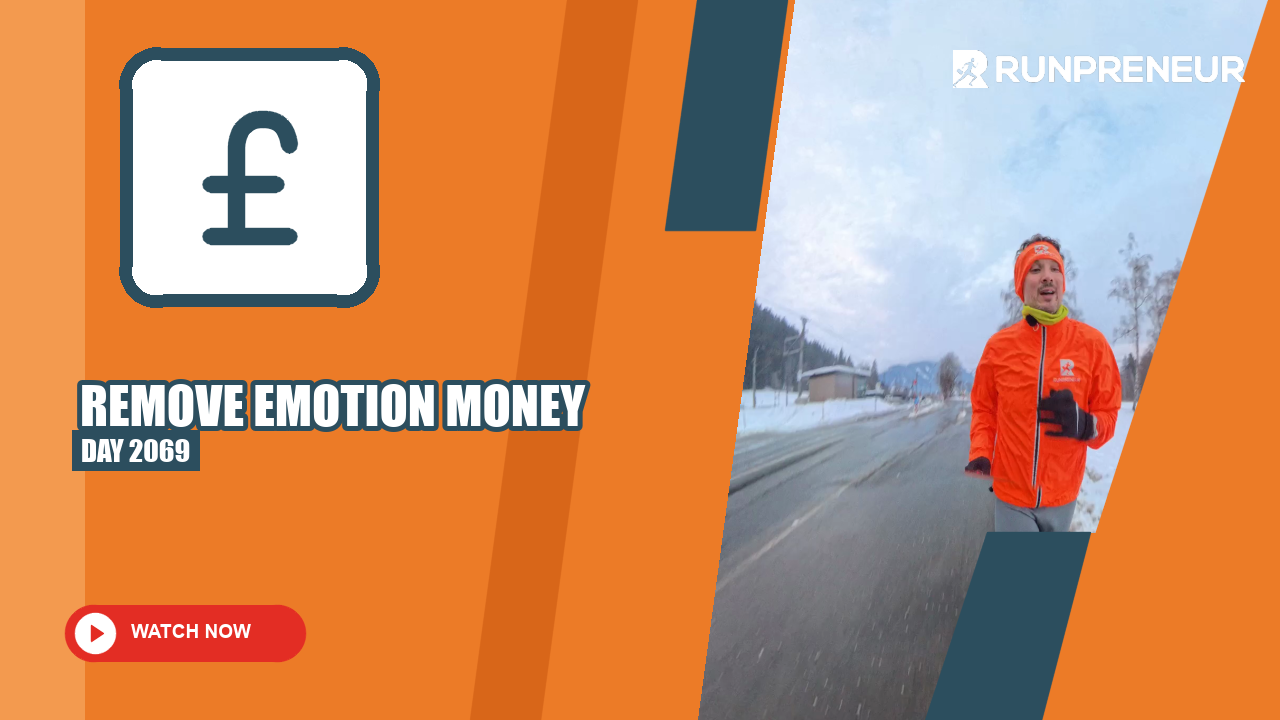
Removing Emotion From Money: What Day 2069 Of My Run Taught Me
Removing emotion from money decisions is one of the hardest lessons I have tried to learn, and on day 2069 of my run around the world, running barefoot-style through another stretch of pavement, my mind kept returning to this subject. I have covered 15,977.32km towards my 40,075km target now, with 24,097.68km left to go, and the way I think about pacing on the road is close to the way I have had to learn to think about pacing my money.
I want to be honest about where this comes from. I have spent years learning from people with far more wealth than me, and I built myself a set of rules for managing money because I needed one. Even with that system in place, I still drift from my own rules from time to time. I think most of us do. Money is not a neutral subject for anyone. We trade our time, our energy, and often our health to earn it, so of course we feel something when we spend it, save it, or lose it.
The problem is that feeling gets in the way of good decisions. The wealthiest people I have studied are not the ones who feel nothing about money. They are the ones who have trained themselves to separate the feeling from the decision.
Here is the part I keep coming back to. Money sits in two categories: what you own and what you owe. What you own might be a savings account, a property, a business, or shares. What you owe might be a loan, a mortgage, or a credit card balance. Each side carries a rate. Your investments generate a return. Your debts carry an interest charge. The whole discipline comes down to comparing those two numbers honestly and putting your money where the gap works in your favour.
A simple example: if an investment returns 10% a year and a debt costs you 20% in interest, keeping money in that investment while the debt sits unpaid is losing you money on paper, even though it feels productive to watch a balance grow. Paying down the higher-cost debt first is the better move, every time, unless you can find a return that beats the cost of the debt. This sounds obvious written down. In practice, most of us keep money sitting in low-interest savings accounts while debts eat away at us at a far higher rate, because the savings account feels safe and the debt feels like a problem for another day.
I think the reason this happens is the same reason people give up on a long run. Emotion wants comfort now, not the outcome that pays off over years. Watching a bank balance sit unspent feels safe. Facing a debt and clearing it feels uncomfortable. But the discomfort is where the progress lives, in money and in running both.
This links directly to why I run every single day rather than only on days I feel like it. A 16.5 year run around the world is not built on motivation. It is built on removing the emotional decision from the equation and replacing it with a rule: I run today, regardless of how I feel about it. The same rule works for money. Decide your approach in advance, based on the numbers, not on how comfortable a choice feels in the moment.
I want to be clear that this is not about becoming cold or ignoring the role money plays in your life. Money buys shelter, food, medicine, and choice. It matters. The goal is not to stop caring about money. The goal is to stop letting a feeling override a number when a decision needs making.
If you are holding a large cash balance because it feels reassuring to look at, while carrying a debt that costs more than that cash earns, the number is telling you something your feelings are not ready to hear. Keep a sensible amount for genuine emergencies. Beyond that, ask what each pound is doing for you, and move it to wherever it works hardest.
This is the same lens I try to apply to the mission behind this run. Every kilometre I complete moves me closer to 40,075km and to the £1M I am aiming to raise for Great Ormond Street Hospital and BBC Children in Need. I do not run because I feel inspired every single morning. I run because the target requires consistency more than intensity, and the same is true of anyone trying to build financial stability rather than chase a good feeling about their money.
If today's reflection was useful to you, I would ask you to watch the full episode, follow the streak, and consider supporting the mission. Every person who watches brings this closer to more children helped, which is the only reason I keep showing up, day after day, kilometre after kilometre.
Watch the full episode: https://youtu.be/ssIYjs3pnO8
Kevin's 40,075km Challenge: Raising £1 Million for Children
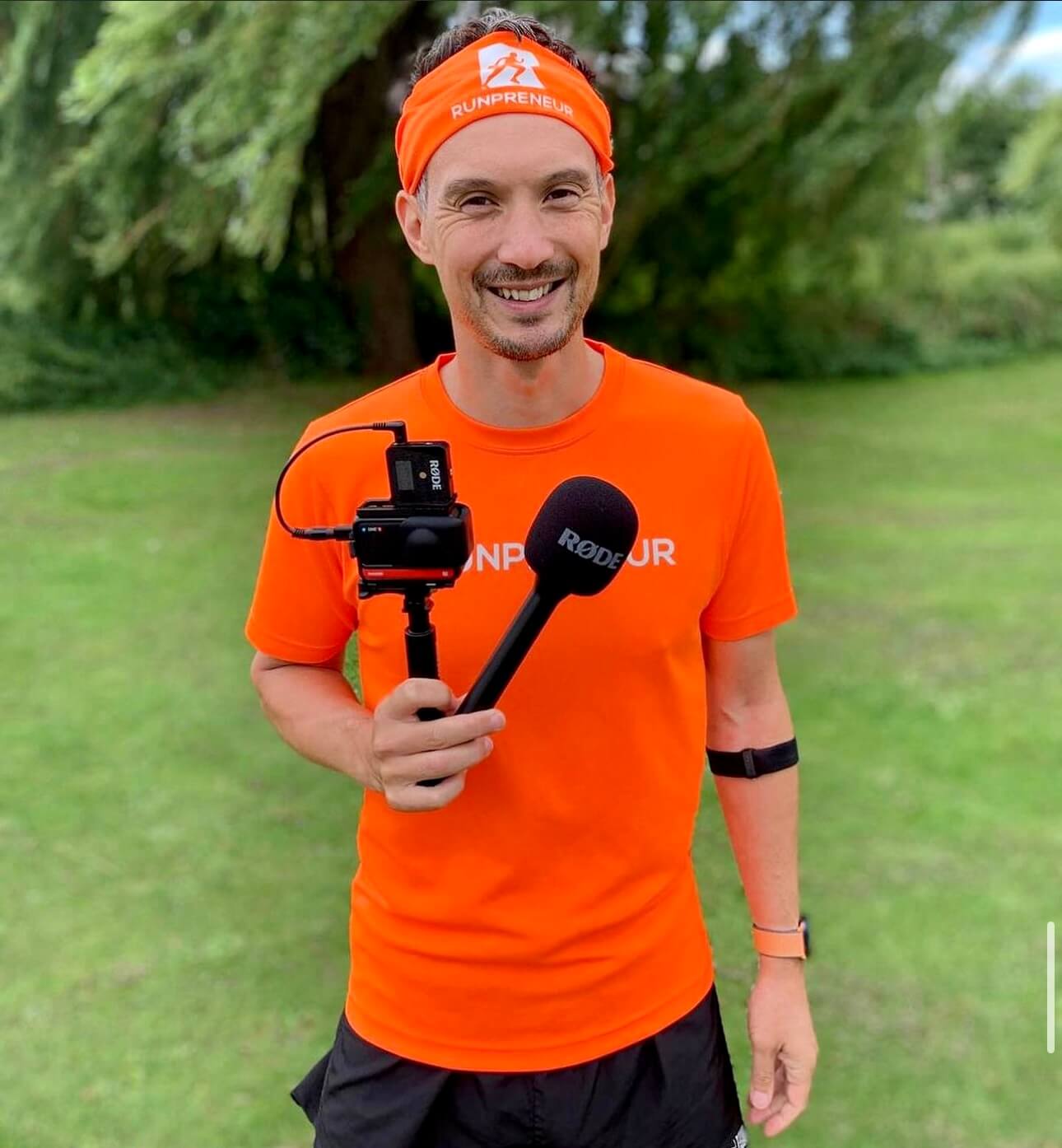
Meet Kevin, a dedicated Runpreneur who embarked on an extraordinary journey to raise £1 million for children in need. Over the course of his 40,075km challenge, Kevin's unwavering determination and passion inspired thousands to join the Runpreneur movement.
Runpreneur Vlogging: Capturing Kevin's Journey
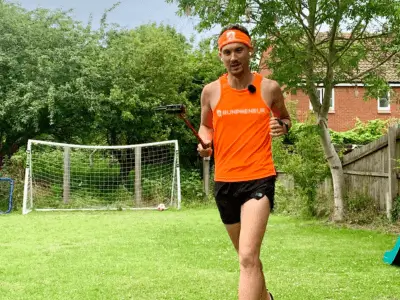
Experience the Runpreneur challenge through the lens of Kevin's video diary. Witness his ups and downs, the camaraderie of the community, and the transformative power of running for a cause. Dive into the visual stories that capture the essence of the Runpreneur movement.

Empowering Children, One Step at a Time
As Kevin logged every kilometre of his 40,075km challenge, the true purpose behind his journey came into focus. Each step, each bead of sweat, fuelled essential healthcare, education, and nutrition programs for children in need around the world.
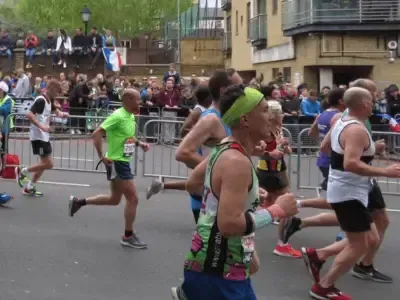
The Transformative 4x4x48 Challenge
Experience the thrill and personal growth of our iconic 48-hour running event. Witness the determination and resilience of Runpreneurs as they push their limits, one mile at a time.
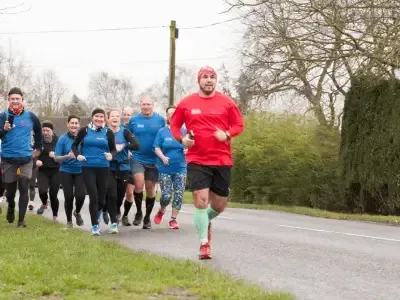
Runpreneur Vlogging: Capturing the Journey
Dive into the visual stories of our Runpreneurs as they document their experiences through engaging video logs. Witness the challenges, triumphs, and moments of camaraderie that define the Runpreneur spirit.
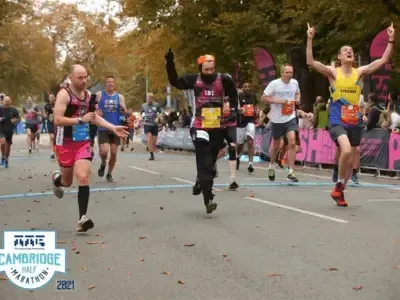
Becoming a Runpreneur: Join the Movement
Learn how you can become a Runpreneur and be part of this global community. Discover the steps to sign up, complete the challenge, and share your journey, all while making a lasting difference.
Connect With Us:



















I am on a mission to raise £1,000,000 for children's causes by daily run-vlogging barefoot-style, covering the total distance of a lap around the world—40,075 km.