
Runpreneur Journey Blog
Embark on an extraordinary journey with the Runpreneur community. Discover inspiring stories, insider tips, and the transformative power of our global challenge. From first-time runners to seasoned athletes, our blog captures the essence of the Runpreneur movement, inspiring others to join the cause.
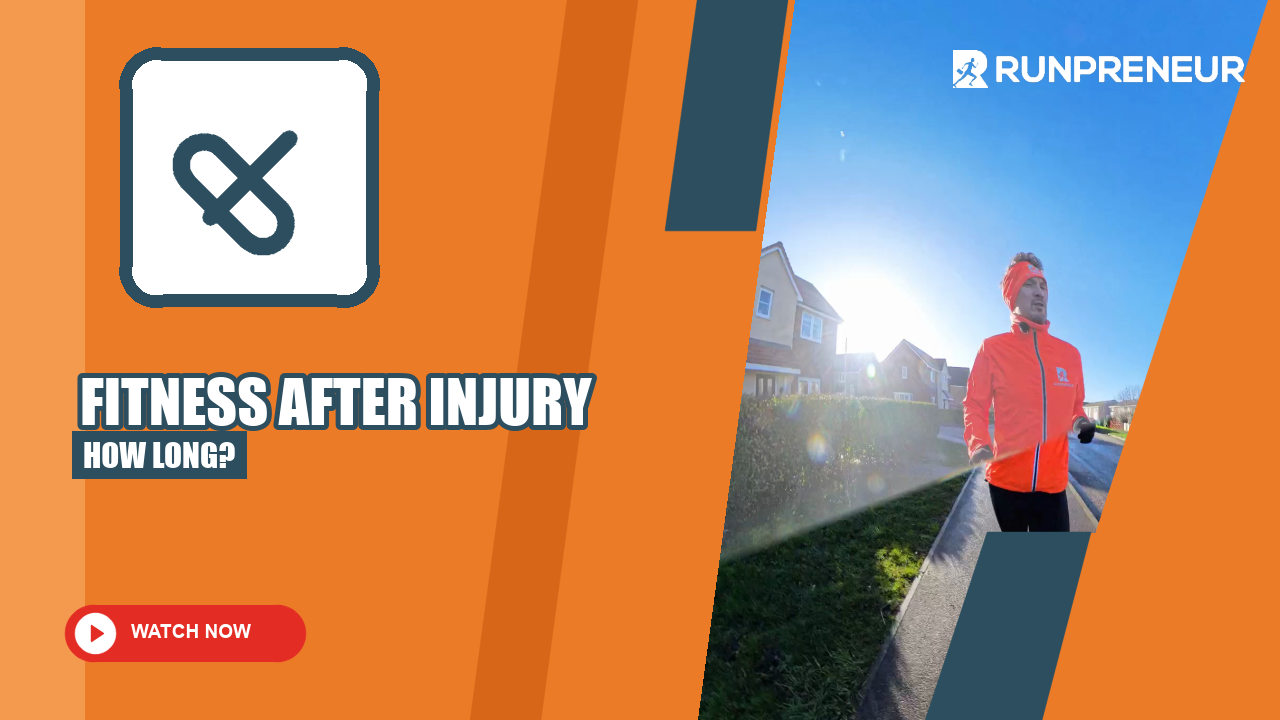
Regaining Fitness After Injury: The 6-Week Rule That Changes Everything
Regaining fitness after injury takes longer than most people plan for. On day 2064 of my daily barefoot running streak, 15,951.27 kilometres into a 40,075km lap of the world, I am learning this firsthand after breaking my foot 11 weeks ago.
Before the injury, I ran 7.5 kilometres every single day in barefoot-style Vibram FiveFingers. My pace sat between 5:00 and 5:30 per kilometre. My heart rate across those full runs was somewhere between 135 and 140 beats per minute. For someone running as part of a multi-year, multi-decade mission, those numbers were my settled baseline.
Then I broke my foot.
The 6-Week Threshold
There is a point in injury recovery worth understanding before you experience it firsthand: the 6-week mark. Return to training within 6 weeks of injury and your body retains much of its fitness. The adaptations you built, cardiovascular capacity, muscular conditioning, the specific demands of your training, those hold. You feel rusty for a week or two, then pick up close to where you left off.
Go past 6 weeks and the picture changes. The body begins to reverse those adaptations. Not overnight, and not completely, but the fitness unwinds. The longer the lay-off beyond that threshold, the further back the starting point.
At 10 to 11 weeks out, I am well past it.
What the Data Shows
The watch data is more honest than I would prefer. This morning, running at 6:00 per kilometre, already slower than my pre-injury pace, my heart rate was at 144 beats per minute after 0.75 of a kilometre. Before the injury, I would hold 135 to 140 bpm across the full 7.5 kilometres. Slower pace. Shorter distance. Higher heart rate. The numbers tell the story plainly.
During the 10 recovery weeks, I kept the streak alive by power walking and jeffing, a mix of walking and jogging, 5 kilometres per day. I thought I would hold most of my running fitness. I was wrong. Walking does not replicate running. The heart, the legs, the lungs adapt to the specific demands placed on them. Apply different demands for 10 weeks and you arrive back at running with a body shaped for something else.
Cross-training has value. Staying mobile through injury beats complete rest for many people. But cross-training preserves a general base, not a running-specific one. And when you are measuring yourself against a previous training standard, the distinction matters.
The Recovery Timeline
My honest estimate for the full rebuild from here:
2 to 4 more weeks to return to running 7.5 kilometres daily. The distance alone, not the fitness.
3 to 4 months after reaching that distance to rebuild the running fitness needed for serious marathon training. The heart rate zones need to normalise. The pace needs to return.
A 12-week marathon training block on top of that.
Add those together and the total from injury to competitive marathon readiness is close to a year. One broken foot, and the recovery arc stretches to nearly 12 months before I am back at the potential I had before the injury happened.
Adjusting the Targets
Before the foot broke, I was moving towards sub-3:15 for a marathon. The fitness felt like it was heading there. Now, with spring marathons roughly 16 weeks away, I am looking at the same events and thinking sub-4 hours would be a genuine result given where I am starting from.
The revised plan: sub-4 in spring, sub-3:30 later in the year if the base builds as expected, and sub-3:15 pushed back to the year after. Those are not consolation targets. They are honest ones for the position I am in, and they still point in the right direction.
What too many people do after injury is hold the same targets they carried before it. There is an assumption the body snaps back, with fitness stored somewhere waiting to be reclaimed. In practice, the training you did before the injury built the fitness. With the training gone for an extended period, the fitness fades. You are not retrieving something. You are rebuilding it, and that takes the time it takes.
Returning to training is the beginning of rebuilding fitness, not the end of it. Those are different stages, and conflating them leads to disappointment and, worse, premature pushes at pace and distance that set recovery back further.
The Mission Stays the Same
I am 15,951.27 kilometres into a 40,075km journey, running every day as part of a mission to raise £1 million for children's causes, including Great Ormond Street Hospital and BBC Children in Need. 24,123.73 kilometres remain.
Day 2064 is done. The streak holds. The pace is slower and the distances are shorter right now, but the direction does not change. This mission is measured in years, not weeks. One kilometre at a time is the only way to cover the ground.
If you are rebuilding after injury right now, set adjusted targets. Measure where you are today, not where you were. Do not underestimate the timeline. The 6-week rule is real. If you are past it, the rebuild is a longer road than it appears from the start of it.
Watch the full episode: https://youtu.be/t3otSn4K4ls
Kevin's 40,075km Challenge: Raising £1 Million for Children
Meet Kevin, a dedicated Runpreneur who embarked on an extraordinary journey to raise £1 million for children in need. Over the course of his 40,075km challenge, Kevin's unwavering determination and passion inspired thousands to join the Runpreneur movement.
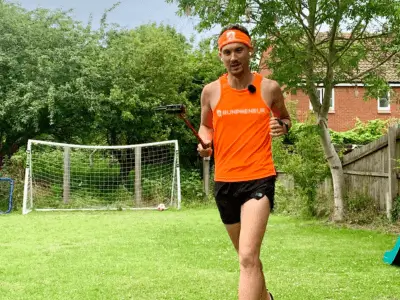
Runpreneur Vlogging: Capturing Kevin's Journey
Experience the Runpreneur challenge through the lens of Kevin's video diary. Witness his ups and downs, the camaraderie of the community, and the transformative power of running for a cause. Dive into the visual stories that capture the essence of the Runpreneur movement.

Empowering Children, One Step at a Time
As Kevin logged every kilometre of his 40,075km challenge, the true purpose behind his journey came into focus. Each step, each bead of sweat, fuelled essential healthcare, education, and nutrition programs for children in need around the world.
The Transformative 4x4x48 Challenge
Experience the thrill and personal growth of our iconic 48-hour running event. Witness the determination and resilience of Runpreneurs as they push their limits, one mile at a time.
Runpreneur Vlogging: Capturing the Journey
Dive into the visual stories of our Runpreneurs as they document their experiences through engaging video logs. Witness the challenges, triumphs, and moments of camaraderie that define the Runpreneur spirit.
Becoming a Runpreneur: Join the Movement
Learn how you can become a Runpreneur and be part of this global community. Discover the steps to sign up, complete the challenge, and share your journey, all while making a lasting difference.
Connect With Us:



















I am on a mission to raise £1,000,000 for children's causes by daily run-vlogging barefoot-style, covering the total distance of a lap around the world—40,075 km.