
Runpreneur Journey Blog
Embark on an extraordinary journey with the Runpreneur community. Discover inspiring stories, insider tips, and the transformative power of our global challenge. From first-time runners to seasoned athletes, our blog captures the essence of the Runpreneur movement, inspiring others to join the cause.

Money Hack I Used to Make My Finances Work Harder
Today is day 2070 of my barefoot-style running streak. The mission stays the same: cover 40,075km, the distance around the world, and raise £1M for Great Ormond Street and BBC Children in Need. So far I've covered 15,982.37km, with 24,092.63km left to run.
Today's run got me thinking about money rather than distance. Yesterday I recorded a piece on removing emotion from money decisions, walking through the difference between assets and liabilities. Listening back, I noticed the explanation worked for me because I've spent years studying this subject. For someone new to managing money, the detail probably felt dense.
So today I want to share a simpler route to the same result: a money hack that takes around thirty minutes and needs nothing more than an AI platform you already trust with your data.
Here's the approach. Gather every document showing what you own and what you owe. Bank statements, savings accounts, investment balances, property valuations, business assets on one side. Mortgage statements, loan agreements, credit card balances, car finance and retail finance on the other. Upload the lot to a large language model you pay a subscription for, so your data sits behind proper security rather than a free tier with looser terms.
Then ask one plain question: here is everything I own and owe, tell me how to make my money work as hard as possible for me.
What happens next surprised me the first time I tried the exercise. The model reads every interest rate you pay on your debts and every return you're earning on your savings and investments, then compares the two directly. It flags where you're paying 24% on a credit card while your savings account earns 4%, and states plainly which debt to clear first and which investment to leave untouched. This isn't guesswork. This is a machine doing the maths most of us avoid, because comparing dozens of interest rates by hand takes hours and a level of concentration hard to sustain after a long day.
The whole process took me around ten minutes to gather the documents and thirty minutes start to finish, including a few follow-up questions to check my understanding of the strategy. Ten minutes of admin and half an hour of thinking time, for a plan that would have taken me days to work out alone a decade ago.
A few lessons stood out to me from doing this.
First, the barrier for most people isn't intelligence. The barrier is complexity dressed up as difficulty. Assets versus liabilities isn't a hard concept. Comparing forty different interest rates across six accounts by hand is hard, and that's the part AI removes.
Second, security matters more than convenience here. I only run this exercise on platforms I pay for, where the terms are clear about how my data gets used. If you're uploading bank statements and mortgage documents, check the small print on data handling before you choose a platform. That's basic financial hygiene, not paranoia.
Third, this hack scales whether you're managing £2,000 or £2 million. The principle holds at any size: pay down the debt that costs you the most, keep the investment that earns you the most, and let a tool built for pattern recognition handle the comparison.
I think about resilience a good deal on these runs, and money resilience works the same way as physical resilience. A streak of 2070 days didn't happen from one big effort. The distance built from showing up daily, adjusting the plan when something wasn't working, and keeping the target in view. Money works the same way. One thirty-minute session with the right questions asked of the right tool won't fix everything overnight, but gives clarity on the next step, and the step after that.
That clarity is the real value of this exercise. Not a shortcut around discipline, a clear map of where your money sits today and what moving it would achieve. From there, the decisions stay yours to make and the discipline stays yours to hold.
If you've been putting off sorting your finances because the process feels overwhelming, the exercise is worth thirty minutes of your evening. Gather the statements. Ask the question. See what comes back.
And if you believe in what this streak stands for, covering 40,075km on foot to raise £1M for Great Ormond Street and BBC Children in Need, follow along, share this with someone who'd find it useful, and consider a donation. Every kilometre and every pound moves this mission forward, one day at a time.
Watch the full episode: https://youtu.be/Nq26hkw7yBg
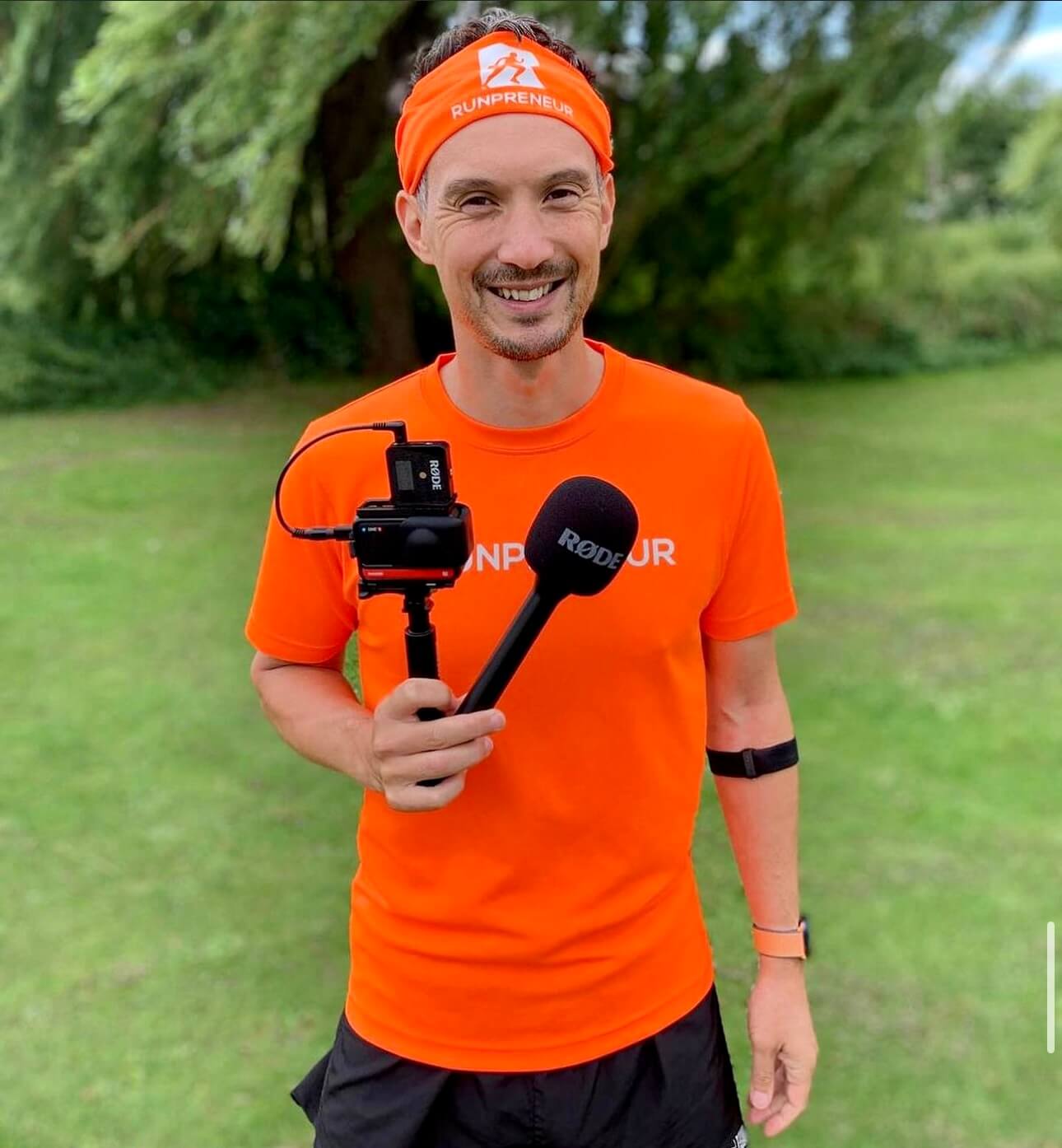
Kevin's 40,075km Challenge: Raising £1 Million for Children
Meet Kevin, a dedicated Runpreneur who embarked on an extraordinary journey to raise £1 million for children in need. Over the course of his 40,075km challenge, Kevin's unwavering determination and passion inspired thousands to join the Runpreneur movement.

Runpreneur Vlogging: Capturing Kevin's Journey
Experience the Runpreneur challenge through the lens of Kevin's video diary. Witness his ups and downs, the camaraderie of the community, and the transformative power of running for a cause. Dive into the visual stories that capture the essence of the Runpreneur movement.

Empowering Children, One Step at a Time
As Kevin logged every kilometre of his 40,075km challenge, the true purpose behind his journey came into focus. Each step, each bead of sweat, fuelled essential healthcare, education, and nutrition programs for children in need around the world.

The Transformative 4x4x48 Challenge
Experience the thrill and personal growth of our iconic 48-hour running event. Witness the determination and resilience of Runpreneurs as they push their limits, one mile at a time.

Runpreneur Vlogging: Capturing the Journey
Dive into the visual stories of our Runpreneurs as they document their experiences through engaging video logs. Witness the challenges, triumphs, and moments of camaraderie that define the Runpreneur spirit.

Becoming a Runpreneur: Join the Movement
Learn how you can become a Runpreneur and be part of this global community. Discover the steps to sign up, complete the challenge, and share your journey, all while making a lasting difference.
Connect With Us:



















I am on a mission to raise £1,000,000 for children's causes by daily run-vlogging barefoot-style, covering the total distance of a lap around the world—40,075 km.