
Runpreneur Journey Blog
Embark on an extraordinary journey with the Runpreneur community. Discover inspiring stories, insider tips, and the transformative power of our global challenge. From first-time runners to seasoned athletes, our blog captures the essence of the Runpreneur movement, inspiring others to join the cause.
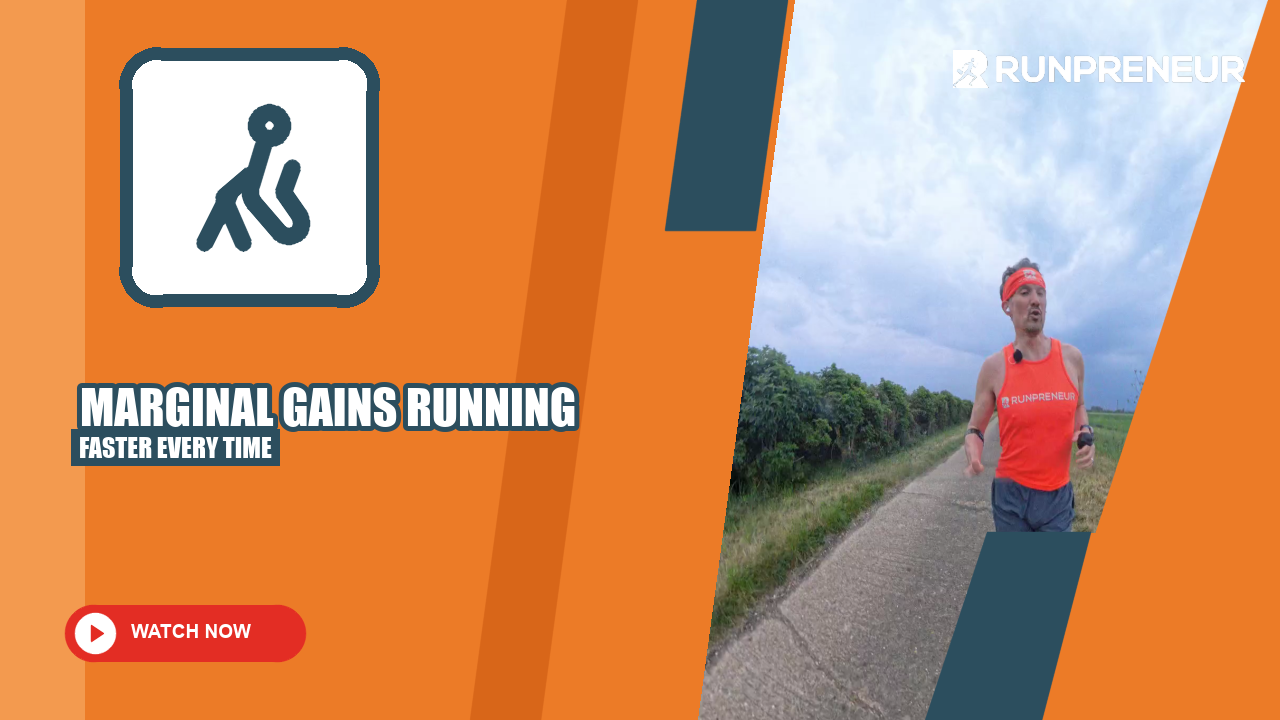
Marginal Gains in Running: Small Changes I Am Testing on Day 2162
Today is consecutive day 2,162 of my daily run, and the episode is about marginal gains in running. The idea is simple. You make a very small improvement in many areas. None of them looks important alone. Stacked together, they add up to a real difference.
The phrase became well known through Sir David Brailsford and Team Sky in professional cycling. Team Sky looked at every part of the sport, from equipment to recovery, and tried to improve each by around 1%. The riders Chris Froome and Bradley Wiggins won the Tour de France under that approach. I am not a cyclist, and I am not claiming the method guarantees results. I find the thinking useful, and I wanted to apply it to running.
What started this episode
I was watching a social media feed of a marathon in Asia. The commentary was about turns. Some courses have tight turns, and most runners take them the normal way. They run towards the turn, shorten their stride, find the line and come round.
The runners in the clip turned the opposite way. They went backwards into the turn and pushed off facing the new direction. I demonstrated it in the episode, and it looks odd. The claim was that over a marathon with several tight turns, the technique saves up to around 30 seconds.
I have not checked the research myself, so treat the figure as a claim I saw, not a result I have proved. The logic does make sense to me. If you run at a turn, you slow down, take small steps and lose momentum. If you turn backwards into it, you can carry more speed in and push off hard. Swimmers use the same principle with a tumble turn at the wall. They do not swim round the corner. They turn quickly and push off.
Thirty seconds on a marathon is a lot of time for a change that costs nothing. You only have to practise it.
Other areas where small gains sit
Footwear is the obvious one. Elite runners wear light shoes with carbon plates and thick cushioning. When the first of these came out from Nike, they were referred to as the 4% shoes, because the claim was an improvement of up to 4%. That is a large gain. The trade-off is cost. Many of these shoes sit between £250 and £500, and they do not last long, because they are built for racing. Price rules them out for many people, and that matters.
I run in barefoot-style footwear every day, so I am not the person to sell you a plated shoe. My point is narrower. Footwear changes performance, and you should choose it deliberately.
Data is the second area. A watch, a phone or a heart rate monitor gives you feedback. Many running apps now include AI that points to where you could change your training. I track my runs on Strava, and I like having a record to look at instead of relying on how a run felt.
Training variety is the third. I will be honest here. Because I run every day, I rarely vary my training. Getting out each day for around 7.5 kilometres is already a grind at times, and the routine becomes stale. I am sure I could get more from the same effort if I looked harder at it.
Rest and recovery, fuelling and hydration are the fourth group. Each has a lot of science behind it. Each is a place where a small improvement is possible. Clothing belongs here too. Fabric that moves sweat and moisture away from your skin is a small comfort gain, and comfort affects how you run.
Where this applies to me
The lesson for me today is that marginal gains work best when you have a long horizon. My mission is to run the distance of a lap of the world, 40,075km, and to raise £1M for children's causes, including Great Ormond Street and BBC Children in Need. As of today I have covered 16,599.06km. That leaves 23,475.94km to go. The plan runs across roughly 16.5 years.
On that timescale, a daily run is not a single effort. It is a repeated process, and small inefficiencies repeat with it. A bit of wasted energy each day costs more over thousands of days. A slightly better recovery routine pays back in the same way. I cannot control a big breakthrough. I can control whether I look at one small area this week and make it a little better.
I should be clear about the limits. Marginal gains do not replace the basics. If you are not running regularly, sleeping and eating properly, a clever turn will not help you. Consistency comes first, and the small improvements sit on top of it. I also do not think you need to change everything at once. Pick one area, try the change for a few weeks, and keep it if it helps.
What I will try
I am going to look at my recovery and my training variety first, because those are my two weakest areas. I may also practise the backwards turn on a quiet stretch, though I rarely run courses with tight turns. If you run races with a lot of corners, it could be worth testing in training before you use it on race day.
If you have a marginal gain that worked for you, I would like to hear it. Leave a comment or send me a message and I will reply.
This vlog is part of a fundraiser for children's lives. The more people who see it, the more money we raise. If you believe in the mission, please subscribe, share, like or comment. That is why I run every single day.
Watch the full episode: https://youtu.be/7CvvmiB_5rw
Kevin's 40,075km Challenge: Raising £1 Million for Children
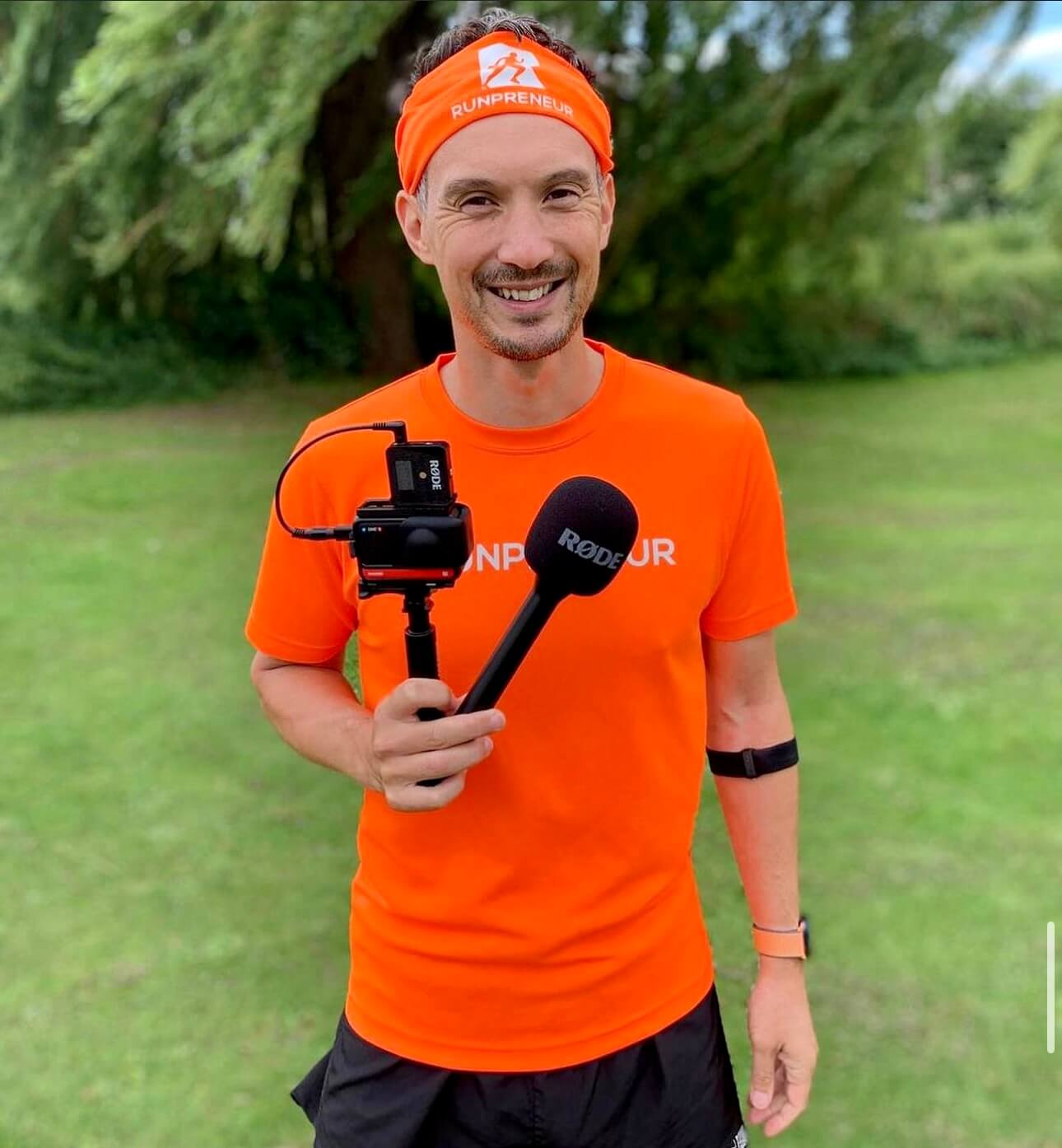
Meet Kevin, a dedicated Runpreneur who embarked on an extraordinary journey to raise £1 million for children in need. Over the course of his 40,075km challenge, Kevin's unwavering determination and passion inspired thousands to join the Runpreneur movement.
Runpreneur Vlogging: Capturing Kevin's Journey
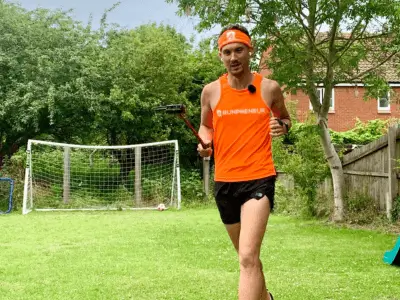
Experience the Runpreneur challenge through the lens of Kevin's video diary. Witness his ups and downs, the camaraderie of the community, and the transformative power of running for a cause. Dive into the visual stories that capture the essence of the Runpreneur movement.

Empowering Children, One Step at a Time
As Kevin logged every kilometre of his 40,075km challenge, the true purpose behind his journey came into focus. Each step, each bead of sweat, fuelled essential healthcare, education, and nutrition programs for children in need around the world.
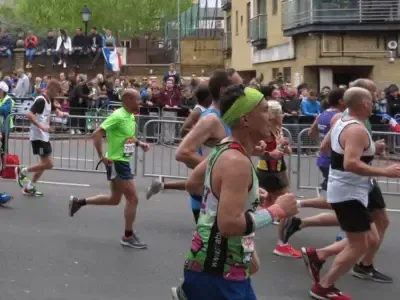
The Transformative 4x4x48 Challenge
Experience the thrill and personal growth of our iconic 48-hour running event. Witness the determination and resilience of Runpreneurs as they push their limits, one mile at a time.
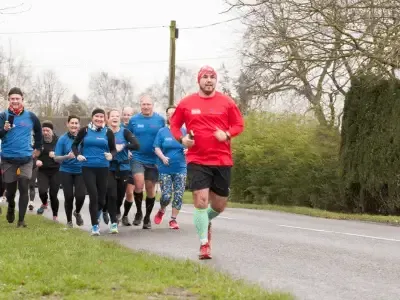
Runpreneur Vlogging: Capturing the Journey
Dive into the visual stories of our Runpreneurs as they document their experiences through engaging video logs. Witness the challenges, triumphs, and moments of camaraderie that define the Runpreneur spirit.
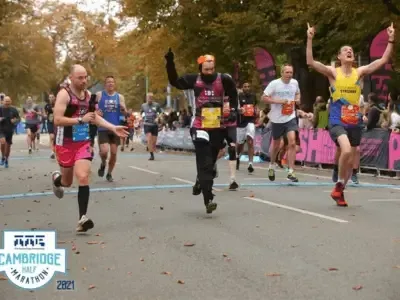
Becoming a Runpreneur: Join the Movement
Learn how you can become a Runpreneur and be part of this global community. Discover the steps to sign up, complete the challenge, and share your journey, all while making a lasting difference.
Connect With Us:



















I am on a mission to raise £1,000,000 for children's causes by daily run-vlogging barefoot-style, covering the total distance of a lap around the world—40,075 km.