
Runpreneur Journey Blog
Embark on an extraordinary journey with the Runpreneur community. Discover inspiring stories, insider tips, and the transformative power of our global challenge. From first-time runners to seasoned athletes, our blog captures the essence of the Runpreneur movement, inspiring others to join the cause.
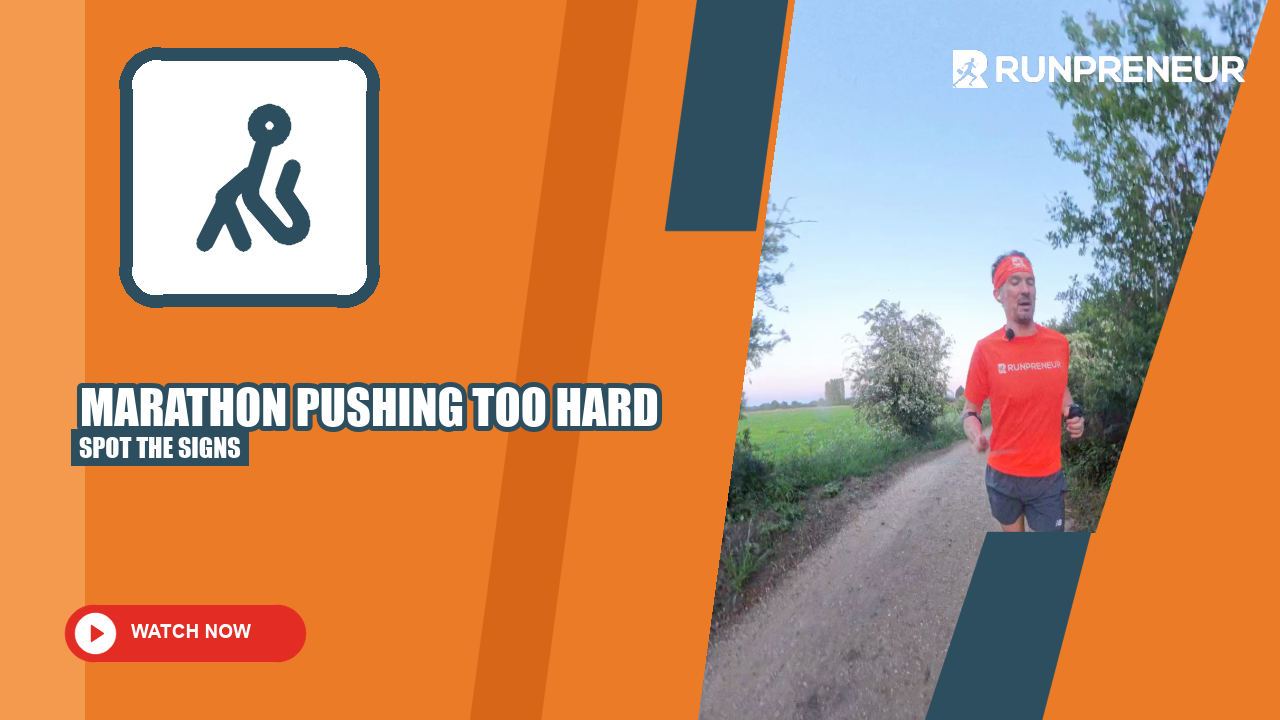
Marathon Breathing Test: Signs You Are Pushing Too Hard
If you can hear your own breathing in the first half of a marathon, you are pushing too hard.
That is the one sign I talked about on Day 2163 of my daily running streak, and I think it is the clearest one. If you are chasing a marathon PB or a better ultra marathon performance, it is worth a few minutes of your time.
Where this comes from
I have run 13 marathons and ultra marathons so far. I broke my foot at the back end of last year, and I still aim to run at least three a year. This year I decided to give the spring season a miss. I want my foot to have the maximum time to recover before I push it to those extremes again. I will push again towards the end of the year, so this is as much a note to myself as it is advice for anyone else.
Why energy decides the race
At 5K, 10K and even half marathon distance, fuelling does not become a big issue if you have trained well. At marathon and ultra marathon distance it does. Fuelling and hydration become a large part of the race simply because of the duration.
I think of it like a fuel gauge on a car. The further you go, the lower it drops. The faster you go, the faster it drops.
Your body has two main fuel sources. In heart rate zone two, you burn mostly fat. For me, the switch happens at around 140 beats per minute. I work on the basis that I carry something like 70,000 calories in fat stores. A marathon costs me roughly 2,500 to 4,000 calories. So if I stayed under 140 beats per minute, I could keep going for a very long time.
The problem is pace. Under 140 beats per minute, I would be running somewhere between 5:40 and 6:20 per kilometre, which is roughly 9 to 10 minutes per mile. That is too slow if I am chasing a time. So I go above that line and burn carbohydrate. Carbohydrate runs out far sooner than fat, and the harder I push, the sooner it goes.
That is the real cost of going out too fast. It is not the pace itself. It is how quickly you spend a limited supply.
The breathing test
Most people watch their watch. I think the better instrument is your breathing.
For the first half of a marathon, you should not hear your breath at all. It should be controlled and rhythmic. You should be able to hold a conversation comfortably at that pace. If you cannot, you are pushing too hard, and you will not make your target.
From halfway to around 20 miles, keep the same rhythm. Coast if you can. This is the stretch where discipline matters most, because nothing dramatic is happening and it is tempting to speed up.
At 20 miles, you have 6.2 miles, or 10K, left. That is where the gasping breath is allowed to start. You push hard, you spend what you have saved, and you get to the finish line.
If you are gasping at 5K, 10K or 20K into the race, you have burned your carbohydrate too early. You will hit the wall, and from there it is a long way home. I have pushed through the wall on a couple of occasions. You can still finish, but it is horrible, and you will not hit the time you set out to run.
You will hear it at the start line of almost any marathon. A lot of people are already gasping in the first 5K. They are racing the watch and ignoring the signal their body is giving them.
What this means beyond marathons
I think this applies to more than race day. The pace on your watch is a number. Your breathing is information about your capacity, in real time. Chasing the number while ignoring the information is how you run out of energy before the finish.
That is also how I approach a daily running streak. I am on Day 2163. Consecutive days only work if no single day takes more than it should. Pushing too hard on one day costs the days that follow. Consistency comes from controlled effort, repeated, with the hard efforts saved for when they count.
The mission
This streak is part of a mission to run a lap of the world, 40,075km, in barefoot-style footwear, one day at a time. As of today I have covered 16,604.33km, which leaves 23,470.67km to go. Alongside that, I am working to raise £1M for children's causes. The more people the vlog reaches, the more funds we can raise for children. That is why I film and publish every single day.
The 40,075km only works if I protect my body for the long haul. My foot is a good reminder. Rest the spring season, recover properly, and come back for the harder races later in the year.
What to take away
Listen to your breathing. Barely hear it for the first three quarters of a marathon. Save the effort for the last 10K, and judge the first half by how easily you could talk rather than by the watch.
If you have a question about marathon pacing, fuelling or heart rate zones, leave a comment. I will answer anything relevant. If you want to support the mission, subscribe, share or comment on the video. Every extra person who sees it helps the fundraising, and I will be back tomorrow with Day 2164.
Watch the full episode: https://youtu.be/R3-J8uELFtc
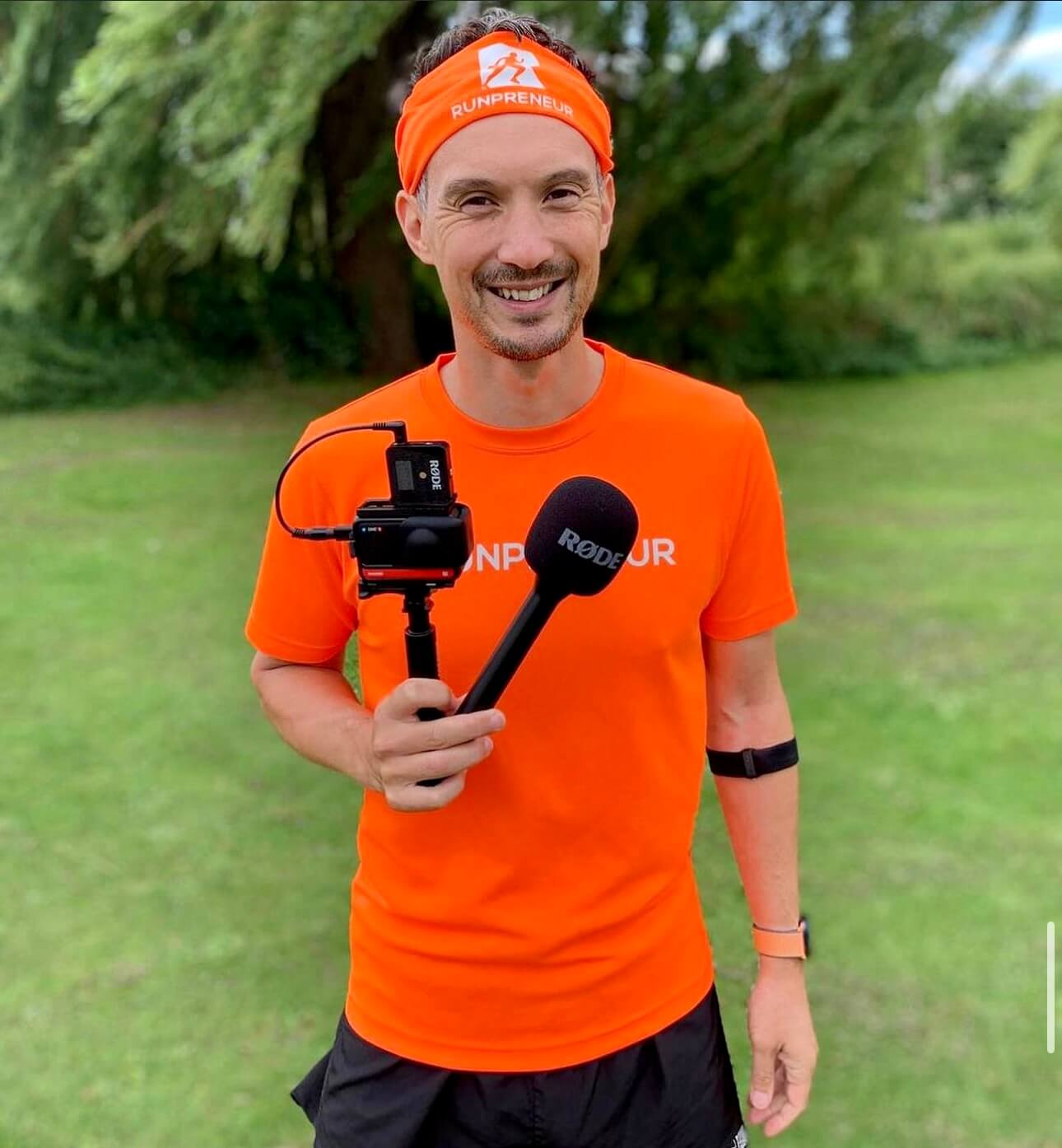
Kevin's 40,075km Challenge: Raising £1 Million for Children
Meet Kevin, a dedicated Runpreneur who embarked on an extraordinary journey to raise £1 million for children in need. Over the course of his 40,075km challenge, Kevin's unwavering determination and passion inspired thousands to join the Runpreneur movement.

Runpreneur Vlogging: Capturing Kevin's Journey
Experience the Runpreneur challenge through the lens of Kevin's video diary. Witness his ups and downs, the camaraderie of the community, and the transformative power of running for a cause. Dive into the visual stories that capture the essence of the Runpreneur movement.

Empowering Children, One Step at a Time
As Kevin logged every kilometre of his 40,075km challenge, the true purpose behind his journey came into focus. Each step, each bead of sweat, fuelled essential healthcare, education, and nutrition programs for children in need around the world.
The Transformative 4x4x48 Challenge
Experience the thrill and personal growth of our iconic 48-hour running event. Witness the determination and resilience of Runpreneurs as they push their limits, one mile at a time.
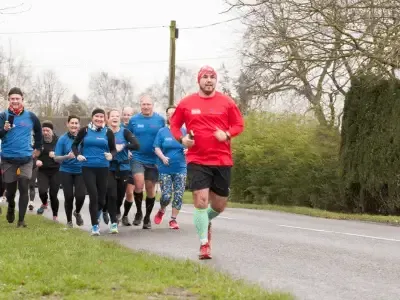
Runpreneur Vlogging: Capturing the Journey
Dive into the visual stories of our Runpreneurs as they document their experiences through engaging video logs. Witness the challenges, triumphs, and moments of camaraderie that define the Runpreneur spirit.
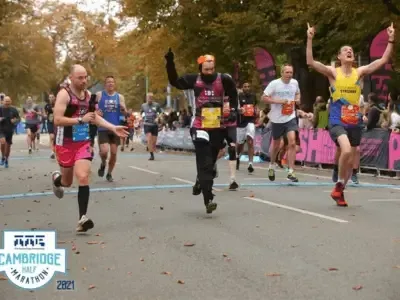
Becoming a Runpreneur: Join the Movement
Learn how you can become a Runpreneur and be part of this global community. Discover the steps to sign up, complete the challenge, and share your journey, all while making a lasting difference.
Connect With Us:



















I am on a mission to raise £1,000,000 for children's causes by daily run-vlogging barefoot-style, covering the total distance of a lap around the world—40,075 km.