
Runpreneur Journey Blog
Embark on an extraordinary journey with the Runpreneur community. Discover inspiring stories, insider tips, and the transformative power of our global challenge. From first-time runners to seasoned athletes, our blog captures the essence of the Runpreneur movement, inspiring others to join the cause.
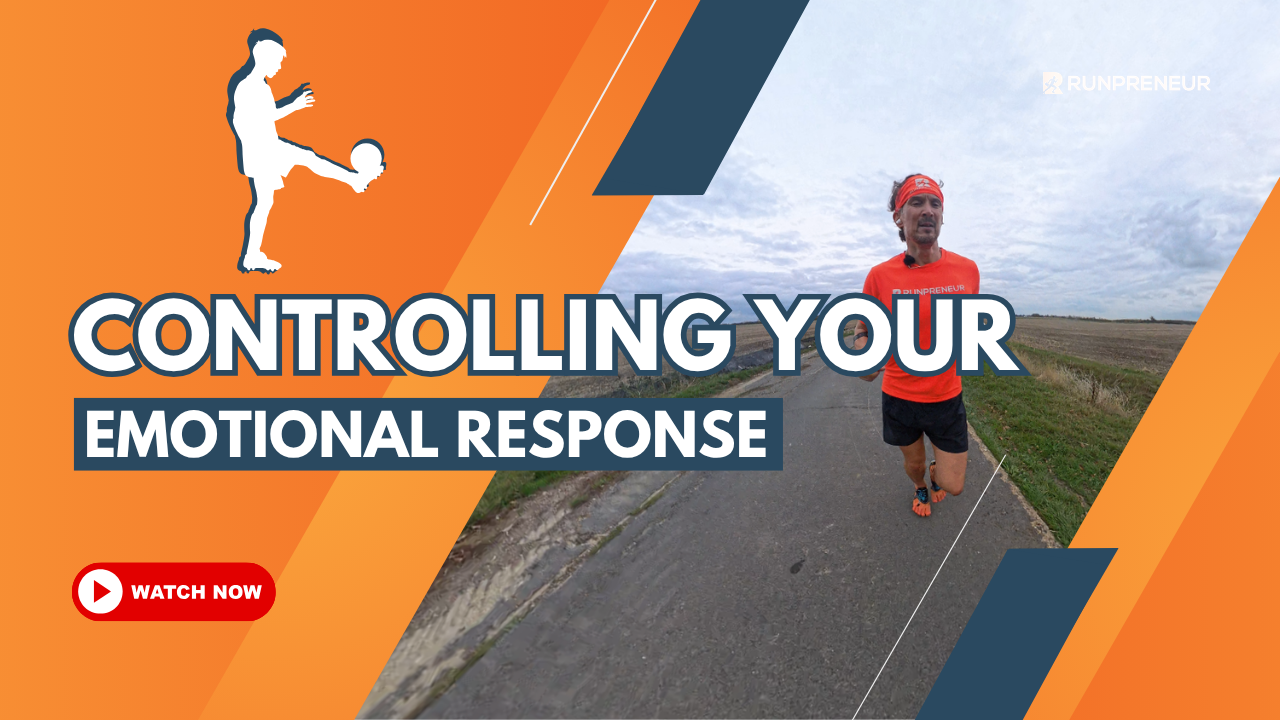
Managing Emotional Rollercoasters - Lessons from 1966 Days of Running
Managing Emotional Rollercoasters - Lessons from 1966 Days of Running
Day 1,966 of my daily running streak brought me face-to-face with something I witness regularly but rarely examine deeply: the emotional rollercoaster that grips us when stakes feel artificially high.
Today I covered another 10km in my barefoot-style shoes, bringing my total to 19,660km on this journey around the world. As I ran, my mind kept circling back to the youth football match I'd helped coach the day before. What I witnessed wasn't just about football - it was a masterclass in how we manufacture emotional chaos from ordinary moments.
The match was a local derby. Our Under-15s were playing against boys they see in school corridors, boys from their friend circles, boys who would either celebrate or commiserate with them come Monday morning. The stakes felt enormous. Parents lined the sidelines with tense faces. The boys played with visible fear alongside their determination.
We were 3-2 up with two minutes left. Then our goalkeeper made an error. The other team equalised. The emotional swing was instant and dramatic - from elation to devastation in seconds. I watched grown adults struggle to contain their reactions, and saw teenage boys' faces crumble with the weight of perceived failure.
But here's what struck me as I ran today: strip away all the manufactured drama, and what actually happened? Eleven boys kicked a ball around a field for ninety minutes. No one was injured. No futures were destroyed. The sun still rose the next morning.
This isn't about dismissing the importance of competition or achievement. I understand the value of both - I'm on day 1,966 of running consecutively, chasing 40,075km and a £1 million fundraising target for children's causes. I know what it means to set meaningful goals and pursue them relentlessly.
What I'm questioning is our tendency to create emotional rollercoasters where none need exist. The term itself suggests we're passengers, subject to forces beyond our control. But we're not. We're active participants in choosing how to interpret events.
The difference between that football match and any other football match wasn't the game itself. It was the stories we told ourselves about what the result would mean. The opinions we layered on top of facts. The emotional projections we cast onto a simple sporting contest.
I've learned something similar through my running streak. When I started this mission, every missed day felt like potential catastrophe. Every difficult morning seemed insurmountable. I was creating my own emotional rollercoaster by focusing on feelings rather than facts.
The fact is: I need to run today. The feeling might be that I'm tired, unmotivated, or facing challenging weather. But feelings are temporary and subjective. Facts remain constant and manageable.
This perspective shift has been crucial over 1,966 days. When I separate what's actually happening from my emotional interpretation of it, I can respond rather than react. The run still needs to happen regardless of how I feel about it.
Applied to that football match, the facts were straightforward: two teams played, the score was 3-3, the boys gained valuable experience competing under pressure. Everything else - the manufactured drama, the social implications, the weight of expectation - was opinion masquerading as reality.
This matters beyond sport. In business, I've seen teams create emotional chaos around routine challenges. In relationships, we manufacture crises from minor disagreements. In personal development, we turn temporary setbacks into identity crises.
The antidote isn't emotional numbness. It's emotional accuracy. Feeling disappointed after a draw is natural and valid. But transforming that disappointment into existential crisis serves no one, especially developing minds trying to learn how to handle pressure.
I think about the children this mission aims to support - those facing genuine life-and-death challenges in hospitals like Great Ormond Street. They don't have the luxury of manufactured drama. Their emotional responses are proportionate to actual stakes, not imagined ones.
Running 20,415km still ahead of me, I'm reminded daily that consistency trumps intensity. The emotional highs and lows of any single run matter far less than simply showing up. This long-term perspective helps me separate temporary feelings from permanent facts.
For those boys on the football pitch, the lesson isn't to care less. It's to channel their caring more effectively. To compete fiercely while maintaining perspective. To feel emotions fully without being controlled by them.
As I continue this journey around the world, one step at a time, I'm learning that the most profound emotional stability comes not from avoiding feelings, but from questioning the stories we tell ourselves about what those feelings mean.
The rollercoaster metaphor suggests we're helpless passengers. But we're actually the operators, choosing the track and controlling the speed. Sometimes the wisest choice is simply to keep things level.
Kevin's 40,075km Challenge: Raising £1 Million for Children
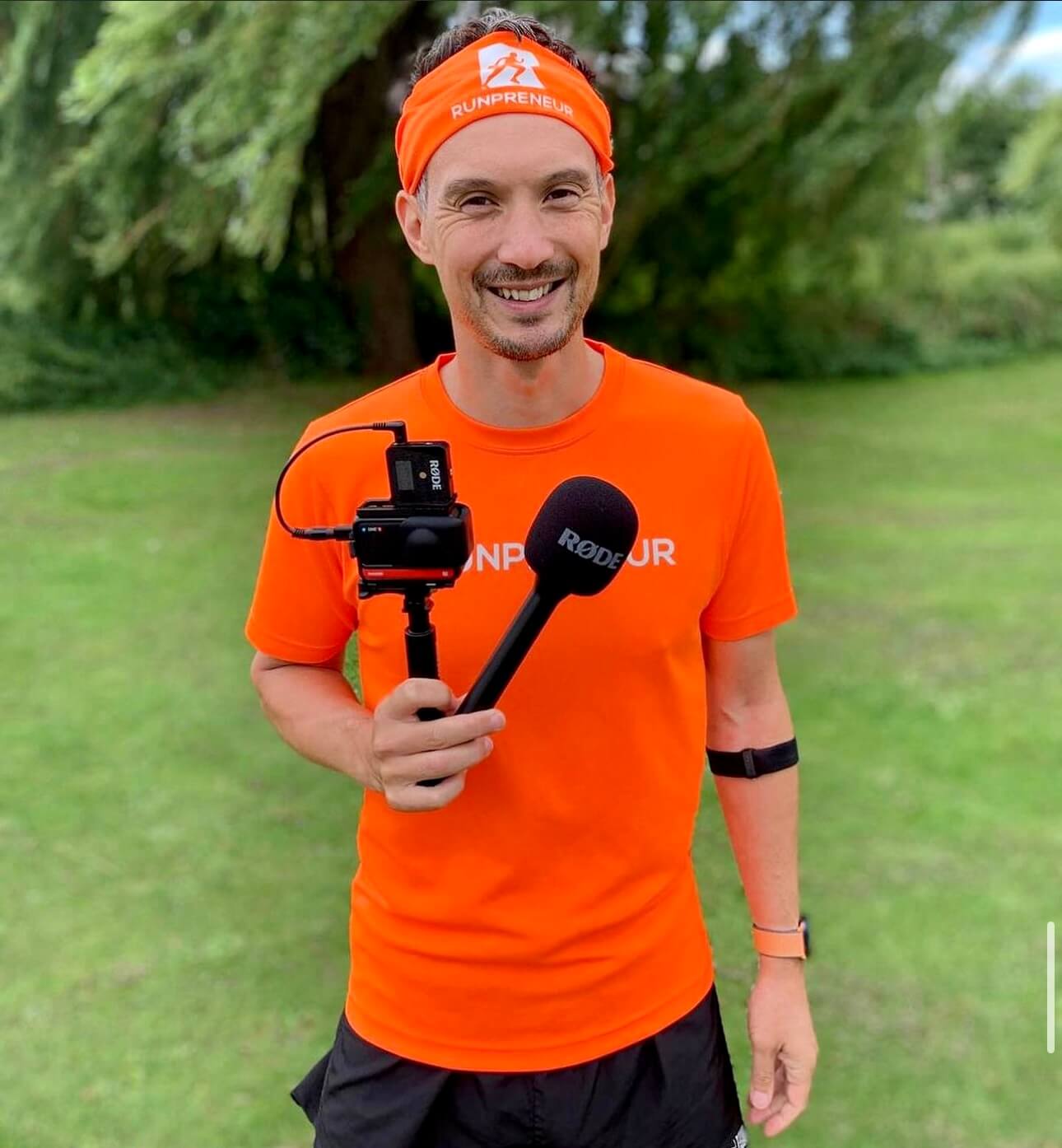
Meet Kevin, a dedicated Runpreneur who embarked on an extraordinary journey to raise £1 million for children in need. Over the course of his 40,075km challenge, Kevin's unwavering determination and passion inspired thousands to join the Runpreneur movement.
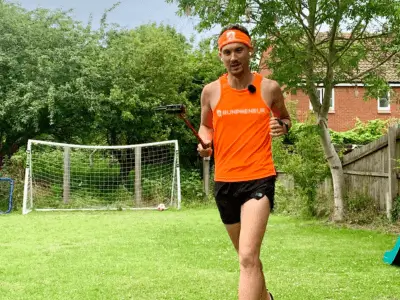
Runpreneur Vlogging: Capturing Kevin's Journey
Experience the Runpreneur challenge through the lens of Kevin's video diary. Witness his ups and downs, the camaraderie of the community, and the transformative power of running for a cause. Dive into the visual stories that capture the essence of the Runpreneur movement.

Empowering Children, One Step at a Time
As Kevin logged every kilometre of his 40,075km challenge, the true purpose behind his journey came into focus. Each step, each bead of sweat, fuelled essential healthcare, education, and nutrition programs for children in need around the world.
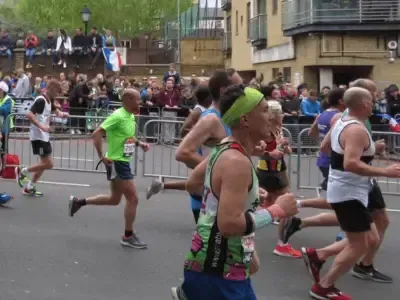
The Transformative 4x4x48 Challenge
Experience the thrill and personal growth of our iconic 48-hour running event. Witness the determination and resilience of Runpreneurs as they push their limits, one mile at a time.
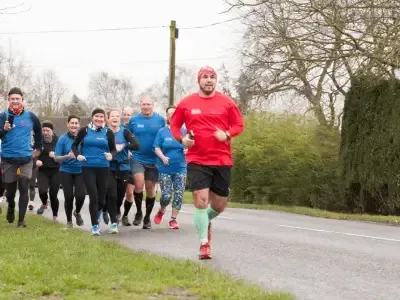
Runpreneur Vlogging: Capturing the Journey
Dive into the visual stories of our Runpreneurs as they document their experiences through engaging video logs. Witness the challenges, triumphs, and moments of camaraderie that define the Runpreneur spirit.
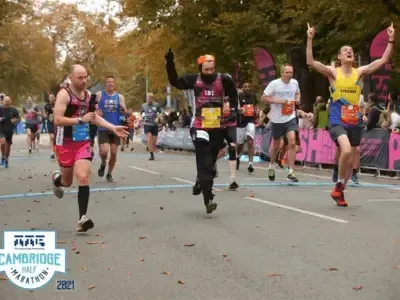
Becoming a Runpreneur: Join the Movement
Learn how you can become a Runpreneur and be part of this global community. Discover the steps to sign up, complete the challenge, and share your journey, all while making a lasting difference.
Connect With Us:



















I am on a mission to raise £1,000,000 for children's causes by daily run-vlogging barefoot-style, covering the total distance of a lap around the world—40,075 km.