
Runpreneur Journey Blog
Embark on an extraordinary journey with the Runpreneur community. Discover inspiring stories, insider tips, and the transformative power of our global challenge. From first-time runners to seasoned athletes, our blog captures the essence of the Runpreneur movement, inspiring others to join the cause.
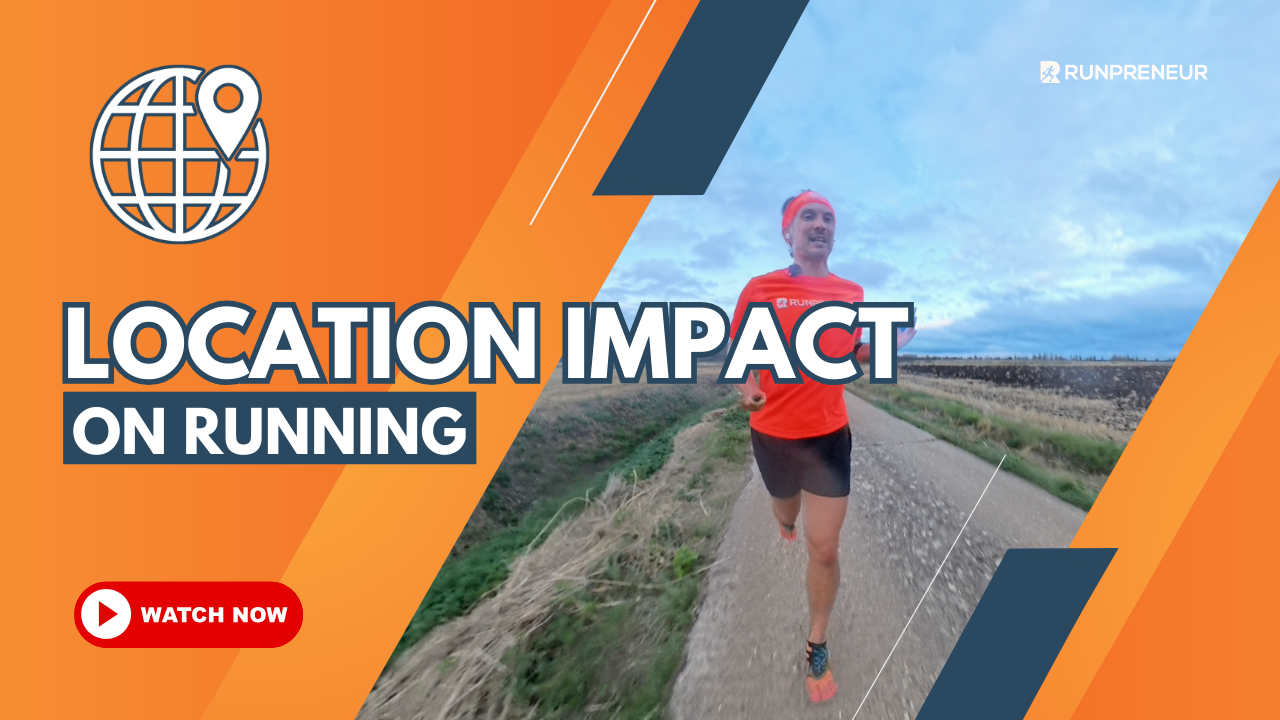
How Location and Environment Radically Impact Your Running Performance
How Location and Environment Radically Impact Your Running Performance
I’ve just returned to my home turf in Cambridgeshire after two weeks of running in Spain, and the contrast is staggering. People often ask me how I’ve managed to keep this running streak alive for 1,920 consecutive days, and a huge part of it comes down to understanding how to adapt to different environments.
Today was a massive reminder of that. Running back here in the UK, I literally feel like I’m flying or floating. But for the last 14 days in Spain, it felt like I was running through treacle. When you are on a mission to cover 40,075km,a full lap of the world,to save children's lives, you quickly learn that not all kilometres are created equal.
The Heat Factor
In Spain, I was consistently running in temperatures between 28°C and 32°C. Coming back to 18°C in the UK feels like a different sport. When it’s hot, your heart has to work significantly harder just to keep your body cool. You sweat more, the risk of dehydration skyrockets, and your perceived exertion is much higher for the same pace. I’ve always found that running in heat is far more taxing on the system than running in the cold, where technical gear can usually solve the problem.
The Hidden Challenge: Altitude
Where I live in Cambridgeshire, we are essentially at sea level. The oxygen capacity is at its fullest. In Spain, my first location was around 250 metres above sea level,hardly noticeable. However, the second location sat between 900 and 1,100 metres.
Once you hit that 500-metre to 800-metre threshold, you start to notice your breathing becomes "gaspy." The oxygen is thinning, and your body has to work at a much more exerted rate to fuel your muscles. I’ve run as high as 2,750 metres before, and the impact on your ability to function while exercising is profound.
Elevation and Terrain
Then there is the physical climb. On a standard run at home, I might see 5 metres of elevation gain. In Spain, I was regularly hitting 260 metres of elevation over a 7.5km distance. Running uphill is a different beast, but even running downhill requires a specific skill set and places unique demands on your joints.
The terrain matters too. I’m a road runner by habit; I love smooth tarmac where I can almost run with my eyes closed, knowing my foot placement is solid. Trail running in Spain meant constant vigilance to avoid turning an ankle. There were moments where the incline and the technicality of the ground meant I simply had to walk.
The Bigger Picture
These 14 days were some of the hardest running I’ve done during this entire streak. But if you want to be a well-rounded runner, you have to mix up your training. You have to experience the thin air, the heat, and the hills.
Every step I take, whether it’s on a flat Cambridgeshire road or a technical Spanish trail, is dedicated to my goal of raising £1M for children’s causes. We are chipping away at that 40,075km total every single day. This mission is about resilience, and nothing builds resilience like stepping out of your comfort zone and into a challenging environment.
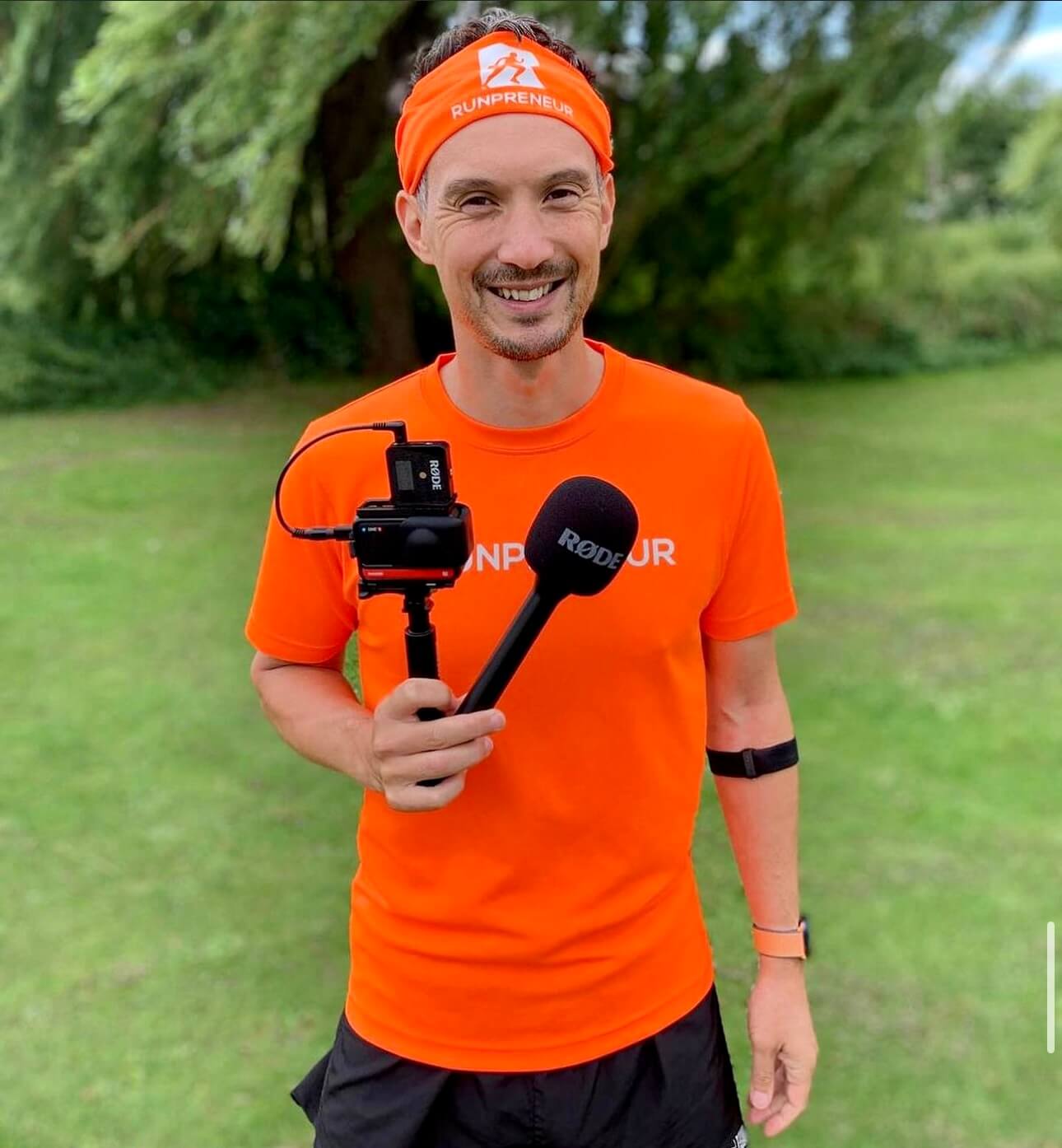
Kevin's 40,075km Challenge: Raising £1 Million for Children
Meet Kevin, a dedicated Runpreneur who embarked on an extraordinary journey to raise £1 million for children in need. Over the course of his 40,075km challenge, Kevin's unwavering determination and passion inspired thousands to join the Runpreneur movement.
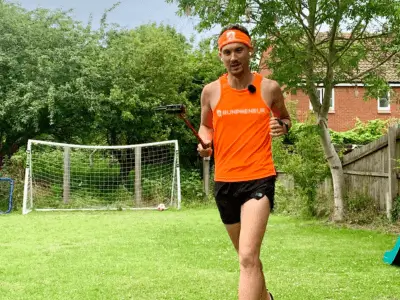
Runpreneur Vlogging: Capturing Kevin's Journey
Experience the Runpreneur challenge through the lens of Kevin's video diary. Witness his ups and downs, the camaraderie of the community, and the transformative power of running for a cause. Dive into the visual stories that capture the essence of the Runpreneur movement.

Empowering Children, One Step at a Time
As Kevin logged every kilometre of his 40,075km challenge, the true purpose behind his journey came into focus. Each step, each bead of sweat, fuelled essential healthcare, education, and nutrition programs for children in need around the world.
The Transformative 4x4x48 Challenge
Experience the thrill and personal growth of our iconic 48-hour running event. Witness the determination and resilience of Runpreneurs as they push their limits, one mile at a time.
Runpreneur Vlogging: Capturing the Journey
Dive into the visual stories of our Runpreneurs as they document their experiences through engaging video logs. Witness the challenges, triumphs, and moments of camaraderie that define the Runpreneur spirit.
Becoming a Runpreneur: Join the Movement
Learn how you can become a Runpreneur and be part of this global community. Discover the steps to sign up, complete the challenge, and share your journey, all while making a lasting difference.
Connect With Us:



















I am on a mission to raise £1,000,000 for children's causes by daily run-vlogging barefoot-style, covering the total distance of a lap around the world—40,075 km.