
Runpreneur Journey Blog
Embark on an extraordinary journey with the Runpreneur community. Discover inspiring stories, insider tips, and the transformative power of our global challenge. From first-time runners to seasoned athletes, our blog captures the essence of the Runpreneur movement, inspiring others to join the cause.
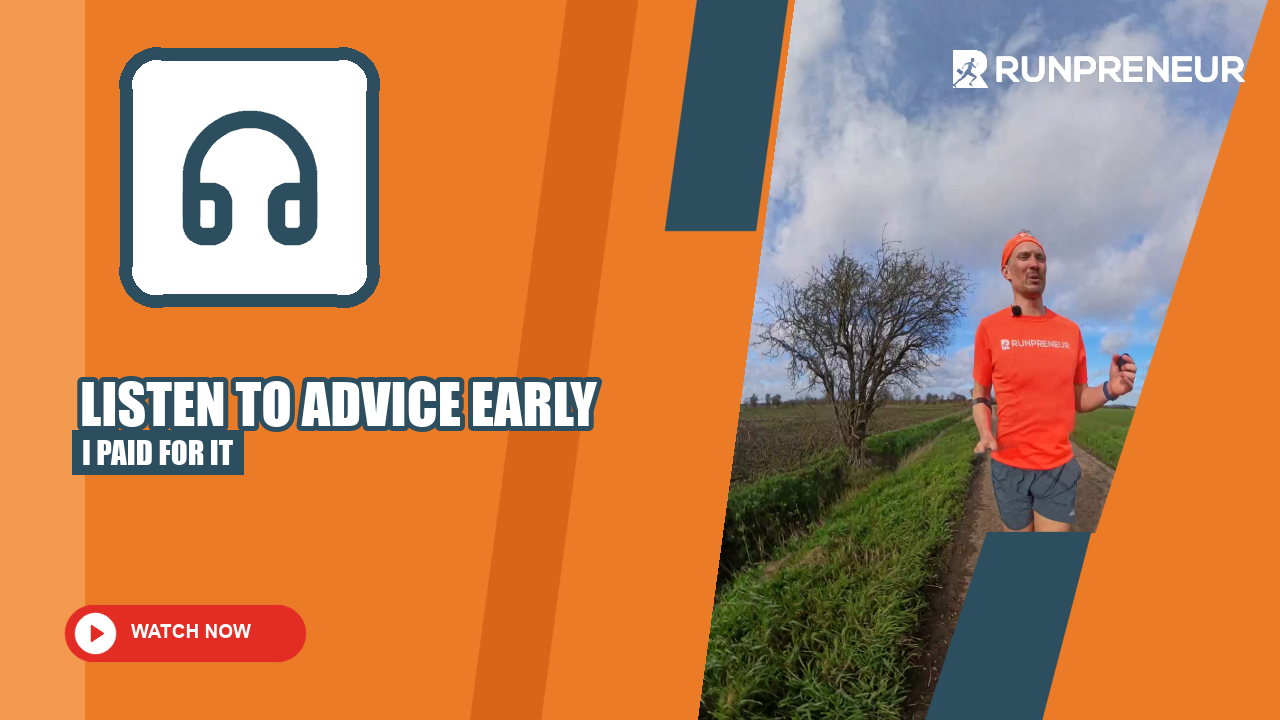
Listen to Advice When You're Young: The Property Mistake I Made by Ignoring It
In my early twenties, a seasoned property investor gave me a warning. I heard it, and I ignored it. Twenty years later, I am still paying for that decision.
Today is Day 2093 of my daily barefoot-style running streak. I have covered 16,122.23km of the 40,075km I need to run a lap of the world, which leaves 23,952.77km. This episode was about why you should listen to advice when you are young, from people who are qualified to give it. I am the example of what happens when you do not.
What the advice was
I bought my first buy-to-let in my early twenties. I am now 43, close to 44, so I have been investing in property for over 20 years. I do not call myself a property expert. If anything, I know a lot about what not to do.
Back then I was young and hungry. I was learning strategies for buying property with little or none of my own money. Fifteen to twenty years ago that was far more possible than it is now. I built a sizeable portfolio by recycling the small amount of money I had, or by using none of it.
The catch was that the deals only made sense where the numbers worked. Nine times out of ten, that was nowhere near where I live.
I remember speaking to a very experienced, successful investor around then. He told me to be careful. Problems will inevitably come in any portfolio. When the property is local, you can deal with them quickly and with little pain. When your properties are scattered across the country, it becomes a logistical nightmare, and it is hard to get the best profit from them.
My answer was, "Yes, but there is no risk. I have not put much money down." I thought I knew best. I was inexperienced and keen, and I waved away very valuable information.
What happened next
I ended up with properties in every corner of the country. To manage them properly, I needed a trusted team in each area: people to find tenants, people to do renovations, people to deal with problems. I did not build those teams well. Some properties sat empty. Some renovation projects never happened. The list goes on.
Twenty years on, I am only now going round those properties and working on getting the most from them. When I compare the returns on those properties with the ones I have held locally, the difference is night and day. The local ones have carried the loss-making ones. On some of the distant properties I have made very little, and arguably lost money over the 20 years. There may be some equity there to cover it, but on many of them I have effectively stood still.
For an investment, that is inexcusable. The whole point is a return on your money. If you get little or nothing back, something has gone wrong.
The low-deposit trap
I have thought a lot about the argument I used at the time. I put little or no money in, so how could I lose? What I missed is the opportunity cost. If a deal needs no money and makes you no money, you have still spent your time on it. That time could have gone into something that earned a proper return.
Property has been forgiving to me. I made naive decisions on how I managed the portfolio, and it is still going. Even so, I am still a year to 18 months away from running it as efficiently and profitably as it should have been run, and a large amount of investment is still needed to get there. Decisions like these can wipe a person out. I have been close more than once, and I was fortunate not to go over the edge. I was lucky, and I would not recommend relying on luck.
The lesson for me
If someone with real experience in the area you want to move into gives you advice, listen. Take note. Then take action on it. That last step matters, because hearing advice and acting on it are different things. I heard it and did neither.
This does not mean you follow every opinion. Advice from someone who has never done what you want to do is not worth the same as advice from someone who has. The test is relevance and experience. The investor who warned me had both. I had enthusiasm and not much else.
What the streak has taught me about this
Running every day has made me more patient with advice, because consistency rewards what is known to work. The basics of running daily are not complicated: pace yourself, recover properly, and do not chase intensity over consistency. Most problems in a long streak come from ignoring something basic that someone had already told me.
The same is true in business and property. The simple, unglamorous advice is usually the right advice. I wish I had given it more respect at 22.
Why this sits within the mission
I run and film every day as part of a fundraiser for children's causes, including Great Ormond Street and BBC Children in Need. The target is £1M, and the route is 40,075km over consecutive days. The more people who see the vlog, the more people may be reached with the mission. That is why I turn up daily, and why I share lessons like this one, even when they are about my own mistakes.
If you are young and starting out, find someone who has already done what you want to do. Ask them what they would avoid. Then listen to the answer.
If you want to follow the mission, you can watch the daily episodes, subscribe, and share the vlog with someone who may find it useful. If you have advice you wish you had taken, I would like to hear it in the comments.
Watch the full episode: https://youtu.be/btZYilfVmp4
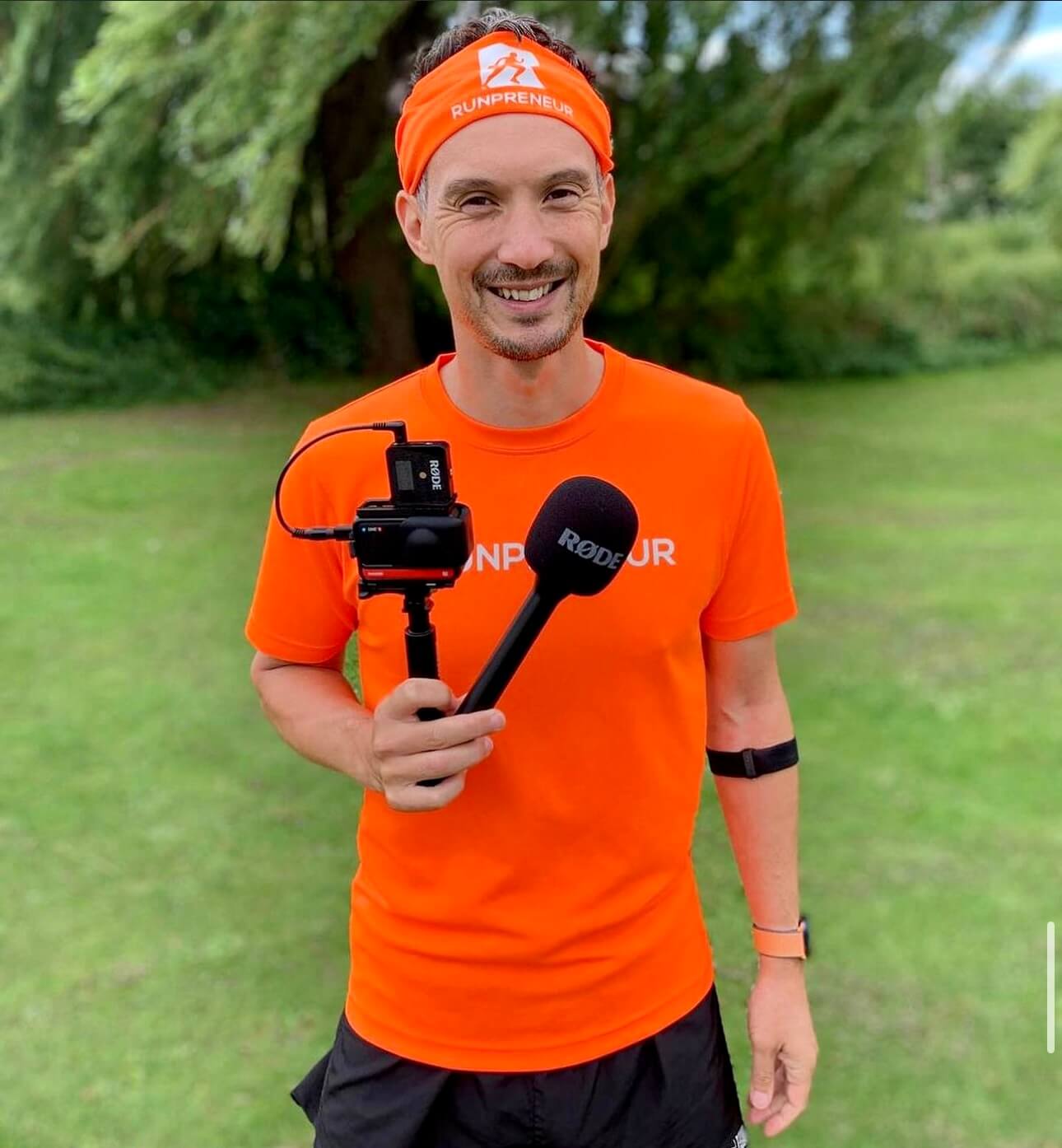
Kevin's 40,075km Challenge: Raising £1 Million for Children
Meet Kevin, a dedicated Runpreneur who embarked on an extraordinary journey to raise £1 million for children in need. Over the course of his 40,075km challenge, Kevin's unwavering determination and passion inspired thousands to join the Runpreneur movement.
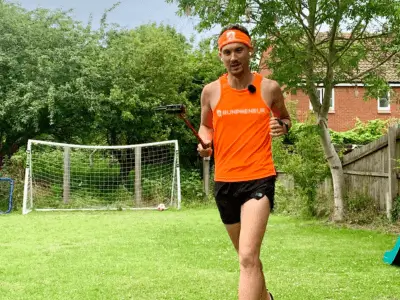
Runpreneur Vlogging: Capturing Kevin's Journey
Experience the Runpreneur challenge through the lens of Kevin's video diary. Witness his ups and downs, the camaraderie of the community, and the transformative power of running for a cause. Dive into the visual stories that capture the essence of the Runpreneur movement.

Empowering Children, One Step at a Time
As Kevin logged every kilometre of his 40,075km challenge, the true purpose behind his journey came into focus. Each step, each bead of sweat, fuelled essential healthcare, education, and nutrition programs for children in need around the world.
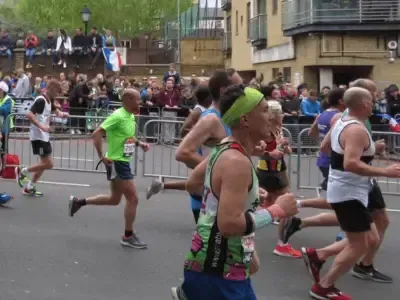
The Transformative 4x4x48 Challenge
Experience the thrill and personal growth of our iconic 48-hour running event. Witness the determination and resilience of Runpreneurs as they push their limits, one mile at a time.
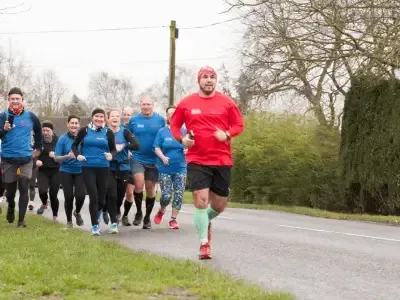
Runpreneur Vlogging: Capturing the Journey
Dive into the visual stories of our Runpreneurs as they document their experiences through engaging video logs. Witness the challenges, triumphs, and moments of camaraderie that define the Runpreneur spirit.
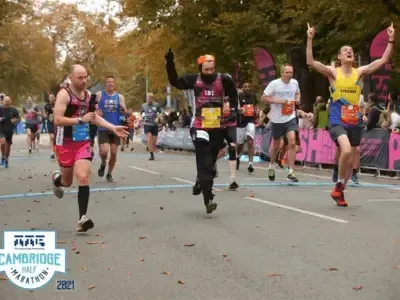
Becoming a Runpreneur: Join the Movement
Learn how you can become a Runpreneur and be part of this global community. Discover the steps to sign up, complete the challenge, and share your journey, all while making a lasting difference.
Connect With Us:



















I am on a mission to raise £1,000,000 for children's causes by daily run-vlogging barefoot-style, covering the total distance of a lap around the world—40,075 km.