
Runpreneur Journey Blog
Embark on an extraordinary journey with the Runpreneur community. Discover inspiring stories, insider tips, and the transformative power of our global challenge. From first-time runners to seasoned athletes, our blog captures the essence of the Runpreneur movement, inspiring others to join the cause.

Leaving Things Last Minute: What ADHD and Stress Taught Me on Day 2091
I leave things to the last minute. Almost every time. For years I explained it away by saying I thrive under pressure, and there is some truth in that. A hard deadline gives me focus that a loose one never does. But the cost is stress, anxiety and overwhelm, and I have paid it for a long time.
Today is Day 2091 of my daily barefoot-style running streak. That brings me to 16,109.60km on the way to 40,075km, a lap of the world, with 23,965.40km still to run. I film every run, and today's episode is about this habit and what sits underneath it.
What happened on the run
The episode comes in two parts. I recorded the first in snow and blizzard conditions. It was minus nine and my microphone froze, so the audio stopped partway through. I did not want to replace the footage, because the wintry conditions made it worth watching. I recorded the second part afterwards and stitched the two together. Running daily means the weather decides some things for me, and that includes the kit.
On the run I talked about leaving things to the last minute, and I passed a group of youths during the school holidays. Some are respectful and some are not. I never know which I will get when I am filming, and this group gave me a bit of a comment and nothing more.
Why I look beyond the habit
I have tried organisational tools, productivity software and planning methods. On the odd occasion I managed to do something ahead of time, but it was rare. When a habit survives that many attempts, I stop treating it as a lack of effort and start asking what is behind it.
Leaving everything to the last minute is commonly associated with ADHD, attention deficit hyperactivity disorder. I am not officially diagnosed. My wife and I are both very sure I have it. I have been high functioning for so long that I have masked a lot of the difficulties. I am saying this plainly because I do not want to claim a diagnosis I do not hold.
For me, the pattern is a missing catalyst. When a task has no urgency attached, I do not feel the pull to start. Urgency arrives with the deadline, and so does the work. Trying to force myself to start early has never held, and I have stopped pretending it will.
The coping routine that sits around it
What I noticed is that my daily run and vlog cushion the stress this habit creates. I am outside every day. The movement lifts my mood. Then I talk through the day on camera, which works as therapy for me. By the end I have unloaded what I was carrying and I am steadier.
There is a downside. Because I cope with the stress well, I have less motivation to fix the habit. The routine hides some of the cost, so the cost never gets high enough to force a change. I would still like to shift it, but at this point I cope well enough, and that is acceptable for me.
If you recognise yourself in this
I am not a medical professional, so I will only say what I would do.
First, look into the other symptoms of ADHD and see whether any of them resonate with you. That does not mean you have it. It gives you something to think about, and it might lead you to speak to a health professional.
Second, know that a diagnosis through the public health system can take a long time, if you have access to one. Going private does not always speed it up. If the symptoms are causing real problems in your life, it is worth pursuing. If you are managing, learning more about how your mind works might be enough to build better coping habits.
Third, work out what regulates your stress. Mine is the run and the vlog. Yours will be different. Many people assume they have a bad habit when they have a way of working that nobody explained to them. Once you understand it, you can put better support around it.
Using an AI assistant when you feel overwhelmed
The second half of the episode covers something practical I do when I feel down, anxious or stuck. I set up a project, a GPT or a hub, depending on which AI tool you use, and I ask the main assistant to help me write the instructions. I list the people whose thinking I respect, such as business authors and lifestyle coaches. I have around twenty. The assistant draws on what is publicly known about them and answers in their style.
The key is to talk, not type. When I type, I cut things out. When I dictate, I use more words and include more of how I feel, so the response is better. I use Wispr Flow to turn my voice into text, because I prefer to read the replies. Some people prefer a spoken conversation with the assistant, and that works too. Once I have explained how I feel, it often helps me build a short action plan to move forward.
Where this fits in the mission
I run every day to attempt the ultimate ultra marathon of run vlogging, a lap of the world over consecutive days, in barefoot-style footwear. The aim is to raise £1M for children's causes, and the streak is a long one. It depends on consistency, not intensity. Understanding how my own mind works makes that consistency easier to protect.
If you leave things to the last minute, watch today's episode and tell me how you cope. If you believe in the mission, subscribe, share, like and comment. More people watching means more money raised for children's causes, which is why I run every day.
Watch the full episode: https://youtu.be/ZGQYu7ufP5c
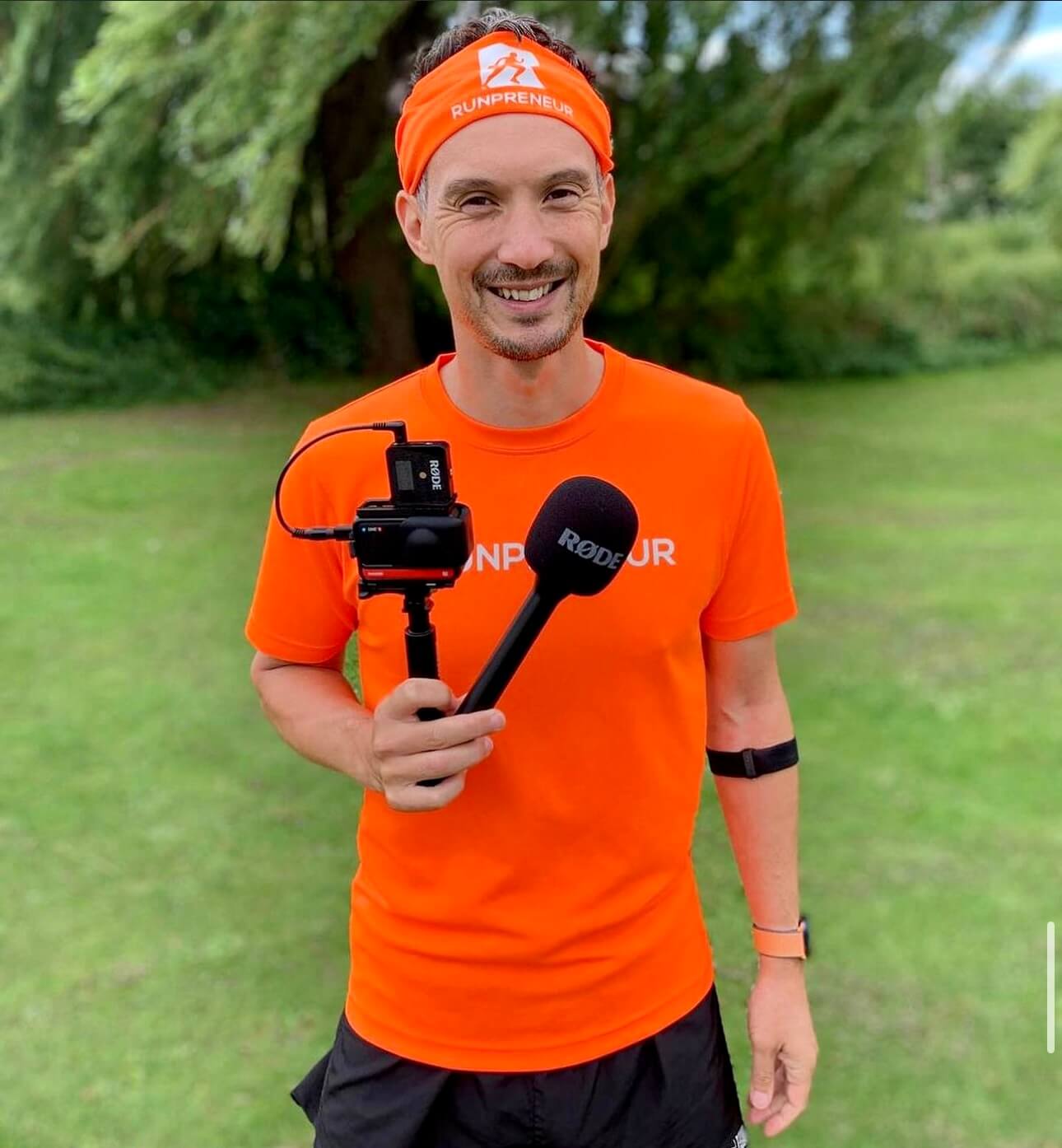
Kevin's 40,075km Challenge: Raising £1 Million for Children
Meet Kevin, a dedicated Runpreneur who embarked on an extraordinary journey to raise £1 million for children in need. Over the course of his 40,075km challenge, Kevin's unwavering determination and passion inspired thousands to join the Runpreneur movement.
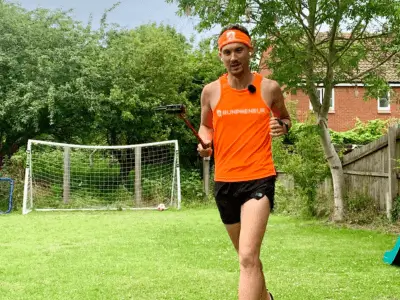
Runpreneur Vlogging: Capturing Kevin's Journey
Experience the Runpreneur challenge through the lens of Kevin's video diary. Witness his ups and downs, the camaraderie of the community, and the transformative power of running for a cause. Dive into the visual stories that capture the essence of the Runpreneur movement.

Empowering Children, One Step at a Time
As Kevin logged every kilometre of his 40,075km challenge, the true purpose behind his journey came into focus. Each step, each bead of sweat, fuelled essential healthcare, education, and nutrition programs for children in need around the world.

The Transformative 4x4x48 Challenge
Experience the thrill and personal growth of our iconic 48-hour running event. Witness the determination and resilience of Runpreneurs as they push their limits, one mile at a time.
Runpreneur Vlogging: Capturing the Journey
Dive into the visual stories of our Runpreneurs as they document their experiences through engaging video logs. Witness the challenges, triumphs, and moments of camaraderie that define the Runpreneur spirit.
Becoming a Runpreneur: Join the Movement
Learn how you can become a Runpreneur and be part of this global community. Discover the steps to sign up, complete the challenge, and share your journey, all while making a lasting difference.
Connect With Us:



















I am on a mission to raise £1,000,000 for children's causes by daily run-vlogging barefoot-style, covering the total distance of a lap around the world—40,075 km.